If you’re dreaming of lush, colorful hydrangeas brightening your Florida garden, timing is everything. Planting hydrangeas at the right moment can make the difference between vibrant blooms and struggling shrubs.
You want your plants to establish strong roots before Florida’s intense summer heat or unexpected cold snaps arrive. Wondering when to get your hands dirty? The best time to plant hydrangeas in Florida is either early spring or early fall—periods that give your plants the perfect environment to thrive.
Keep reading to discover how to choose the ideal planting window for your location and ensure your hydrangeas flourish year after year.
Planting Seasons
Choosing the right season to plant hydrangeas in Florida is key for healthy growth. The planting season affects how well the plant establishes its roots. Proper timing helps hydrangeas face Florida’s heat and occasional cold spells. Planting too late or too early can stress the plant. Understanding the best seasons can improve success and flower production.
Early Spring Benefits
Planting hydrangeas in early spring, from February to March, gives them time to settle before summer heat. The soil warms up, encouraging root growth. Spring planting avoids the harshest cold and prepares plants for the growing season. Hydrangeas planted now can grow strong roots and absorb nutrients easily. This timing helps reduce shock and increases survival rates.
Advantages Of Early Fall Planting
Early fall, from September to October, is also a good time to plant hydrangeas. The cooler air and warm soil create ideal conditions for root development. Fall planting helps plants prepare for the next spring bloom. It also reduces water stress as temperatures drop. Roots grow well without the pressure of summer heat, making the plant stronger.
Regional Timing Differences
Florida has different climate zones that affect planting times. North Florida’s cooler winters allow planting mostly in early spring. Central and South Florida can plant in fall or spring due to milder winters. Adjust planting times based on local weather and frost dates. Knowing your region’s climate helps pick the best season for hydrangeas.
:max_bytes(150000):strip_icc()/where-to-plant-hydrangea-GettyImages-2162702360-054c4ab69c2f47e08550491ec500bbde.jpg "Best Time to Plant Hydrangeas in Florida: Ultimate Guide for Success 2")
Credit: www.realsimple.com
Choosing The Right Hydrangea
Picking the right hydrangea is key for Florida gardens. The climate is warm and often humid. Some hydrangeas handle heat better than others. Knowing your plant helps it thrive. It also affects when to plant and prune.
Different types bloom on old or new wood. This affects care and flowering times. Choose varieties that fit Florida’s conditions. This ensures healthy growth and bright blooms.
Heat-tolerant Varieties
Florida’s heat can stress many plants. Choose hydrangeas that tolerate high temperatures well. Panicle hydrangeas are a good choice. They handle heat and humidity better than others. Smooth hydrangeas also do well in warm climates. These types need less water and resist heat damage. They keep blooming even in hot weather.
Avoid bigleaf hydrangeas in the hottest parts of Florida. They prefer cooler, shaded spots. Plant heat-tolerant types in sunny areas for best results. These varieties suit Florida’s long summers and brief winters.
Old Wood Vs New Wood Bloomers
Hydrangeas bloom on old wood or new wood. Old wood bloomers grow flowers on stems from last year. Bigleaf and mountain hydrangeas belong here. They need careful pruning right after flowering. Prune too late, and you risk cutting off next year’s buds.
New wood bloomers flower on new growth each year. Panicle and smooth hydrangeas are examples. These can be pruned in late winter or early spring. This encourages strong new stems and more blooms. Knowing this difference helps with pruning schedules. Proper pruning keeps plants healthy and full of flowers.
Soil And Location Tips
Choosing the right soil and location is key to growing healthy hydrangeas in Florida. These plants need the right environment to thrive and bloom beautifully. Preparing the soil and picking the best spot in your garden helps hydrangeas resist heat and grow strong roots.
Ideal Soil Conditions
Hydrangeas prefer soil that drains well but holds some moisture. Sandy loam soil works best in Florida’s climate. The soil should be rich in organic matter like compost. Avoid heavy clay soils that stay wet or dry out too fast. Slightly acidic soil with a pH between 5.5 and 6.5 helps hydrangeas absorb nutrients well.
Partial Shade Importance
Hydrangeas need some shade to protect them from Florida’s hot sun. Plant them where they get morning sun and afternoon shade. Too much direct sunlight can burn leaves and reduce flower size. Partial shade keeps the soil cooler and stops the plant from drying out too quickly.
Mulching For Moisture Retention
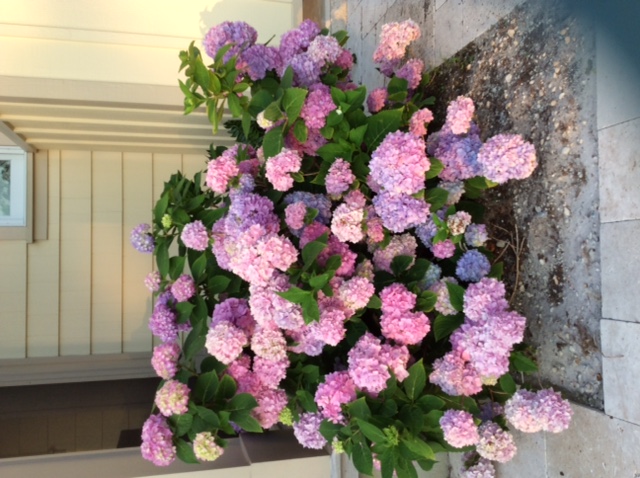
Applying mulch around hydrangeas keeps the soil moist and cool. Use pine bark, wood chips, or straw as mulch. Spread a 2 to 3-inch layer around the base but keep it away from the stem. Mulch reduces water evaporation and controls weeds, helping hydrangeas grow well in Florida’s heat.
Credit: nwdistrict.ifas.ufl.edu
Watering And Fertilizing
Proper watering and fertilizing are key to healthy hydrangeas in Florida’s warm climate. These plants need steady moisture and balanced nutrients to thrive. Too little water causes stress, while too much can drown roots. Fertilizer supports growth and vibrant blooms but must be chosen and timed carefully. Understanding these needs helps your hydrangeas flourish year-round.
Maintaining Consistent Moisture
Hydrangeas need moist soil but not soggy. Water deeply to reach the roots. Check soil often, especially in hot Florida weather. Mulch helps keep moisture steady and cools the soil. Avoid letting soil dry out completely between waterings. Early morning watering reduces evaporation and fungal risks.
Best Fertilizer Choices
Choose fertilizers with balanced nutrients like nitrogen, phosphorus, and potassium. Slow-release fertilizers feed plants gradually over time. Organic options like compost or well-rotted manure improve soil health. Avoid high nitrogen fertilizers that promote leaf growth over flowers. Select a fertilizer suited for acid-loving plants to keep hydrangea colors vibrant.
Fertilizing Schedule
Fertilize hydrangeas in early spring before new growth starts. A second feeding in mid-summer supports continued blooming. Stop fertilizing by late summer to prepare plants for dormancy. Follow label instructions on fertilizer amounts to prevent overfeeding. Regular feeding keeps hydrangeas strong and colorful throughout the growing season.
Pruning Guidelines
Pruning hydrangeas correctly helps keep plants healthy and blooming well. Proper pruning balances growth and flowering. It also shapes the plant and removes dead parts. Understanding pruning rules for different hydrangea types is key in Florida gardens.
Avoiding Over-pruning
Cutting too much weakens the plant and lowers blooms. Remove no more than one-third of growth at once. This avoids shock and supports steady new growth. Gradual pruning keeps hydrangeas strong and well-shaped.
Pruning Old Wood Bloomers
Old wood bloomers like Bigleaf and Mountain hydrangeas bloom on last year’s stems. Prune after flowers fade in summer. Remove spent blooms and trim lightly to shape. Avoid late pruning, or buds for next year may be lost.
Pruning New Wood Bloomers
New wood bloomers, such as Panicle and Smooth hydrangeas, bloom on new growth. Prune these in late winter or early spring while dormant. Cut back up to one-third to encourage healthy new stems. This promotes strong flowering branches.
Tools And Techniques
Use clean, sharp pruning shears or loppers. Clean cuts heal faster and reduce disease risk. Assess your plant’s type before pruning. If heavy pruning is needed, do it gradually over several years. This helps preserve plant health and bloom quality.
Handling Florida Climate Challenges
Growing hydrangeas in Florida means facing unique climate challenges. The hot summers and occasional cold snaps can stress these beautiful plants. Proper care helps hydrangeas thrive despite these conditions. Understanding how to handle heat, frost, and root growth is key to success.
Dealing With Heat Stress
Florida’s intense heat can cause hydrangeas to wilt quickly. Provide afternoon shade to protect leaves from harsh sun. Water deeply and regularly to keep soil moist but not soggy. Mulching helps retain moisture and cools the soil around roots. Avoid fertilizing in the peak summer heat to prevent stress.
Frost Protection Tips
Frost can damage hydrangea buds and leaves in cooler months. Cover plants with frost cloth or light blankets on cold nights. Move potted hydrangeas indoors or to a sheltered spot. Applying mulch thickly around the base insulates roots from freezing. Remove covers early in the day to let sunlight warm the plants.
Monitoring Root Establishment
Strong roots help hydrangeas survive Florida’s climate swings. Plant in early spring or fall for better root growth. Check soil moisture regularly to avoid drought stress. Avoid heavy foot traffic near plants to prevent root damage. Healthy roots support vibrant blooms and improve plant resilience.
Common Problems And Solutions
Growing hydrangeas in Florida can be rewarding but comes with challenges. Common problems include pests, diseases, nutrient deficiencies, and watering issues. Understanding these issues helps keep your hydrangeas healthy and blooming beautifully.
Pests And Diseases
Hydrangeas in Florida may attract aphids, spider mites, and scale insects. These pests suck plant juices and cause leaf damage. Use insecticidal soap or neem oil to control them. Fungal diseases like powdery mildew and leaf spot also affect hydrangeas. Good air circulation and avoiding wet leaves can reduce disease risk. Remove infected leaves promptly to stop spread.
Nutrient Deficiencies
Yellowing leaves often signal nutrient problems. Lack of nitrogen causes pale foliage, while low iron leads to yellow leaves with green veins. Use a balanced fertilizer formulated for flowering shrubs. Adding compost or organic matter improves soil health. Test soil pH since hydrangeas prefer slightly acidic soil for best nutrient uptake.
Watering Issues
Hydrangeas need consistent moisture but dislike soggy soil. Overwatering causes root rot, making leaves wilt and turn yellow. Underwatering leads to dry, crispy leaves and poor flower growth. Water deeply once or twice a week depending on rainfall and temperature. Mulching helps keep soil moist and cool.

Credit: www.reddit.com
Frequently Asked Questions
When Should You Plant Hydrangeas In Florida?
Plant hydrangeas in Florida during early spring (February-March) or early fall (September-October). This timing helps roots establish before heat or cold stress.
What Is The 1 3 Rule For Hydrangeas?
The 1-3 rule for hydrangeas means never prune more than one-third of the plant at once. This prevents stress and promotes healthy growth.
How To Keep Hydrangeas Alive In Florida?
Plant hydrangeas in early spring or fall for strong roots. Provide partial shade and consistent moisture. Mulch well and use heat-tolerant varieties. Fertilize regularly to support growth. Avoid over-pruning and protect from extreme heat to keep hydrangeas alive in Florida.
Can I Plant Hydrangeas In September?
Yes, you can plant hydrangeas in September. Early fall allows roots to establish before winter. Choose a well-drained spot with partial shade for best growth. Water regularly and mulch to retain moisture and protect roots during cooler months.
Conclusion
Plant hydrangeas in Florida during early spring or early fall. These seasons help roots grow strong before extreme weather. Avoid planting in the hottest summer months to reduce stress on the plants. Spring suits North Florida best, while fall works well in other areas.
Healthy roots lead to beautiful blooms and a thriving garden. Remember to water regularly and provide some shade if needed. With the right timing and care, your hydrangeas will flourish in Florida’s climate. Enjoy watching your garden brighten with vibrant hydrangea flowers year after year.