Are you ready to grow delicious, juicy peaches right in your Florida backyard? Knowing the best time to plant peach trees in Florida can make all the difference between a healthy tree bursting with fruit and one struggling to survive.
You want your peach tree to thrive in Florida’s unique climate, avoid common pitfalls, and reward you with sweet harvests year after year. In this guide, you’ll discover exactly when to plant your peach tree for the best results, along with tips to ensure it grows strong and healthy.
Keep reading, and you’ll be on your way to enjoying fresh peaches fresh from your own garden!
Ideal Planting Seasons
Choosing the right season to plant peach trees in Florida affects their growth and fruit yield. The state’s warm climate allows some flexibility, but certain times offer clear advantages. Understanding each season’s conditions helps ensure healthy trees and better harvests. Below, explore the ideal planting seasons for peach trees in Florida.
Winter Planting Benefits
Planting peach trees in winter is popular in Florida. Trees are dormant, making it easier to transplant them. The cooler weather reduces stress on young trees. Winter rains provide natural moisture, supporting root growth. Trees have time to establish before spring growth starts. This timing improves survival rates and fruit production.
Spring Planting Window
Early spring is another good time to plant peach trees. The soil warms up, encouraging root development. Trees quickly come out of dormancy and start growing leaves and shoots. Spring planting allows trees to build strength before hot summer months. Watering is important to prevent heat stress during this period.
Risks Of Summer Planting
Summer planting carries more risks for peach trees in Florida. High temperatures and dry weather can stress young trees. They need frequent watering to avoid wilting and damage. Heat may slow root growth and increase pest problems. Summer planting requires careful attention and extra care.
Fall Planting Considerations
Fall planting is possible but less common in Florida. Cooler nights and shorter days slow tree growth. Trees might not establish roots well before winter. Fall rains can help with soil moisture, but sudden cold snaps can harm young trees. Choose hardy varieties and protect trees from frost if planting in fall.
Best Peach Varieties For Florida
Choosing the right peach varieties is key for growing healthy trees in Florida. The climate here is warm with mild winters. Many peach trees need a certain number of chill hours to produce fruit well. Florida’s weather calls for special types of peaches that can thrive with fewer chill hours. Selecting the best variety can lead to better fruit and higher yields.
Low Chill Peach Types
Low chill peach varieties need fewer cold hours to bloom and bear fruit. These types suit Florida’s mild winter climate perfectly. Examples include ‘Florda Prince’, ‘Mid Pride’, and ‘Earligrande’. These peaches start growing early and produce sweet, juicy fruit. They handle Florida’s heat better than traditional peach trees.
High Yield Varieties
High yield peach trees give a large amount of fruit each season. They are ideal for gardeners wanting more peaches. Varieties such as ‘Tropic Beauty’ and ‘UFGold’ are known for their heavy crops. These trees grow strong and produce fruit consistently. Planting high yield types can increase harvest size in Florida gardens.
Disease Resistant Options
Disease can harm peach trees and reduce fruit quality. Disease resistant peach varieties help lower this risk. They resist common issues like peach leaf curl and brown rot. Varieties like ‘Gulf Prince’ and ‘UFSun’ show strong resistance. Choosing these types means less worry and fewer sprays for pests and diseases.
Soil And Site Preparation
Preparing the soil and site properly sets the foundation for healthy peach trees. Good preparation helps trees grow strong roots and bear fruit well. In Florida, soil and site conditions vary, so choose carefully and improve the soil before planting.
Choosing The Right Location
Pick a sunny spot that gets at least six hours of direct sunlight daily. Avoid low areas where water can pool after rain. Good air circulation reduces disease risk. Make sure the site has enough space for the tree to grow wide and tall.
Soil Requirements
Peach trees prefer sandy, well-drained soil in Florida. The soil should have a pH between 6.0 and 7.0 for best growth. Heavy clay or poorly drained soil causes root rot. Test soil drainage by digging a hole and filling it with water. If water drains within a few hours, the site is suitable.
Improving Soil Quality
Add organic matter like compost or aged manure to sandy soil. This helps retain moisture and nutrients. Avoid fresh manure as it can burn roots. Work amendments into the top 12 inches of soil. Mulch around the tree after planting to keep soil moist and cool.
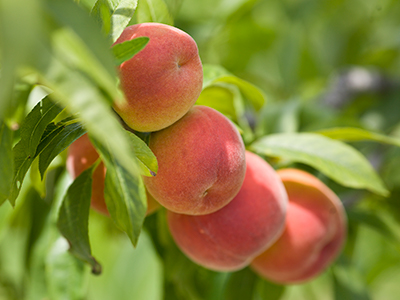
Credit: canterburyfarmsnursery.com
Planting Techniques
Proper planting techniques are essential for healthy peach trees in Florida. The right methods help trees grow strong roots and produce sweet fruits. Pay attention to how and when you plant to ensure success.
Planting Dormant Trees
Dormant peach trees have no leaves or buds. Plant them during late winter or early spring. This timing helps trees establish roots before warm weather. Handle roots gently and soak them in water for a few hours before planting. Plant trees quickly to avoid drying out roots.
Spacing And Depth Tips
Space peach trees 15 to 20 feet apart for good air flow. Proper spacing reduces disease risks. Dig holes twice as wide as the root ball but no deeper. Set the tree so the graft union stays 2 inches above soil level. Fill the hole with native soil and press firmly to remove air pockets.
Watering After Planting
Water the peach tree deeply right after planting. Keep the soil moist but not soggy during the first few weeks. Water 1 to 2 times per week, depending on rain and temperature. Proper watering helps roots grow and reduces transplant shock. Mulch around the base to keep soil moist longer.
Care And Maintenance
Proper care and maintenance are key to growing healthy peach trees in Florida. The warm climate and sandy soils require specific steps to keep trees strong and productive. Regular attention helps prevent common problems and improves fruit quality.
Simple tasks like pruning, feeding, and pest control make a big difference. These efforts support the tree’s growth and fruit development throughout the year. Understanding the right timing and techniques is essential for successful peach cultivation in Florida.
Pruning Practices
Prune peach trees every winter while they are dormant. Remove dead or weak branches to improve air flow. Thin crowded branches to allow sunlight inside the canopy. Use clean, sharp tools for precise cuts. Keep the tree shape open and balanced. Proper pruning reduces disease risk and increases fruit size.
Fertilization Schedules
Apply fertilizer in early spring before new growth starts. Use a balanced fertilizer with nitrogen, phosphorus, and potassium. Follow package instructions for the correct amount. Spread fertilizer evenly around the tree base. Avoid over-fertilizing, which can cause leaf burn. Repeat feeding every 6 to 8 weeks during growing season for best results.
Pest And Disease Control
Inspect trees regularly for signs of pests like aphids and borers. Use insecticidal soap or neem oil to control infestations. Remove fallen fruit and leaves to reduce disease spread. Watch for fungal diseases such as peach leaf curl. Apply fungicides early in the season as a preventive measure. Healthy trees resist pests and diseases better.
Companion And Avoided Plants
Choosing the right plants to grow near peach trees in Florida helps the trees thrive. Companion plants support healthy growth and improve soil conditions. Avoided plants can harm peach trees by competing for nutrients or spreading diseases. Managing nearby vegetation is essential to keep peach trees strong and productive.
Ideal Companion Plants
Legumes like clover and beans fix nitrogen in the soil. This boosts peach tree growth naturally. Herbs such as basil and chives repel pests that often attack peach trees. Marigolds also deter harmful insects and attract beneficial ones. Planting these companions helps reduce the need for chemicals and supports a balanced garden ecosystem.
Plants To Avoid Near Peach Trees
Nightshade vegetables such as tomatoes, potatoes, and eggplants can spread diseases harmful to peach trees. Avoid planting other stone fruits like plums or nectarines nearby. They compete for the same nutrients and water. Large, fast-growing plants like mint and bamboo steal moisture and space, weakening peach trees over time.
Managing Competing Vegetation
Keep the area around peach trees free from weeds and invasive plants. Mulching helps suppress unwanted vegetation and retains soil moisture. Regularly inspect and remove plants that compete for resources. This reduces stress on peach trees and improves fruit quality. Proper management encourages healthy root development and better yields.
Common Challenges In Florida
Growing peach trees in Florida comes with unique challenges. The state’s climate often tests the resilience of these fruit trees. Understanding these difficulties helps in better care and successful harvests.
Florida’s hot weather, high humidity, and occasional cold snaps require special attention. Each factor affects peach tree growth and fruit quality. Addressing these challenges improves tree health and yield.
Heat Stress Management
Florida’s heat can stress peach trees quickly. Prolonged high temperatures cause leaf scorch and fruit drop. Providing shade during peak heat hours helps reduce stress. Mulching keeps soil cool and moist. Water trees deeply and regularly to prevent dehydration.
Dealing With Humidity
Humidity in Florida favors fungal diseases on peach trees. Powdery mildew and brown rot are common problems. Prune trees to improve air circulation and reduce moisture buildup. Use fungicides as needed to protect leaves and fruit. Avoid overhead watering to keep foliage dry.
Frost And Cold Protection
Cold snaps can damage peach tree buds and flowers in Florida. Cover young trees with frost cloths during cold nights. Applying mulch insulates roots from temperature swings. Plant trees in locations with good air drainage to avoid frost pockets. Choose low-chill peach varieties adapted to Florida’s winters.

Credit: www.groworganic.com
Harvesting Tips
Harvesting peach trees in Florida requires careful attention to ensure the best fruit quality. Knowing when and how to pick peaches affects their taste and shelf life. Proper handling after picking keeps peaches fresh and delicious.
Recognizing Ripeness
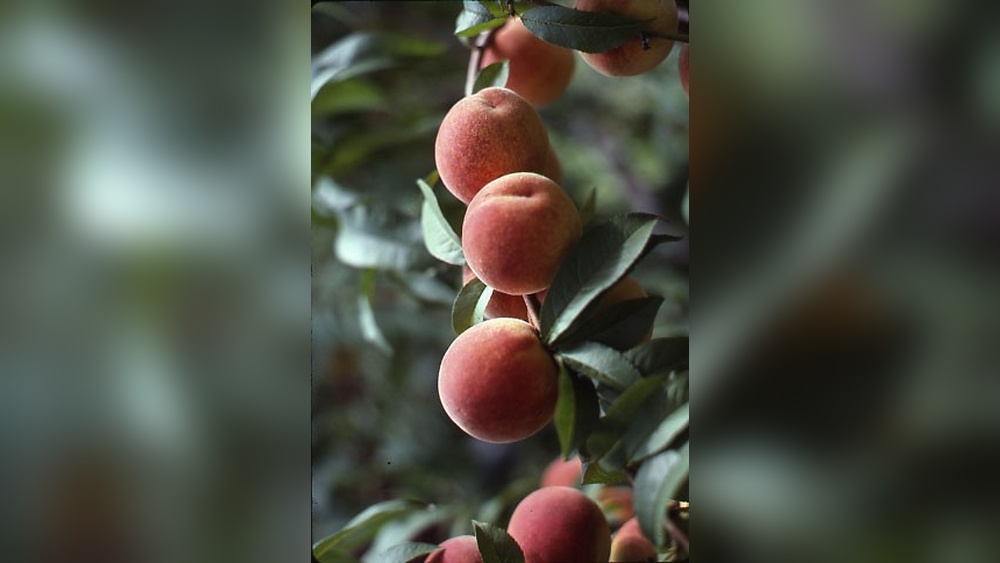
Peaches are ripe when they have a deep color and slight softness. The fruit should yield gently to pressure without feeling mushy. A sweet fragrance near the stem also signals ripeness. Avoid picking peaches that are hard or green.
Harvesting Techniques
Pick peaches by hand to prevent bruising. Hold the fruit gently and twist it off the branch. Use both hands if needed to avoid dropping. Harvest early in the morning to keep peaches cool and reduce damage.
Post-harvest Handling
Place peaches in shallow containers to avoid crushing. Store them in a cool, shaded area right after picking. Avoid washing peaches until ready to eat to prevent spoilage. Proper storage extends freshness and flavor.

Credit: www.youtube.com
Frequently Asked Questions
When To Plant Peach Trees In Florida?
Plant peach trees in Florida between December and January for best results. Avoid summer planting due to heat stress risks.
Is It Okay To Plant A Peach Tree In The Fall?
Planting peach trees in fall is suitable in mild climates. Ensure soil is well-drained and provide regular watering to prevent stress. Avoid planting during extreme heat or frost. Fall planting helps roots establish before winter, promoting healthy spring growth and fruit production.
What Is The Best Peach Tree To Grow In Florida?
The best peach trees for Florida are low-chill varieties like Florida Prince, Mid Pride, and Earligrande. They thrive in Florida’s warm climate.
What Should Not Be Planted Near Peach Trees?
Avoid planting nightshade vegetables (tomatoes, potatoes, eggplant), other stone fruits, raspberries, mint, bamboo, brassicas, corn, grasses, and black walnut trees near peach trees. These plants compete for nutrients, water, or spread diseases harmful to peach trees.
Conclusion
Planting peach trees in Florida at the right time helps them grow strong. The best months are December through January when trees are dormant. Avoid extreme heat and dry periods to reduce stress on young trees. Choose low-chill varieties suited for Florida’s climate for better fruit.
Keep the area around peach trees free of competing plants and invasive roots. With proper timing and care, you can enjoy healthy peach trees and tasty harvests. Patience and attention make all the difference in growing peaches successfully. Start planting at the right time and watch your peach trees thrive.