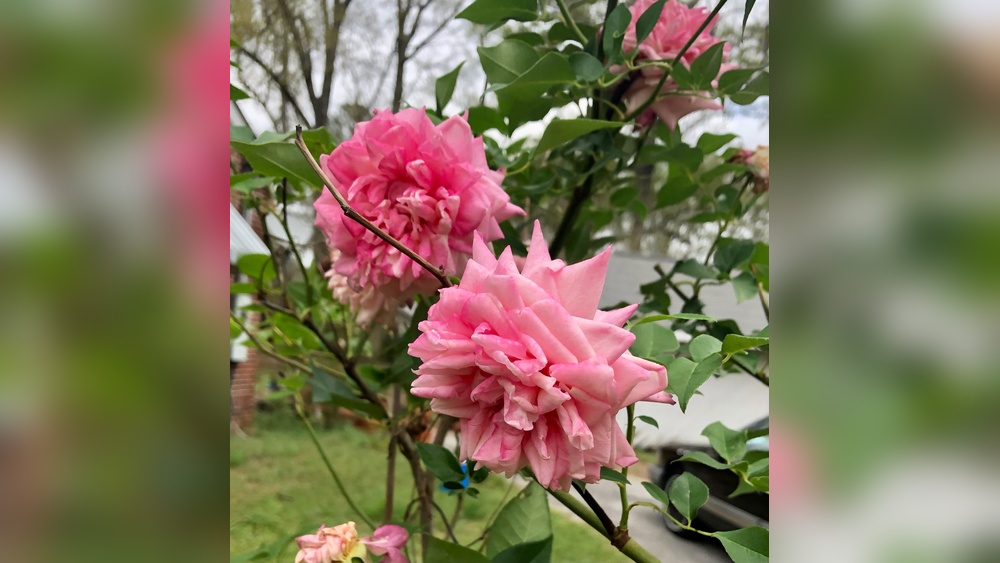
If you want your roses to thrive and fill your North Florida garden with vibrant blooms, knowing the best time to plant them is key. Planting at the right moment gives your roses a strong start, helping their roots settle in before the summer heat arrives.
Whether you’re a seasoned gardener or just starting out, timing can make all the difference between a struggling plant and a flourishing rose bush. You’ll discover exactly when to plant your roses in North Florida to ensure they grow healthy and beautiful year after year.
Keep reading, and you’ll learn simple tips that can transform your rose-growing experience.
Credit: blogs.ifas.ufl.edu
Ideal Planting Months
Choosing the right time to plant roses in North Florida is key to their growth and bloom. Ideal planting months help roses develop strong roots and resist pests. Knowing these months ensures your roses thrive and add beauty to your garden.
Late Winter To Early Spring
Late winter to early spring is a prime time to plant roses in North Florida. The soil starts to warm, encouraging root growth. Cooler air temperatures reduce stress on new plants. Planting during this time gives roses a full growing season to establish. New roses can develop strong roots before the heat of summer arrives.
Fall Planting Benefits
Fall is another excellent season to plant roses in North Florida. The soil remains warm from summer, perfect for root development. Cooler fall air helps reduce water loss and stress. Rainy autumns keep the soil moist, aiding root growth. Roses planted in fall build strong roots before winter. This leads to healthier plants and vibrant blooms in spring.
Container Vs Bare-root Roses
Container roses can be planted almost any time in North Florida if the ground is not frozen. They adapt quickly since their roots stay protected. Bare-root roses need specific timing, usually in late winter or early spring. Plant bare-root roses before they start to leaf out. This timing helps roots grow deep and fast. Both types benefit from mulch to keep soil moist and cool.
Climate Factors In North Florida
North Florida’s climate plays a key role in deciding the best time to plant roses. The region experiences hot summers and mild winters. These conditions affect how well roses grow and thrive. Understanding the climate helps gardeners choose the right planting time. It also guides them on how to care for roses through different seasons.
Managing Summer Heat
Summer in North Florida is often hot and humid. Roses need extra care to survive this heat. Watering early in the morning helps reduce stress on the plants. Shade during the hottest part of the day protects roses from sunburn. Mulching keeps the soil cool and moist. Choosing heat-tolerant rose varieties also improves chances of success.
Winter Soil Conditions
Winter in North Florida is mild but can affect soil quality. The soil stays warmer than in northern states, allowing roots to grow longer. Well-drained soil prevents waterlogging during rainy winter months. Adding organic matter improves soil texture and nutrients. Preparing the soil before planting boosts rose health and growth.
Frost Timing And Impact
Frost is rare but can occur in North Florida. It usually happens between December and February. Late frosts may damage new rose shoots if planted too early. Planting roses at least six weeks before the first frost helps roots settle. Covering roses during frost protects them from cold damage. Knowing frost dates guides safe planting schedules.
Soil Preparation Tips
Preparing the soil is crucial for growing healthy roses in North Florida. Good soil helps roses develop strong roots and vibrant blooms. Proper soil preparation ensures roses get the nutrients and water they need to thrive. Follow these simple tips to prepare your soil before planting roses.
Testing And Improving Soil
Start by testing the soil pH and nutrient levels. Roses prefer slightly acidic soil with a pH of 6.0 to 6.5. You can buy a soil test kit or send samples to a local extension office. Add lime to raise the pH or sulfur to lower it, based on test results. Mix compost or well-rotted manure into the soil to improve fertility and texture. This enriches the soil and helps retain moisture.
Mulching For Moisture Retention
Mulch keeps the soil moist and cool around rose roots. Apply a 2 to 3-inch layer of organic mulch such as wood chips or pine straw. Mulching reduces water evaporation and controls weeds that compete for nutrients. It also protects roots during hot summer days and mild winter chills. Refresh mulch every few months to maintain its benefits.
Drainage Considerations
Good drainage is essential for rose health. Waterlogged soil can cause root rot and other diseases. Plant roses in a spot where water drains well after rain. If your soil is heavy clay, mix in sand or organic matter to improve drainage. Raised beds can help roses avoid standing water and promote air circulation around roots. Check drainage by digging a hole and filling it with water to see how fast it drains.

Credit: www.revivalgardening.com
Choosing Rose Varieties
Choosing the right rose variety is key to success in North Florida gardens. Roses must handle the region’s heat, humidity, and pests well. Selecting varieties that thrive locally reduces care needs and boosts bloom quality.
Many roses struggle with Florida’s warm climate. Picking types bred for heat and disease resistance helps your garden flourish. The right rose also adds beauty and fragrance to outdoor spaces.
Heat-tolerant Roses
Heat-tolerant roses can survive North Florida’s hot summers. These roses keep blooming despite high temperatures. Examples include Knock Out roses and Drift roses. Their strong heat resistance means fewer wilted blooms and less stress.
They also require less water than other types. This makes them ideal for gardeners wanting low-maintenance plants. Heat-tolerant roses brighten gardens from spring through fall.
Disease-resistant Types
Disease-resistant roses fight common problems like black spot and powdery mildew. These diseases thrive in Florida’s humid climate. Choosing resistant varieties lowers the need for sprays and treatments.
Examples include Floribunda and Hybrid Tea roses developed for resistance. These types stay healthy longer and keep flowers looking fresh. Disease resistance saves time and effort in rose care.
Popular North Florida Roses
Some rose varieties are especially popular in North Florida. Archduke Charles and Cramoisi Superieur do well in local conditions. Caldwell Pink and Jean Back are favorites for color and durability.
These roses combine beauty with toughness. They handle heat and humidity while producing vibrant blooms. Choosing popular local roses increases the chance of success in your garden.
Planting Techniques
Planting roses in North Florida requires careful techniques to ensure healthy growth. Proper planting sets the stage for vibrant blooms and strong plants. Understanding the right spacing, watering, and root care helps roses thrive in this region.
Spacing And Depth
Space roses about 2 to 3 feet apart. This allows air to flow and reduces disease risks. Plant roses at the same depth they grew in the nursery. Avoid planting too deep, which can cause stem rot. Keep the graft union just above soil level for best growth.
Watering Practices
Water roses deeply right after planting. This settles the soil around the roots. Keep the soil moist but not soggy. Water early in the day to reduce leaf diseases. Avoid overhead watering to protect leaves from fungus. Regular watering helps roses establish faster in North Florida’s climate.
Root Establishment Strategies
Loosen the soil around the planting hole to encourage root growth. Add compost or organic matter to improve soil structure. Mulch around the base to keep roots cool and moist. Check roots often for dryness during the first few weeks. Healthy roots support strong stems and beautiful flowers.
Seasonal Care Guide
Roses in North Florida need special care throughout the year. Each season brings unique challenges and opportunities for healthy growth. Following a seasonal care guide helps your roses bloom beautifully and stay strong.
Understanding when to feed, prune, and protect your roses is key. This guide breaks down essential tasks by season. It keeps your rose garden thriving from spring to winter.
Fertilizing Schedule
Feed roses in early spring as new growth begins. Use a balanced rose fertilizer to encourage strong roots and buds. Repeat feeding every 4 to 6 weeks until late summer. Avoid fertilizing after September to let roses prepare for winter rest.
Apply fertilizer around the base, not directly on leaves. Water well after feeding to help nutrients soak in. Organic options like compost or fish emulsion work well too.
Pruning Tips
Prune roses in late winter or early spring before new shoots appear. Remove dead, weak, or crossing branches to improve air flow. Cut back to outward-facing buds to shape the bush and encourage outward growth.
Use clean, sharp tools to make smooth cuts. Remove old wood to make room for fresh growth. Light pruning during summer helps control size and removes spent blooms.
Pest And Disease Control
Check roses regularly for pests like aphids, spider mites, and beetles. Spray with insecticidal soap or neem oil at the first sign of infestation. Keep leaves dry to prevent fungal diseases such as black spot and powdery mildew.
Remove fallen leaves and prune crowded areas to improve air circulation. Use disease-resistant rose varieties for easier care. Early detection and treatment keep roses healthy and blooming.
Common Challenges
Growing roses in North Florida offers beauty but comes with some challenges. The warm climate and humidity create conditions where diseases and stress can affect rose health. Understanding common problems helps gardeners keep roses strong and blooming. Dealing with fungal diseases, protecting from heat, and preparing for mild winters are key to success.
Dealing With Powdery Mildew
Powdery mildew is a white, powdery fungus that appears on rose leaves. It spreads quickly in humid weather with poor air flow. Early signs include white spots on new leaves and buds. Remove affected leaves and improve air circulation around plants. Use a fungicide safe for roses to control the spread. Water roses in the morning to let leaves dry fast. Avoid overhead watering to reduce moisture on foliage.
Preventing Heat Stress
North Florida’s summer heat can stress roses, causing leaf drop and weak blooms. Provide afternoon shade or plant roses where they get partial sun. Mulch around the base keeps soil cool and moist. Water deeply but less often to encourage strong roots. Avoid fertilizing during the hottest months to prevent burning. Watch for signs like drooping leaves and pale color. Acting fast keeps roses healthy through hot spells.
Winter Protection Methods
North Florida winters are mild but can still harm roses during cold snaps. Apply mulch thickly around the roots to insulate against temperature swings. Cover sensitive varieties with burlap or frost cloth if frost is expected. Prune roses lightly in late winter to remove dead wood and prepare for spring growth. Avoid heavy pruning in fall to protect canes from cold damage. Proper winter care helps roses bounce back strong.
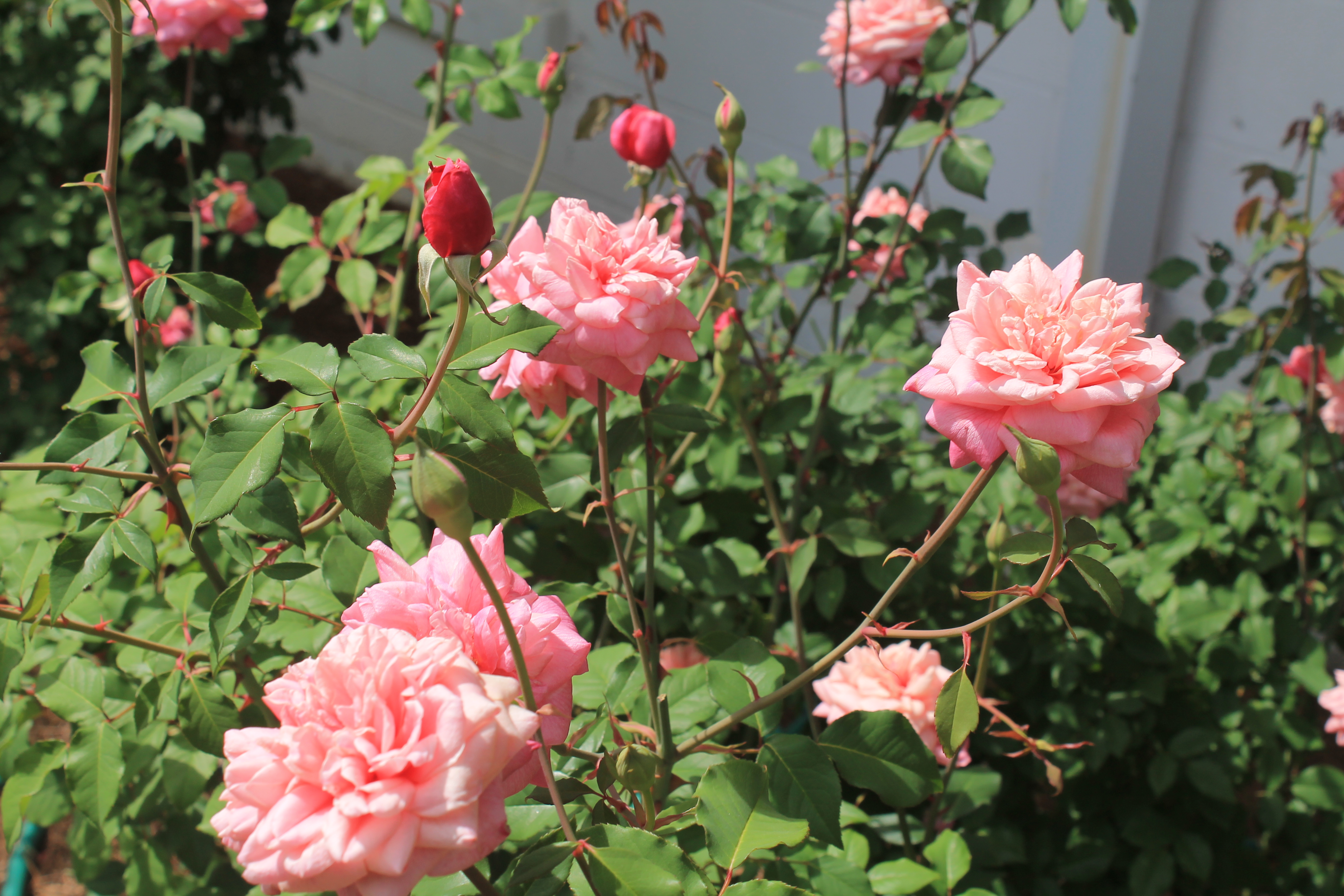
Credit: nwdistrict.ifas.ufl.edu
Frequently Asked Questions
What Is The Best Month To Plant Roses In Florida?
The best months to plant roses in Florida are late winter to early spring, from December to February. This timing helps roots establish before the heat. Planting in October also works well, as warm soil supports root growth before winter dormancy.
What Roses Grow Best In North Florida?
Roses that thrive in North Florida include Archduke Charles, Cramoisi Superieur, Louis Philippe, and Pink Pet. Plant them from December to February for best growth.
Why Put Baking Soda Around Roses?
Baking soda around roses helps prevent powdery mildew by balancing pH and creating an unfavorable environment for fungi. It promotes healthier blooms and stronger plants.
Is October Too Late To Plant Roses?
October is not too late to plant roses. Plant at least six weeks before the first hard frost for strong root growth.
Conclusion
Planting roses in North Florida works best in fall and early spring. The soil stays warm enough for roots to grow strong. Cooler air helps plants prepare for winter without stress. Mulching keeps moisture in and protects roots from cold.
Choose container-grown or bare-root roses and plant before frost arrives. Regular watering and care ensure healthy growth. Follow these tips for vibrant blooms year after year. Roses will thrive when planted at the right time and cared for well. Your garden will thank you with beautiful flowers.