Are you eager to fill your South West Florida garden with the timeless beauty of roses? Knowing the best time to plant roses here can make all the difference between a thriving, vibrant bloom and a struggling plant.
South West Florida’s unique climate means that timing is everything when it comes to giving your roses the best start. In this guide, you’ll discover exactly when to plant your roses to ensure they grow strong and flourish despite the heat and humidity.
Ready to unlock the secrets to a stunning rose garden? Keep reading, and let’s get your roses growing beautifully!
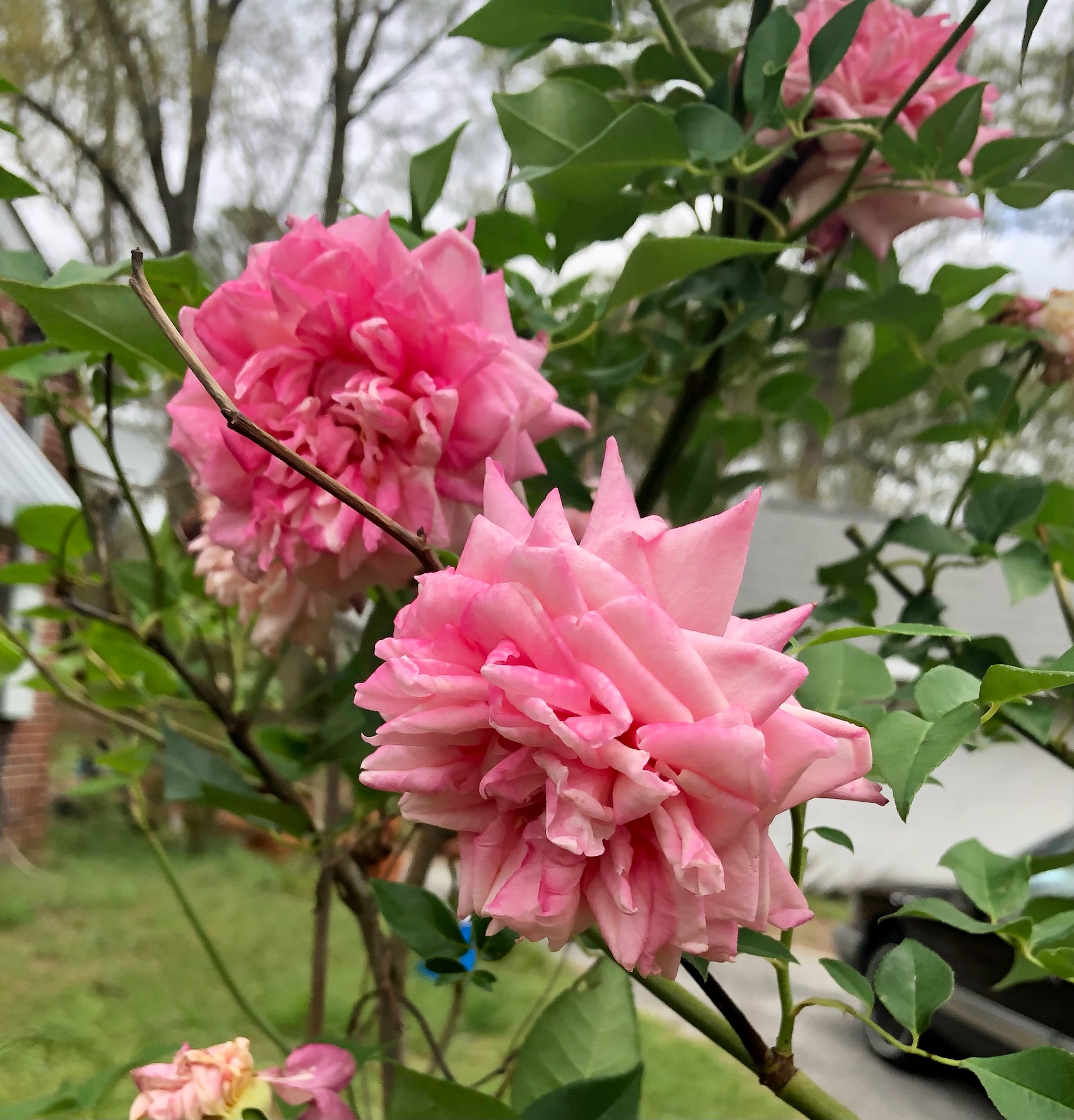
Credit: nwdistrict.ifas.ufl.edu
Climate And Soil In Southwest Florida
Southwest Florida offers a unique environment for growing roses. Understanding the climate and soil here helps in choosing the best planting time. This region has warm weather and varied soil types that affect rose health. Knowing these factors leads to better growth and blooms.
Temperature Patterns
Southwest Florida stays warm most of the year. Winters are mild with temperatures rarely below 50°F. Summers get hot, often reaching above 90°F. Roses prefer cooler temperatures for planting. Early spring or late fall are ideal to avoid summer heat stress. Nighttime temperatures also stay warm, which helps roses grow steadily.
Soil Composition
The soil in Southwest Florida is sandy with good drainage. This type of soil prevents water from standing around roots. However, sandy soil has fewer nutrients and holds less moisture. Adding organic matter improves soil quality. Roses need rich, well-drained soil to thrive. Testing soil pH helps to maintain the right balance, usually between 6.0 and 6.5.
Rainfall And Humidity
Rainfall in Southwest Florida is heavy in summer and lighter in winter. High humidity levels can cause fungal diseases in roses. Good air circulation around plants reduces this risk. Planting roses in a spot with partial shade during hot months protects them. Mulching helps keep soil moist and controls weeds. Managing water well ensures healthy rose growth.
Choosing Rose Varieties
Choosing the right rose varieties is key to success in Southwest Florida. The hot and humid climate creates unique challenges. Some roses thrive, while others struggle. Picking varieties that match local conditions helps ensure healthy growth and beautiful blooms. Understanding the differences between grafted and non-grafted roses also matters. Disease resistance adds another layer of protection for your garden. Here are some tips on selecting the best roses for this region.
Roses Suited For Southwest Florida
Not all roses grow well in Southwest Florida’s heat. Choose varieties that tolerate heat and humidity. Knock Out roses are popular for their toughness and low care needs. Other good options include Floribunda and shrub roses. These roses bloom often and resist wilting in strong sun. Selecting types that suit the climate reduces stress on plants and improves flower production.
Grafted Vs. Non-grafted Roses
Grafted roses have a top rose variety joined to a hardy rootstock. This rootstock helps roots grow stronger and resist soil diseases. In Southwest Florida, grafted roses on Rosa x fortuniana rootstock do well. Non-grafted roses grow from their own roots. They may be less prone to certain problems but often need more care in this climate. Choose grafted roses for easier growth and better survival rates.
Disease-resistant Options
Humidity encourages fungal diseases like black spot and powdery mildew. Pick rose varieties bred for disease resistance. Knock Out roses are known for strong resistance to common diseases. Other resistant types include Drift and Carefree Beauty roses. Using disease-resistant roses lowers the need for chemicals and keeps your garden healthier. Regular monitoring and good air circulation also help prevent problems.
Optimal Planting Seasons
Choosing the right time to plant roses in South West Florida is key to their success. The area’s warm climate offers several planting windows. Each season brings unique benefits for rose growth and bloom. Understanding these can help your roses thrive and produce beautiful flowers.
Late Fall And Winter Benefits
Late fall and winter provide cooler temperatures. These mild conditions reduce stress on new plants. Roses planted now develop strong roots before spring heat arrives. The soil remains warm enough to encourage root growth. This season also lowers the risk of pests and diseases. Planting during this time helps roses adapt well to local conditions.
Spring Planting Considerations
Spring offers a fresh start with longer daylight hours. Plants receive plenty of sunlight to support growth. However, rising temperatures and humidity can challenge new roses. Water needs increase as the weather warms. Extra care is necessary to prevent heat stress. Choosing disease-resistant varieties improves survival chances in spring.
Year-round Planting Possibilities
South West Florida’s climate allows planting almost any time. Potted roses are available year-round in local nurseries. Regular watering and soil care keep plants healthy. Adjust care routines based on seasonal changes. Good soil preparation and mulch protect roots from heat. Year-round planting means you can find a time that fits your schedule.
Preparing The Planting Site
Preparing the planting site is key to growing healthy roses in South West Florida. The right spot and soil help roses thrive despite the region’s heat and humidity. Good preparation boosts root growth and flower production. Follow simple steps to set up the perfect environment for your rose bushes.
Soil Preparation Techniques
Start by testing your soil’s pH. Roses prefer a slightly acidic soil, around 6.0 to 6.5. Loosen the soil to a depth of 12 inches to improve drainage. Mix in organic matter like compost or aged manure. This improves soil texture and adds nutrients. Avoid heavy clay or sandy soils without amendments. Clear away weeds and debris before planting.
Sunlight Requirements
Choose a spot that gets at least six hours of direct sunlight daily. Morning sun is best to dry dew and reduce fungal diseases. Avoid shady areas under large trees or buildings. Proper sunlight helps roses produce strong stems and vibrant blooms. Watch for harsh afternoon sun in summer; some light shade then can protect your plants.
Mulching Tips
Apply a 2 to 3-inch layer of mulch around the rose base. Mulch keeps soil moist and cool during hot Florida days. Use organic materials like pine bark, straw, or wood chips. Keep mulch a few inches away from the stem to prevent rot. Refresh mulch each season to maintain moisture and control weeds. Mulching also improves soil health over time.
Planting Techniques For Success
Planting roses in South West Florida requires careful attention to planting techniques. Proper methods help roses grow strong and healthy. Understanding how to handle bare-root and potted roses is key. Following spacing and depth guidelines also improves success.
Handling Bare-root Roses
Bare-root roses arrive without soil around their roots. Soak the roots in water for 12 to 24 hours before planting. Trim any broken or damaged roots with clean scissors. Dig a hole wide and deep enough to spread the roots comfortably. Place the rose so the graft union sits just below the soil surface. Cover roots with soil and firm gently. Water well to settle the soil.
Planting Potted Roses
Remove the rose carefully from its pot. Loosen roots if they are tightly bound. Dig a hole twice as wide as the pot’s root ball. Place the plant at the same depth as it was in the pot. Fill the hole with soil and press gently to remove air pockets. Water deeply after planting to help roots settle.
Spacing And Depth Guidelines
Space roses about 2 to 3 feet apart for good air flow. This prevents diseases and promotes healthy growth. Plant roses at a depth where the graft union is just below soil level. Avoid planting too deep or too shallow. Proper depth helps roots develop and protects the plant from heat stress. Mulch around roses to keep soil moist and cool.

Credit: beldensflorist.com
Watering And Fertilizing
Proper watering and fertilizing are vital for healthy roses in Southwest Florida. The hot climate and sandy soil demand special care. Roses need consistent moisture and nutrients to thrive here. Balance is key to avoid stress and promote strong growth.
Irrigation Best Practices
Water roses deeply once or twice a week. Early morning watering reduces evaporation. Use drip irrigation or soaker hoses to keep leaves dry. Wet leaves invite diseases in humid weather. Check soil moisture before watering again.
Monthly Fertilization Schedule
Feed roses every four weeks during the growing season. Choose a balanced fertilizer with equal nitrogen, phosphorus, and potassium. Apply fertilizer around the base, avoiding stems. Water plants after fertilizing to help nutrients soak in. Stop fertilizing in late fall to prepare roses for dormancy.
Avoiding Overwatering
Too much water harms rose roots and invites disease. Sandy soil drains quickly but holds less water. Check soil moisture by feeling it an inch below the surface. If it feels wet, wait before watering again. Proper drainage prevents root rot and keeps roses healthy.
Pest And Disease Management
Managing pests and diseases is key to growing healthy roses in Southwest Florida. The warm, humid climate encourages many pests and fungi. Vigilance helps prevent damage and keeps roses blooming. Regular checks and early action protect your plants from harm.
Common Pests In Southwest Florida
Aphids are small insects that suck sap from rose leaves and buds. They cause leaves to curl and stunt growth. Spider mites thrive in hot weather and create fine webs on leaves. Whiteflies are tiny, white insects that feed on the underside of leaves. Thrips damage flower petals, making them look brown and distorted. Watch for these pests often to catch problems early.
Preventing Powdery Mildew
Powdery mildew appears as white, powdery spots on leaves and stems. It grows well in humid, shaded areas. Plant roses where they get full sun to reduce mildew risk. Avoid overhead watering to keep leaves dry. Prune roses to improve air circulation. Remove infected leaves quickly to stop spread.
Natural Remedies And Treatments
Neem oil works well against many pests and fungal diseases. Spray it early in the morning or late in the evening. A mix of baking soda and water can help control powdery mildew. Introduce beneficial insects like ladybugs that eat harmful pests. Keep your garden clean by removing dead leaves and debris. Healthy soil and proper watering also boost rose resistance.

Credit: www.revivalgardening.com
Pruning And Maintenance
Pruning and maintenance are essential for healthy rose bushes in South West Florida. Proper care encourages strong growth and more blooms. Regular pruning helps remove dead or weak parts. Maintenance keeps roses looking neat and vibrant throughout the year.
Deadheading Techniques
Deadheading means removing spent flowers from the plant. Cut the stem just above the first set of five leaflets. This encourages new blooms and prevents disease. Use sharp, clean tools to avoid damage. Remove all faded flowers regularly to keep the plant healthy.
Shaping And Trimming
Shaping your rose bush helps control its size and form. Trim long or uneven stems to create a balanced look. Cut back any damaged or crossing branches. Aim for a rounded shape with good air circulation. This reduces pests and improves sunlight reach.
Seasonal Care Tips
Prune lightly in late winter before new growth starts. Remove any dead wood or weak branches. In summer, trim lightly to maintain shape and remove spent flowers. Mulch around the base to keep roots cool and moist. Water deeply but avoid wetting leaves to prevent disease.
Dealing With Heat And Humidity
South West Florida’s heat and humidity challenge rose growers. Roses need special care to thrive under these conditions. Understanding how to protect roses during summer is key. Proper shade and recognizing heat stress keep plants healthy and blooming.
Protecting Roses During Summer
Summer heat can burn rose leaves and flowers. Water roses early in the morning to reduce water loss. Use mulch to keep soil cool and moist. Avoid heavy fertilizing in summer to prevent stress. Regularly check for pests and diseases, which increase in heat.
Shade Solutions
Roses need some sunlight but not harsh midday rays. Plant roses where they get morning sun and afternoon shade. Use shade cloths if natural shade is not available. Temporary shade screens can protect delicate blooms from strong heat. Even light shade helps reduce leaf burn and water loss.
Heat Stress Signs
Watch for leaves that curl, turn yellow, or drop quickly. Wilting stems and buds that fail to open show stress. Brown edges on leaves signal sun damage. Heat stress weakens roses, inviting pests and diseases. Early action improves rose survival and bloom quality.
Local Resources And Support
Finding the best time to plant roses in South West Florida becomes easier with local resources and support. These resources offer advice, quality plants, and community help. They make rose gardening more enjoyable and successful.
Nurseries And Garden Centers
Local nurseries carry rose varieties suited for South West Florida. Staff members share tips on planting and care. Visiting these centers helps you pick healthy plants. They also provide soil and fertilizer recommendations for the region.
Gardening Groups And Societies
Gardening groups connect rose lovers in the area. Members exchange advice on rose varieties and planting times. These groups often host events and workshops. Joining one builds your knowledge and passion for rose gardening.
Extension Services
Extension services offer expert advice from agricultural professionals. They provide free resources about planting and maintaining roses in Florida. You can get answers specific to South West Florida’s climate. These services often run classes and publish helpful guides.
Frequently Asked Questions
Do Roses Grow Well In Southwest Florida?
Roses grow in Southwest Florida but require heat-tolerant varieties like Knockout or Rosa x fortuniana. Plant between March and May for best results.
What Is The Best Month To Plant Roses In Florida?
The best months to plant roses in Florida are between March and May. This timing helps plants establish before intense summer heat. Choose varieties suited for Florida’s climate, like Knockout roses, to ensure better growth and disease resistance.
What Is The 5 Leaf Rule For Roses?
The 5 leaf rule for roses means cutting stems just above the first leaf with five leaflets. This encourages healthy growth and better blooms.
Why Put Baking Soda Around Roses?
Baking soda around roses prevents powdery mildew by creating an alkaline environment. It helps control fungal diseases and promotes healthier growth.
Conclusion
Planting roses at the right time helps them grow strong and healthy. In Southwest Florida, the best months are late fall and winter. This timing lets roots settle before hot weather arrives. Choose varieties suited for the warm, humid climate.
Regular care and proper watering keep roses blooming beautifully. Remember, patience and attention bring the best results. Start planting now and enjoy lovely roses year-round in your garden.