If you’re planning to transform your lawn with Savanna grass plugs in Central Florida, timing is everything. Planting at the right moment can make all the difference between a lush, green yard and a patchy, struggling lawn.
You want your grass to establish strong roots, grow quickly, and withstand Florida’s unique climate challenges. You’ll discover exactly when to plant your Savanna grass plugs to give your lawn the best chance for success. Keep reading to find out how to make your lawn the envy of the neighborhood, starting with the perfect planting schedule.

Credit: www.hipcamp.com
Savanna Grass Basics
Savanna grass is a popular choice for lawns and landscapes in Central Florida. It thrives in warm climates and adapts well to local soil conditions. This grass type creates a dense, green lawn that stays healthy through the hot summer months.
Understanding the basic traits and benefits of Savanna grass helps you decide the best time to plant its plugs. Proper planting ensures strong growth and a beautiful lawn all year round.
Characteristics Of Savanna Grass
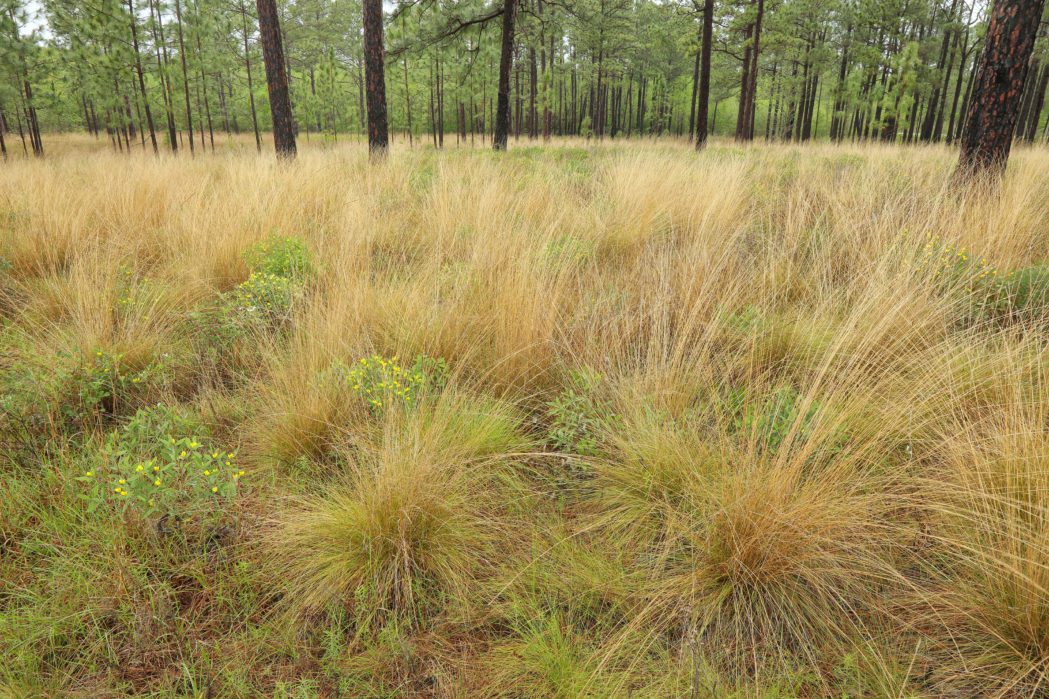
Savanna grass has a fine texture and a bright green color. It grows in bunches and spreads slowly through tillers. This grass handles drought well and recovers quickly from stress.
It prefers full sun but can tolerate some shade. The grass stays green longer into the cooler months compared to other warm-season grasses.
Benefits Of Planting Savanna Grass
Savanna grass uses less water than many traditional grasses. It reduces soil erosion and improves yard appearance. This grass type also requires less fertilizer and mowing.
It withstands heat and heavy foot traffic, making it perfect for busy yards. Savanna grass plugs establish quickly, saving time and effort for homeowners.
Credit: www.flawildflowers.org
Climate Factors In Central Florida
Central Florida’s climate plays a key role in the success of planting Savanna grass plugs. Understanding temperature, rainfall, and frost patterns helps choose the best planting time. These factors affect grass growth and root development.
Knowing the local climate ensures your grass plugs establish well and thrive.
Temperature Patterns
Central Florida has warm temperatures most of the year. Summers are hot, often above 90°F. Winters are mild, rarely dropping below 50°F. This warmth supports fast grass growth during spring and summer. Cooler temperatures in winter slow growth but do not kill the grass.
Rainfall And Humidity
Rainfall in Central Florida is seasonal, with wet summers and drier winters. Summer rains help keep grass plugs moist for better root growth. High humidity levels also support healthy grass development. However, too much rain can cause waterlogging, so well-drained soil is important.
Frost Dates And Growing Season
Frost is rare in Central Florida but can occur from December to February. The growing season lasts about 10 months, starting in early spring. Planting Savanna grass plugs after the last frost allows roots to establish before cooler weather. Avoid planting too close to frost dates to protect young grass.
Optimal Planting Windows
Choosing the right time to plant Savanna grass plugs in Central Florida boosts success. The climate here allows for specific planting windows that help the grass establish strong roots. Planting during these times reduces stress and speeds growth. Understanding these windows helps you plan your lawn care better.
Spring Planting Benefits
Spring is a prime time to plant Savanna grass plugs. The soil warms up, helping roots grow quickly. Daylight increases, giving the grass more energy to develop. Planting in spring lets the grass grow through the warm months. This leads to a thicker, healthier lawn by fall.
Spring planting also avoids frost risk since temperatures rise steadily. The grass has time to recover from planting stress before summer heat. Watering is easier as rain is more common in spring. This natural moisture supports young plugs without extra effort.
Fall Planting Advantages
Fall offers cool temperatures and less heat stress for new plugs. The soil remains warm, encouraging root growth even as air temperatures drop. This helps the grass develop a strong root system before winter. Fall planting means less watering as humidity increases.
Cooler weather reduces pests and diseases, improving plug survival. The grass rests during winter but builds roots under the soil. Come spring, the grass grows faster and spreads well. Fall planting is ideal for those who want early spring green lawns.
Avoiding Winter And Summer Extremes
Avoid planting Savanna grass plugs during Central Florida’s hot summers. High temperatures cause heat stress and dry out new plugs. Summer planting demands frequent watering and careful care to survive. Winter planting risks frost damage and slowed root growth.
Soil can become too cold in winter, hindering root development. Frost can kill young plugs before they establish. Delaying planting until after frost risks missing the growing season. Sticking to spring or fall planting windows ensures better plug health and lawn success.

Credit: wgno.com
Preparing For Planting
Preparing your site properly is essential before planting Savanna grass plugs in Central Florida. This step sets the foundation for healthy growth and strong roots. Take time to prepare the soil, select quality plugs, and find the best planting location. These actions improve the chances of your grass thriving in Florida’s climate.
Soil Preparation Tips
Test your soil to check pH and nutrient levels. Savanna grass prefers slightly acidic to neutral soil, around 6.0 to 7.0 pH. Remove weeds, rocks, and debris from the planting area. Loosen the soil to a depth of about 6 inches to help roots grow easily. Adding organic matter like compost improves soil texture and fertility. Level the soil surface for even water distribution and plug placement.
Choosing Quality Plugs
Choose plugs with healthy green blades and firm roots. Avoid plugs that look brown or wilted. Select plugs from reputable nurseries that specialize in Savanna grass. Healthy plugs establish faster and resist diseases better. Pick plugs with roots that are moist but not soggy. This helps reduce transplant shock and speeds up growth.
Site Selection And Sunlight
Pick a site with full sun exposure for at least six hours daily. Savanna grass grows best with plenty of sunlight. Avoid shaded or waterlogged areas where growth may slow. Ensure good drainage to prevent root rot. Clear the area of large debris and level the ground. A sunny, well-drained site encourages strong, dense turf development.
Planting Techniques
Planting savanna grass plugs correctly ensures strong growth and a lush lawn in Central Florida. Using the right techniques helps the plugs take root faster. Careful attention to spacing, depth, watering, and mulching is essential. Follow these tips for best results.
Spacing And Depth
Space savanna grass plugs about 6 to 12 inches apart. This distance allows grass to spread evenly without crowding. Plant each plug deep enough so the soil covers the roots completely. Avoid planting too shallow to prevent drying out. Proper depth helps roots grow deep and strong.
Watering Schedule
Water the plugs immediately after planting. Keep the soil moist but not soaked for the first two weeks. Water lightly every day or every other day in dry weather. Gradually reduce watering as the plugs grow. After a month, water deeply once or twice a week to encourage deep roots.
Mulching Recommendations
Apply a thin layer of mulch around the plugs to keep soil moist. Use organic mulch like straw or pine needles. Mulch protects the roots from heat and prevents weeds. Avoid piling mulch directly on the plugs to stop rot. Mulching helps maintain steady soil temperature and moisture.
Establishment And Growth
Planting savanna grass plugs in Central Florida requires attention to their establishment and growth. Successful growth begins with strong roots. Healthy plugs form a dense, green lawn. Proper care during early stages helps avoid issues later. Understanding how savanna grass develops is key to a thriving lawn.
Root Development Timeline
Savanna grass plugs start developing roots soon after planting. Within two weeks, roots begin to spread into the soil. By four to six weeks, the root system strengthens. Strong roots anchor the grass and help it absorb water and nutrients. Avoid heavy foot traffic during this period to protect the roots.
Filling In Bare Spots
New plugs may take time to cover bare areas fully. Grass blades grow first, then spread horizontally. This process can take two to three months. Regular watering supports faster growth. Avoid cutting the grass too short early on. Patience ensures a thick, even lawn without gaps.
Managing Weeds And Pests
Young savanna grass is vulnerable to weeds and pests. Remove weeds by hand to reduce competition. Use mulch around plugs to suppress weed growth. Inspect grass regularly for insects or damage. Treat pest problems early with safe, suitable methods. Healthy grass resists pests better and grows stronger.
Maintenance Tips
Maintaining Savanna grass plugs in Central Florida requires regular care to keep them healthy and vibrant. Proper maintenance helps grass establish strong roots and resist stress from weather. Focus on fertilization, mowing, and managing drought and heat conditions. These tips ensure your lawn thrives throughout the seasons.
Fertilization Schedule
Feed Savanna grass plugs with fertilizer every 6 to 8 weeks. Use a balanced fertilizer with nitrogen, phosphorus, and potassium. Apply in early spring and late summer for best growth. Avoid over-fertilizing, which can harm the grass. Always water after fertilizing to help nutrients soak into the soil.
Mowing Practices
Keep Savanna grass at a height of 2 to 3 inches. Mow regularly to prevent weeds from taking over. Use a sharp mower blade to avoid tearing the grass. Do not cut more than one-third of the grass blade at a time. Leave grass clippings on the lawn to return nutrients to the soil.
Dealing With Drought And Heat
Savanna grass tolerates heat but needs water during dry spells. Water deeply once or twice a week instead of light, frequent watering. Early morning watering reduces evaporation. Mulch around plugs to keep soil moist and cool. Watch for signs of stress like browning or wilting and adjust care accordingly.
Common Challenges
Planting Savanna grass plugs in Central Florida offers many benefits. Still, gardeners face common challenges that affect growth and survival. Understanding these issues helps ensure healthy lawns and reduces setbacks. Here are key challenges to consider during planting and early growth.
Winter Injury Risks
Central Florida winters can sometimes be colder than expected. Savanna grass plugs are sensitive to frost and freezing temperatures. Cold snaps may damage or kill young plugs. Planting too late in the fall increases this risk. It is best to plant early enough for roots to establish before winter. Protecting plugs with mulch can reduce cold injury.
Soil And Drainage Issues
Savanna grass prefers well-drained soils. Heavy clay or poorly drained areas cause water to pool around plugs. This can lead to root rot and stunt growth. Sandy soils drain well but may need added organic matter. Testing soil before planting helps identify drainage problems. Amending soil improves plug survival and promotes strong roots.
Preventing Disease
Young Savanna grass plugs are vulnerable to fungal diseases. Overwatering and poor air circulation increase disease risk. Using clean tools and healthy plugs reduces contamination. Watering early in the day lets grass dry before nightfall. Removing dead leaves and debris helps keep the lawn healthy. Early disease control saves time and effort later.
Regional Variations
Planting Savanna grass plugs in Central Florida requires understanding regional differences. The climate changes slightly across the region. These small changes affect the best planting times and care methods. Paying attention to local conditions helps ensure healthy, strong grass growth.
Central Florida Microclimates
Central Florida has many microclimates. Some areas are warmer or cooler than others. Temperature shifts affect when to plant Savanna grass plugs. Warmer spots allow earlier planting in spring. Cooler spots need planting delayed until frost risk passes. Soil moisture also varies, influencing water needs after planting.
Microclimates can cause uneven growth if not considered. Matching planting time to local conditions boosts plug survival. Gardeners should observe their specific neighborhood climate. Adjust planting schedules based on recent weather patterns. This approach helps plugs establish roots well and grow strong.
Adapting To Coastal Vs Inland Areas
Coastal areas in Central Florida have higher humidity and salt exposure. These conditions require more salt-tolerant grass varieties and careful watering. Plant Savanna grass plugs later in coastal zones. This timing avoids stress from early dry spells or salt spray.
Inland areas are drier and have wider temperature swings. Plant plugs earlier here to use the growing season fully. Inland soils may need more frequent watering at first. Adapting planting strategies to coastal or inland differences improves plug health and lawn success.
Frequently Asked Questions
Can You Plant Zoysia Plugs In The Fall?
Yes, you can plant zoysia plugs in fall. Plant early enough for roots to establish before freezing. Cooler temperatures reduce watering needs. Avoid late fall planting in cold regions to prevent winter damage. Fall planting promotes stronger spring growth.
Is October 1 Too Late To Plant Grass Seed?
October 1 can be late to plant grass seed, especially in colder climates. Planting earlier ensures better root establishment before frost. In mild regions, late planting might still work but requires extra care and watering. Aim to seed when soil temperatures stay above 50°F for best results.
How Long Does It Take For Zoysia Plugs To Establish?
Zoysia plugs typically take 8 to 12 weeks to establish roots and start spreading. Full lawn coverage may require one to two growing seasons. Planting in spring or early summer speeds establishment. Proper watering and sunlight also promote faster growth and healthy turf development.
How To Prepare Ground For Grass Plugs?
Clear the area of debris and weeds. Loosen soil to a 4-6 inch depth. Add organic compost and level the ground. Water thoroughly before planting plugs.
Conclusion
Savanna grass plugs grow best in Central Florida during spring and early summer. Plant after the last frost to help roots develop well. This timing lets the grass spread before cooler weather arrives. Avoid planting too late to prevent weak roots and winter damage.
Proper planting ensures a healthy, green lawn all year. Start planting at the right time for strong, lasting growth.