Are you ready to transform your yard with a lush, green lawn that stands out in South Florida? Knowing the best time to plant sod can make all the difference between a patchy lawn and a thriving carpet of grass.
South Florida’s unique climate means timing is everything when it comes to laying sod. Plant it too early or too late, and you might struggle with poor growth, pests, or fungal problems. But if you choose the right season and follow a few simple tips, your new lawn will establish quickly and stay healthy year-round.
Keep reading to discover exactly when and how you should plant sod in South Florida to get the best results for your home.
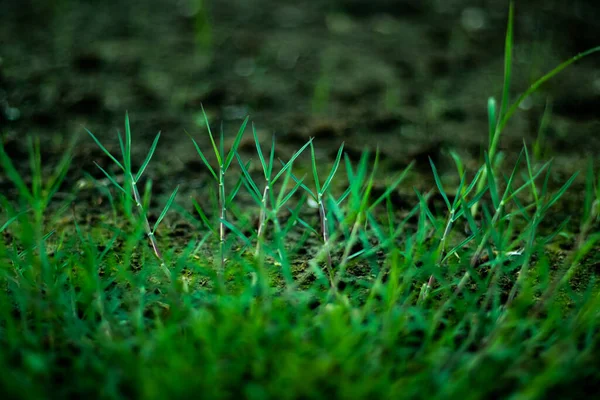
Credit: theturfgrassgroup.com
Best Months For Sod Planting
Choosing the best months for sod planting in South Florida improves the chances of a lush, green lawn. Timing affects how well the grass establishes roots and withstands heat or cold. South Florida’s warm climate allows planting almost year-round with the right care. Still, some months offer clear advantages for sod growth and maintenance. Understanding the benefits and challenges of each season guides you to pick the ideal planting window.
Spring Benefits And Tips
Spring offers mild temperatures and natural rainfall. These conditions help sod roots grow strong before summer heat. Water the sod enough but avoid soaking the soil. Keep an eye on new sod for pests or diseases. Planting in spring reduces stress on the grass and speeds up establishment. This season is perfect for most grass types common in South Florida.
Fall Advantages And Care
Fall brings cooler temperatures that favor root development. The sod has time to settle before winter arrives. Root growth slows during colder months but continues underground. Water less often than in summer, but keep the soil moist. Fall planting helps the lawn survive the hot summer that follows. It is a great time for St. Augustine grass and other heat-tolerant varieties.
Summer Planting Challenges
Summer heat in South Florida can stress new sod. High temperatures increase water needs and the risk of fungal diseases. Planting in summer requires frequent watering, sometimes daily. Avoid laying sod during the hottest part of the day. Use shade or mulch to protect young grass. Though possible, summer planting demands extra care and attention to succeed.
Winter Sod Planting
Winter in South Florida is mild compared to other regions. This season reduces bugs, diseases, and heat stress on sod. Root growth slows but continues beneath the soil surface. Water sod regularly to keep roots moist during dry spells. Top growth will be minimal but will improve as temperatures rise. Winter planting suits those who want a lawn ready for spring growth.
Grass Types And Timing
Choosing the right grass type and planting time is vital for a healthy lawn in South Florida. Different grasses thrive under specific conditions and seasons. Planting sod at the correct time helps grass establish strong roots and resist heat and pests. Understanding the ideal planting window for popular grass types like Zoysia and St. Augustine improves your chances of success.
Zoysia Planting Window
Zoysia grass grows best in warm weather. The prime time to plant Zoysia sod in South Florida is from March to October. During these months, soil temperatures support root growth. Early spring planting helps the grass establish before the summer heat. Fall planting is also possible but may slow root development as temperatures drop. Water new Zoysia sod regularly to keep it moist and encourage strong roots.
St. Augustine Ideal Period
St. Augustine thrives in mild weather and prefers cooler months for planting. The best time to lay St. Augustine sod is from October to May in South Florida. Planting in fall allows roots to grow before the hot summer arrives. Winter planting also works well since the grass can establish during dormancy without heat stress. Keep the soil moist and avoid overwatering to prevent fungal issues.
Watering And Maintenance
Watering and maintenance play a vital role in the success of newly planted sod in South Florida. Proper care ensures the grass establishes strong roots and grows lush and green. Early attention to watering and upkeep can prevent many common problems.
Proper Watering Techniques
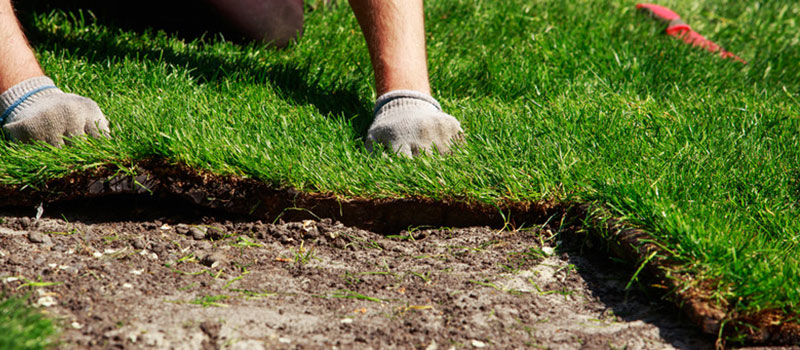
Water sod immediately after installation. Keep the soil moist but not soaked. Water lightly several times a day for the first two weeks. Gradually reduce frequency as roots grow deeper. Early morning watering is best to reduce evaporation. Avoid watering late at night to prevent disease.
Preventing Fungal Growth
South Florida’s warm, humid climate encourages fungi. Avoid overwatering and poor drainage to reduce fungal risks. Water in the morning to let grass dry during the day. Remove debris and mow regularly to improve air flow. Treat any signs of fungal growth with appropriate fungicides quickly.
Encouraging Deep Root Growth
Deep roots make sod more drought-resistant. After the first few weeks, water less often but more deeply. This encourages roots to grow downward. Mow regularly but never cut more than one-third of the grass blade. Aerate the soil to improve oxygen flow to roots. Healthy roots lead to a stronger, greener lawn.
Credit: www.lakejemfarms.com
Location-specific Considerations
Planting sod in South Florida needs attention to location-specific factors. The climate, soil type, and sun exposure vary across the region. These differences affect how well new sod will take root and grow. Understanding these local elements helps you choose the best planting time and sod type.
Climate Variations Across South Florida
South Florida has a tropical climate but varies from coastal to inland areas. Coastal zones often have more humidity and salt exposure. Inland zones face higher temperatures and less humidity. These conditions impact sod growth and watering needs. Coastal areas may need salt-tolerant grass types. Inland areas require drought-resistant varieties.
Soil Conditions In Different Locations
Soil type changes from sandy near the coast to clay or loam further inland. Sandy soil drains quickly but holds fewer nutrients. Clay soil retains water but may cause root rot if overwatered. Testing your soil helps determine the right sod and watering routine. Amending soil with organic matter can improve sod establishment.
Sunlight Exposure And Shade Patterns
Sun exposure varies with tree cover and nearby buildings. Full sun areas dry out faster and need more water. Shaded spots slow sod growth and may require shade-tolerant grass. Observe your yard’s sunlight pattern before planting. Adjust sod choice and care to match light levels.
Water Availability And Irrigation
Water supply differs by neighborhood and property. Some areas have strict watering rules during dry seasons. Proper irrigation is key for sod survival, especially just after planting. Use drip irrigation or sprinklers to keep soil moist but not soaked. Monitor rainfall and adjust watering accordingly.
Common Questions
Many homeowners in South Florida have questions about the best time to plant sod. Understanding the timing helps the grass grow strong and healthy. Below are answers to common questions that can guide your sod planting decisions.
Is October Too Late To Plant Sod?
October is a good month for planting sod in South Florida. The weather cools down, which helps sod establish roots. The soil stays warm enough for growth. Planting in October lets roots develop before summer heat returns. Watering is easier with less evaporation. October is not too late but a smart choice.
Year-round Planting Viability
South Florida’s climate allows sod planting all year. Warm temperatures help grass grow even in winter. Extra care is needed in summer to avoid heat stress. Frequent watering prevents sod from drying out. Watch for fungal problems in rainy months. With attention, sod can take root any season here.
Credit: www.groundsource.pro
Frequently Asked Questions
What Is The Best Month To Plant Sod In Florida?
The best months to plant sod in Florida are spring and fall. These seasons offer mild temperatures and optimal moisture for root growth. In South Florida, sod can also be planted year-round with careful watering and maintenance to prevent heat stress and fungal issues.
Is October Too Late To Lay Sod?
October is a good time to lay sod in many regions. Cooler temperatures help root growth before winter. Water regularly to support establishment.
How Long Does It Take Sod To Root In Florida?
Sod roots in Florida typically develop within 10 to 21 days. Warmer spring and fall seasons speed root growth. Consistent watering promotes healthy establishment.
Can I Just Lay Sod Over Dirt?
You can lay sod directly over dirt if the soil is loose, free of debris, and properly graded. Prepare soil by removing rocks and weeds, then loosen it for better root growth and water absorption before installing sod.
Conclusion
Choosing the right time to plant sod in South Florida makes a big difference. Spring and fall offer mild weather that helps roots grow strong. Summer requires extra care to keep the sod hydrated and healthy. Winter can work too, with less heat stress and fewer pests.
Remember to water your new lawn regularly, no matter the season. Knowing your grass type and local climate helps your lawn thrive. Patience and proper care lead to a lush, green yard you can enjoy all year. Start planting at the best time for lasting results.