Knowing the best time to plant trees in Central Florida is crucial for their successful establishment and growth. This comprehensive guide explores the optimal planting seasons, considering the region’s unique climate and specific tree types, to ensure your landscaping efforts thrive.

Introduction: Giving Your Trees a Strong Start in the Sunshine State
Central Florida, known for its warm, humid subtropical climate, presents specific challenges and opportunities for planting trees. Unlike more temperate regions with distinct four-season cycles, Central Florida experiences two primary seasons: a hot, wet summer and a mild, dry winter. Understanding these conditions is essential for choosing the right planting time and setting your trees up for a long, healthy life. Planting at the right time allows the trees to establish a strong root system before facing the stresses of extreme heat or potential frost.
Why Planting Time Matters in Central Florida
Proper timing significantly impacts a tree’s survival and long-term health. Planting during the optimal window minimizes transplant shock and maximizes root development. This gives your tree a head start and allows it to adapt to the Central Florida environment more effectively.
The Best Time to Plant Trees in Central Florida: A Seasonal Breakdown
Late Fall and Winter (October – March): This is generally considered the best time to plant trees in Central Florida. The cooler temperatures, reduced rainfall, and lower humidity create ideal conditions for root establishment. The milder weather allows the trees to focus their energy on root growth before the intense summer heat arrives.
Benefits: Reduced transplant shock, optimal root development, less frequent watering needs.
Considerations: Monitor for occasional frost, especially with young or sensitive species; ensure adequate watering during dry periods.
Spring (March – May): While planting is possible in spring, it becomes progressively more challenging as temperatures rise. If planting in spring, prioritize early planting and choose drought-tolerant species.
Benefits: Enjoy the beauty of new growth as spring arrives.
Considerations: Increased watering needs due to rising temperatures and less rainfall; monitor for pests and diseases as they become more active.
Summer (June – September): Planting during the hot, wet summer months is generally not recommended. The intense heat, humidity, and heavy rainfall can stress newly planted trees, increasing the risk of disease and transplant shock. However, if absolutely necessary, take extra precautions.
Benefits: Potentially faster initial growth due to warmer temperatures (with significant extra care).
Considerations: High risk of transplant shock and disease; requires frequent and deep watering; provide shade to young trees during the hottest parts of the day.
Choosing the Right Tree for Central Florida
Selecting appropriate tree species is as crucial as timing. Consider these factors when choosing trees for your Central Florida landscape:
Drought Tolerance: Opt for drought-tolerant species to withstand dry periods and conserve water. Examples include live oak, crape myrtle, and Southern magnolia.
Salt Tolerance: If planting near the coast, choose salt-tolerant varieties like seagrape and buttonwood.
Size and Shape: Consider the mature size and shape of the tree to ensure it fits your space and doesn’t interfere with power lines or structures.
Native Species: Planting native trees supports the local ecosystem and often requires less maintenance.
Preparing for Planting: Essential Steps for Success
1. Choose a Suitable Location: Consider sunlight requirements, soil drainage, and proximity to structures.
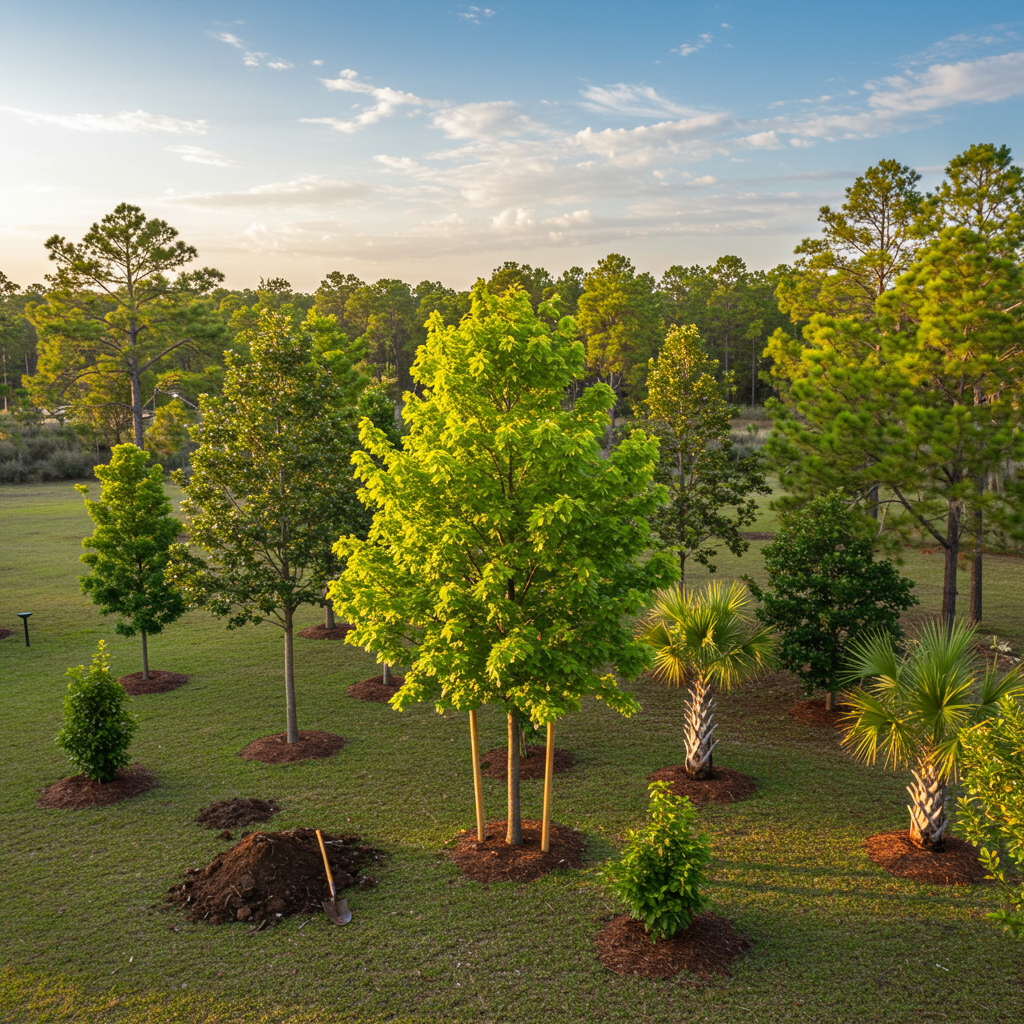
2. Prepare the Planting Hole: Dig a hole twice as wide and slightly shallower than the root ball.
3. Amend the Soil (if necessary): Central Florida often has sandy soil. Amending with compost or other organic matter can improve soil structure and fertility.
4. Plant the Tree: Carefully remove the tree from its container, place it in the hole, and backfill with soil.
5. Water Thoroughly: Soak the root zone deeply after planting to eliminate air pockets and encourage root establishment.
6. Mulch: Apply a layer of mulch around the tree (but not touching the trunk) to retain moisture, suppress weeds, and regulate soil temperature.
FAQs: Addressing Common Planting Concerns
Q: Can I plant trees in Central Florida during the rainy season?
A: While summer brings rain, it’s generally best to avoid planting during the hottest, wettest months due to the increased risk of disease and transplant shock.
Q: What are some good native trees to plant in Central Florida?
A: Excellent choices include live oak, bald cypress, red maple, and Southern magnolia.
Q: How often should I water newly planted trees?
A: Water deeply and frequently for the first few weeks, especially if there’s little rainfall. Gradually reduce watering frequency as the tree establishes its roots.
Q: How can I protect my trees from frost?
A: Cover young or sensitive trees with blankets or burlap during periods of frost. You can also use Christmas lights strung through the branches to provide some warmth.
Q: Do I need to fertilize newly planted trees?
A: Generally, it’s best to avoid fertilizing newly planted trees until they show signs of new growth. Over-fertilizing can damage young roots.
Maintaining Your Trees: Long-Term Care Tips
Once established, ongoing care is essential for your trees’ health and longevity:
Regular Watering: During dry periods, provide supplemental watering, especially during the first few years.
Pruning: Prune to remove dead, damaged, or crossing branches and to shape the tree as needed.
Fertilizing: Once established, fertilize annually with a balanced fertilizer formulated for trees.
* Pest and Disease Monitoring: Regularly inspect your trees for signs of pests or diseases and take appropriate action if necessary.
Conclusion: Investing in a Thriving Landscape
Choosing the best time to plant trees in Central Florida, coupled with careful species selection and proper planting techniques, sets the stage for a healthy and vibrant landscape. By understanding the region’s unique climate and following the guidelines outlined in this guide, you can ensure your trees flourish for years to come, adding beauty and value to your property while contributing to a greener Central Florida.