If you want to add a lush, fragrant, and fast-growing hedge to your Southern Florida garden, Sweet Viburnum is an excellent choice. But planting it the right way can make all the difference between a struggling shrub and a thriving, beautiful hedge.
Are you ready to learn the best way to plant Sweet Viburnum so it flourishes in Southern Florida’s unique climate? In this guide, you’ll discover simple, practical steps to ensure your Viburnum grows healthy and strong, giving your garden the privacy and charm you desire.
Keep reading to unlock easy tips that will help you transform your outdoor space with this versatile shrub.

Credit: www.wilsonbrosgardens.com
Choosing The Right Location
Choosing the right location is crucial for planting Sweet Viburnum in Southern Florida. This shrub thrives best in spots that meet its sunlight, soil, and space needs. Picking the perfect spot ensures healthy growth and vibrant leaves. Consider these factors carefully before planting your Sweet Viburnum.
Sunlight Requirements
Sweet Viburnum prefers full sun to partial shade. It needs at least four to six hours of sunlight daily. Too much shade can make the plant grow weak and sparse. Morning sun with afternoon shade is ideal in hot Florida climates. This balance helps the shrub stay healthy and bloom well.
Soil Conditions
The soil should be well-draining and rich in organic matter. Sweet Viburnum does not like standing water around its roots. Sandy or loamy soil works best in Southern Florida. Adding compost improves soil fertility and texture. Proper soil supports strong root growth and better flowering.
Spacing From Structures
Plant Sweet Viburnum at least 5 to 6 feet away from buildings or fences. This space allows the shrub to grow freely without crowding. Good air circulation reduces disease risks. Leave enough room for pruning and maintenance. Proper spacing also helps the plant’s roots spread without obstruction.
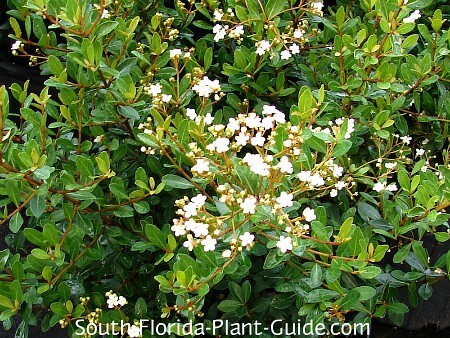
Credit: www.south-florida-plant-guide.com
Ideal Planting Time In Southern Florida
Choosing the ideal planting time for Sweet Viburnum in Southern Florida is key to healthy growth. The region’s warm climate allows flexibility, but timing affects root development and plant strength. Fall and spring are the two best seasons to plant Sweet Viburnum. Each season has unique advantages for your garden.
Benefits Of Fall Planting
Fall planting helps Sweet Viburnum develop strong roots before hot summer arrives. Cooler temperatures reduce stress on new plants. Soil stays warm longer, encouraging root growth. Plants become well-established and ready for spring growth. Fall planting also reduces the need for frequent watering. Mulching in fall protects roots from temperature swings. Overall, fall offers a calm start for Sweet Viburnum.
Spring Planting Considerations
Spring planting is also suitable in Southern Florida’s climate. It allows plants to take advantage of the full growing season. New plants need careful watering as temperatures rise. Plant in early spring to avoid the hottest months. Choose a site with partial shade to prevent leaf scorch. Spring-planted Viburnum may grow faster initially. Regular care helps them adapt well to the environment.
Preparing The Planting Site
Preparing the planting site is the first step to growing healthy Sweet Viburnum in Southern Florida. This process ensures the plant receives the right nutrients and conditions to thrive. Proper preparation helps the shrub develop strong roots and resist local pests and diseases.
Soil Preparation Tips
Start by testing the soil pH. Sweet Viburnum prefers slightly acidic to neutral soil, around 6.0 to 7.0. Remove any weeds, rocks, and debris from the area. Loosen the soil to a depth of 12 to 15 inches. This helps the roots spread easily and access nutrients. Avoid compacted soil as it restricts root growth.
Amending With Organic Matter
Add organic matter like compost or aged manure to the soil. This improves soil fertility and texture. Mix it well with the native soil to create a rich planting bed. Organic matter increases moisture retention and provides essential nutrients. It also supports beneficial soil organisms that help the plant grow.
Ensuring Proper Drainage
Sweet Viburnum needs soil that drains well. Poor drainage causes root rot and weak plants. Check the site for standing water after rain. If water pools, consider raising the planting bed or choosing a different location. You can add sand or fine gravel to improve drainage. Proper drainage keeps the roots healthy and promotes steady growth.
Planting Sweet Viburnum
Planting Sweet Viburnum in Southern Florida requires care and attention to ensure healthy growth. This shrub thrives in warm climates and can add beauty and privacy to your garden. Proper planting techniques help the plant establish strong roots and flourish through the seasons.
Digging The Hole
Start by digging a hole wider than the root ball. The hole should be about twice the width of the root ball. This allows the roots to spread easily. The depth should match the height of the root ball to avoid planting too deep or shallow.
Handling The Root Ball
Remove the plant carefully from its container. Gently loosen the roots if they are tightly bound. This encourages new root growth. Avoid breaking or damaging the roots during this process. Handle the root ball with care to keep it intact.
Planting Depth And Width
Place the Sweet Viburnum in the hole at the same depth it grew in the pot. The top of the root ball should be level with the ground. Fill the hole with soil, pressing gently to remove air pockets. Leave enough space around the plant for air and water to circulate.
Watering And Mulching
Proper watering and mulching are key for planting Sweet Viburnum in Southern Florida. They help the plant grow strong roots and stay healthy. Southern Florida’s warm climate means careful water and mulch use keeps the soil just right. This section explains how to water and mulch Sweet Viburnum for best results.
Initial Watering Techniques
Right after planting, water Sweet Viburnum deeply. Soak the soil around the roots to remove air pockets. Use a slow, steady flow of water for better absorption. Avoid flooding; too much water can harm young roots. Water the plant every day for the first week. Then reduce to every other day for the next two weeks. This helps the shrub adjust to its new soil and climate.
Mulch Application Tips
Apply mulch around Sweet Viburnum to keep soil moist and cool. Use organic mulch like pine bark or wood chips. Spread a 2 to 3-inch layer around the base, but keep mulch 2 to 3 inches away from the stem. This prevents rot and pests. Mulching also stops weeds from growing near the plant. Replace mulch yearly to keep it fresh and effective.
Maintaining Moisture Levels
Keep soil moist but not soggy. Check soil by touching it; it should feel damp, not wet. Water more during dry, hot spells in Southern Florida. Use drip irrigation or soaker hoses for gentle watering. Avoid watering leaves to reduce disease risk. Consistent moisture helps Sweet Viburnum develop a strong root system and vibrant foliage.
Spacing Guidelines
Proper spacing is vital when planting Sweet Viburnum in Southern Florida. It helps the plants grow healthy and look beautiful. Correct spacing prevents overcrowding and allows air to flow freely. This reduces disease risk and supports strong growth. Follow these spacing guidelines to get the best results from your Sweet Viburnum.
Distance From Property Lines
Plant Sweet Viburnum at least 3 to 5 feet away from property lines. This distance avoids root intrusion and protects fences or walls. It also gives the shrub enough room to grow without causing damage. Keep plants away from underground utilities or irrigation lines.
Spacing For Privacy Hedges
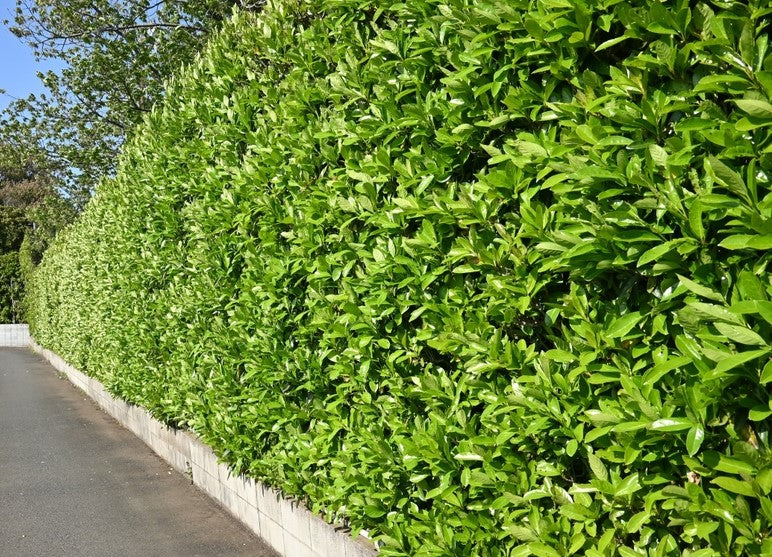
For privacy hedges, space Sweet Viburnum plants about 4 to 6 feet apart. This allows the bushes to fill in quickly and form a dense screen. The spacing ensures sunlight reaches each plant, promoting healthy leaves and branches. Tight spacing can cause poor air circulation and weak plants.
Managing Growth Spread
Sweet Viburnum can grow wide, so manage its spread carefully. Prune regularly to keep the shape and size under control. Leave enough space for branches to grow outward without crowding neighbors. Proper spacing reduces the need for heavy pruning and keeps your garden neat.
Caring For Sweet Viburnum After Planting
After planting Sweet Viburnum in Southern Florida, proper care ensures strong growth and vibrant foliage. Caring for this shrub involves consistent watering, timely fertilizing, and careful pruning. These steps help the plant adapt to the local climate and thrive in your garden.
Watering Schedule
Water Sweet Viburnum deeply after planting. Keep the soil moist but not soggy. Water the plant two to three times a week for the first month. Reduce watering frequency as the plant establishes roots. In dry periods, increase watering to prevent stress. Morning watering is best to reduce evaporation.
Fertilizing Recommendations
Use a balanced fertilizer with equal parts nitrogen, phosphorus, and potassium. Apply fertilizer three times a year: early spring, mid-summer, and early fall. Spread fertilizer evenly around the base, avoiding direct contact with stems. Water the soil after fertilizing to help nutrients absorb. Organic options like compost or manure also work well for Sweet Viburnum.
Pruning Tips For Shape And Health
Prune Sweet Viburnum to maintain shape and remove dead branches. The best time to prune is late winter or early spring before new growth starts. Use clean, sharp tools to make cuts at a slight angle. Remove any crossing branches to improve air circulation. Regular pruning encourages dense growth and prevents disease.
Common Challenges And Solutions
Growing Sweet Viburnum in Southern Florida presents unique challenges. Warm climate and local conditions can affect plant health. Understanding these challenges helps you keep your Viburnum thriving. Below are common issues and practical solutions.
Pests To Watch For
Sweet Viburnum attracts pests like aphids and spider mites. These insects suck sap and weaken the plant. Look for yellowing leaves and sticky residue. Use insecticidal soap or neem oil to control infestations. Regularly inspect your plants to catch pests early. Natural predators like ladybugs also help reduce pest numbers.
Disease Prevention
Fungal diseases can affect Sweet Viburnum in humid areas. Leaf spot and powdery mildew are common problems. Ensure good air circulation by spacing plants properly. Avoid overhead watering to keep leaves dry. Remove affected leaves promptly to stop spread. Applying a fungicide can protect plants during wet seasons.
Dealing With Heat Stress
Southern Florida’s heat can stress Sweet Viburnum. Wilting leaves and slowed growth signal heat stress. Provide afternoon shade to reduce sun exposure. Mulch around roots to keep soil cool and moist. Water deeply but avoid waterlogging the soil. Choose planting sites with partial shade for better heat tolerance.
Credit: plantittampabay.com
Frequently Asked Questions
How Far Apart Should I Plant Sweet Viburnum In Florida?
Plant Sweet Viburnum shrubs 6 to 10 feet apart in Florida to allow full growth and proper air circulation.
How To Plant Sweet Viburnum?
Plant Sweet Viburnum in well-draining soil with full sun to partial shade. Dig a hole twice the root ball width. Water deeply after planting and mulch to retain moisture. Space plants 6-8 feet apart for healthy growth. Plant in early fall or spring for best root establishment.
Can I Plant Viburnum In The Fall?
Yes, plant viburnum in early fall for strong root growth before winter. Choose well-draining soil and water thoroughly after planting. Mulch to retain moisture and protect roots.
Does Sweet Viburnum Spread?
Sweet Viburnum spreads widely, reaching up to 25 feet in height and width if given enough space.
Conclusion
Planting Sweet Viburnum in Southern Florida is simple and rewarding. Choose a sunny spot with well-drained soil. Dig a hole slightly larger than the root ball. Place the plant gently and fill the hole with soil. Water the plant thoroughly to help roots settle.
Add mulch around the base to keep moisture in. Water regularly, especially during dry periods. With proper care, your Sweet Viburnum will grow healthy and strong. Enjoy the beauty and fragrance it brings to your garden. Patience and consistency make all the difference.
Happy planting!