Are you ready to transform your Florida garden into a vibrant, colorful paradise? Choosing the best wildflowers to plant in Florida can bring stunning beauty while supporting local wildlife like bees and butterflies.
But with so many options and Florida’s unique climate, it’s important to pick the right wildflowers that will thrive in your area. You’ll discover easy-to-grow, eye-catching wildflowers perfect for Florida’s diverse regions. Plus, you’ll learn the best times and simple tips to plant them successfully, so your garden flourishes year after year.
Keep reading to find the perfect wildflowers that will make your outdoor space come alive!

Credit: www.createdbynature.com
Top Wildflowers For Florida Gardens
Florida gardens thrive with vibrant wildflowers that suit the local climate. Choosing the right wildflower species ensures a colorful, low-maintenance garden. Native wildflowers also attract pollinators like bees and butterflies, boosting your garden’s health. The following wildflowers grow well in Florida and add beauty to any garden space.
Milkweed Varieties
Milkweed is essential for monarch butterflies. It grows well in Florida’s warm climate. Common types include Butterfly Milkweed and Tropical Milkweed. These plants have bright orange or yellow flowers. They provide nectar and a place for monarchs to lay eggs. Milkweed prefers full sun and well-drained soil.
Florida Greeneyes
Florida Greeneyes have small, yellow flowers with a dark center. This native wildflower blooms in spring and summer. It tolerates sandy soils and dry conditions. The plant stays low to the ground, making it good for borders. It attracts bees and butterflies, supporting local wildlife.
Goldenaster Species
Goldenaster produces bright yellow flowers that bloom in fall. It thrives in Florida’s sandy and rocky soils. This wildflower grows well in full sun or partial shade. It spreads easily, creating a golden carpet effect. Goldenaster is drought-tolerant and needs little care.
False Rosemary
False Rosemary has fragrant, needle-like leaves and pale purple flowers. It prefers dry, sandy soils and full sun. This shrub-like wildflower resists drought and heat. False Rosemary adds texture and scent to any garden. It is a favorite for butterfly gardens.
Tickseed Options
Tickseed is a popular wildflower with bright yellow petals. Coreopsis species bloom from spring to fall. They attract butterflies and other pollinators. Tickseed grows well in Florida’s sandy soils and hot sun. It is drought-resistant and easy to grow from seed.
Twinflower And Verbena
Twinflower has small, tubular blooms in purple or blue shades. Verbena offers clusters of colorful flowers. Both thrive in sunny locations with well-drained soil. These wildflowers attract hummingbirds and butterflies. They bloom for long periods, adding lasting color.
Sunflower Types
Sunflowers brighten gardens with large yellow blooms. Native types like the Woodland Sunflower grow well in Florida. These plants prefer full sun and well-drained soil. Sunflowers support bees and birds with nectar and seeds. They add height and cheer to garden beds.
Credit: thewildfloridafamily.com
Best Time To Plant Wildflowers
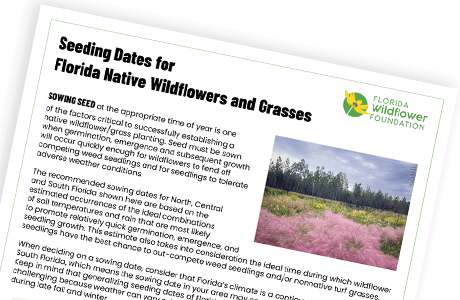
Planting wildflowers at the right time boosts growth and bloom success. In Florida, timing depends on the region’s climate. Planting in fall gives seeds a chance to establish in cooler, wetter weather. This helps seedlings grow strong and beat weeds before spring.
North Florida Planting Window
In North Florida, plant wildflower seeds from mid-September to mid-October. This period offers cooler temperatures and more rainfall. Seeds can settle well before winter arrives. Early planting here improves seedling survival and spring blooms.
Central Florida Schedule
Central Florida’s best planting time runs from mid-October to the end of December. The weather is cooler and soil remains moist longer. Seeds sown during this time grow steadily. They prepare for vibrant wildflower displays in spring.
South Florida Timing
In South Florida, plant wildflower seeds between November and January. This window avoids the hot, dry summer months. Seeds germinate better with mild temperatures and occasional rain. This timing ensures healthy growth and colorful spring flowers.
Avoiding Hot Months
Do not plant wildflower seeds during Florida’s hot summer months. High heat dries out soil too fast for seeds to sprout. Summer planting leads to poor germination and weak seedlings. Wait for cooler, wetter months to get the best results.
Preparing Your Garden For Wildflowers
Preparing your garden for wildflowers is the first step to a vibrant, colorful space. It sets the stage for healthy growth and beautiful blooms. Taking time to prepare the soil and clear the area improves seed germination and plant health. A well-prepared garden makes wildflowers thrive in Florida’s unique climate.
Soil Preparation Tips
Start by testing your soil to know its condition. Wildflowers prefer well-drained soil with moderate fertility. Avoid overly rich soil as it favors weeds over wildflowers. Add organic matter like compost to improve soil texture and nutrients. Mix it well to create a balanced growing environment.
Clearing Grass And Weeds
Remove all grass and weeds before planting wildflower seeds. They compete with wildflowers for water and nutrients. Use a hoe or garden rake to clear the area thoroughly. Pull out roots to prevent regrowth. This step helps wildflower seeds get the light and space they need.
Loosening The Soil Surface
Loosen the top layer of soil to help seeds settle and root easily. Use a rake or garden fork to break up compacted soil. Avoid digging too deep as wildflower seeds need shallow soil to sprout. A loose surface improves air circulation and water absorption for better growth.
Effective Seed Sowing Techniques
Effective seed sowing techniques improve wildflower growth and bloom success. Proper methods help seeds germinate faster and stronger. These steps are key for planting wildflowers in Florida’s unique climate. Follow simple practices to boost your garden’s wildflower potential.
Broadcasting Seeds
Broadcasting seeds spreads them evenly over the soil surface. Use your hand or a seed spreader for this task. Avoid clumping seeds in one spot to prevent overcrowding. Lightly scatter seeds across the prepared soil for best results. This method suits large or uneven areas well.
Ensuring Seed-to-soil Contact
Good seed-to-soil contact is vital for seed germination. After sowing, gently rake the area to cover seeds with a thin soil layer. This helps seeds stay moist and protected. Pressing seeds lightly into the soil also works. Avoid burying seeds too deep, as this can stop growth.
Watering After Planting
Water seeds immediately after sowing to moisten the soil. Use a gentle spray or light watering can to avoid washing seeds away. Keep the soil consistently damp until seedlings appear. Avoid overwatering, which can cause seeds to rot. Proper watering supports steady seedling growth.
Regional Planting Considerations
Planting wildflowers in Florida requires attention to regional factors. Florida’s climate varies from north to south. This affects which wildflowers thrive best in each area. Understanding these regional planting considerations helps gardeners pick the right species. It also improves growth success and bloom quality.
Soil type, rainfall, and temperature all change across zones. Gardeners should plan planting times and species based on their location. Local conditions can create challenges or opportunities for wildflower growth. Paying attention to these details ensures a healthy, vibrant wildflower garden.
Adjusting For Climate Zones
Florida has multiple climate zones. North Florida is cooler with more seasonal change. South Florida stays warm year-round with higher humidity. Central Florida falls in between these extremes.
Choose wildflowers adapted to your zone’s temperature and rainfall. North Florida plants handle cooler winters well. South Florida plants tolerate heat and humidity better. Central Florida wildflowers need moderate climate tolerance. Planting native species from your zone increases survival chances.
Microclimate Effects
Microclimates exist within Florida’s regions. Shade from trees, wind patterns, and soil drainage affect wildflower growth. A sunny, dry spot differs greatly from a shaded, moist area nearby.
Identify microclimates in your yard before planting. Some wildflowers prefer full sun, others need partial shade. Soil moisture levels also guide species choice. Adjust planting locations based on these small-scale climate differences. Microclimate awareness helps create thriving wildflower patches in diverse conditions.
Credit: www.flawildflowers.org
Common Challenges And Solutions
Planting wildflowers in Florida offers beauty and supports local wildlife. Yet, challenges arise that can affect your success. Understanding common problems helps you grow vibrant wildflower gardens. Solutions focus on managing grass, ensuring seeds sprout, and controlling soil moisture. These steps increase your chances for a healthy, colorful display.
Competing Grass And Weeds
Grass and weeds compete for sunlight, water, and nutrients. They can quickly take over young wildflowers. Mow the area low before planting to reduce grass. Remove dead grass and clippings to expose bare soil. Use a rake to loosen the soil surface. This helps seeds contact the soil and grow better. Regularly check for weeds and pull them out early. Mulching lightly around wildflowers can help suppress weed growth.
Seed Germination Issues
Seeds may fail to sprout due to poor soil contact or harsh conditions. Spread seeds evenly and rake them lightly into the soil. Avoid planting too deep, as wildflower seeds need light to germinate. Plant during cooler months, usually fall, to avoid heat stress. Water gently but keep soil moist until seedlings appear. Avoid heavy watering that can wash seeds away. Patience is key; some seeds take longer to germinate.
Managing Soil Moisture
Soil moisture is vital for seed growth. Too dry soil stops seeds from sprouting. Too much water can cause rot or wash seeds away. Water regularly but avoid puddles. Early morning watering is best to reduce evaporation. Use mulch to keep soil moist during dry periods. Monitor weather and adjust watering to match rainfall. Healthy soil retains moisture but drains excess water well.
Wildflowers For Continuous Blooms
Creating a garden full of wildflowers that bloom all year brings constant beauty to your Florida yard. Continuous blooms attract pollinators and provide lasting color. Choosing the right wildflowers helps maintain this vibrant display through multiple seasons. Planning for a sequence of blossoms ensures your garden never looks bare.
Selecting Species For Extended Flowering
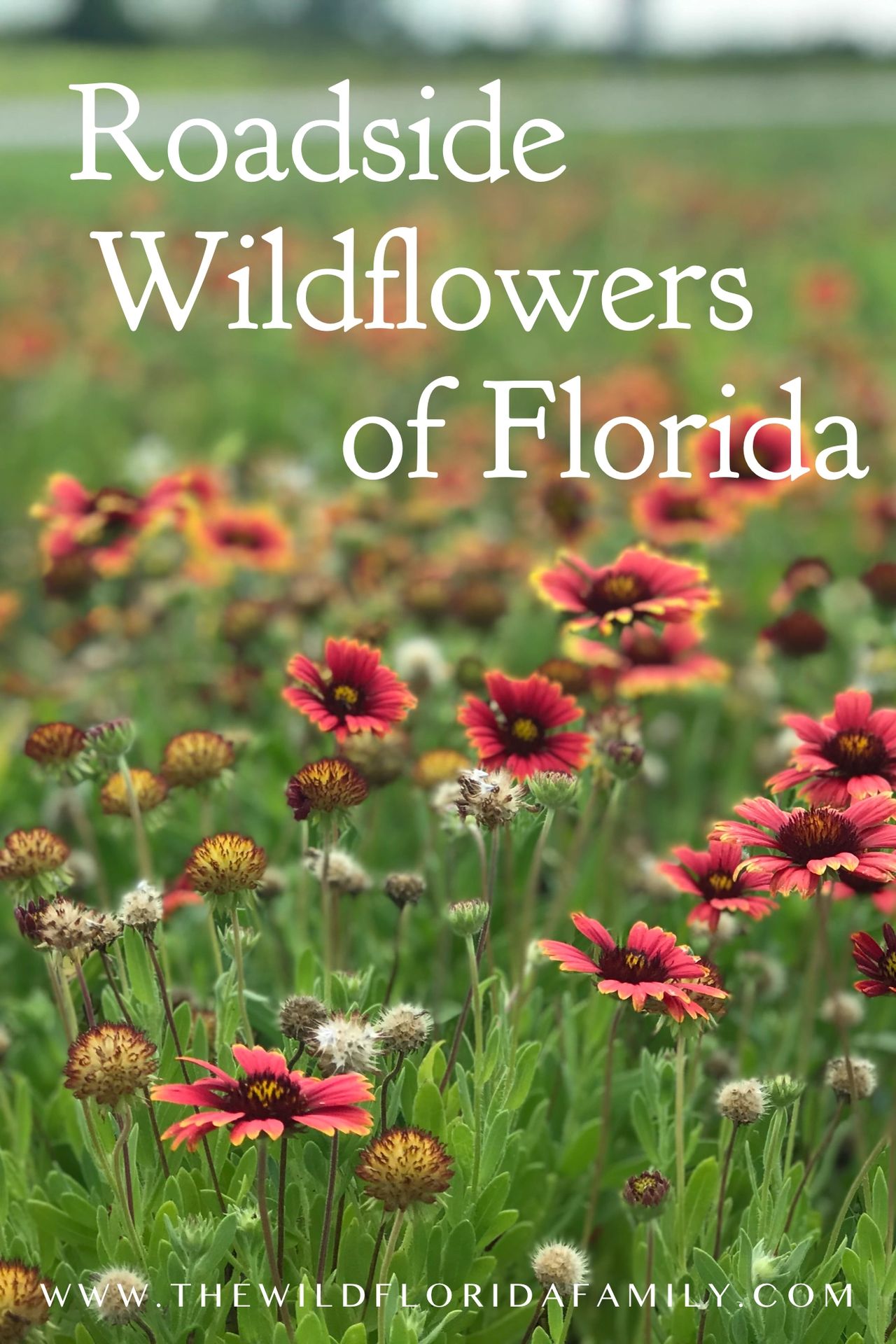
Pick wildflowers that bloom at different times of the year. Early bloomers like Coreopsis start in spring. Follow with summer flowers such as Blanketflower. End the season with fall bloomers like Goldenrod. This mix keeps colors fresh over many months. Choose native species suited for Florida’s climate. They need less care and resist pests well.
Combining Wildflowers For Color Variety
Mix wildflowers with diverse colors and shapes. Yellow Tickseed pairs beautifully with purple Verbena. Orange Blanketflower contrasts with white Gaillardia. Grouping various colors brightens your garden and draws more wildlife. Plant in clusters for a natural look. Avoid planting only one type to prevent dullness. A colorful blend lifts the garden’s charm.
Frequently Asked Questions
What Wildflowers Are Easy To Grow In Florida?
Easy-to-grow Florida wildflowers include milkweed, Florida greeneyes, goldenaster, false rosemary, tickseed, twinflower, verbena, and sunflower. These native species thrive in Florida’s climate and require minimal care. Plant seeds in fall for best growth and vibrant spring blooms.
When Should I Plant Wildflower Seeds In Florida?
Plant wildflower seeds in Florida during fall: September-October in North, October-December in Central, November-January in South Florida. This timing ensures strong seedlings and vibrant spring blooms.
Can You Just Throw Wildflower Seeds Down?
You can scatter wildflower seeds on bare soil, but lightly rake for better soil contact. Water gently to aid germination and avoid dense grass areas.
What Flower Blooms All Year Round In Florida?
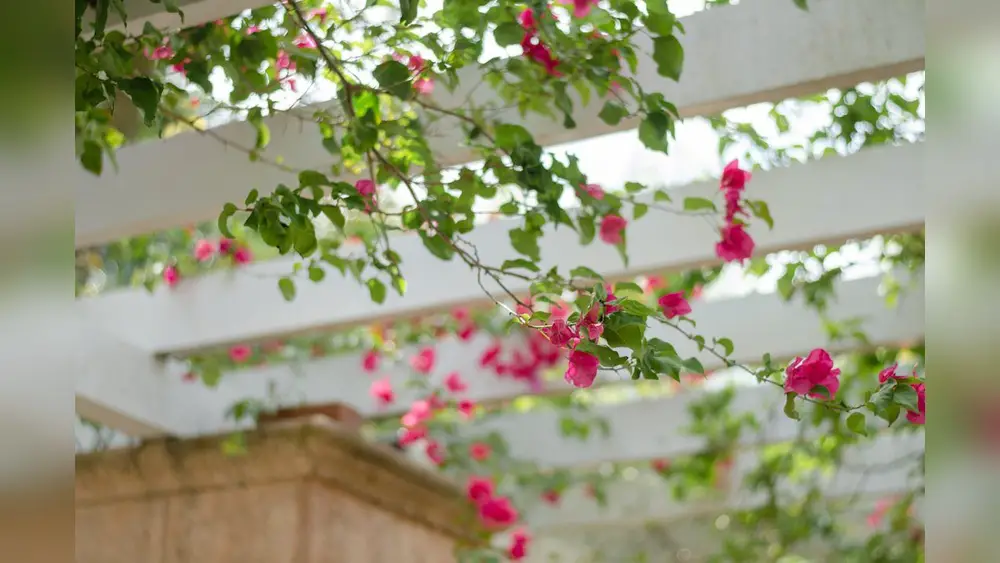
The Bougainvillea flower blooms all year round in Florida. It thrives in warm, sunny climates and requires minimal care.
Conclusion
Planting wildflowers in Florida brings beauty and supports local wildlife. Choose species suited to your region for best growth. Fall planting helps seeds grow strong before spring blooms. Prepare soil well and water seeds gently for success. Wildflowers brighten gardens and attract helpful pollinators.
Enjoy the natural charm these flowers add to your space. Start planting today and watch your garden thrive with color.