If you’re eager to grow zucchini in Florida, you might already know it’s not always easy. Florida’s heat and humidity can make zucchini plants struggle, but choosing the right varieties can change everything for your garden.
Imagine harvesting fresh, tender zucchinis right from your backyard, even in Florida’s challenging climate. You’ll discover the best zucchini plants that thrive in Florida’s unique conditions. You’ll learn how to pick varieties that fight off pests and resist diseases, so your garden flourishes season after season.
Ready to grow zucchinis that love Florida as much as you do? Keep reading to find out which plants will make your garden a success.
:max_bytes(150000):strip_icc()/companion-plants-zucchini-and-summer-squash-2540045-09-56137aa52a9445dab3fd9f6613a36ed9.jpg "Best Zuchini Plants for Florida: Top Picks for Thriving Gardens 2")
Credit: www.thespruce.com
Zucchini Growth In Florida
Zucchini grows well in Florida’s warm climate with proper care. The state’s heat and humidity can affect plant health. Choosing the right planting time and variety helps zucchini thrive. Understanding local climate and challenges leads to better harvests. This section explores zucchini growth in Florida, focusing on climate, planting tips, and common issues.
Climate Suitability
Florida’s climate is warm and humid, ideal for many plants. Zucchini prefers temperatures between 65°F and 75°F. High heat above 85°F can stress plants. Coastal areas with moderate humidity suit zucchini better. Some zucchini varieties tolerate heat and humidity well. Black Beauty is a popular heat-tolerant zucchini in Florida. Avoid planting during the hottest months to reduce heat stress.
Seasonal Planting Tips
Plant zucchini in Florida from late fall to early spring. This avoids the intense summer heat and heavy rains. Start seeds indoors 3-4 weeks before the last frost date. Transplant seedlings when soil temperature reaches 60°F. Use raised beds or well-drained soil for best growth. Mulch helps keep soil moist and cool. Water plants regularly but avoid waterlogging the roots.
Common Challenges
Heat stress causes zucchini leaves to wilt and yellow. Powdery mildew is common in humid weather and weakens plants. Squash vine borers can damage stems and kill plants. Use row covers to protect young plants from pests. Proper spacing improves air flow and reduces disease risk. Remove infected leaves to prevent spread. Regular monitoring helps catch problems early.
Credit: www.reddit.com
Top Zucchini Varieties
Zucchini thrives in Florida’s warm climate with the right varieties. Choosing the best zucchini plants boosts your garden’s success. Some types handle heat better, while others suit Florida’s soil and humidity. Explore top zucchini varieties ideal for Florida gardens below.
Heat-tolerant Types
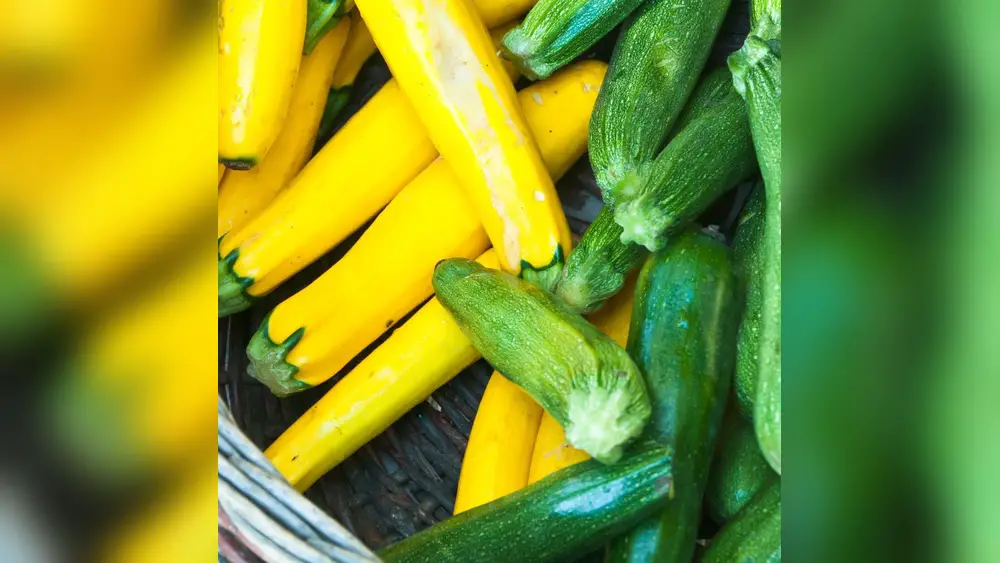
Heat-tolerant zucchini varieties survive Florida’s hot days. ‘Black Beauty’ is a classic choice, known for its dark green color and strong growth. ‘Cocozelle’ also resists heat and produces striped fruits with great flavor. These types stay healthy despite high temperatures and humidity.
Popular Picks For Florida Gardens
Gardeners favor zucchini varieties that produce well in Florida’s conditions. ‘Black Beauty’ remains the top pick for many. ‘Fordhook’ grows fast and yields large fruits. ‘Costata Romanesco’ offers unique ribbed fruits and good disease resistance. These varieties grow vigorously and provide tasty harvests.
Heirloom Vs Hybrid Choices
Heirloom zucchinis have traditional flavors and unique shapes. ‘Costata Romanesco’ is a popular heirloom with excellent texture. Hybrids often resist pests and diseases better. ‘Safari’ is a hybrid with strong growth and good yields. Both types suit Florida, but hybrids may need less care.
Soil And Planting
Growing zucchini in Florida requires attention to soil and planting methods. These factors greatly affect plant health and yield. Florida’s warm climate demands soil that supports moisture and nutrients well. Proper planting helps zucchini thrive despite heat and humidity.
Ideal Soil Conditions
Zucchini prefers well-draining soil with a pH between 6.0 and 7.5. Sandy loam soils work best in Florida. The soil should hold moisture but not stay soggy. Rich soil with organic matter improves growth. Avoid heavy clay soils that trap water.
Soil Preparation Techniques
Clear the planting area of weeds and debris first. Loosen the soil to a depth of 8 to 12 inches. Mix in compost or well-rotted manure to boost nutrients. Adding mulch helps retain moisture and reduce weeds. Test soil pH and adjust with lime if needed.
Best Planting Practices
Plant zucchini seeds or seedlings after the last frost date. Space plants 24 to 36 inches apart for good airflow. Choose a sunny spot with at least 6 hours of sunlight daily. Water plants deeply at the base to avoid leaf diseases. Mulch around plants to keep soil cool and moist.
Pest And Disease Control
Controlling pests and diseases is vital for healthy zucchini plants in Florida. The warm, humid climate encourages many common pests and fungal diseases. Early detection and proper care keep plants strong and productive. Learn how to identify threats and manage them naturally or with treatments.
Common Pests In Florida
Florida zucchini gardens often face pests like squash bugs, cucumber beetles, and aphids. Squash bugs suck plant juices, causing leaves to wilt. Cucumber beetles chew leaves and spread bacterial wilt. Aphids cluster on new growth, spreading viruses and weakening plants. Regular checks help spot these pests early.
Using row covers and removing plant debris reduces pest problems. Handpicking bugs also limits damage. Encouraging beneficial insects like ladybugs controls aphids naturally. Maintaining garden cleanliness helps keep pests away.
Preventing Powdery Mildew
Powdery mildew is a common fungal disease in Florida’s humid climate. It shows as white powder on leaves and stems, reducing plant growth. Avoid overcrowding plants to improve air flow. Water plants early in the day to allow leaves to dry quickly.
Applying mulch prevents soil moisture from splashing onto leaves. Choose resistant zucchini varieties to lower risk. Removing infected leaves stops the spread. Consistent monitoring is key to early intervention.
Organic And Chemical Treatments
Organic options like neem oil and insecticidal soap control pests without harsh chemicals. These treatments work best when sprayed on affected areas regularly. Baking soda solutions help manage powdery mildew safely. Introducing natural predators supports pest control.
Chemical pesticides may be necessary for severe infestations. Use products labeled for squash pests and follow instructions carefully. Avoid overusing chemicals to protect beneficial insects and prevent resistance. Combine treatments with good garden practices for best results.
Pollination And Watering
Pollination and watering are key to growing healthy zucchini plants in Florida. Proper pollination ensures fruit sets well, while consistent watering supports strong growth. These factors help zucchini thrive despite Florida’s warm climate and humidity.
Encouraging Natural Pollinators
Bees are vital for zucchini pollination. Plant flowers nearby to attract bees and other pollinators. Avoid using pesticides that harm these helpful insects. Place your garden where pollinators can easily find your zucchini plants. This natural process boosts fruit production and plant health.
Hand-pollination Methods
Sometimes, natural pollinators may be scarce. Hand-pollination helps in such cases. Use a small brush or cotton swab to transfer pollen from male flowers to female flowers. Do this in the morning when flowers are open. This method increases fruit yield and ensures good zucchini development.
Watering Strategies
Zucchini plants need consistent moisture but not waterlogging. Water deeply at the base early in the day. Mulch helps retain soil moisture and reduces evaporation. Avoid wetting leaves to prevent disease. Regular watering supports steady growth and healthy fruit production in Florida’s climate.
Harvesting And Maintenance
Harvesting and maintaining zucchini plants in Florida requires attention and care. The warm climate supports rapid growth, so check plants often. Proper harvesting encourages more fruit and keeps plants healthy. Maintenance practices like pruning help improve yield and prevent disease.
Signs Of Ready-to-harvest Zucchini
Look for zucchinis about 6 to 8 inches long. The skin should be firm and shiny. Soft spots or dull skin means overripe fruit. Harvest early in the morning for best flavor. Regular picking stops zucchinis from growing too large and tough.
Pruning For Better Yield
Remove yellowing or dead leaves to let sunlight reach fruits. Trim crowded stems to improve air circulation. Cut back long vines to encourage new growth. Use clean tools to avoid spreading plant diseases. Pruning keeps plants strong and productive.
Storage Tips
Store zucchinis in a cool, dry place. Keep them in the refrigerator crisper drawer for up to one week. Avoid washing before storage to prevent mold. Use breathable bags or containers to maintain freshness. Use zucchinis soon for best taste and nutrition.

Credit: vizcaya.org
Frequently Asked Questions
Does Zucchini Grow Well In Florida?
Yes, zucchini grows well in Florida when planted in cooler seasons like fall and spring. Choose heat-tolerant varieties like ‘Black Beauty’ and manage pests carefully. Avoid planting during hot, humid summers to prevent diseases and ensure better growth.
What Is The Best Tasting Zucchini Variety?
The best tasting zucchini variety is often the ‘Black Beauty’. It offers rich flavor, tender texture, and grows well in warm climates.
Can I Plant Zucchini In September?
Yes, you can plant zucchini in September in mild climates. Choose heat-tolerant varieties and plant early in the month for best results.
What Should You Not Plant Next To Zucchini?
Avoid planting potatoes, cucumbers, pumpkins, or gourds next to zucchini. These plants compete for nutrients and attract similar pests.
Conclusion
Choosing the right zucchini plants helps ensure a healthy Florida garden. Varieties like ‘Black Beauty’ thrive well in warm climates. Plant during cooler months to avoid summer heat stress. Watch for pests and diseases to keep plants strong. Growing zucchini in Florida is possible with good care.
Enjoy fresh, homegrown squash all season long!