As the crisp air of fall settles in and the gardening season shifts, many gardeners wonder how to maximize their harvests in cooler weather. Companion planting—strategically growing certain plants together to enhance growth, deter pests, and improve yields—has long been a popular technique. But does it really make a difference for fall vegetable gardens? To find out, we consulted gardening experts and reviewed evidence-based practices to uncover whether companion planting can boost your fall veggie yields and how to do it effectively.
What Is Companion Planting?
Companion planting is the practice of growing different plants in close proximity to create mutually beneficial relationships. These benefits include pest control, improved pollination, enhanced soil nutrients, and better space utilization. In fall gardens, where cooler temperatures and shorter days present unique challenges, companion planting can be a game-changer for creating a thriving ecosystem. According to gardening experts, the key lies in selecting hardy, frost-tolerant plants that complement each other’s needs.
Expert Insights: Does Companion Planting Boost Fall Yields?
We asked three gardening professionals for their take on whether companion planting truly increases fall vegetable yields. Their consensus? Absolutely, but it’s the combination of benefits that drives success.
- Veronica Tegen, CEO of The Food Geek, emphasizes that companion planting fosters a healthy garden ecosystem. “Companion planting helps improve vegetable yields thanks to pest control, soil fertility, and more. It ensures plants growing close to one another won’t compete for water or nutrients, creating a balanced and harmonious growing environment.” Tegen notes that higher yields result from fewer pests, healthier soil, less competition, and increased pollinator activity.
- Caroline Ervin, founder of Caroline Ervin Landscape Design, highlights specific pairings that shine in fall. “Brassicas like cabbage, kale, broccoli, and cauliflower benefit from planting alongside root vegetables like carrots, radishes, beets, garlic, and onions. These combinations reduce pest pressure and optimize space.” Ervin stresses the importance of understanding plant needs to avoid competition.
- Faith Callan, garden and landscape manager at Goodstone Inn and Restaurant, points to the role of legumes in fall gardens. “Planting leafy greens like lettuce and spinach near legumes such as peas or beans enriches the soil with nitrogen, which is vital for these heavy nitrogen feeders.” Callan’s approach underscores how companion planting can address nutrient demands in cooler seasons.
The experts agree: companion planting in fall gardens isn’t just folklore—it’s a science-backed strategy that enhances productivity when done right.
Why Companion Planting Works for Fall Gardens
Fall gardens face unique conditions—cooler temperatures, shorter daylight hours, and frost risks. Companion planting addresses these challenges in several ways:
- Pest Control: Aromatic herbs and flowers like garlic, onions, chives, parsley, and cilantro deter common fall pests such as aphids, carrot flies, and Japanese beetles. For example, onions planted near carrots can repel carrot flies, while garlic’s strong scent wards off aphids and beetles from beets.
- Soil Fertility: Legumes like peas and beans fix nitrogen in the soil, benefiting nitrogen-hungry crops like spinach and leafy greens. This natural fertilization reduces the need for synthetic inputs and supports healthier plant growth.
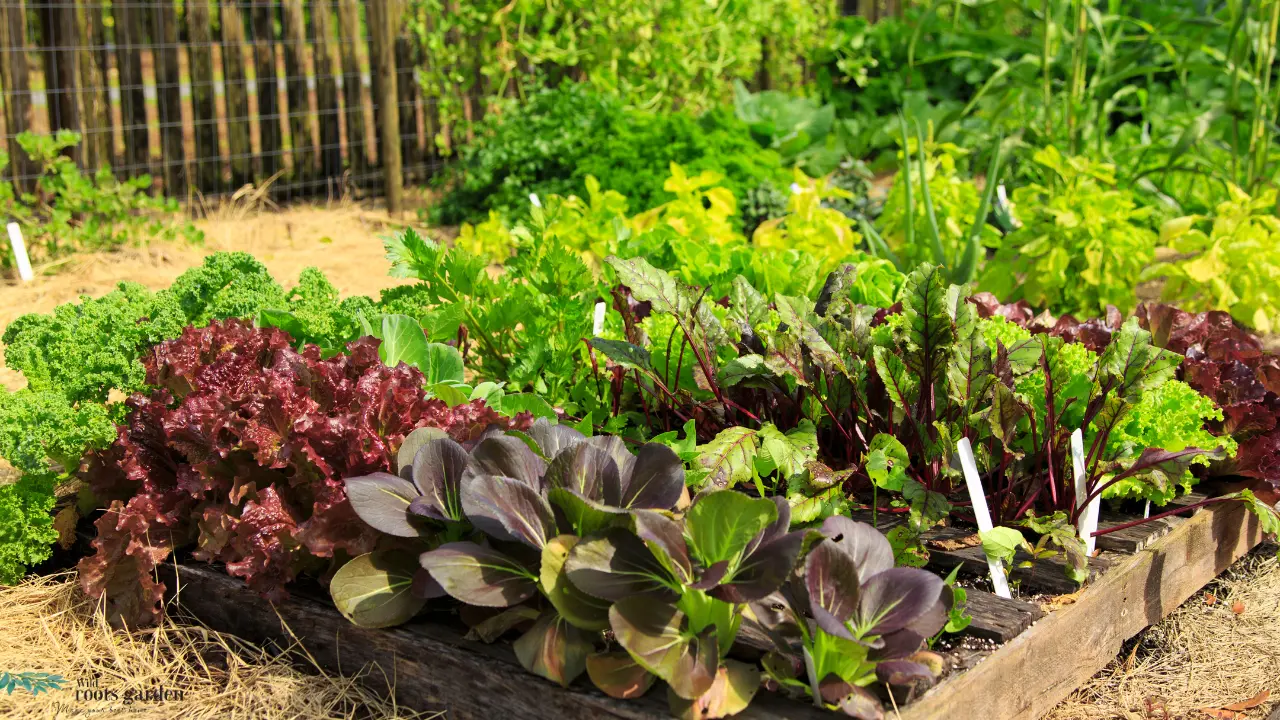
- Space Efficiency: Pairing plants with different growth habits maximizes garden space. For instance, tall plants like kale can provide shade for smaller, shade-tolerant crops like lettuce, while root crops like beets and carrots utilize underground space without competing with shallow-rooted greens.
- Pollinator Attraction: Flowers such as calendula, nasturtiums, and snapdragons attract pollinators like bees, boosting the productivity of fruiting crops like peas and fava beans. These flowers also add aesthetic appeal to fall gardens.
- Weed Suppression: Sprawling plants like peas or low-growing greens can act as natural ground cover, reducing weed growth and retaining soil moisture, which is critical as temperatures drop.
Top Companion Planting Combinations for Fall Vegetables
Based on expert recommendations and research, here are some tried-and-true companion planting pairings for your fall garden, tailored to cool-season crops:
- Lettuce and Onions: Lettuce thrives in cooler weather and pairs well with onions, whose pungent aroma repels aphids. Space lettuce 4–8 inches from onions, depending on the variety, to optimize growth without crowding.
- Carrots and Chives: Chives’ strong scent deters carrot flies, a common fall pest. Plant chives near carrots to enhance flavor and protect against pests.
- Beets and Garlic: Garlic’s aroma repels aphids and beetles, protecting beets while improving their flavor. Beets also pair well with kale, cabbage, and lettuce, as they don’t compete for nutrients.
- Kale and Cabbage: These brassicas grow well together, as their sturdy leaves provide shade and shelter for smaller crops. Kale also attracts beneficial insects like ladybugs, which prey on aphids.
- Spinach and Peas: Peas fix nitrogen in the soil, supporting spinach’s nutrient needs. Their low-growing nature ensures they don’t shade spinach excessively.
- Root Crops and Leafy Greens: Root vegetables like carrots, beets, and radishes pair well with leafy greens like spinach and lettuce. Their differing root depths prevent competition, and greens provide ground cover to retain moisture.
- Flowers and Herbs: Frost-tolerant flowers like calendula, snapdragons, and pansies, along with herbs like parsley and cilantro, attract pollinators and deter pests. Plant them along garden borders or intersperse them with vegetables.
Common Mistakes to Avoid
While companion planting offers many benefits, mistakes can hinder your fall garden’s success. Here are pitfalls to watch out for:
- Incompatible Pairings: Avoid planting onions or garlic near peas or beans, as their high nitrogen levels can inhibit growth. Similarly, fennel is a poor companion for most crops due to its competitive nature.
- Overcrowding: Planting too closely can lead to competition for light, water, and nutrients, reducing yields. Follow spacing guidelines (e.g., 6–8 inches for lettuce near kale, 4–6 inches near carrots).
- Ignoring Frost Tolerance: Choose frost-hardy companions like parsley, cilantro, or garlic over heat-loving plants like basil. Frost-sensitive plants may struggle in fall conditions.
- Monocropping: Growing a single crop in one bed can deplete soil nutrients and attract pests. Diversify with companion plants to maintain soil health and reduce pest pressure.
Practical Tips for Fall Companion Planting
To make the most of companion planting in your fall garden, follow these expert-backed strategies:
- Plan for Sunlight: As days shorten, position taller plants like peas or kale on the north side of your garden to avoid shading smaller crops.
- Use Mulch: Apply mulch around companion plants to insulate soil, retain moisture, and protect roots from frost. This extends the growing season for frost-sensitive crops.
- Incorporate Aromatic Herbs: Plant herbs like thyme, sage, parsley, or cilantro to repel pests and attract beneficial insects. Their resilience in cooler weather makes them ideal for fall.
- Diversify Your Garden: Mix vegetables, herbs, and flowers to create a balanced ecosystem. This reduces pest and disease risks while enhancing biodiversity.
- Reference a Companion Planting Chart: Use a reliable chart to guide your pairings. Many are available online, such as those from The Old Farmer’s Almanac or Burpee, to ensure evidence-based combinations.
The Evidence: Does It Really Work?
While some companion planting practices stem from garden lore, research supports many pairings. For example, studies show basil reduces tomato pests by masking their scent, and marigolds decrease whitefly populations when planted near tomatoes. The “Three Sisters” model—corn, beans, and squash—demonstrates how complementary growth habits and nutrient contributions boost yields. However, experts caution that not all claims are backed by science. Diverse plantings (three or more species) are often more effective at reducing pest damage than single trap crops. Keeping a garden journal to track your results can help refine your approach over time.
Conclusion: A Bountiful Fall Harvest Awaits
Companion planting is a powerful tool for fall gardeners looking to increase vegetable yields, reduce pests, and create a vibrant, healthy garden. By pairing frost-tolerant crops like kale, beets, carrots, and lettuce with complementary herbs and flowers, you can optimize your garden’s productivity while embracing the beauty of the season. As our experts confirm, the key is understanding each plant’s needs—light, water, nutrients, and space—and using strategic pairings to foster a thriving ecosystem. So, grab a companion planting chart, plan your fall garden layout, and watch your harvests flourish!
For more gardening tips and a downloadable companion planting chart, visit resources like The Old Farmer’s Almanac (almanac.com) or Burpee (burpee.com). Happy planting!