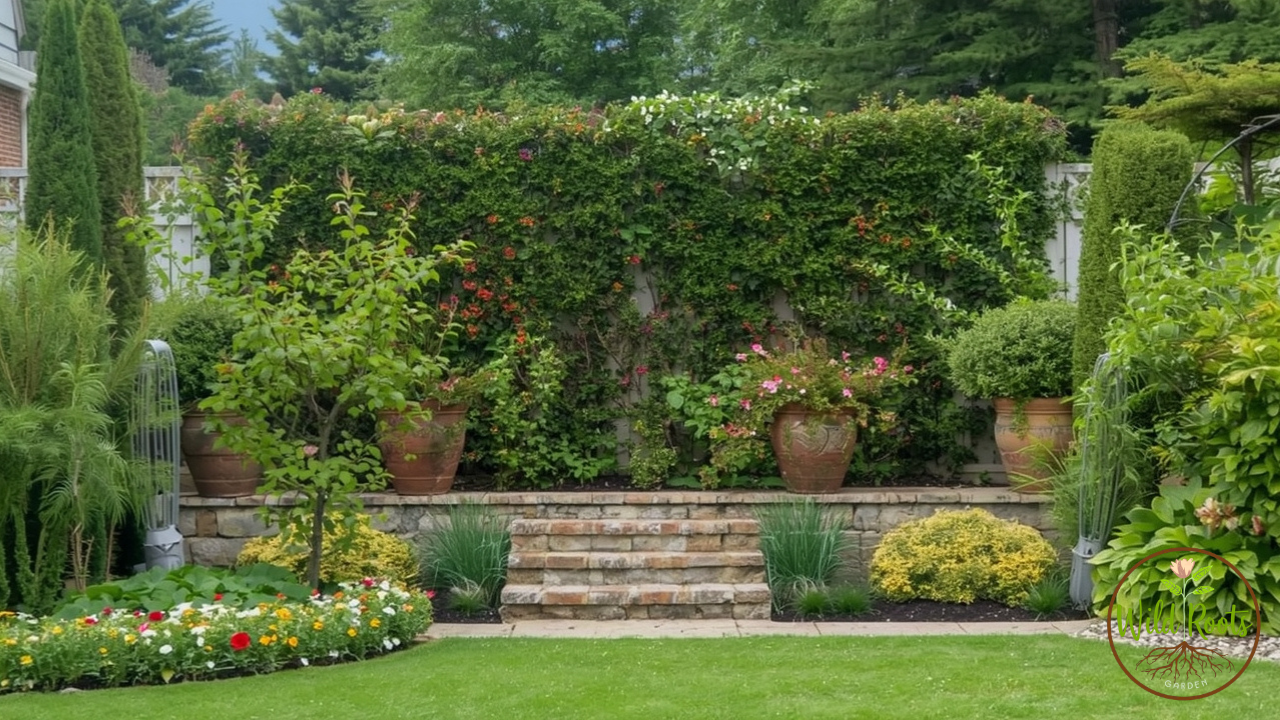
Thinking about adding a garden wall can sometimes feel a little tricky, especially if you’re just starting out. You see all these amazing gardens and wonder how they create those beautiful boundaries. But don’t worry, finding 10 Gorgeous Garden Wall Ideas that work for you is easier than you think!
We’re going to walk through some simple ways to make your garden look even more special. Get ready to see some fun and practical options.
The 10 Gorgeous Garden Wall Ideas
Creating a garden wall is a wonderful way to add beauty, structure, and purpose to your outdoor space. Whether you’re looking to define a planting area, support a hillside, or simply add a touch of charm, the right wall can transform your yard. For many beginners, the thought of building a garden wall might seem like a big project.
You might wonder about materials, durability, and how it will look. But the truth is, there are many accessible and visually appealing options that don’t require expert skills. We’ll explore a variety of styles, from simple stacked stone to more modern designs, all aimed at inspiring you and making your garden dream a reality.
These 10 Gorgeous Garden Wall Ideas will help you find the perfect fit for your home and garden, proving that a beautiful wall is within reach.
1. Stacked Natural Stone Walls
Stacked natural stone walls offer a timeless and organic look. They blend seamlessly with any garden style, from rustic to contemporary. The beauty of these walls comes from the unique shapes and colors of the stones themselves.
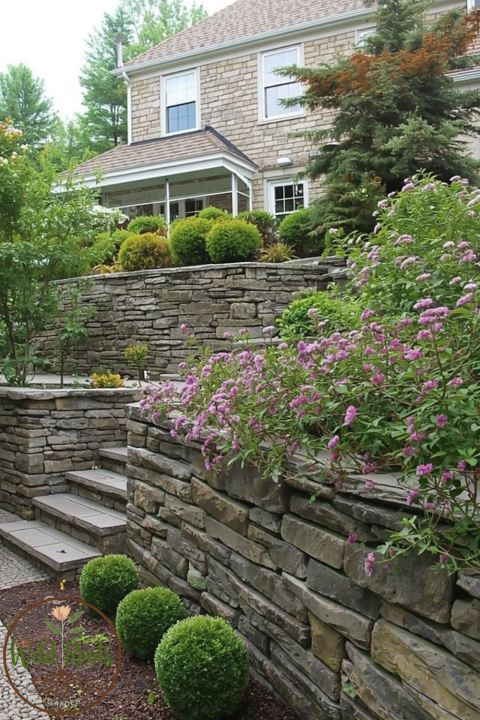
You don’t need mortar to build many types of stacked stone walls, making them a popular choice for DIYers. This method is often called “dry stacking.”
Dry stacking involves carefully placing stones on top of each other, using gravity and the interlocking nature of the stones to create stability. The key is to select stones with flat surfaces and to fit them together snugly. Larger stones are usually placed at the base for a strong foundation.
Smaller stones can be used to fill gaps and add support.
The natural variations in stone color and texture mean that no two walls will ever be exactly alike. This adds to their charm and makes each garden unique. You can find local stones for a truly regional feel, or choose from a variety of imported stones for different looks.
Benefits of Dry Stacked Walls
- Low Environmental Impact: Uses natural materials and often requires no cement or concrete, reducing its carbon footprint. This approach honors the earth’s resources by utilizing what is readily available.
- Aesthetic Appeal: The irregular shapes and natural colors create a beautiful, organic look that complements the garden environment. It adds a sense of history and permanence.
- Drainage: The small gaps between stones allow for excellent water drainage, which is beneficial for plants and helps prevent soil erosion. This natural filtration system keeps the soil healthy.
One real-life example is a garden in the Cotswolds, England, where ancient dry stone walls surround charming cottage gardens. These walls have stood for centuries, showcasing the durability and timeless beauty of the technique.
Statistics show that natural stone is a durable building material, with some stone structures lasting for thousands of years. This longevity makes it a wise investment for your garden.
2. Cinder Block Garden Walls
Cinder blocks, also known as concrete masonry units (CMUs), are a highly versatile and cost-effective material for building garden walls. They are strong, durable, and readily available. While sometimes seen as purely functional, cinder blocks can be transformed into attractive garden features with a little creativity.
The basic structure of a cinder block wall is straightforward. Blocks are laid in courses, or rows, with their holes aligned vertically. These holes can be filled with concrete and rebar for added strength, or they can be left open for planting.
One of the most popular ways to make cinder block walls look good is by rendering them or covering them with a decorative finish. Stucco, plaster, or even thin stone veneers can be applied to hide the grey block surface. Painting them in an attractive color also makes a significant difference.
The open holes in the blocks are a fantastic feature for vertical gardening. You can plant flowers, herbs, or small vegetables directly into these cavities. This creates a living wall that adds color and life to the structure.
Planting in Cinder Block Holes
- Easy Access: The cavities provide ready-made planters that are at a convenient height for tending. This makes gardening more accessible for people of all ages and abilities.
- Water Retention: The enclosed space helps retain moisture for the plants, reducing the need for frequent watering compared to open ground planting. This is especially useful in drier climates.
- Variety of Plants: Small, trailing plants like petunias, lobelia, and creeping thyme work wonderfully. Succulents also thrive in these conditions due to their low water needs.
A common scenario is a backyard patio where cinder blocks are used to create raised planters. These are then filled with colorful annuals, turning a utilitarian structure into a vibrant focal point.
A study by a university extension office found that planting directly into the holes of a cinder block wall can increase planting space by up to 50% in a small garden area.
3. Brick Garden Walls
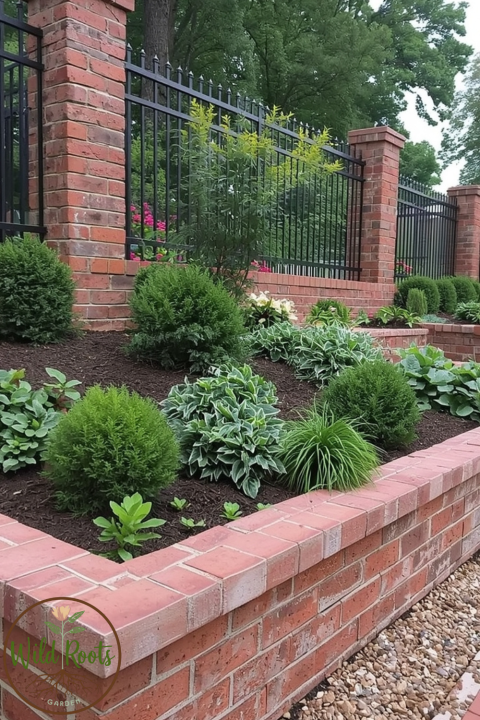
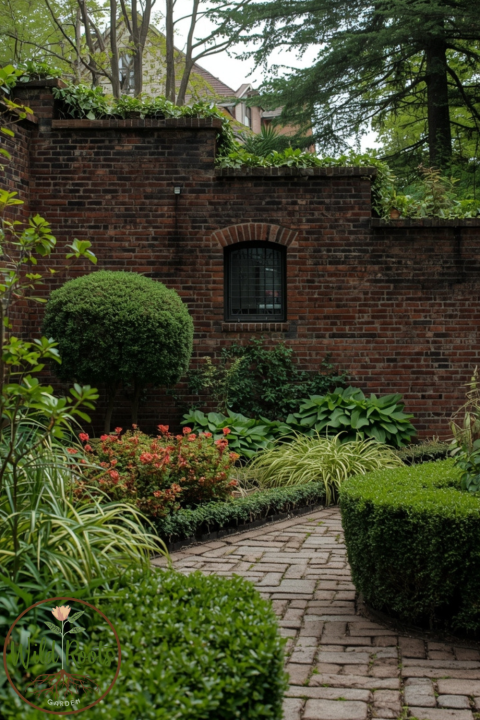
Brick garden walls exude a classic and enduring charm. Whether you choose new bricks or reclaimed ones, they lend a sense of permanence and traditional beauty to any landscape. Bricks are a familiar building material, and their uniformity makes them relatively easy to work with.
The most common method for building brick garden walls is using mortar. Mortar acts as an adhesive, bonding the bricks together and providing structural integrity. The pattern in which the bricks are laid, known as the bond, also affects the wall’s appearance and strength.
Common bonds include the stretcher bond (all bricks laid lengthwise) and the English bond (alternating headers and stretchers).
Reclaimed bricks, taken from old buildings, offer a unique character with their weathered appearance and varied tones. This can give your garden wall an instant sense of history and rustic appeal. New bricks offer a cleaner, more uniform look, allowing for precise designs.
Beyond structural walls, bricks can also be used for edging beds or creating low decorative borders. Their durability means they will last for many years, withstanding weather and wear.
Types of Brick Bonds
- Stretcher Bond: This is the simplest and most common bond, where bricks are laid end to end in each course, exposing their long sides (stretchers). It creates a clean, linear look and is often used for garden walls where strength isn’t the primary concern.
- Header Bond: In this bond, bricks are laid with their short ends (headers) visible on the face of the wall. It’s often used for its decorative effect, creating a more textured pattern.
- English Bond: This bond alternates courses of headers and stretchers, creating a strong, visually appealing pattern. It’s considered very strong and is often used for more substantial walls.
A homeowner in a historic district might choose a brick wall using reclaimed bricks to match the architectural style of their house, creating a harmonious look. The varied hues of the old bricks complement the aged patina of the house.
Bricks are known for their longevity. A well-built brick wall can easily last over 100 years, making it a sustainable and long-term landscaping solution.
4. Gabion Walls
Gabion walls are a modern and increasingly popular choice for garden landscaping. They are essentially wire cages filled with rocks or other sturdy materials. This creates a solid, permeable structure that looks both contemporary and natural.
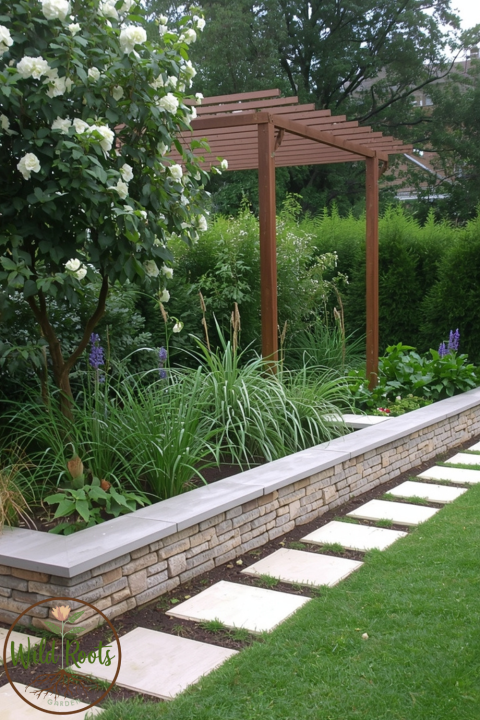
The construction of a gabion wall is relatively simple. Heavy-duty wire mesh cages are assembled, and then filled with carefully selected rocks. The rocks can vary in size, color, and type, allowing for significant customization of the wall’s appearance.
Common fillings include river rock, crushed stone, or even salvaged materials like broken concrete or glass.
Gabion walls are incredibly strong and stable, making them suitable for retaining soil on slopes or creating defining barriers. They are also permeable, meaning water can pass through them, which helps prevent hydrostatic pressure buildup that can damage other types of walls. This is a significant advantage in areas with heavy rainfall.
The visual appeal of gabion walls lies in their industrial yet earthy aesthetic. They can be integrated with planting pockets, where plants grow from between the rocks, softening the look and adding a touch of green.
Advantages of Gabion Walls
- Durability and Strength: The wire mesh is typically galvanized steel, resistant to corrosion, and the stone infill provides immense weight and stability. They can withstand significant pressure.
- Eco-Friendly: They use natural materials like rocks and are permeable, allowing for natural water flow and habitat creation for small creatures. They also help manage stormwater runoff.
- Versatility: Can be used as retaining walls, decorative screens, seating areas, or even planters. Their modular nature allows for various shapes and heights.
Consider a modern backyard renovation where gabion walls are used to create tiered planting beds on a sloped yard. The contrast between the sharp lines of the wire cages and the soft textures of the plants is striking.
Gabion walls have a lifespan of 50-100 years, depending on the quality of the wire mesh and the fill material used. This makes them a long-lasting investment.
5. Timber Sleeper Walls
Timber sleeper walls, constructed from sturdy wooden beams or railway sleepers, offer a rustic and charming addition to any garden. These walls are known for their natural look and their ability to create a warm, inviting atmosphere.
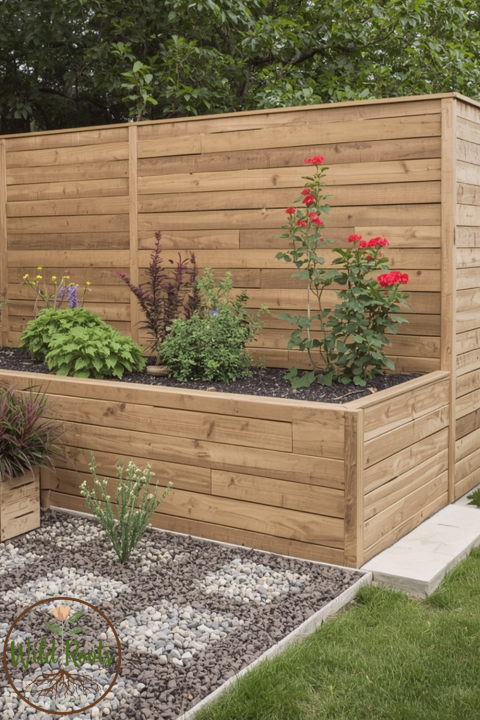
Railway sleepers, traditionally used for railway tracks, are often treated to withstand the elements. They are very dense and durable. Alternatively, large, rough-sawn timber beams can be used.
When building a sleeper wall, the timbers are typically laid horizontally, one on top of the other, and secured in place. They can be interlocked or fixed with metal pins for added stability.
These walls are excellent for defining garden zones, creating raised beds, or acting as low retaining walls. Their earthy tones blend well with natural surroundings, and they can be stained or left to weather naturally for a more rustic appearance.
For longevity, it’s important to use treated timbers or to ensure proper drainage. Placing a layer of gravel at the base of the wall can help prevent rot by allowing water to drain away from the wood.
Building a Sleeper Wall
- Preparation is Key: Ensure the ground is level and stable before laying the first sleeper. For taller walls, consider digging a small trench and setting the base sleepers into the ground for better support.
- Secure Joining: Use long, strong screws or metal rebar driven through pre-drilled holes to join sleepers together vertically or horizontally. This ensures the wall remains rigid.
- Consider Timber Type: While treated railway sleepers are common, new hardwood sleepers or even rustic log sections can be used. Always check for any chemicals used in treatments if you plan to grow edibles nearby.
Imagine a large country garden where timber sleeper walls are used to create terraced vegetable patches on a gentle slope. The warm wood complements the surrounding greenery and provides practical planting spaces.
The lifespan of timber sleeper walls can vary, but treated sleepers can last 15-20 years or even longer, especially if maintained and placed in well-draining conditions.
6. Poured Concrete Walls
Poured concrete walls offer a modern, minimalist, and exceptionally durable option for garden walls. While they might seem industrial, their smooth, clean lines can create a sophisticated look, especially in contemporary garden designs.
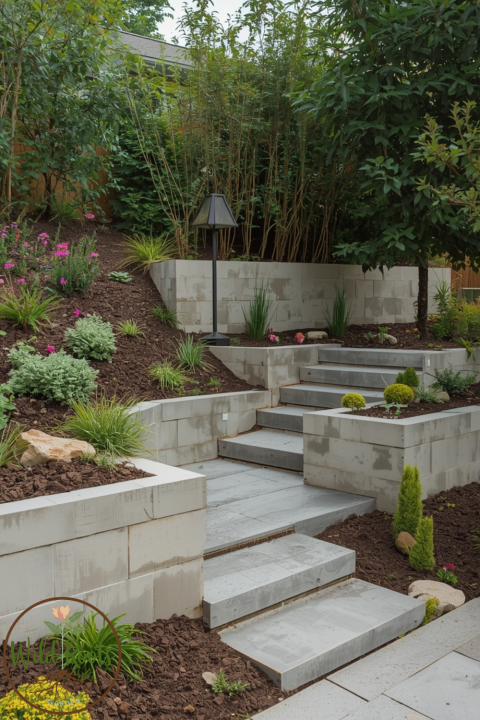
The process involves building formwork (molds) into which liquid concrete is poured. Once the concrete sets and hardens, the formwork is removed, leaving a solid, monolithic wall. The texture of the formwork can be imprinted onto the concrete surface, allowing for variations in finish, such as wood grain patterns or smooth, polished surfaces.
Poured concrete walls are incredibly strong and are often used for significant retaining walls or where a sleek, uninterrupted surface is desired. They can be left raw and unpainted for a stark, modern look, or they can be painted, tiled, or clad with other materials to suit your aesthetic.
The design possibilities are vast. Concrete can be cast into curved shapes, straight lines, or even complex geometric patterns, making it a versatile medium for landscape architects and designers.
Finishing Touches for Concrete
- Staining: Concrete stains penetrate the surface to add color without obscuring the concrete’s texture. This allows for subtle, variegated hues that look very natural.
- Stamping: A technique where patterns are pressed into the wet concrete, mimicking the look of stone, brick, or wood. This adds significant visual interest and realism.
- Polishing: Grinding and polishing the concrete surface creates a smooth, reflective finish, similar to polished stone. This is often used for more luxurious or contemporary designs.
A backyard with a minimalist design might feature a poured concrete wall with a smooth, grey finish as a backdrop for a water feature or a sculptural plant. The clean lines enhance the modern aesthetic.
Poured concrete is known for its strength and longevity. A well-constructed and maintained concrete wall can last for 50 years or more, offering a very stable structure.
7. Woven Willow or Hazel Hurdles
For a natural, rustic, and eco-friendly garden boundary, woven willow or hazel hurdles are a charming choice. These flexible branches are woven together to create panels that look beautiful and blend effortlessly with natural settings.
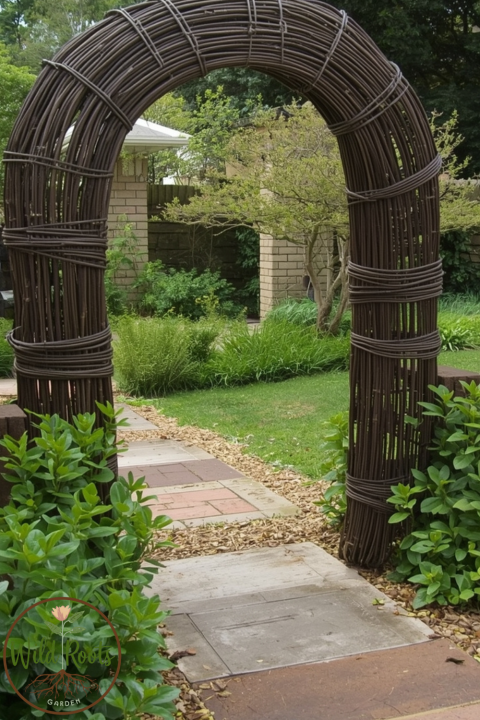
The process involves harvesting flexible branches, typically willow or hazel, and then weaving them tightly between upright stakes. This is a traditional craft that results in screens that are both functional and decorative. The natural color and texture of the wood give these hurdles a very organic feel.
Woven hurdles are perfect for creating informal garden divisions, screening off less attractive areas, or adding a soft backdrop for climbing plants. They offer a sense of enclosure without feeling solid or imposing.
While not as permanent as stone or brick, woven hurdles can last for several years, especially if treated with natural oils or preservatives. They also have the advantage of being biodegradable, making them an environmentally conscious option.
Benefits of Woven Hurdles
- Natural Aesthetics: Their organic form and texture complement natural gardens, woodland areas, and cottage gardens perfectly. They add a gentle, flowing line to the landscape.
- Eco-Friendly Material: Made from renewable resources, these hurdles are a sustainable choice. They are biodegradable at the end of their life.
- Lightweight and Easy to Install: Unlike heavy masonry, hurdles are light and can be easily slotted into place or secured with simple posts. This makes them ideal for temporary or movable fencing.
Picture a rambling cottage garden where woven willow hurdles are used to delineate a path leading to a hidden seating area. The warm tones of the willow enhance the feeling of a secret sanctuary.
Woven hurdles typically have a lifespan of 5-10 years, depending on the type of wood, how it’s treated, and the climate. They offer a beautiful, yet temporary, charm.
8. Recycled Material Walls
Embracing recycled materials for your garden walls is a fantastic way to be eco-friendly, creative, and budget-conscious. Old tires, glass bottles, salvaged wood, and even reclaimed bricks can be transformed into unique and eye-catching garden features.
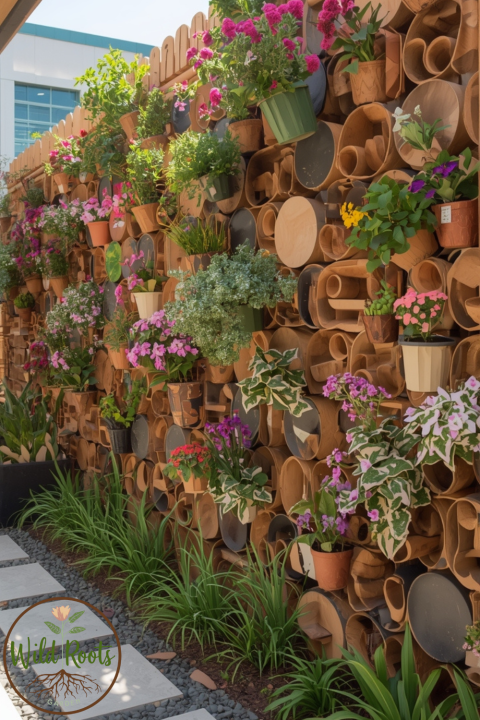
One popular method is using old tires, often filled with soil and stacked to create retaining walls or planters. While visually distinctive, it’s important to consider the environmental impact of using tires and ensure they are suitable for your intended use, especially if growing food. Another creative option is building walls with glass bottles, which can create stunning light effects when the sun shines through them.
Salvaged wood, such as old pallets or driftwood, can be used to construct rustic or modern-looking walls. Reclaimed bricks offer the character of vintage materials with the reliability of traditional building. The key to using recycled materials is creativity and careful planning to ensure stability and aesthetic appeal.
When using recycled materials, ensure they are cleaned and prepared properly. For structural walls, consider using mortar or other binding agents to ensure safety and longevity. The uniqueness of recycled materials means your garden wall will truly be one-of-a-kind.
Creative Recycled Wall Ideas
- Tire Planters: Stacked and painted tires can form sturdy, raised garden beds. They are excellent for containing soil and creating distinct planting zones.
- Bottle Walls: Arrange glass bottles horizontally or vertically within a mortar matrix. The light passing through the glass creates beautiful, colorful patterns.
- Pallet Wood Fences: Disassemble wooden pallets and use the planks to build fences or decorative wall panels. This offers a rustic, upcycled look.
A quirky garden might feature a wall made from stacked, colorful glass bottles set in cob (a mixture of clay, sand, and straw). The bottles catch the sunlight, casting dappled light patterns across the garden.
The durability of recycled material walls varies greatly depending on the materials used and the construction method. A well-built tire wall could last decades, while a bottle wall might require occasional mortar repair.
9. Living Walls (Green Walls)
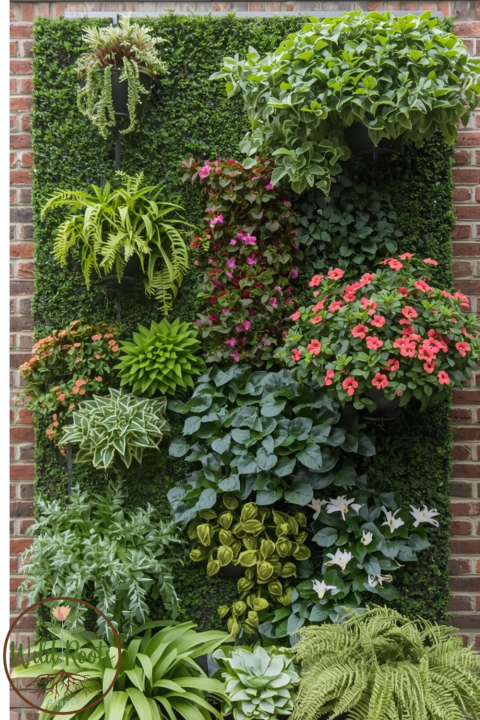
Living walls, also known as green walls or vertical gardens, are structures covered in plants. They bring a vibrant, natural element to your garden, acting as both a beautiful display and a functional element that can help with insulation and air quality.
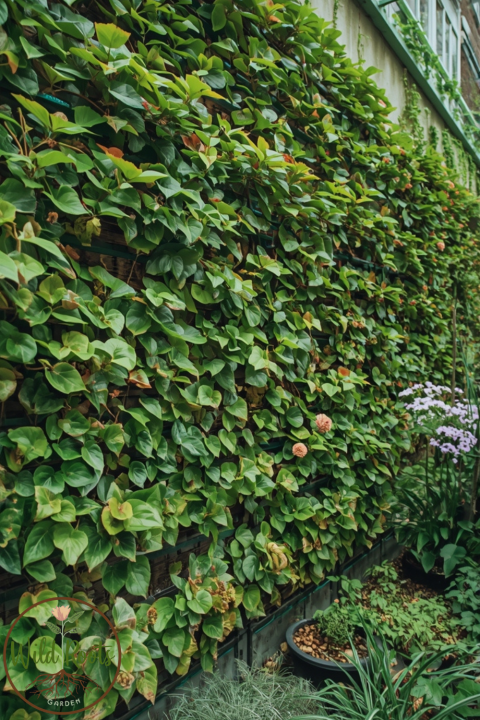
These walls are typically constructed using a modular system of panels, pockets, or felt systems that hold soil or growing media. Plants are then inserted into these spaces. The types of plants used can vary widely, from lush foliage plants and cascading flowers to herbs and even small vegetables.
Living walls require a robust irrigation system to ensure consistent watering, as the plants are in shallow containers. They can be installed on existing walls, fences, or as standalone structures. The visual impact is stunning, creating a wall of living greenery that changes with the seasons.
Beyond their aesthetic appeal, living walls can help reduce noise pollution, improve air quality by filtering pollutants, and provide habitat for small insects and birds. They are a fantastic way to maximize greenery in smaller spaces.
Maintaining a Living Wall
- Irrigation System: A drip irrigation system is essential for consistent watering. Timers can automate the process, ensuring plants receive the right amount of moisture.
- Plant Selection: Choose plants suitable for the wall’s orientation (sun or shade) and your climate. Consider plants with similar water and light needs for each section.
- Nutrient Supplementation: Since the growing medium is limited, regular feeding with liquid fertilizer is often necessary to keep plants healthy and vibrant.
A restaurant with an outdoor seating area might install a living wall as a backdrop. This creates a visually appealing and serene dining environment, enhancing the overall ambiance.
The lifespan of a living wall is determined by the structural integrity of the system and the health of the plants. With good maintenance, a living wall system can last 10-15 years, while the plants themselves are replenished as needed.
10. Dry Stacked Wall with Integrated Planters
Combining the natural beauty of dry stacked stone with the functionality of integrated planters creates a garden wall that is both a retaining structure and a vibrant display of plant life. This approach elevates the traditional stone wall into a dynamic landscape feature.
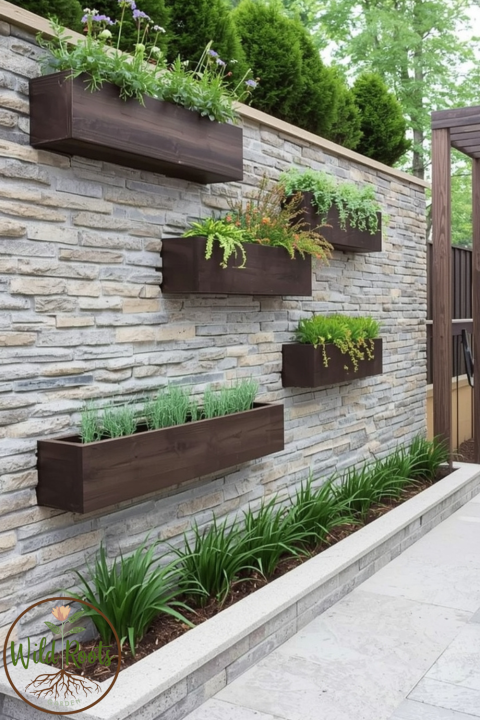
The construction involves building a dry stacked stone wall as described earlier, but with deliberate openings or recesses created within the wall’s structure. These are designed to hold soil and accommodate plants. The stones are carefully placed to create stable pockets that can support the weight of the soil and plant root systems.
These planter pockets can vary in size and depth, allowing for a range of plant types, from small succulents and herbs to more cascading flowers. The contrast between the earthy tones of the stone and the vibrant greens and colors of the plants is visually striking. It adds layers of texture and life to the wall.
Drainage is crucial for these integrated planters. A layer of gravel at the bottom of each pocket ensures that excess water can escape, preventing root rot. The wall itself benefits from the soil’s moisture retention, and the plants help to stabilize the stone structure.
Designing Integrated Planters
- Pocket Size and Depth: Consider the mature size of the plants you want to include. Deeper pockets are needed for larger plants or those with extensive root systems.
- Drainage System: Ensure each planter pocket has an effective drainage system. This can include a layer of gravel or a small drainage hole at the base.
- Material for Pockets: While some pockets can be directly filled with soil, others might benefit from lining with landscape fabric to retain soil and moisture while still allowing drainage.
Envision a terraced garden where dry stacked stone walls create the terraces, and integrated planter pockets are built into the face of the walls. These pockets overflow with colorful annuals and drought-tolerant perennials, softening the stone and adding continuous interest.
A well-built dry stacked stone wall with integrated planters can last for many decades, potentially over 50 years, with the plants providing a renewable decorative element.
Frequently Asked Questions
Question: What is the easiest garden wall for a beginner to build?
Answer: For beginners, cinder block walls or simple timber sleeper walls are often the easiest to start with. Cinder blocks are uniform and can be laid with mortar or even dry stacked for basic structures. Timber sleepers are large and provide a good base, requiring less precision than smaller stones or bricks.
Question: How do I make a garden wall look less like plain blocks or concrete?
Answer: You can cover them with render, stucco, or thin stone veneers. Painting them in an attractive color also makes a big difference. For concrete, consider staining, stamping, or polishing the surface for added texture and visual appeal.
Question: Can I plant in my garden wall?
Answer: Yes, many garden walls are designed for planting. Cinder block walls have natural cavities, and gabion walls can incorporate planting pockets. Dry stacked walls can also have small pockets built into them to hold soil and plants.
Question: What is the most durable garden wall material?
Answer: Poured concrete and well-constructed stone or brick walls are among the most durable. Gabion walls are also very long-lasting due to their sturdy construction and materials. These options offer excellent longevity and resistance to the elements.
Question: How do I choose the right garden wall for my yard?
Answer: Consider your yard’s style, your budget, and the wall’s purpose. For a rustic look, timber or stacked stone works well. For modern designs, poured concrete or gabion walls are suitable.
Think about how you want to use the space and what maintenance you’re willing to do.
Summary
Exploring these 10 gorgeous garden wall ideas shows a range of options. From natural stone and bricks to modern gabions and living walls, you can find a style that fits your vision. Each idea offers unique benefits for beauty and function.
Start with a simple plan and enjoy creating your perfect garden boundary.