
This guide provides comprehensive information on cultivating the unique and flavorful Georgia Rattlesnake watermelon, covering everything from site selection and soil preparation to planting, care, and harvesting.
Introduction to the Georgia Rattlesnake Watermelon
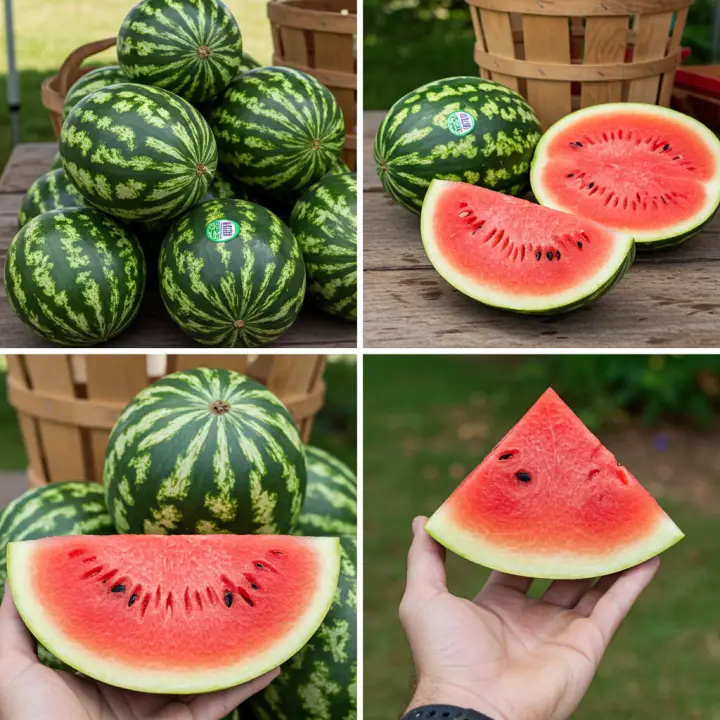
The Georgia Rattlesnake watermelon, with its distinctive striped rind resembling a rattlesnake, is a treasured heirloom variety known for its sweet, crisp flesh and high sugar content. While it requires a bit more attention than some hybrid varieties, the reward of a juicy, homegrown Rattlesnake watermelon is well worth the effort. This guide will equip you with the knowledge and techniques necessary to successfully grow these impressive melons in your own garden.
Site Selection and Soil Preparation for Georgia Rattlesnake Watermelons
Choosing the right location and preparing the soil are crucial for healthy watermelon growth. These melons thrive in warm climates with plenty of sunshine.
- Sunlight: Select a location that receives at least 6-8 hours of direct sunlight daily.
- Soil: Well-drained, sandy loam soil with a pH between 6.0 and 6.8 is ideal. Amend heavy clay soils with compost or other organic matter to improve drainage and fertility.
- Space: Rattlesnake watermelons are vigorous growers and require ample space. Allow 6-8 feet between plants and 8-10 feet between rows.
Planting Georgia Rattlesnake Watermelon Seeds
Proper planting techniques are essential for successful germination and healthy seedling development.
- Starting Indoors (Optional): For an earlier harvest, start seeds indoors 4-6 weeks before the last expected frost. Use biodegradable pots to avoid disturbing the roots during transplanting.
- Direct Sowing: Once the soil temperature consistently reaches 70°F (21°C), sow seeds directly into the garden.
- Planting Depth: Plant seeds 1 inch deep.
- Watering: Water gently after planting to ensure good soil contact.
Caring for Your Growing Georgia Rattlesnake Watermelons
Consistent care throughout the growing season will maximize your harvest.
- Watering: Water deeply and regularly, especially during dry periods. Avoid overhead watering to prevent fungal diseases. A soaker hose or drip irrigation system is ideal.
- Fertilizing: Apply a balanced fertilizer (10-10-10) when the vines begin to run. Side-dress with compost or aged manure for an extra boost of nutrients.
- Weed Control: Keep the area around the plants weed-free to minimize competition for nutrients and water. Mulching can help suppress weeds and retain moisture.
- Pest and Disease Management: Monitor for common watermelon pests like aphids, cucumber beetles, and spider mites. Use appropriate organic or chemical controls as needed. Preventative measures like crop rotation and proper watering can help minimize disease.
- Pollination: Rattlesnake watermelons require pollination for fruit set. Attract bees and other pollinators to your garden by planting flowers nearby. Hand-pollination can also be done if needed.
Harvesting Georgia Rattlesnake Watermelons
Knowing when to harvest your watermelons will ensure peak flavor and sweetness.
- Thump Test: A dull thud when the melon is thumped indicates ripeness.
- Belly Check: The underside of the melon should have a creamy yellow or orange spot where it rested on the ground.
- Tendril Drying: The tendril closest to the melon will usually dry and turn brown when the fruit is ripe.
Common Problems and Solutions
- Poor Fruit Set: This can be due to inadequate pollination. Encourage pollinators or hand-pollinate.
- Blossom End Rot: A calcium deficiency causes this condition. Amend the soil with calcium and ensure consistent watering.
- Fungal Diseases: Prevent fungal diseases by practicing proper watering and spacing. Use fungicides if necessary.
FAQs about Growing Georgia Rattlesnake Watermelons
- Q: How long does it take for Georgia Rattlesnake watermelons to mature?
- A: It typically takes 80-90 days from seed to harvest.
- Q: How big do Georgia Rattlesnake watermelons get?
- A: They can range in size from 20-40 pounds.
- Q: Can I save seeds from my Georgia Rattlesnake watermelon to plant next year?
- A: Yes, you can save seeds from a ripe watermelon. Allow the seeds to dry completely before storing them in a cool, dry place.
- Q: What are some good companion plants for Georgia Rattlesnake watermelons?
- A: Marigolds, nasturtiums, and oregano can help deter pests.
- Q: How do I store harvested watermelons?
- A: Whole watermelons can be stored in a cool, dry place for 1-2 weeks. Cut watermelon should be refrigerated.
Conclusion
Growing Georgia Rattlesnake watermelons can be a rewarding experience. By following these tips and providing consistent care, you can enjoy a bountiful harvest of these delicious and unique melons. From site selection and soil preparation to planting, watering, and eventual harvesting, understanding the nuances of this heirloom variety will lead you to watermelon-growing success. Remember to be patient, observant, and enjoy the process of nurturing these magnificent melons from tiny seeds to juicy fruits. The distinctive stripes, impressive size, and sweet flavor of the Georgia Rattlesnake watermelon will make it a prized addition to your garden and your table.