Growing hibiscus from seed indoors involves providing the right warmth, moisture, and light for germination. Once sprouted, consistent watering, good soil, and adequate sunlight are key. Patience is vital, as it can take time for seeds to sprout and the plant to mature.
Understanding Hibiscus and Starting from Seed
Hibiscus plants are famous for their large, showy flowers. They come in many colors and types. Some are tropical, while others are hardy.
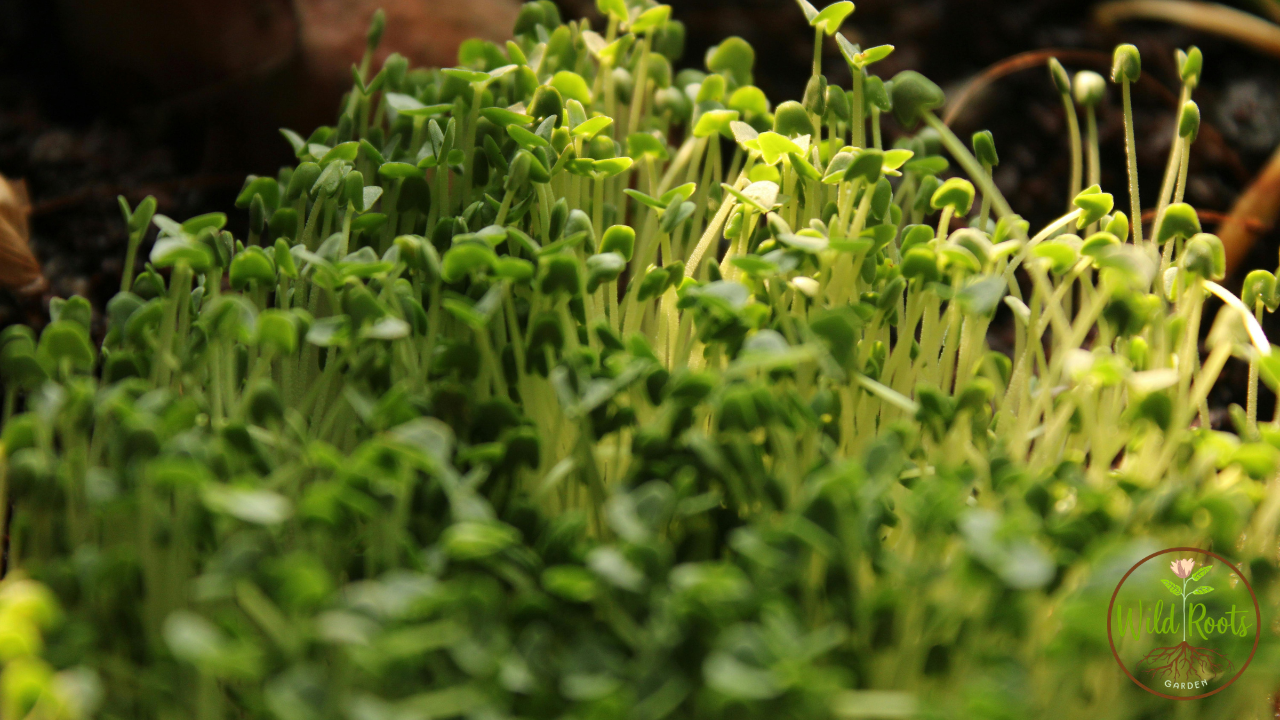
When you grow hibiscus from seed indoors, you’re often starting with a tropical variety. These plants love warmth and sunshine. They are not naturally suited for cold weather.
That’s why starting them inside is a great idea.
Starting from seed allows you to grow many plants. You can also try different varieties. It’s also much cheaper than buying mature plants.
The biggest challenge is getting the seeds to sprout. Hibiscus seeds can be a bit stubborn. They often need help to wake up.
This process is called scarification or stratification. It helps break down their hard outer shell. This allows water to get inside.
This water is what signals the seed to start growing.
Most people miss this crucial first step: preparing the seeds. They might just pop them in dirt and wait. But hibiscus seeds have a tough coat.
Think of it like a tiny armored suit. This suit protects the seed inside. But it also makes it hard for water to penetrate.
So, we need to gently weaken that armor. This is where scarification comes in. It’s a fancy word for scratching or nicking the seed coat.
You can use a few methods for scarification. One common way is to gently rub the seeds on sandpaper. You only need to make a tiny scratch.
Don’t grind them down. Another method is to soak them in warm water. You can do this for about 24 hours.
This also helps soften the shell. Sometimes, a combination works best.
Once the seeds are ready, it’s time to plant them. You’ll need a good starting mix. It should be light and airy.
This helps prevent rot. You can buy special seed-starting mix. Or you can make your own.
A common mix is equal parts peat moss and perlite. This combination provides good drainage. It also holds some moisture.
My First Seed-Starting Adventure
I remember my first attempt at growing hibiscus from seed. I was so excited. I had just bought a packet of hibiscus seeds online.
They promised beautiful red flowers. I read the back of the packet. It said to soak them overnight.
So, I did that. Then I planted them in a small pot of potting soil. I put it on my windowsill.
Then I waited. And waited. Nothing happened.
A week went by. Then two weeks. Still no sprouts.
I started to get discouraged. I thought maybe the seeds were old. Or maybe I just wasn’t cut out for this.
One day, I was reading an old gardening book. It mentioned scarifying hibiscus seeds. I realized I had missed that step.
The seed coat was probably too hard for water to get in.
The next weekend, I tried again. This time, I carefully nicked each seed with a small file. Then I soaked them for 24 hours in warm water.
The water turned a bit brown. That felt like a good sign. Then I planted them in a seed-starting tray with the right mix.
I put the tray on a heating mat. I kept the soil moist.
Within five days, I saw tiny green sprouts! It was amazing. That small extra step made all the difference.
It taught me that sometimes, nature needs a little help. And those little sprouts turned into healthy plants. It was a valuable lesson in patience and understanding plant needs.
Preparing the Seeds for Germination
Let’s dive deeper into preparing those little hibiscus seeds. This is where many people stumble. But with the right approach, you can boost your success rate significantly.
Remember, hibiscus seeds have a tough outer shell. This shell is designed to protect the seed from drying out and damage. However, it also acts as a barrier to germination.
Scarification: Gently Breaking the Shell
Scarification means making a small opening in the seed coat. This allows water to penetrate. There are a few ways to do this:
- Sanding: Take a piece of fine-grit sandpaper. Gently rub each seed on the sandpaper. You only need to rub one side. You are looking to create a tiny nick or thin spot. Don’t overdo it. You don’t want to damage the embryo inside.
- Filing: A small metal nail file can also work. Carefully file a tiny notch into the seed coat. Again, be gentle.
- Puncturing: Some people use a sharp knife or razor blade. They carefully nick the seed coat. This method requires a very steady hand. It’s easy to go too deep.
After scarifying, it’s a good idea to rinse the seeds. This washes away any loose bits from the sanding or filing. It also helps remove any natural inhibitors that might be on the seed coat.
Soaking: Softening the Shell
Once scarified, most seeds benefit from soaking. This helps to fully hydrate the seed. It also softens the scarified area.
You can soak the seeds in clean water. Warm water is often best. It seems to speed up the process.
Let the seeds soak for at least 12 to 24 hours. You might see some seeds sink to the bottom. These are generally good seeds.
Some might float. These could be empty or non-viable. You can discard the floaters.
Important Note: Some hibiscus varieties might not need scarification. However, for most tropical hibiscus seeds, this step is highly recommended. It really makes a difference.
Seed Prep Quick Guide
Step 1: Scarify
Gently nick or sand the seed coat. Aim for a tiny opening.
Step 2: Rinse
Wash seeds to remove debris.
Step 3: Soak
Place seeds in warm water for 12-24 hours.
Step 4: Discard Floaters
Remove any seeds that float after soaking.
Planting Your Hibiscus Seeds
With your seeds prepped, it’s time to get them into their first home. The planting medium is very important here. You want something that drains well.
This prevents the seeds from rotting before they sprout. It also needs to hold enough moisture to keep them happy.
Choosing the Right Soil Mix
A good seed-starting mix is your best bet. These mixes are designed to be light and sterile. This reduces the risk of fungal diseases.
You can find them at garden centers. If you want to make your own, try this:
- 1 part peat moss (or coco coir for a more sustainable option)
- 1 part perlite
- 1 part vermiculite (optional, helps with moisture retention)
Mix these ingredients thoroughly. The goal is a fluffy, airy texture.
Planting Depth and Spacing
Hibiscus seeds should be planted about ¼ to ½ inch deep. Don’t plant them too deep. The little sprout needs to be able to reach the surface easily.
If you are using a seed tray, plant one or two seeds per cell. If you are using a larger pot, space them about 2-3 inches apart.
Watering After Planting
After planting, water the soil gently. You want it to be moist, but not soggy. A spray bottle is great for this.
It helps avoid disturbing the seeds. You can also bottom water the pot or tray. Place it in a tray of water.
Let the soil soak up water from the bottom. Once the surface looks moist, remove it from the water.
Providing the Right Environment for Germination
This is where warmth and humidity become critical. Hibiscus seeds love heat. They need a consistent temperature to germinate well.
Aim for temperatures between 70-80°F (21-27°C).
- Heating Mat: A seed-starting heating mat is highly recommended. Place your seed tray or pot on top of it. This provides the steady bottom heat they need.
- Covering: To maintain humidity, cover your seed tray or pot. You can use a clear plastic dome that comes with seed trays. If not, a piece of clear plastic wrap will work. Just make sure to poke a few small holes in it. This allows for some air circulation.
- Location: Place the covered tray in a warm spot. The top of your refrigerator can sometimes be warm. Or you can use the heating mat. Avoid direct sunlight at this stage. Bright light can overheat the seeds.
Planting Essentials
Medium: Light, sterile seed-starting mix. Or a DIY blend of peat/coco coir, perlite, and vermiculite.
Depth: 1/4 to 1/2 inch.
Watering: Keep soil consistently moist but not waterlogged. Use a spray bottle or bottom watering.
Temperature: 70-80°F (21-27°C) is ideal.
Humidity: Cover to maintain high humidity. Ensure some air circulation.
The Waiting Game: Germination and Early Growth
Now comes the part that tests your patience. Hibiscus seeds can take a while to sprout. It’s common for them to take anywhere from one week to four weeks.
Some might even take longer. This is normal. Try not to disturb them too much during this time.
Signs of Germination
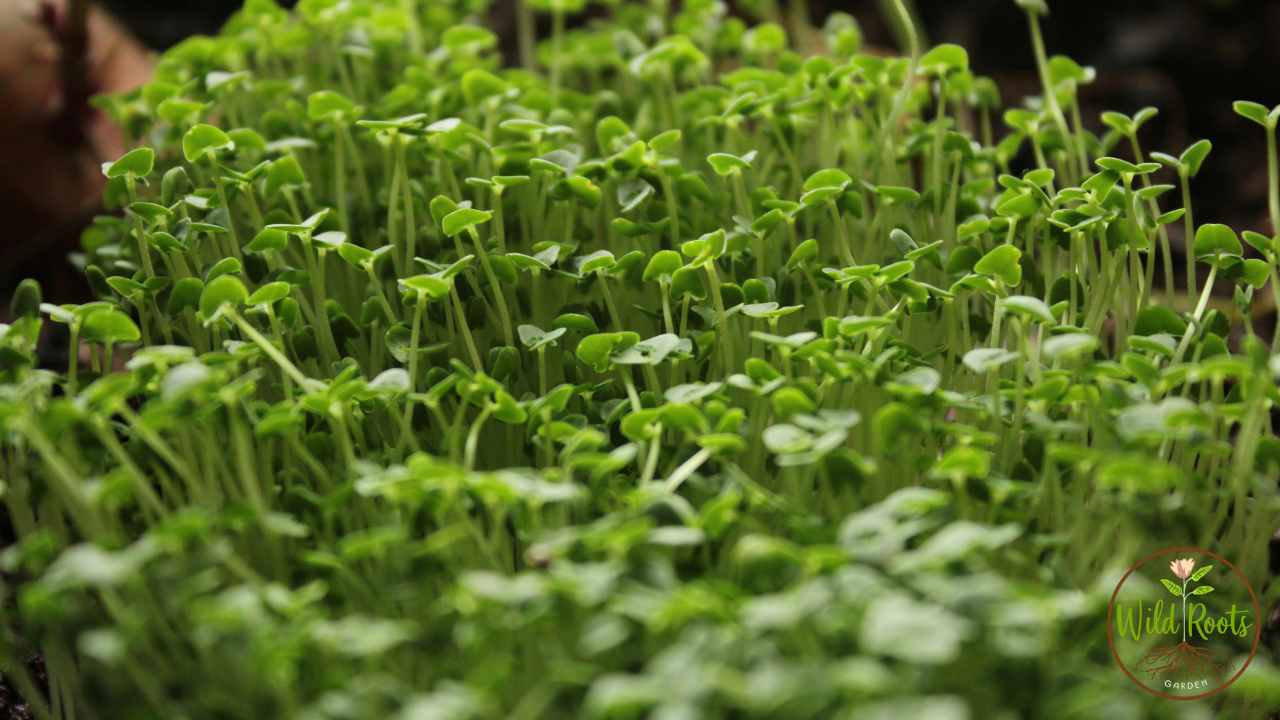
You’ll know germination has begun when you see a small green sprout emerge from the soil. It will likely look like a tiny curved stem. Soon, two small leaves, called cotyledons, will unfurl.
These are the seed’s first leaves. They provide energy for the young plant.
What to Do Once They Sprout
As soon as you see sprouts, it’s time for a slight change in environment. First, remove the plastic cover or dome. This allows for better air circulation.
This helps prevent damping off. Damping off is a fungal disease that can kill young seedlings. It thrives in constantly wet, humid conditions without airflow.
Next, the seedlings need light. They need plenty of bright, indirect light. A sunny windowsill can work.
However, it’s often not enough light. The seedlings can become leggy. This means they grow tall and thin, reaching for light.
Leggy seedlings are weak. They are more prone to breaking.
Using Grow Lights
This is where grow lights really shine. You can buy inexpensive LED grow lights designed for seedlings. Place them about 4-6 inches above the seedlings.
Keep them on for about 12-16 hours a day. This provides the strong, even light they need. It helps them grow sturdy and compact.
Watering Seedlings
Keep the soil consistently moist. But again, avoid waterlogging. The tiny roots are still developing.
They can easily be damaged by too much water. Water when the top of the soil starts to feel dry to the touch. Continue to use a gentle watering method or bottom watering.
Air Circulation
Good airflow is important. You can use a small fan on a low setting. Direct it towards the seedlings for a few hours a day.
This strengthens their stems. It also helps prevent fungal diseases.
Post-Sprouting Care
Remove Covers: Once sprouts appear, remove any plastic covering.
Light: Provide 12-16 hours of bright, indirect light daily. Grow lights are ideal.
Water: Keep soil moist but not soggy. Let the top dry slightly between waterings.
Airflow: Use a small fan on low for a few hours a day to strengthen stems.
Fertilizer: Wait until the seedlings have developed their first set of true leaves. Then, start with a very dilute liquid fertilizer (half strength).
Transplanting Your Young Hibiscus
Once your hibiscus seedlings have grown a bit, they will need more space. This process is called transplanting or potting up. You’ll notice they have developed a few sets of true leaves.
True leaves are the ones that look like miniature versions of the adult plant’s leaves. The cotyledons will likely start to wither and fall off around this time.
When to Transplant
A good sign it’s time to transplant is when the seedlings are starting to look crowded. If they are in individual cells, you might see roots starting to peek out of the drainage holes. If they are in a larger pot, their leaves might be touching each other.
Choosing the Right Pot Size
For the first transplant, choose a pot that is about 4-6 inches in diameter. It should have drainage holes. You don’t want to put a small seedling into a huge pot.
A pot that is too large can hold too much moisture. This can lead to root rot.
The Potting Mix for Larger Pots
You can continue to use a good quality potting mix. Or you can create a slightly richer blend. A good mix might be:
- 2 parts potting soil
- 1 part compost or worm castings
- 1 part perlite or coarse sand (for drainage)
This mix provides more nutrients for the growing plant. It also ensures good drainage.
How to Transplant Carefully
Be very gentle with the young roots. They are fragile.
- Water the seedlings thoroughly an hour or two before transplanting. This makes the soil cling to the roots. It also makes them less likely to break.
- Gently loosen the soil around the seedling. If in a tray, you can often push up from the bottom of the cell. If in a pot, you might need to carefully tip the pot.
- Hold the seedling by its leaves, not the stem. The stem is very delicate.
- Place the seedling in the new pot. The top of the root ball should be about an inch below the rim of the new pot.
- Fill in around the root ball with your new potting mix. Gently firm the soil. Don’t pack it down too hard.
- Water the newly transplanted seedling well. This helps settle the soil around the roots.
After Transplanting Care
Keep the transplanted seedlings in bright, indirect light for the first week. Avoid direct, hot sun. This can shock them.
After a week, you can gradually introduce them to more direct light. Continue to water them when the top inch of soil feels dry. You can start feeding them with a balanced liquid fertilizer.
Use it at half strength, about every two weeks.
Ongoing Care for Your Indoor Hibiscus
As your hibiscus plant grows, its needs will change. Providing consistent care is key to getting it to bloom. Tropical hibiscus needs specific conditions to thrive indoors.
Light Requirements
Hibiscus are sun-lovers. Indoors, they need as much bright light as you can give them. A south-facing window is ideal.
If you don’t have one, a bright east or west-facing window will also work. Aim for at least 6-8 hours of direct sunlight per day. If your plant isn’t getting enough light, it might become leggy.
It may also fail to produce flowers.
Consider using grow lights during the darker months. Or if your windows don’t get enough sun. Full-spectrum LED grow lights are very effective.
Position them 6-12 inches above the plant. Run them for 10-12 hours a day.
Watering Needs
Hibiscus like to be kept consistently moist. But they hate sitting in soggy soil. Water your plant when the top inch of soil feels dry to the touch.
This might be every few days, depending on the temperature and humidity in your home. Always water thoroughly until water drains from the bottom of the pot. Discard any excess water in the saucer.
This prevents root rot.
In dry indoor environments, especially during winter when heating systems are on, hibiscus can suffer. You can increase humidity by:
- Misting the leaves regularly.
- Placing the pot on a pebble tray filled with water. Make sure the bottom of the pot isn’t touching the water.
- Using a humidifier near the plant.
Fertilizing for Blooms
To encourage blooming, your hibiscus will need regular feeding. Use a balanced liquid fertilizer. Start with a formula like 10-10-10 or one specifically for flowering plants.
Feed your plant every 2-4 weeks during the growing season (spring and summer). Use it at half the recommended strength on the package. Reduce or stop fertilizing during the fall and winter months when the plant’s growth slows down.
A fertilizer higher in phosphorus can help promote blooms. Look for a fertilizer with a higher middle number (the ‘P’ in N-P-K). For example, a 10-20-10 formula.
Soil and Potting
Use a well-draining potting mix. A good quality commercial potting soil is usually fine. You can add perlite or coarse sand to improve drainage.
Repot your hibiscus every 1-2 years. Do this in the spring. Choose a pot that is only slightly larger than the current one.
Over-potting can lead to issues.
Pruning
Pruning helps maintain the shape of your plant. It also encourages bushier growth and more flowers. You can prune in late winter or early spring before new growth begins.
Remove any dead, damaged, or crossing branches. You can also trim back leggy stems. This will encourage new side shoots.
Hibiscus bloom on new growth, so pruning actually helps produce more flowers.
Hibiscus Bloom Boosters
Sunlight: At least 6-8 hours of direct sun daily.
Water: Consistent moisture, but no waterlogged roots.
Fertilizer: Balanced or bloom-boosting fertilizer every 2-4 weeks in spring/summer.
Humidity: Increase humidity, especially in dry indoor air.
Pruning: Prune in late winter/early spring to encourage new, flowering growth.
Common Problems and How to Address Them
Even with the best care, your indoor hibiscus might face some challenges. Knowing what to look for can help you fix issues quickly.
Yellowing Leaves
Yellow leaves can signal several things. It could be due to overwatering or underwatering. Check the soil moisture.
If it’s too wet, let it dry out and reduce watering frequency. If it’s too dry, water more deeply and regularly.
Nutrient deficiency is another cause. If your plant is well-watered but still yellowing, it might need fertilizer. Apply a balanced liquid fertilizer.
If the yellowing is on the older leaves, it could be nitrogen deficiency.
Lack of light can also cause leaves to turn yellow and drop. Make sure your plant is getting enough bright light.
Leaf Drop
Hibiscus can drop leaves if there are sudden changes in its environment. This includes temperature fluctuations, drafts, or repotting stress. Low humidity can also cause leaf drop, especially in dry indoor conditions.
Try to maintain consistent conditions.
Pests
Indoor hibiscus can be susceptible to common houseplant pests. These include:
- Aphids: Tiny green, black, or brown insects found on new growth.
- Spider Mites: Tiny mites that cause stippling on leaves and fine webbing.
- Whiteflies: Small, white, moth-like insects that fly up when disturbed.
- Mealybugs: White, cottony masses on stems and leaves.
Inspect your plant regularly. If you find pests, act quickly. You can often wipe them off with a damp cloth.
For more serious infestations, use insecticidal soap or neem oil. Follow the product instructions carefully.
Lack of Blooms
If your hibiscus isn’t blooming, it’s usually due to one of a few reasons:
- Not enough light: This is the most common reason. Ensure it gets 6-8 hours of direct sun or equivalent grow light.
- Improper fertilizing: Too much nitrogen can promote leafy growth but inhibit flowering. Too little fertilizer also means fewer blooms.
- Incorrect pruning: Pruning at the wrong time or too heavily can remove flower buds.
- Stress: Environmental changes, pests, or diseases can stress the plant, preventing blooming.
Addressing these issues will help your hibiscus produce those beautiful flowers you’ve worked so hard to grow from seed.
Real-World Scenarios for Indoor Hibiscus
Let’s think about where your indoor hibiscus plant might live and why certain things happen.
The Sunny South-Facing Window Scenario
Imagine you have a perfect south-facing window. You’ve carefully nurtured your hibiscus from a tiny seed. You transplanted it into a nice pot.
You water it just right. Because it gets all that direct sun, it grows strong. The leaves are a deep green.
And soon, you see those first few buds forming. This is the ideal environment. The consistent light and warmth make it happy.
The Drafty Corner Problem
Now, consider a different home. Maybe the only spot for the plant is near a door or an air vent. This means it’s exposed to cold drafts or blasts of dry air.
Even if you water it perfectly, it might start dropping leaves. Or the buds might fall off before opening. Hibiscus plants don’t like sudden temperature changes or strong airflow.
The Humid Bathroom Oasis
Some people find success growing tropical plants in bathrooms. The natural humidity from showers is a big plus for hibiscus. If you have a bright bathroom, it can be a great spot.
The plant thrives on the moisture. This helps prevent issues like crispy leaf edges.
The Over-Waterer’s Tale
We all know someone who loves their plants a little too much. They water every day, just to be sure. For hibiscus, this is a disaster.
The roots sit in water, start to rot, and the plant wilts. Even if the leaves look green, the roots are dying. This is why checking soil moisture is so important.
It’s better to let the soil dry out a bit than to drown the plant.
Understanding these real-life situations helps us adapt our care. It’s not just about following steps. It’s about observing your plant and its surroundings.
What This Means for Your Indoor Hibiscus
So, what does all this information mean for your journey growing hibiscus from seed indoors? It means you have the power to create a thriving indoor garden.
When is it Normal?
It’s normal for hibiscus seeds to take time to sprout. It’s normal for young seedlings to need careful attention. Yellowing leaves can be normal sometimes, especially if it’s just one or two older leaves.
A little leaf drop when moving the plant is also typical.
When Should You Worry?
You should worry if all your seeds fail to sprout after a month. This might mean the seeds were not viable, or the conditions were wrong. If your seedlings suddenly wilt and die, that’s a sign of damping off.
Widespread yellowing of leaves, along with wilting, could mean root rot from overwatering. A plant covered in visible pests also needs immediate attention.
Simple Checks You Can Do
Soil Moisture: Stick your finger about an inch into the soil. If it feels dry, water. If it feels wet, wait.
Leaf Inspection: Look closely at the leaves, tops and bottoms. Check for tiny bugs or discolored spots. Do this weekly.
Light Levels: Is the plant getting enough bright light? Can you feel warmth from the sun on its leaves for several hours a day?
Drainage: Is water running freely from the bottom of the pot when you water? If not, the drainage holes might be blocked.
By understanding what’s normal and what’s concerning, you can be a better plant parent. You can catch problems early. This helps your hibiscus grow strong and beautiful.
Quick Tips for Hibiscus Success
Here are some easy tips to help you grow your hibiscus from seed successfully indoors:
- Use Warm Water: When soaking seeds or watering seedlings, warm water is best. It mimics natural conditions.
- Don’t Overcrowd: Give your seedlings enough space. This helps prevent disease.
- Rotate Your Pot: Turn your pot every week or so. This helps the plant grow evenly towards the light.
- Clean Up Dropped Leaves: Remove any fallen leaves or debris from the pot. This prevents pests and diseases.
- Listen to Your Plant: Pay attention to its signals. Yellow leaves, wilting, or dry leaf edges are its way of telling you something.
Frequently Asked Questions About Growing Hibiscus from Seed Indoors
How long does it usually take for hibiscus seeds to sprout?
Hibiscus seeds can take anywhere from 1 week to 4 weeks, or even longer, to sprout. Patience is key! Providing consistent warmth and moisture is very important during this time.
Can I grow hibiscus from seed without a heating mat?
Yes, you can, but it might take longer for the seeds to sprout. Try to find the warmest spot in your home. Placing them on top of a refrigerator can sometimes provide enough gentle heat.
Why are my hibiscus seedlings turning yellow and leggy?
This usually means they are not getting enough light. They are stretching to reach for more. Try moving them to a brighter spot or using grow lights.
Ensure they have adequate water, but avoid overwatering, which can also cause yellowing.
What is the best type of soil for indoor hibiscus?
A well-draining potting mix is best. You can use a good quality commercial potting soil, or create your own by mixing potting soil with perlite or coarse sand for extra drainage.
How often should I fertilize my indoor hibiscus?
During the growing season (spring and summer), fertilize every 2-4 weeks with a balanced liquid fertilizer at half strength. Reduce or stop fertilizing in fall and winter.
My hibiscus has buds, but they keep falling off. What’s wrong?
Bud drop is often caused by stress. This could be due to inconsistent watering, sudden temperature changes, drafts, low humidity, or not enough light. Try to ensure consistent conditions for your plant.
Conclusion
Growing hibiscus from seed indoors is a rewarding process. It allows you to nurture a beautiful plant from its very beginning. By understanding seed preparation, providing the right environment for germination, and offering consistent care, you can enjoy vibrant blooms.
Remember that patience and observation are your best tools. Your indoor hibiscus journey will be filled with learning and lovely flowers.