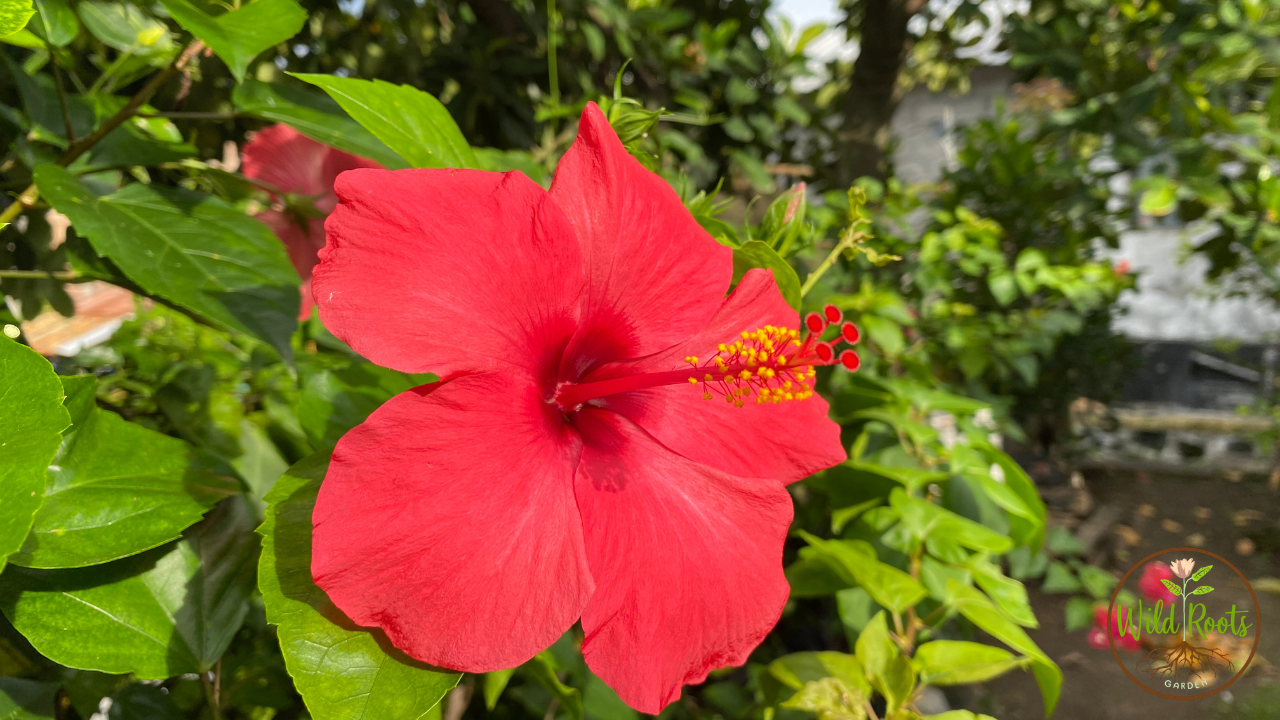
Growing hibiscus from a stem cutting involves taking a piece of a healthy stem and encouraging it to grow roots. This is a common and effective method to create new plants that are identical to the parent plant. It requires attention to detail, the right materials, and a bit of patience.
Understanding Hibiscus Stem Cuttings
Hibiscus plants are beautiful, with big, colorful flowers. Many gardeners want more of these lovely plants. Taking cuttings is a way to get more without buying new ones.
It’s a method called propagation. It means making new plants from parts of an existing one. This is a very old way to grow plants.
When you take a cutting, you are taking a small piece of a stem. This stem has all the potential to grow into a new, full-sized hibiscus. It has special cells that can turn into roots and new leaves.
It’s quite amazing when you think about it. The new plant will be exactly like the plant it came from.
There are different types of cuttings you can take. For hibiscus, stem cuttings work well. You can choose between softwood, semi-hardwood, or hardwood cuttings.
Softwood cuttings are taken from new growth in spring. Semi-hardwood cuttings come from slightly older growth in summer. Hardwood cuttings are from very mature stems in late fall or winter.
For most home gardeners, semi-hardwood cuttings are a great choice. They are not too soft and not too hard. They usually have a good balance for rooting.
This means they have a good chance of growing roots successfully. It’s a sweet spot for getting new plants started.
When to Take Hibiscus Cuttings
Timing is important for success. The best time to take hibiscus cuttings is usually in the late spring or early summer. This is when the plant is actively growing.
The new stems are flexible but starting to firm up a bit. This type of stem is called semi-hardwood. It’s neither too soft nor too woody.
You can also try taking cuttings in early fall. The growth might be a bit slower then. But the stems can still be strong enough to root.
The key is to choose a healthy, vigorous plant. Look for stems that don’t have flowers or buds on them yet. This way, the plant’s energy goes into growing roots, not flowers.
It’s also helpful to know your specific hibiscus variety. Some types might root more easily than others. But generally, the late spring to early summer window is a safe bet.
It’s when nature is on your side for plant growth.
What You Need to Get Started
To grow hibiscus from stem cuttings, you need a few things. Having the right tools makes the job much easier. It also increases your chances of success.
Think of it like baking a cake; you need the right ingredients and tools.
First, you need a clean, sharp cutting tool. This could be pruning shears or a sharp knife. It’s vital that the tool is clean.
You don’t want to spread any diseases to your cutting or the parent plant. Wash it with soap and water or wipe it with rubbing alcohol.
Next, you’ll need a rooting hormone. This is a powder or gel that helps cuttings grow roots faster. It’s not always strictly necessary, but it really helps.
It gives the cutting a boost. You can find rooting hormone at most garden centers. It’s usually quite affordable.
You also need a pot or container to start your cuttings in. A small pot with drainage holes is best. Make sure water can drain out.
This stops the soil from getting too wet, which can cause the cutting to rot. Small plastic pots or even recycled yogurt cups with holes poked in the bottom can work.
The growing medium is also important. You want something that drains well. A mix of half peat moss and half perlite is excellent.
You can also use a seed-starting mix. Some people use coarse sand mixed with potting soil. The main goal is good drainage.
Soggy soil is the enemy of cuttings.
Finally, you’ll need some water. You’ll use this to moisten the growing medium. You might also want a clear plastic bag or a plastic dome.
This helps create a humid environment around the cutting while it roots. This is very helpful, especially in dry air.
Essential Tools for Hibiscus Cuttings
- Clean Pruning Shears or Knife: For a precise cut.
- Rooting Hormone: To encourage root development.
- Small Pots with Drainage: To hold the cutting and soil.
- Well-Draining Potting Mix: Such as peat moss and perlite.
- Water: For misting and watering.
- Plastic Bag or Dome: To maintain humidity.
How to Take the Cutting
This is the hands-on part! It’s quite simple once you know the steps. You want to select a healthy stem from your parent hibiscus plant.
Look for a stem that is about pencil-thick. It should be firm but still a bit flexible. Avoid stems that are very soft and green, or very old and woody.
Cut a piece of the stem that is about 4 to 6 inches long. Make the cut just below a leaf node. A leaf node is a spot on the stem where leaves grow out.
This is where roots are most likely to form. Use your sharp, clean tool for a clean cut. A jagged cut can be harder to heal.
Once you have your stem cutting, it’s time to prepare it. First, remove the leaves from the bottom half of the cutting. You don’t want leaves that will be below the soil line.
This helps prevent them from rotting. Leave only a few leaves at the very top. If the remaining leaves are very large, you can cut them in half.
This reduces water loss through transpiration.
Now, dip the cut end of the stem into the rooting hormone. Tap off any excess powder. You want a thin, even coating.
If you are using a gel, follow the product instructions. The hormone helps protect the cut end and encourages root growth. This is a key step for better results.
Gently insert the treated end of the cutting into your prepared pot of moist potting mix. Push it down about 1 to 2 inches. Make sure it’s firm in the soil.
You can gently firm the soil around the stem with your fingers. This helps the cutting make good contact with the soil.
Creating the Right Environment for Rooting
After planting your cutting, it needs a special environment to start growing roots. The goal is to keep it moist and humid. This is very important because the cutting doesn’t have roots yet to take up water from the soil.
It needs help to stay hydrated.
Cover the pot with a clear plastic bag. You can use a zip-top bag or a large plastic grocery bag. Poke a few small holes in the bag to allow for some air circulation.
Or, use a plastic dome designed for seed starting. This creates a mini-greenhouse effect. It traps moisture around the cutting.
Place the pot in a bright spot, but out of direct sunlight. Too much sun can scorch the leaves and overheat the cutting. A windowsill that gets bright, indirect light is perfect.
You want the temperature to be warm, ideally between 70-80°F (21-27°C). This helps the plant cells grow.
Check the soil moisture regularly. It should always feel moist, but not soggy. If it feels dry, mist it lightly with water.
You can also carefully water the soil. Don’t let the soil dry out completely. This is a common mistake that can lead to failure.
The plastic bag will help keep the moisture in.
Hibiscus Cutting Care Checklist
- Location: Bright, indirect light.
- Temperature: Warm, 70-80°F (21-27°C).
- Humidity: High (use a plastic bag or dome).
- Watering: Keep soil consistently moist, not wet.
- Airflow: Small holes in the bag or a vented dome.
When to Expect Roots
Patience is key when growing plants from cuttings. It can take several weeks for roots to form. Some cuttings might root in 3-4 weeks, while others might take 6-8 weeks, or even longer.
It really depends on the type of hibiscus, the time of year, and the conditions you provide.
You can gently tug on the cutting to see if it feels resistant. If it feels like it’s anchored in the soil, it’s likely starting to grow roots. Another way to check is to look for new leaf growth.
New leaves are a good sign that the cutting has taken root and is getting energy. However, some cuttings might sprout leaves without forming strong roots yet. So, resistance when tugged is a better indicator.
Don’t be discouraged if some cuttings don’t make it. It’s normal to lose a few. Focus on the ones that show signs of life.
You can remove any cuttings that start to turn black or mushy. These are likely rotting and won’t recover. Just keep tending to the healthy ones.
Once you see good root development, or feel resistance when tugging, it’s time to transition your new plant. Carefully remove the plastic bag or dome. Continue to keep the soil moist.
Gradually, over a week or two, acclimate the cutting to the normal humidity of your home. This helps it adjust.
Transplanting Your New Hibiscus
When your cutting has a good root system and is showing new growth, it’s ready to be moved to a slightly larger pot. Choose a pot that is about 4 to 6 inches in diameter. Make sure it also has drainage holes.
Use a good quality potting mix for this next step. You can use a general-purpose potting soil. Some people like to add a bit of compost to enrich it.
Fill the new pot with the soil. Make a small hole in the center for the cutting’s roots.
Carefully remove the rooted cutting from its original pot. Try to keep as much of the soil around the roots as possible. This minimizes transplant shock.
Gently place the root ball into the hole you made in the new pot. Fill in around the roots with more soil, pressing lightly.
Water the newly potted hibiscus well. This helps settle the soil around the roots. Place the plant in a location with bright, indirect light.
Keep it out of strong, direct sun for the first week or two after transplanting. This allows it to recover from the move.
Continue to water regularly. Check the soil moisture by poking your finger about an inch deep. Water when the top inch of soil feels dry.
As the plant grows, you will need to move it to larger pots. This is called repotting. You’ll know it’s time when you see roots growing out of the drainage holes.
Ongoing Care for Your Propagated Hibiscus
Your young hibiscus plant needs continued care to thrive. Feeding it is important for growth. You can start feeding it a diluted liquid fertilizer about a month after transplanting.
Use a balanced fertilizer. Follow the instructions on the fertilizer package, but it’s often best to use half the recommended strength when feeding young plants.
Watering remains crucial. Hibiscus plants like consistent moisture. They don’t like to dry out completely, nor do they like to sit in water.
Learn to read your plant and its soil. The amount of water needed will change with the weather. Hotter days mean more frequent watering.
Sunlight is also important. Once your hibiscus is established, it will need plenty of sun. Most hibiscus varieties need at least 6 hours of direct sunlight per day to produce lots of blooms.
If you are growing an indoor hibiscus, place it in your sunniest window.
As your plant grows, you might want to prune it. Pruning helps shape the plant. It also encourages bushier growth and more flowers.
You can prune in late winter or early spring before new growth starts. Remove any dead, damaged, or crossing branches. Don’t be afraid to trim it back to encourage a fuller shape.
Watch out for pests. Common hibiscus pests include aphids, spider mites, and whiteflies. Regularly inspect your plant’s leaves and stems.
If you spot any pests, try to deal with them quickly. Often, a strong spray of water can wash them off. Insecticidal soap or neem oil can also be effective.
Using these natural remedies is often better for the plant and the environment.
Tips for a Healthy Hibiscus
- Fertilize: Use a balanced liquid fertilizer monthly during the growing season.
- Water: Keep soil consistently moist; avoid waterlogged conditions.
- Sunlight: Aim for 6+ hours of direct sun daily.
- Pruning: Shape the plant and encourage blooms in late winter/early spring.
- Pest Control: Inspect regularly and treat pests promptly with gentle methods.
Common Issues and How to Address Them
Even with the best care, you might encounter some problems. One common issue is yellowing leaves. This can happen for several reasons.
It might be due to overwatering or underwatering. It could also be a sign of nutrient deficiency. Check the soil moisture first.
If that’s okay, try a balanced fertilizer.
Another problem is buds dropping before they open. This is frustrating! It can be caused by sudden changes in temperature, lack of water, or pests.
Ensure your plant is in a stable environment. Make sure it’s getting enough water and light. Regularly check for pests like aphids.
Sometimes, the cuttings might just refuse to root. This is disappointing, but it’s part of the learning process. It could be due to the type of cutting, the temperature being too cool, or the soil being too wet or too dry.
Don’t give up! Try again with new cuttings. Perhaps at a different time of year, or with slightly adjusted conditions.
If your cutting rots, it means it was likely too wet. The stem couldn’t dry out enough to form callus tissue and then roots. It just turned mushy and black.
For future attempts, ensure your potting mix drains exceptionally well. And try not to overwater while it’s trying to root.
Remember that hibiscus plants are generally tough. They are resilient and can bounce back from many issues with the right attention. Learning from each attempt is the most important part of becoming a better gardener.
When is it a Good Time to Plant Outdoors?
Your new hibiscus plant will likely need to stay indoors for its first year. This is especially true if you live in a region with cold winters. Hibiscus plants, particularly tropical varieties, are sensitive to frost.
Outdoor planting is best reserved for when the danger of frost has completely passed.
In most parts of the U.S., this means waiting until late spring or early summer. Check your local last frost dates. When the nighttime temperatures consistently stay above 50°F (10°C), your plant is more likely to survive and thrive outdoors.
Tropical hibiscus are very sensitive to cold. Hardy hibiscus varieties can tolerate colder weather, but still need protection when very young.
Before planting outdoors, it’s a good idea to harden off your plant. This means gradually getting it used to outdoor conditions. For about a week, place the pot outside in a sheltered spot for a few hours each day.
Increase the time spent outdoors gradually. Also, bring it back inside at night. This process helps prevent shock from sudden exposure to sun, wind, and cooler temperatures.
Choose a planting location that receives plenty of sunlight. The soil should be well-draining. If you have heavy clay soil, amend it with compost or other organic matter.
This improves drainage and aeration. Dig a hole twice as wide as the root ball and just as deep. Gently remove the plant from its pot.
Loosen any tightly bound roots. Place the plant in the hole so the top of the root ball is level with the soil surface. Backfill the hole with soil and water thoroughly.
Hibiscus Variety Considerations
There are many types of hibiscus. The most common types grown from cuttings are tropical hibiscus and hardy hibiscus. Tropical hibiscus are known for their large, showy flowers and are popular in warmer climates.
They cannot survive freezing temperatures.
Hardy hibiscus, also known as Rose of Sharon or Althea, are more cold-tolerant. They can survive in much colder climates. They typically bloom later in the summer than tropical varieties.
The process for taking cuttings is similar for both types. However, their survival needs outdoors will differ significantly based on your climate.
When you propagate, you will get an exact replica of the parent plant. So, if you have a hibiscus with a specific flower color or form that you love, taking cuttings is the best way to ensure you get another plant just like it. This is a major advantage of vegetative propagation.
Hibiscus Cutting Success Factors
- Parent Plant Health: Choose a vigorous, disease-free plant.
- Timing: Late spring to early summer for semi-hardwood cuttings.
- Cutting Size: 4-6 inches long, with a leaf node at the bottom.
- Sterile Tools: Prevent disease transmission.
- Rooting Hormone: Increases the chance of successful rooting.
- Humidity: Crucial for preventing dehydration before roots form.
- Patience: Rooting takes time, weeks to months.
Troubleshooting Common Propagation Problems
Let’s talk about what can go wrong, because it happens to everyone! It’s not a sign of failure, just a learning opportunity. A very common issue is the cutting wilting and dying before it roots.
This usually means it’s not getting enough moisture. The leaves are losing water faster than the stem can absorb it.
This can be because the humidity isn’t high enough. Or maybe the soil is drying out too quickly. Ensure you have that plastic bag or dome in place.
And check the soil moisture at least once a day. If the soil is dry, mist it or water it gently.
Another problem is rot. You might see the bottom of the cutting turn black and mushy. This is a sign of too much moisture and not enough air circulation.
It means fungal or bacterial growth has taken over. To prevent this, make sure your potting mix is very well-draining.
Avoid overwatering. And if you are using a plastic bag, make sure there are a few small holes for air to get in. Sometimes, using a sterile potting mix can also help.
This reduces the chance of introducing disease-causing organisms.
What if your cutting looks fine but just never grows roots? This can be frustrating. It might be that the cutting wasn’t taken at the right time.
Or perhaps the stem was too old or too young. Try taking cuttings from different parts of the plant. Or try again at a different time of year.
Sometimes, a bit of warmth is needed. A heat mat can help keep the soil temperature consistent and warm.
Can You Grow Hibiscus From Seed?
While growing hibiscus from stem cuttings is the most common and reliable method for creating a plant identical to the parent, it is also possible to grow hibiscus from seed. However, this is a different process and has different outcomes. Seeds will not produce a plant identical to the parent plant.
They will be a new combination of traits.
Seed propagation is more common for breeders looking to create new varieties. For the average gardener wanting more of their favorite hibiscus, cuttings are the way to go. Seeds also take much longer to mature into flowering plants compared to cuttings.
If you do decide to try seeds, you’ll need to collect them after the flowers have faded and the seed pods have dried. They should be planted in a seed-starting mix and kept moist and warm. But for reliable, identical plants, stick with stem cuttings.
Frequently Asked Questions About Growing Hibiscus from Cuttings
What is the best time of year to take hibiscus cuttings?
The best time is generally late spring to early summer. This is when the plant has new, semi-hardwood growth that roots well. Early fall can also work, but spring and summer growth is usually more vigorous.
How long does it take for hibiscus cuttings to root?
Rooting can take anywhere from 3 to 8 weeks, sometimes longer. Patience is very important. New leaf growth and resistance when gently tugged are signs of rooting.
Do I need to use rooting hormone for hibiscus cuttings?
While not strictly mandatory, rooting hormone significantly increases your chances of success. It helps stimulate root development and protects the cut end from disease. It’s a good idea to use it.
My hibiscus cutting is wilting, what should I do?
Wilting usually means the cutting is losing moisture. Ensure the soil is kept consistently moist and that you are maintaining high humidity around the cutting, often by using a plastic bag or dome.
Can I use any part of the hibiscus stem for a cutting?
It’s best to use semi-hardwood cuttings, which are about pencil-thick and have started to firm up but are still flexible. Avoid very soft, new growth or very old, woody stems for best results.
What kind of soil should I use for hibiscus cuttings?
A well-draining potting mix is essential. A common and effective mix is equal parts peat moss and perlite, or a good quality seed-starting mix. The goal is to prevent waterlogging.
How do I know when my rooted cutting is ready to be transplanted?
You’ll see signs of new growth and feel resistance when you gently tug on the stem, indicating roots have formed. The cutting will feel anchored in the soil.
Conclusion
Growing hibiscus from stem cuttings is a wonderful way to expand your garden. It lets you share these beautiful plants with friends or simply enjoy more of them yourself. By following these steps carefully and being patient, you can successfully propagate your own vibrant hibiscus plants.
Each new plant is a testament to your gardening efforts and a source of future blooms.