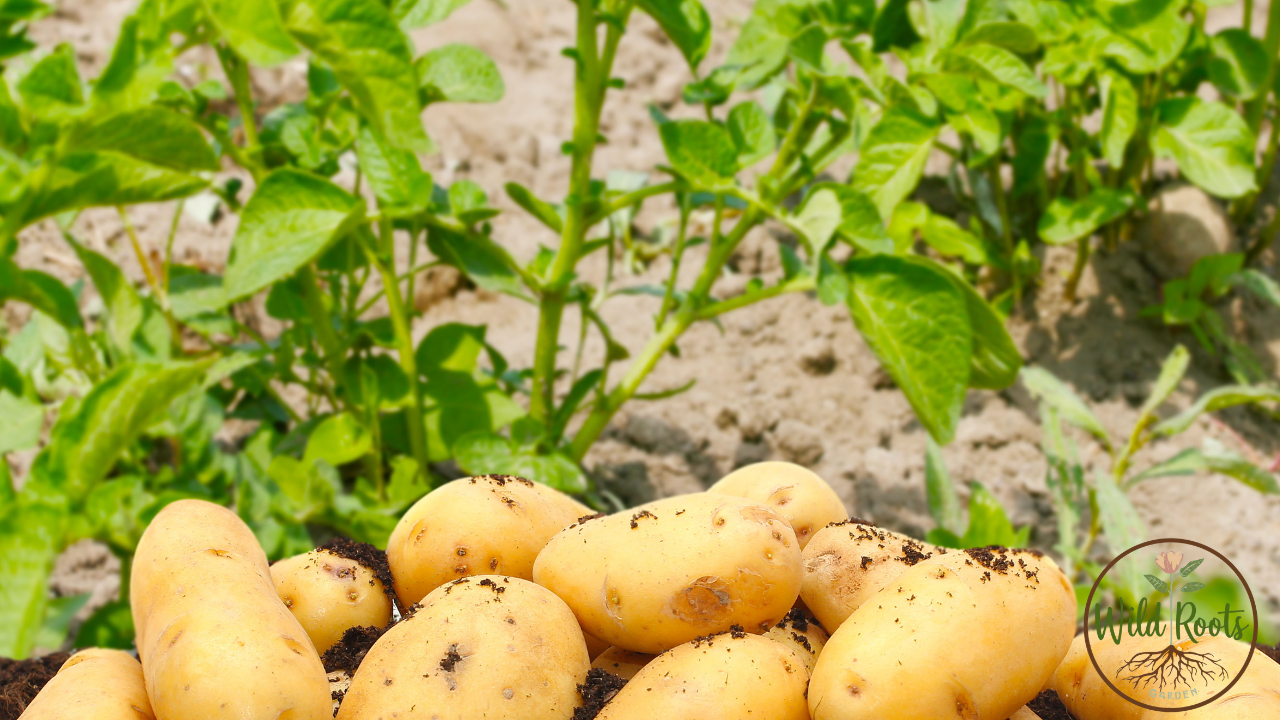
Growing your own potatoes is one of the most rewarding beginner gardening projects. Potatoes are forgiving, productive, and you get to dig up hidden treasure at harvest time. Whether you have a large garden plot or just a balcony/patio, you can grow a surprising amount of spuds with minimal effort.
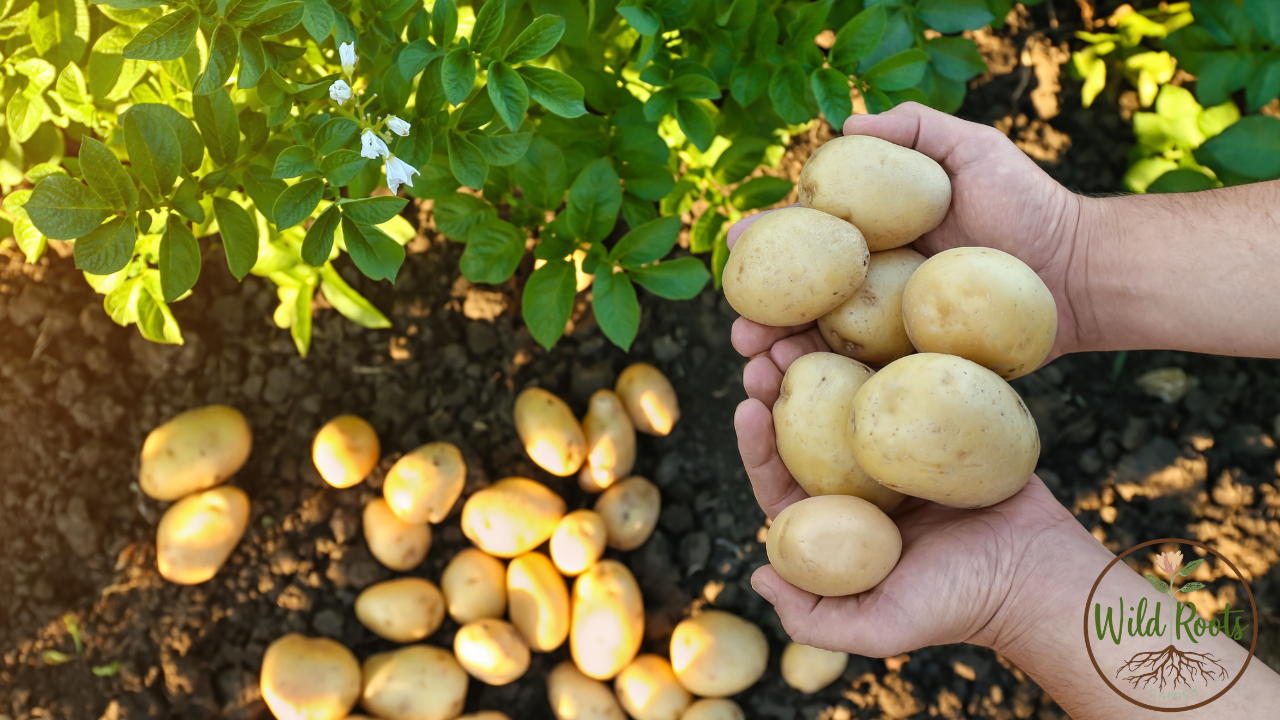
This guide is tailored for complete beginners — we’ll cover everything from start to finish.
Why Grow Potatoes?
- Fresh homegrown potatoes taste far better than store-bought.
- They’re relatively low-maintenance once established.
- One plant can yield 5–15 potatoes (or more with good care).
- Great for small spaces using containers or grow bags.
Here are some popular beginner-friendly varieties (many are widely available and reliable):
- Yukon Gold — Yellow flesh, versatile (boil, mash, roast), good yield.
- Red varieties like Dark Red Norland — Early, colorful skin, great for new potatoes.
- Russet types — Classic baking potatoes, high yield.
- Fingerlings (e.g., Russian Banana) — Fun shape, tasty, disease-resistant.
For your first try, pick “first early” or “second early” types — they mature faster (10–14 weeks) and reduce risk of late blight in humid areas.
Step 1: Get Seed Potatoes Ready (Chitting)
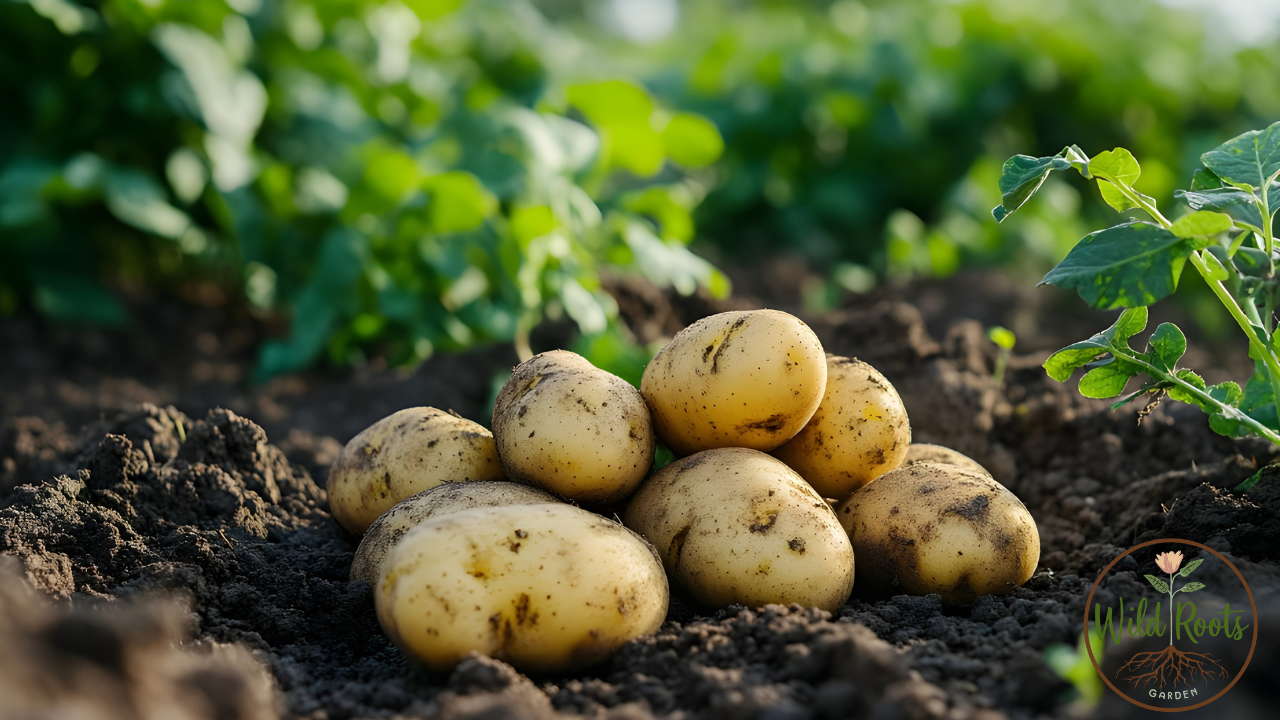
Buy certified seed potatoes from a garden center or reputable supplier (never use regular supermarket potatoes — they may be treated and carry diseases).
1–2 weeks before planting:
- Place them in a cool (50–70°F / 10–21°C), bright spot (like an egg carton on a windowsill).
- Let short, sturdy sprouts (“eyes”) form — this gives plants a head start.
If sprouts get too long and leggy, they’re still usable — just handle gently.
Step 2: When and Where to Plant
Timing: Plant 2–4 weeks before your last expected frost date, once soil reaches ~45°F (7°C) and isn’t waterlogged. In many places, that’s March–April; in warmer climates, earlier or even fall planting.
Location: Full sun (6+ hours), well-draining spot. Potatoes prefer slightly acidic soil (pH 5–6 is ideal) but adapt well.
Avoid planting where tomatoes, peppers, or potatoes grew recently (crop rotation prevents disease).
Step 3: Planting Methods
Two beginner-friendly options:
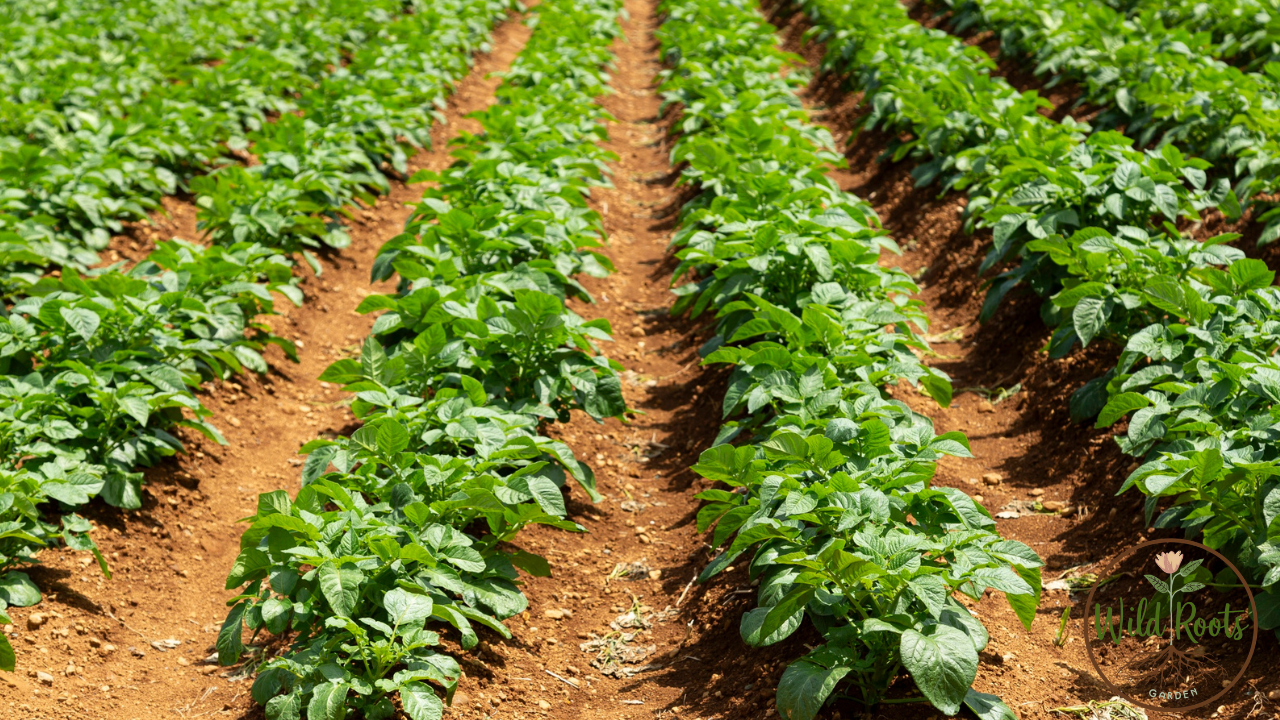
In the Ground (Traditional Trench Method)
- Dig a trench 6–10 inches deep.
- Place seed potatoes 10–12 inches apart, eyes/sprouts facing up.
- If large, cut into pieces (each with 2–3 eyes), let cuts dry/callous 1–2 days.
- Cover with 4 inches of soil initially.
- Rows: 30–36 inches apart.
In Containers / Grow Bags (Easiest for Beginners & Small Spaces)
- Use 10–20 gallon fabric grow bags, large pots, or even trash cans with drainage holes.
- Start with 4–6 inches of loose, rich potting mix or garden soil + compost.
- Plant 3–5 seed potatoes per bag, 4–6 inches deep.
- This method simplifies “hilling” and harvesting.
Step 4: Hilling Up — The Magic Step
As stems grow to ~6–8 inches tall, mound soil or compost around them, leaving the top leaves exposed. Repeat every 2–3 weeks until the mound is high.
Why? New tubers form on buried stems — more hilling = more potatoes + prevents greening from sun exposure.
Ongoing Care
- Water: Consistent moisture (1–2 inches per week), especially during tuber formation. Avoid soggy soil.
- Weed: Keep weeds down — they compete for nutrients.
- Fertilizer: Use balanced organic fertilizer at planting, then side-dress with compost mid-season. Avoid high-nitrogen late in growth (encourages leaves over tubers).
- Watch for pests (Colorado potato beetle — hand-pick) or blight (remove affected leaves quickly).
Step 5: When and How to Harvest
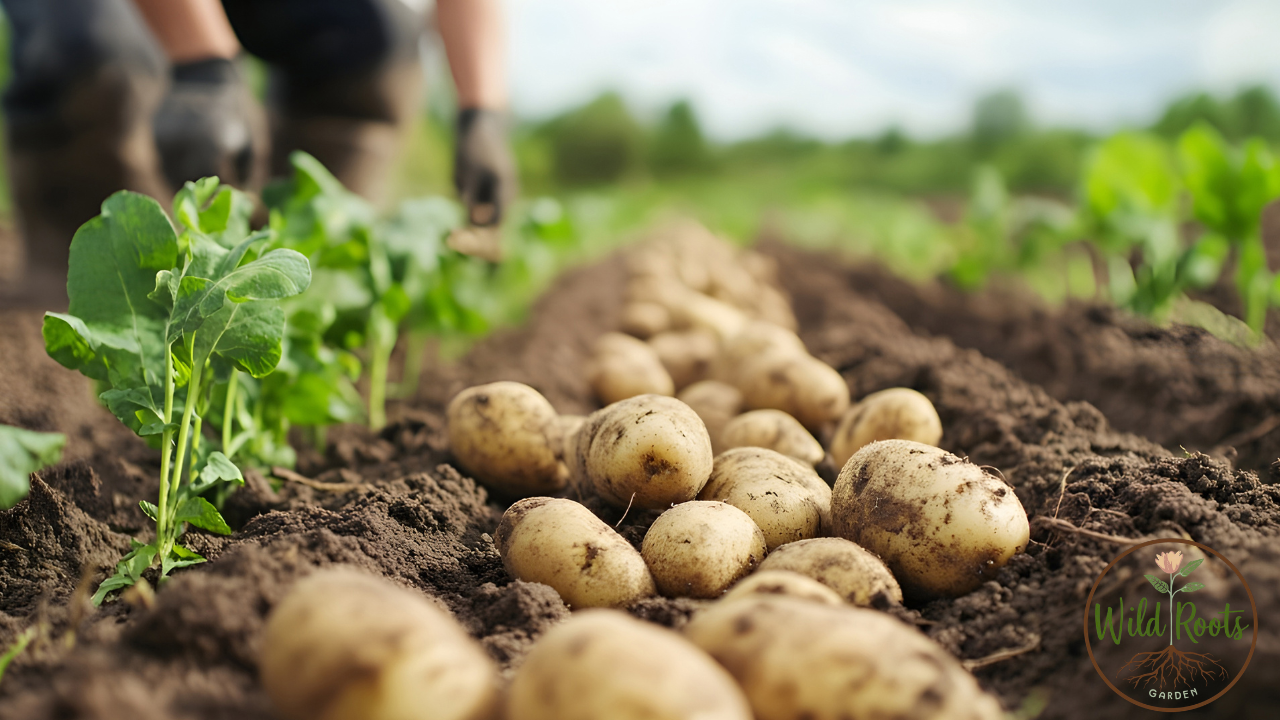
- New potatoes: Dig gently around plants 2–3 weeks after flowering for small, tender ones.
- Main crop: Wait until foliage yellows and dies back naturally (usually 10–20 weeks total).
- Stop watering a week before harvest to toughen skins.
- Use a garden fork to lift plants — dig carefully to avoid stabbing tubers.
Let them dry on the surface a few hours, then store in a cool (45–50°F / 7–10°C), dark, ventilated place.
Quick Beginner Tips & Common Mistakes to Avoid
- Don’t plant too early in cold/wet soil — rot happens.
- Don’t skip hilling — you’ll get fewer potatoes.
- Use certified seed potatoes only.
- Rotate crops yearly.
- If leaves turn yellow early, check for watering issues or pests.
With these steps, your first potato harvest should be a success — and probably bigger than expected. Enjoy those homegrown fries, mashed potatoes, or roasted spuds!