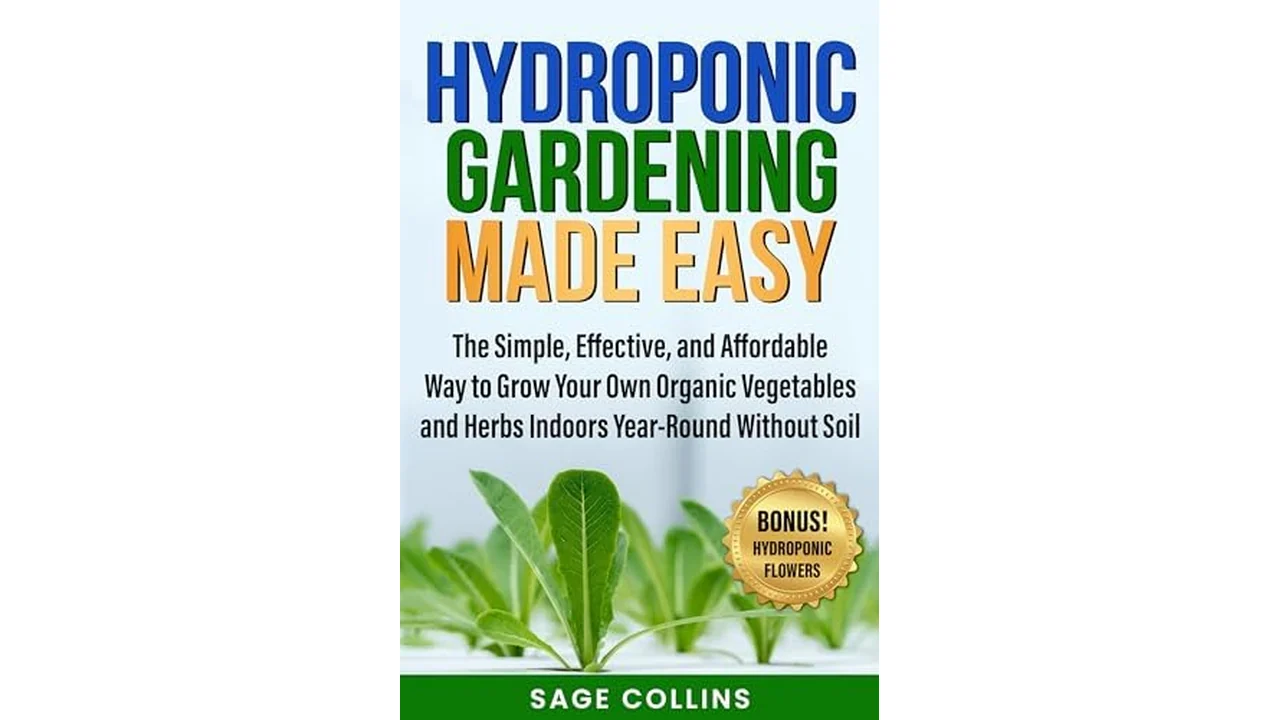
- Tired of wilted herbs and store-bought veggies? Imagine harvesting fresh, organic produce right from your kitchen counter, no matter the season. HYDROPONIC GARDENING MADE EASY: The Simple, Effective and Affordable Way to Grow Your Own Organic Vegetables and Herbs Indoors Year-Round Without Soil promises just that, offering a straightforward path to year-round indoor gardening. This guide seems designed to demystify hydroponics, making it accessible to beginners and experienced gardeners alike.
- Crafts, Hobbies & Home: Positions this book as a practical addition to your home, fitting into creative and self-sufficient lifestyle choices.
- Gardening & Horticulture: Clearly falls within the realm of serious gardening, offering expert advice for plant cultivation.
- Organic & Sustainable: Emphasizes growing practices that are good for you and the environment, aligning with a conscious consumer lifestyle.
- A look into the various methods and systems available so you can choose the perfect setup for your budget and know-how: This is a crucial feature, promising tailored advice to match individual circumstances, ensuring you don’t overspend or get overwhelmed.
- Accessibility for all levels: The promise of a “simple, effective and affordable way” suggests that complex gardening techniques are broken down into manageable steps, making it ideal for newcomers to hydroponics.
- Year-round growing capability: The ability to grow indoors means you are not limited by seasons or weather, ensuring a consistent supply of fresh produce.
- Focus on organic and sustainable practices: This appeals to consumers looking for healthier food options and environmentally friendly hobbies.
- Guidance on choosing systems: The feature highlighting various methods and systems empowers readers to make informed decisions based on their personal budget and experience, preventing common beginner mistakes.
- Versatility for vegetables and herbs: This broad application means you can grow a wide variety of produce, from salad greens to aromatic herbs, enhancing your culinary creations.
- Methodology Exploration: The book delves into different hydroponic methods, allowing readers to understand the pros and cons of each. This is crucial for selecting a system that aligns with available space, time commitment, and desired plant types.
- Budget-Conscious Advice: The emphasis on affordability means that readers can likely find options that fit their financial constraints. This removes a significant barrier to entry for many aspiring indoor gardeners.
- Ease of Implementation: The “easy” aspect of the product name suggests practical, step-by-step instructions that are easy to follow, even for those with no prior gardening experience.
- Sustainable Cultivation: By focusing on organic and sustainable methods, the guide promotes growing practices that minimize environmental impact and produce healthier food.
- Year-Round Production: The indoor focus ensures that the gardening process is independent of external climate conditions, guaranteeing a steady harvest throughout the year.
- Beginner Gardeners: Individuals new to gardening or hydroponics who need a clear, step-by-step guide to get started without feeling overwhelmed.
- Apartment Dwellers and Small Space Owners: Those with limited outdoor space who want to grow their own fresh produce and herbs indoors.
- Health-Conscious Consumers: People who prioritize organic and pesticide-free food and want direct control over how their produce is grown.
- Culinary Enthusiasts: Cooks and home chefs who want access to fresh herbs and vegetables year-round to elevate their dishes.
- Hobbyists Seeking a Sustainable Pastime: Individuals looking for an engaging and rewarding hobby that also contributes to a more sustainable lifestyle.
Key Features That Stand Out

HYDROPONIC GARDENING MADE EASY: The Simple, Effective and Affordable Way to Grow Your Own Organic Vegetables and Herbs Indoors Year-Round Without Soil
What We Like
Performance Analysis
Best For
Buying Guide
Key Features to Look For
When considering a resource like HYDROPONIC GARDENING MADE EASY: The Simple, Effective and Affordable Way to Grow Your Own Organic Vegetables and Herbs Indoors Year-Round Without Soil, prioritize guides that offer a clear breakdown of different hydroponic systems. Look for content that explains the principles behind nutrient solutions, light requirements, and basic plant care in an easy-to-understand manner. A strong emphasis on organic and sustainable practices is a plus, ensuring your harvest is healthy. Crucially, the guide should empower you to choose a system that fits your budget and know-how, rather than pushing a one-size-fits-all approach.
Important Materials
While this product is a guide, it will implicitly guide you on materials needed for a hydroponic setup. Expect to learn about the types of growing mediums (like rockwool, coco coir, or perlite), nutrient solutions (often sold as pre-mixed formulas), growing containers (buckets, trays, or specialized hydroponic systems), and lighting solutions (grow lights). The guide should help you understand the pros and cons of different materials for your specific needs.
Essential Factors to Consider
Size is a paramount factor; the guide should help you assess how much space you have available for your indoor garden, whether it’s a small countertop setup or a larger dedicated area. Compatibility refers to matching the chosen hydroponic system and plants to your living environment, including light availability and temperature control. Usage requirements will vary based on the complexity of the system chosen; some require more frequent monitoring and nutrient adjustments than others. The guide’s ability to help you match these factors to your lifestyle is key.
Budget Planning
The “affordable” aspect of the product’s description is a major draw. Expect a range of hydroponic systems that can cater to different budgets. Entry-level kits can be quite inexpensive, while more sophisticated setups can represent a significant investment. A good guide will offer options across the spectrum, allowing you to start small and scale up if desired. Factor in the ongoing costs of nutrients, electricity for lights, and seeds or seedlings.
When to Buy
The beauty of hydroponic gardening is its year-round capability, so there’s no strict “seasonal” purchase requirement for the guide itself. However, if you’re looking to start growing specific seasonal produce indoors, purchasing the guide in advance of your desired growing season will give you ample time to set up your system and plan your planting schedule. Consider purchasing during sales events if you’re looking to save on associated setup costs.
Frequently Asked Questions
What are the basic types of hydroponic systems covered?
The guide aims to explore various hydroponic methods and systems, so you can expect to learn about common setups like Deep Water Culture (DWC), Nutrient Film Technique (NFT), and possibly others like ebb and flow or drip systems.
Is this guide suitable for someone with absolutely no gardening experience?
Yes, the emphasis on “simple, effective” and making it easy suggests that the content is designed for beginners and breaks down complex topics into manageable steps.
How does this guide help me choose the right system for my needs?
It provides insights into various available methods and systems, allowing you to select one that best fits your personal budget and existing knowledge or comfort level.
Can I really grow organic vegetables and herbs year-round with this method?
Absolutely, hydroponics allows for indoor cultivation independent of external weather conditions, enabling continuous, year-round harvesting of your chosen organic produce.
What does “affordable way” mean in practice?
It implies that the guide will present hydroponic gardening options that are cost-effective to set up and maintain, making it accessible to a wider range of individuals.
Does the guide cover the necessary nutrients for plant growth?
While not explicitly detailed in the features, a comprehensive hydroponic guide would naturally cover the importance and types of nutrient solutions required for successful plant cultivation.
What kind of vegetables and herbs can I expect to grow?
The guide focuses on growing organic vegetables and herbs, suggesting a broad range of common culinary plants that thrive in hydroponic environments, from leafy greens to fragrant herbs.
In conclusion, HYDROPONIC GARDENING MADE EASY: The Simple, Effective and Affordable Way to Grow Your Own Organic Vegetables and Herbs Indoors Year-Round Without Soil appears to be a well-rounded resource for anyone looking to embrace indoor gardening. It promises to demystify hydroponics with a focus on simplicity, sustainability, and affordability, making fresh, organic produce accessible year-round.