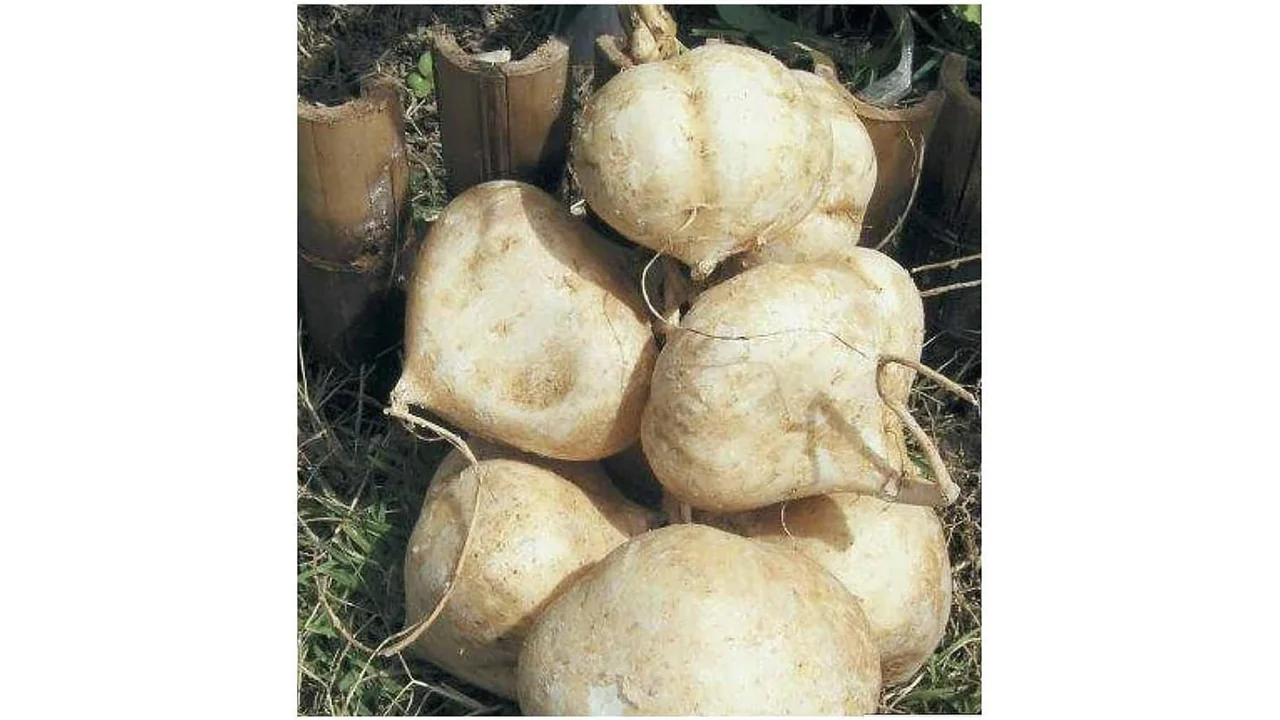
- Dreaming of growing your own delicious, crisp jicama? The Jicama Root Seeds – 20 Large Seeds Thai Jicama. Jicama Plants Produce Several Bulbs Like Large Potatoes… offer a fantastic opportunity to cultivate these unique root vegetables right in your garden. These seeds promise a rewarding growing experience, bringing the exotic flavor of Thai jicama to your table with plants that are known to yield multiple large, potato-like bulbs.
- Comprehensive Cultivation Guidance: Detailed instructions for starting seeds indoors 8-10 weeks before the last frost, emphasizing the need for warm soil for germination and careful hardening off before transplanting.
- Optimal Planting Conditions: Recommends planting in late spring/early summer in a warm, sunny location with soil temperatures above 70°F, and highlights the importance of preparing fertile, well-drained soil at least 20 inches deep for best root development.
- Focus on Root Production: Advises removing flower buds to redirect the plant’s energy into growing larger tubers, a crucial tip for maximizing yield.
- Extended Harvest Window: Indicates that tubers can be harvested 5 to 9 months after sowing, allowing flexibility in planning.
- Proper Storage Recommendations: Provides specific guidance for storing harvested tubers in a dry, dark, cool environment at 50-60°F to maintain freshness.
- Commitment to Quality: Features emphasize that the seeds are Non GMO and Neonicotinoid Seed free, appealing to health-conscious and environmentally aware gardeners.
- Established Supplier: Notes that Marde Ross & Company, the supplier, specializes in flowering bulbs and peonies and has been a licensed California Nursery since 1985, suggesting a reputable source for garden products.
- Versatile Garden Use: Categorized under Patio, Lawn & Garden, indicating its suitability for various home gardening setups.
- High-Quality Seed Assurance: The fact that these are Non GMO and Neonicotinoid Seed free is a significant plus for those who prioritize natural and safe gardening practices.
- Detailed Growing Instructions: The provided cultivation steps are thorough, covering everything from indoor starting to outdoor transplanting and harvesting, which is invaluable for novice gardeners attempting jicama for the first time.
- Focus on Optimal Yield: The specific advice to remove flower buds to encourage root growth is a practical tip that directly addresses how to achieve successful tuber production, making the most of each plant.
- Reputable Seller Information: Knowing that Marde Ross & Company has a long history as a licensed nursery since 1985 lends credibility and trust to the product, suggesting a reliable source for your gardening needs.
- Generous Seed Count: Twenty large seeds provide ample opportunity to grow a good harvest or to experiment with different planting times or locations within your garden.
- Patient Gardeners: Those who understand that growing jicama requires a long commitment, from starting seeds indoors to waiting for the tubers to mature over several months.
- Home Gardeners in Warmer Climates: Individuals living in regions with long, warm summers will find it easiest to meet the jicama’s requirement for consistent heat and sunshine.
- Enthusiasts Seeking Unique Produce: Gardeners looking to grow something beyond common vegetables and wanting to experience the distinct, sweet crunch of fresh jicama.
- Growers Prioritizing Non-GMO and Organic Practices: Consumers who specifically seek out seeds that are Non GMO and free from harmful pesticides like neonicotinoids.
- Anyone with Well-Prepared Garden Beds: The need for deep, fertile, and well-drained soil makes these seeds ideal for gardeners who can amend their soil thoroughly or use raised beds.
- Small-Scale Commercial Growers: With 20 seeds, there’s potential to cultivate a significant patch for local markets or personal consumption, provided the growing conditions are met.
- Clear Cultivation Instructions: Look for seed packets that provide detailed guidance on starting seeds indoors, transplanting, and optimal growing conditions, similar to the comprehensive advice offered with these Thai Jicama seeds.
- Non-GMO and Seed Quality Assurance: Prioritize seeds that are explicitly stated as Non GMO and free from harmful treatments like neonicotinoids, ensuring a healthier harvest.
- Seed Count and Viability: A sufficient number of seeds, like the 20 large seeds provided here, is important for experimentation or ensuring a successful planting.
- Variety Information: Understanding the specific variety (e.g., Thai Jicama) can give clues about its growth habits, flavor profile, and suitability for your climate.
- Supplier Reputation: Purchasing from established and reputable suppliers, like Marde Ross & Company with their long history as a licensed nursery, can increase confidence in seed quality and germination rates.
- Climate and Growing Season Length: Jicama requires a long, warm growing season (5-9 months). Ensure your climate can support this. If not, consider container gardening or a greenhouse.
- Soil Preparation: The need for deep, fertile, and well-drained soil cannot be overstated. Plan to amend your soil significantly or prepare large containers.
- Sunlight Exposure: Jicama thrives in full sun, so choose a planting location that receives ample sunlight throughout the day.
- Watering and Drainage: While jicama needs consistent moisture, good drainage is vital to prevent root rot.
- Pest and Disease Management: Be aware of potential pests and diseases in your area that might affect root crops.
Key Features That Stand Out
This Jicama seed offering comes packed with useful information and features for the aspiring gardener:
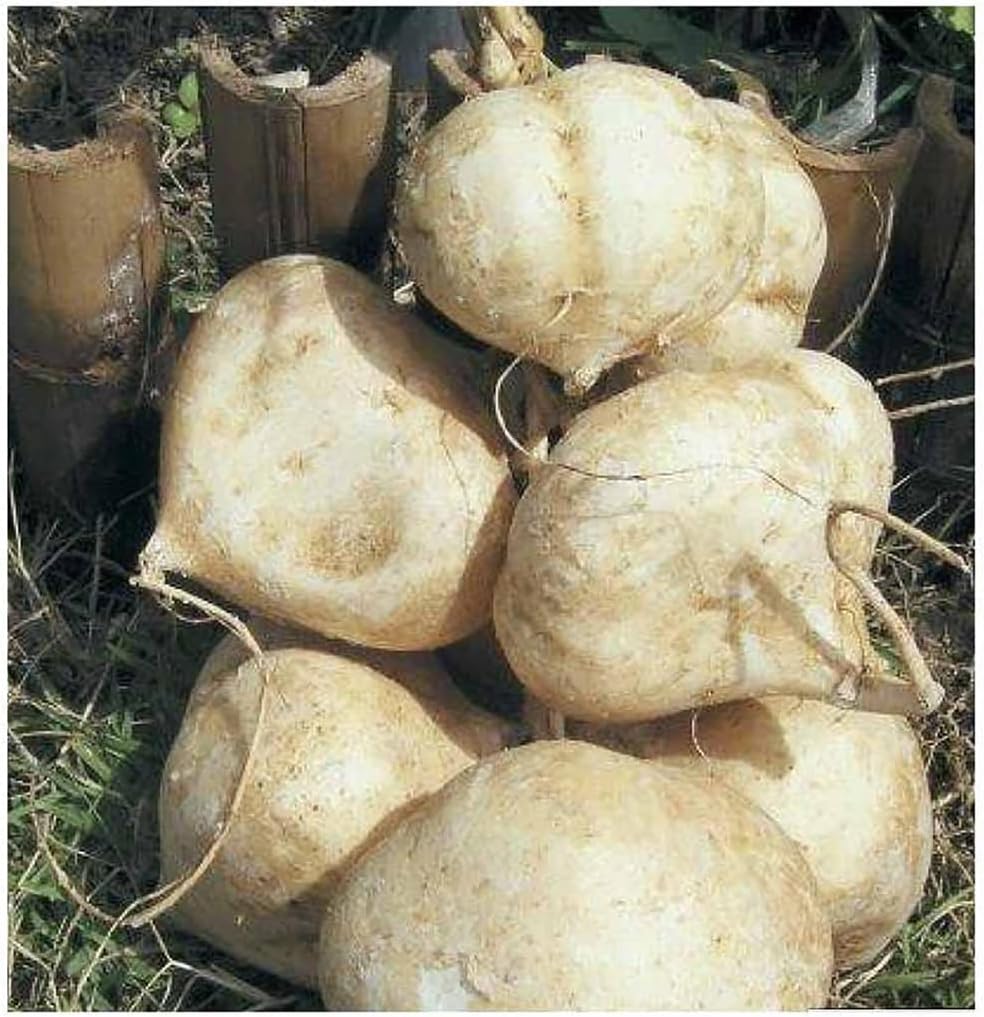
Jicama Root Seeds – 20 Large Seeds Thai Jicama. Jicama Plants Produce Several Bulbs Like Large Potatoes…
What We Like
Performance Analysis
Based on the provided features, the Jicama Root Seeds – 20 Large Seeds Thai Jicama. Jicama Plants Produce Several Bulbs Like Large Potatoes… are designed for gardeners who are willing to put in the effort for a rewarding harvest. The cultivation guide emphasizes the need for a long growing season and specific temperature requirements, indicating that success hinges on providing the right conditions. The instructions for starting seeds indoors 8-10 weeks before the last frost suggest a need for careful planning and a protected environment during the early stages. The recommendation to plant only when soil temperatures are consistently above 70°F and in a warm, sunny location highlights that jicama is a heat-loving plant. The depth requirement for the soil (at least 20 inches) points to the need for well-prepared garden beds or large containers to allow the tubers to develop fully. The harvesting period of 5 to 9 months after sowing is substantial, meaning this is not a quick-crop vegetable but one that requires patience and consistent care throughout the season. The storage advice is also critical for enjoying the harvest over time, ensuring the tubers remain crisp and edible for an extended period.
Best For
Buying Guide
When considering purchasing seeds for growing your own jicama, especially varieties like the Jicama Root Seeds – 20 Large Seeds Thai Jicama. Jicama Plants Produce Several Bulbs Like Large Potatoes…, here are some essential factors to keep in mind:
Key Features to Look For
Important Materials
The primary “material” in this context is the seed itself. The features indicate these are Non GMO and free from neonicotinoids, which are crucial quality markers. Beyond the seed, successful cultivation relies on high-quality soil – specifically fertile, well-drained soil that is at least 20 inches deep.
Essential Factors to Consider
Budget Planning
The cost of Jicama seeds can vary. This particular offering provides 20 seeds, which is a good quantity for the price if the seeds have a high germination rate and the variety is desirable. Consider the cost per seed and the potential yield when evaluating value. Remember to factor in the cost of soil amendments, gardening tools, and any protective measures you might need. For a unique crop like jicama, the price of seeds is often a reasonable investment for the culinary reward.
When to Buy
The best time to buy jicama seeds is typically in late winter or early spring, well before your last frost date. This allows ample time for planning, seed starting indoors (as recommended for these seeds), and ensuring you have everything ready for the optimal planting window in late spring or early summer when soil temperatures reliably exceed 70°F. Buying early also ensures you have access to popular varieties before they sell out.
Frequently Asked Questions
When is the best time to start these Jicama seeds indoors?
You should start these seeds indoors approximately 8 to 10 weeks before your last expected frost date to give them a head start.
What kind of soil conditions do Jicama plants need?
Jicama plants require fertile, well-drained soil that is at least 20 inches deep to allow the tubers to grow large and unhindered.
Is it important to remove flower buds from the Jicama plant?
Yes, removing flower buds is recommended as it redirects the plant’s energy from flowering to producing larger, more robust root tubers.
How long does it take for Jicama tubers to mature after sowing?
Jicama tubers typically mature and are ready for harvest 5 to 9 months after sowing.
What are the ideal storage conditions for harvested Jicama tubers?
Harvested tubers should be stored in a dry, dark, and cool environment, ideally between 50-60°F, to maintain their quality.
Are these Jicama seeds safe for organic gardening?
Yes, the product information states that these seeds are Non GMO and Neonicotinoid Seed, making them suitable for gardeners concerned with organic and sustainable practices.
Final Thoughts
The Jicama Root Seeds – 20 Large Seeds Thai Jicama. Jicama Plants Produce Several Bulbs Like Large Potatoes… are a promising choice for gardeners eager to grow their own supply of this crunchy, refreshing root vegetable. The detailed cultivation advice and focus on seed quality make this a well-supported option for achieving a successful harvest, provided you have the right climate and prepare your garden beds adequately.