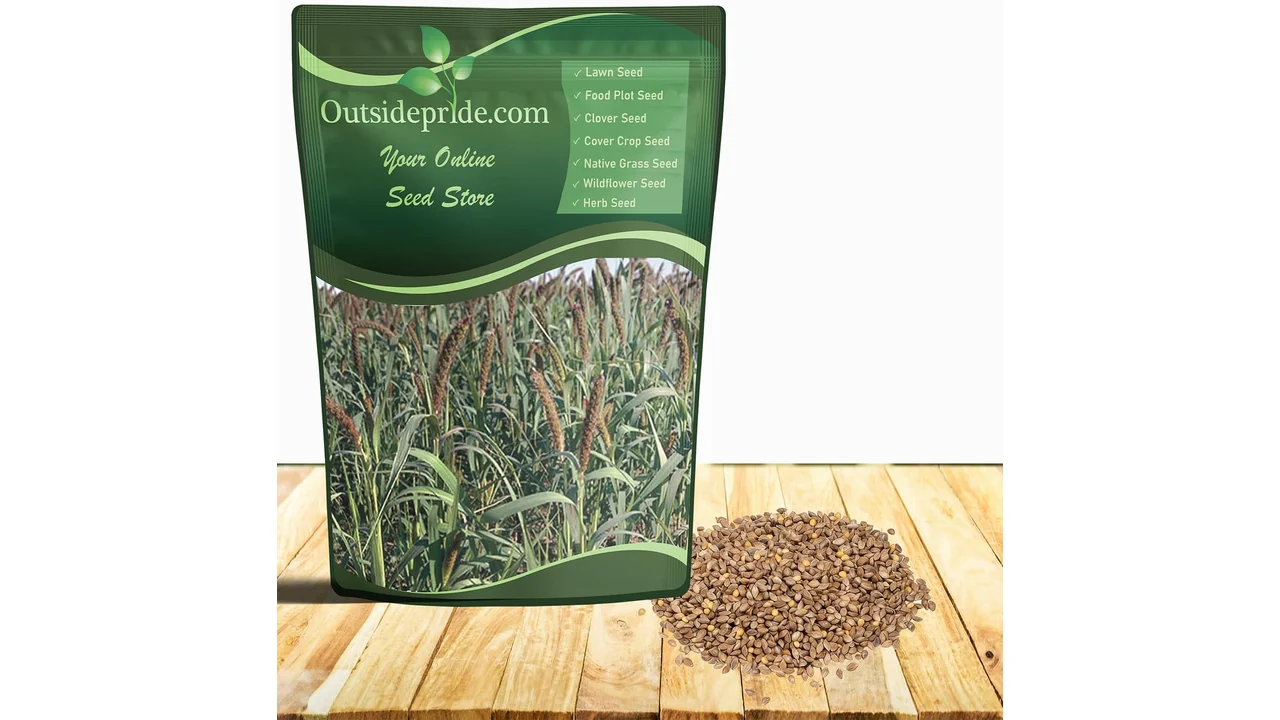
- Looking to enhance your hunting grounds or create a thriving habitat for local wildlife? The Outsidepride 50 lb Japanese Millet Pasture Seed for Planting. Annual, Warm Season Grass Best Grown as a Grain in Full Sun. Food plot for Waterfowl, Turkey, Quail, Dove, etc. offers a robust solution for dedicated outdoorsmen and land managers seeking to attract a variety of game birds and even whitetail deer. This versatile seed is designed for quick growth and abundant grain production, making it a valuable addition to any food plot strategy.
- Fast-Growing and Abundant Grain Production: Japanese Millet is a rapid grower, capable of producing a significant amount of grain in as little as 50 to 60 days when planted in full sun.
- Ideal for Wet Soil Conditions: This annual grass is a long-time favorite for waterfowl hunters because it thrives even in wet, saturated soils, making it perfect for low-lying areas and sloughs.
- Versatile Food Plot Addition: It serves as an excellent food source to attract a wide array of wildlife, including waterfowl, turkey, quail, dove, pheasant, and even whitetail deer.
- Wide USDA Zone Compatibility: Typically growing between 3 to 5 feet tall, Japanese Millet is suitable for USDA Zones 3 through 9, offering broad applicability across different climates.
- Drought and Heat Tolerant: While it flourishes in wet conditions, it also exhibits remarkable drought and heat tolerance, producing grain with minimal rainfall.
- The fast germination and rapid growth are significant advantages, especially for hunters looking to establish a food plot quickly before the hunting season.
- Its ability to grow in wet, saturated soils is a major plus, opening up planting possibilities in areas that might be unsuitable for other forage crops.
- The broad appeal to multiple species, from waterfowl to deer, means you’re investing in a seed that can support a diverse range of wildlife on your property.
- The dual benefit of being a food source and potentially a cover crop adds significant value for land management efforts.
- The drought and heat tolerance offer peace of mind, as it can still produce a crop even during drier periods.
- This Japanese Millet is a warm season annual grass, meaning it requires soil temperatures above 65°F for optimal germination and growth.
- Its typical height of 3 to 5 feet ensures it provides substantial forage and grain, with mature plants often falling over to make the grain readily accessible to wildlife.
- Planting in a low area or slough and allowing it to flood after it reaches a good height is a recommended practice for waterfowl, maximizing its appeal to these birds.
- The seeding rate of 25-35 lbs per acre provides a clear guideline for effective planting, ensuring you get the most out of your 50 lb bag for optimal plot coverage.
- While it excels in wet conditions, its drought tolerance means it’s not solely reliant on consistent rainfall to be successful.
- Waterfowl Hunters: Its preference for wet soils and abundant grain make it a prime choice for attracting ducks and geese.
- Turkey, Quail, and Dove Enthusiasts: The grain produced is a highly attractive food source for these upland game birds.
- Whitetail Deer Management: Deer will also utilize the grain and the cover provided by the millet.
- Landowners in Diverse Climates: With suitability for USDA Zones 3-9, it’s a versatile option for many regions.
- Creating Quick Food Plots: Its rapid growth cycle is ideal for establishing food sources in a short timeframe.
- Species Type: Ensure you are selecting Japanese Millet for its specific growth characteristics and wildlife appeal.
- Annual vs. Perennial: This is an annual, meaning it needs to be replanted each year, which is typical for food plot grains.
- Warm Season Growth: Confirm it’s a warm-season grass if your planting climate aligns with these requirements.
- Grain Production: Look for varieties known for producing abundant, accessible grain.
- Soil Tolerance: Features like wet soil tolerance and drought resistance are crucial for successful planting in varied conditions.
- The primary material is, of course, high-quality Japanese Millet seed, carefully selected for germination and growth.
- Planting Time: As a warm-season annual, planting should occur after the last frost when soil temperatures consistently exceed 65°F.
- Sunlight Requirements: This seed thrives in full sun, so choose a location that receives at least 6-8 hours of direct sunlight daily.
- Soil Conditions: While it tolerates wet soils, avoid planting in waterlogged areas until the seeds have germinated and established.
- Seeding Rate: Adhere to the recommended 25-35 lbs per acre to ensure optimal stand establishment without wasting seed.
- Area Size: The 50 lb bag is suitable for covering a significant area, so plan your food plot size accordingly.
- The price of bulk seed like this 50 lb bag of Japanese Millet should be evaluated based on the acreage it covers and the specialized benefits it offers for wildlife attraction. Consider it an investment in habitat improvement and hunting success. Compare prices from different reputable suppliers to ensure you’re getting good value.
- The best time to purchase seed is typically in the late winter or early spring, well before the optimal planting window for warm-season grasses. This allows you to plan your planting schedule and ensures availability. Purchasing before peak demand can sometimes lead to better pricing.
Key Features That Stand Out
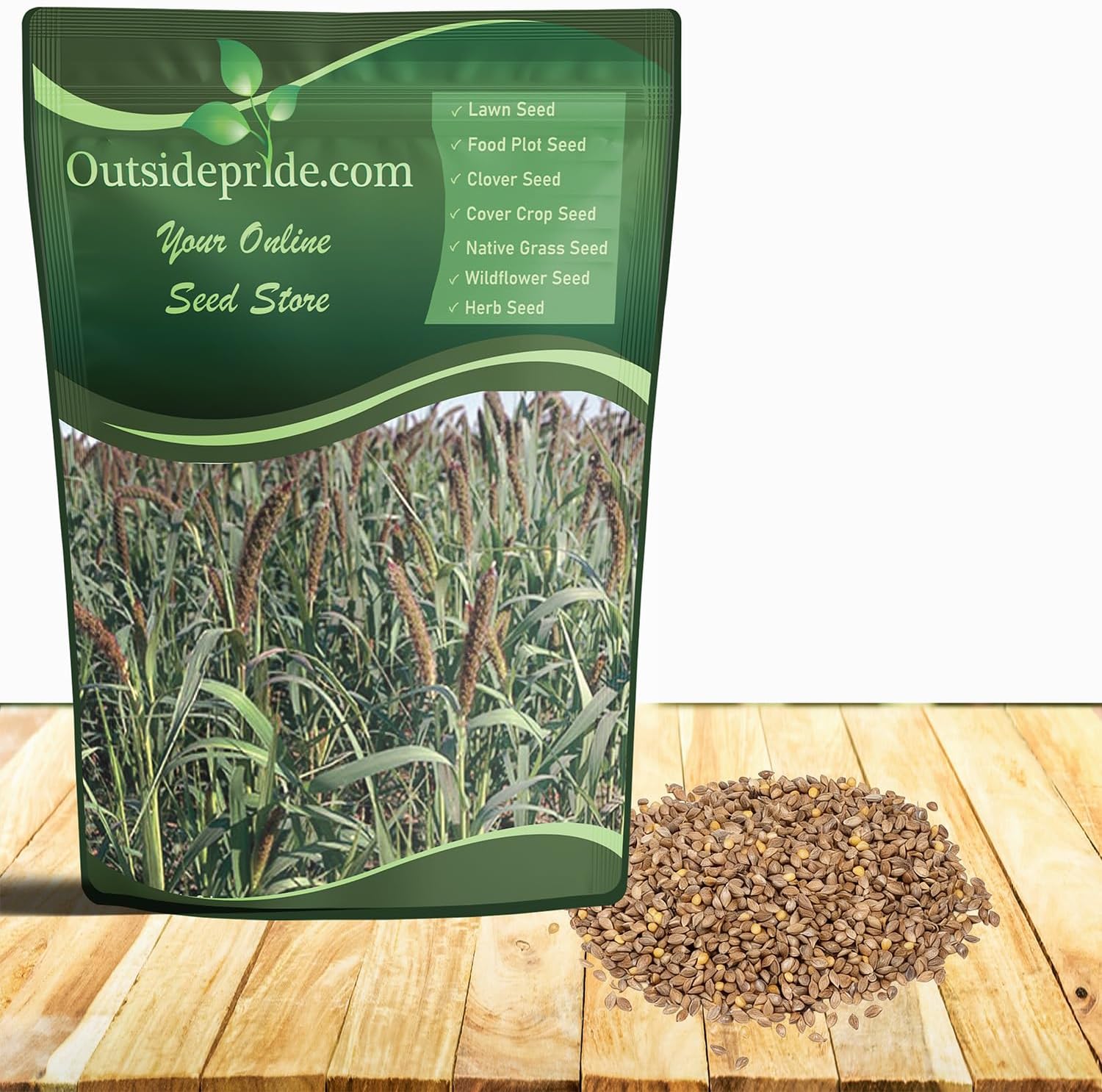
Outsidepride 50 lb Japanese Millet Pasture Seed for Planting. Annual, Warm Season Grass Best Grown as a Grain in Full Sun. Food plot for Waterfowl, Turkey, Quail, Dove, etc.
What We Like
Performance Analysis
Best For
Buying Guide
Key Features to Look For
Important Materials
Essential Factors to Consider
Budget Planning
When to Buy
Frequently Asked Questions
What is the best time of year to plant Japanese Millet?
The best time to plant Japanese Millet is in the spring after the last frost, once soil temperatures consistently reach above 65°F, as it is a warm-season annual grass.
Can Japanese Millet grow in full sun or shade?
Japanese Millet is best grown in full sun to achieve optimal grain production and rapid growth. It will not perform as well in shaded conditions.
How much seed do I need per acre?
The recommended seeding rate for Japanese Millet is between 25 to 35 pounds per acre.
Is Japanese Millet suitable for attracting deer?
Yes, while it’s a favorite for birds, whitetail deer will also utilize the grain and the cover provided by the mature millet plants.
How quickly does Japanese Millet grow?
Japanese Millet is a fast-growing grass and can produce an abundance of grain in as little as 50 to 60 days when planted under ideal conditions.
Can this seed be planted in extremely wet areas?
Absolutely, Japanese Millet is well-known for its ability to grow in wet, saturated soils, making it ideal for low-lying areas and sloughs.
Final Thoughts
The Outsidepride 50 lb Japanese Millet Pasture Seed for Planting. Annual, Warm Season Grass Best Grown as a Grain in Full Sun. Food plot for Waterfowl, Turkey, Quail, Dove, etc. is a highly effective and versatile seed for any land manager focused on wildlife habitat improvement. Its rapid growth, ability to thrive in wet conditions, and broad appeal to multiple game species make it a valuable addition to food plots.