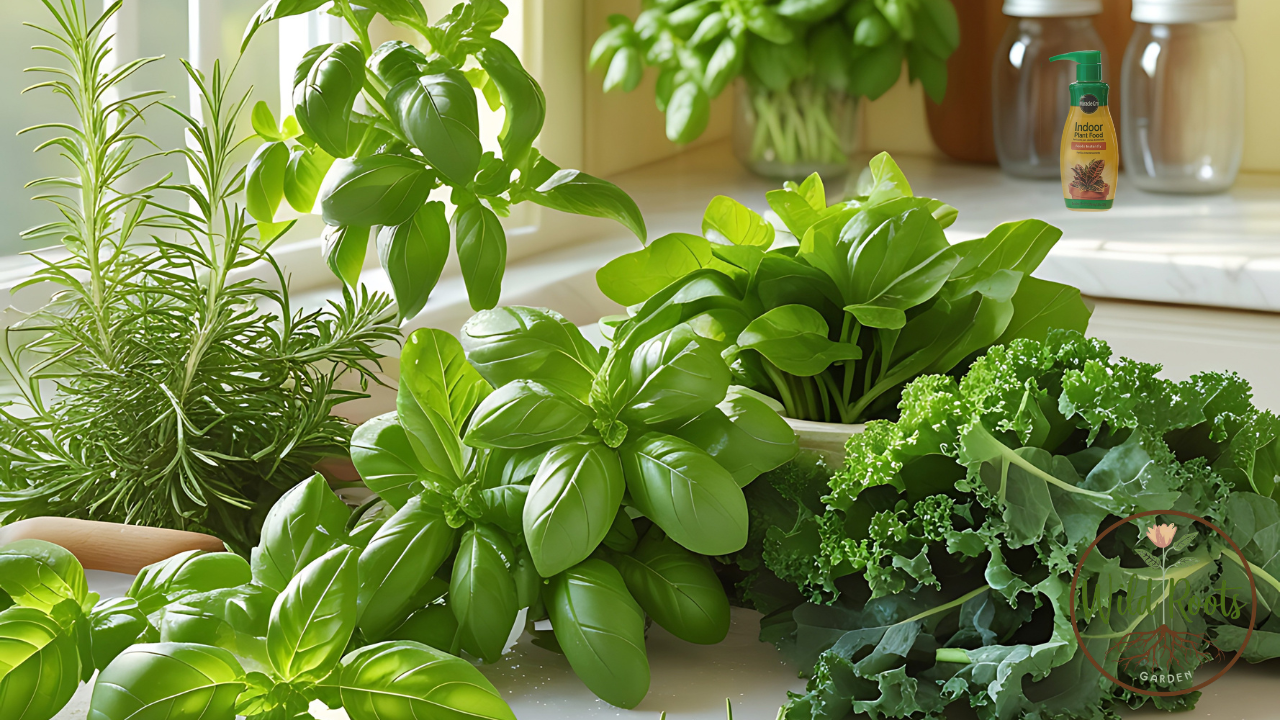
There’s something magical about walking into a room filled with thriving houseplants. Their lush green leaves, vibrant colors, and steady growth bring life to any space. But here’s the truth that every plant parent eventually learns: indoor plants can’t fend for themselves.
Unlike their outdoor counterparts, houseplants don’t have access to natural soil ecosystems that replenish nutrients. They rely entirely on you for their nutrition. And when they don’t get what they need? You’ll see it—yellowing leaves, stunted growth, leggy stems, and a general lack of vitality.
The good news is that feeding your indoor plants doesn’t have to be complicated or expensive. Whether you prefer DIY solutions using kitchen scraps or want a reliable commercial product from Amazon, this guide covers everything you need to know to keep your green companions thriving.
Plant Food 101: The Basics
Before we dive into recipes and products, let’s cover the essentials. Plants need three primary macronutrients :
-
Nitrogen (N): Promotes lush green foliage and vigorous leafy growth
-
Phosphorus (P): Supports root development, flowering, and energy transfer
-
Potassium (K): Aids overall resilience, disease resistance, and stem strength
Most fertilizers display these as an N-P-K ratio on the label. A balanced ratio like 1-0.5-1 or 1-1-1 works well for general houseplant care .
Part 1: DIY Plant Food – Nourish Your Plants from Your Kitchen
Making your own plant food is not only budget-friendly—it also gives you complete control over what goes into your plants’ soil. Plus, it’s a wonderful way to reduce kitchen waste . Here are the most effective homemade recipes, backed by gardening experts.
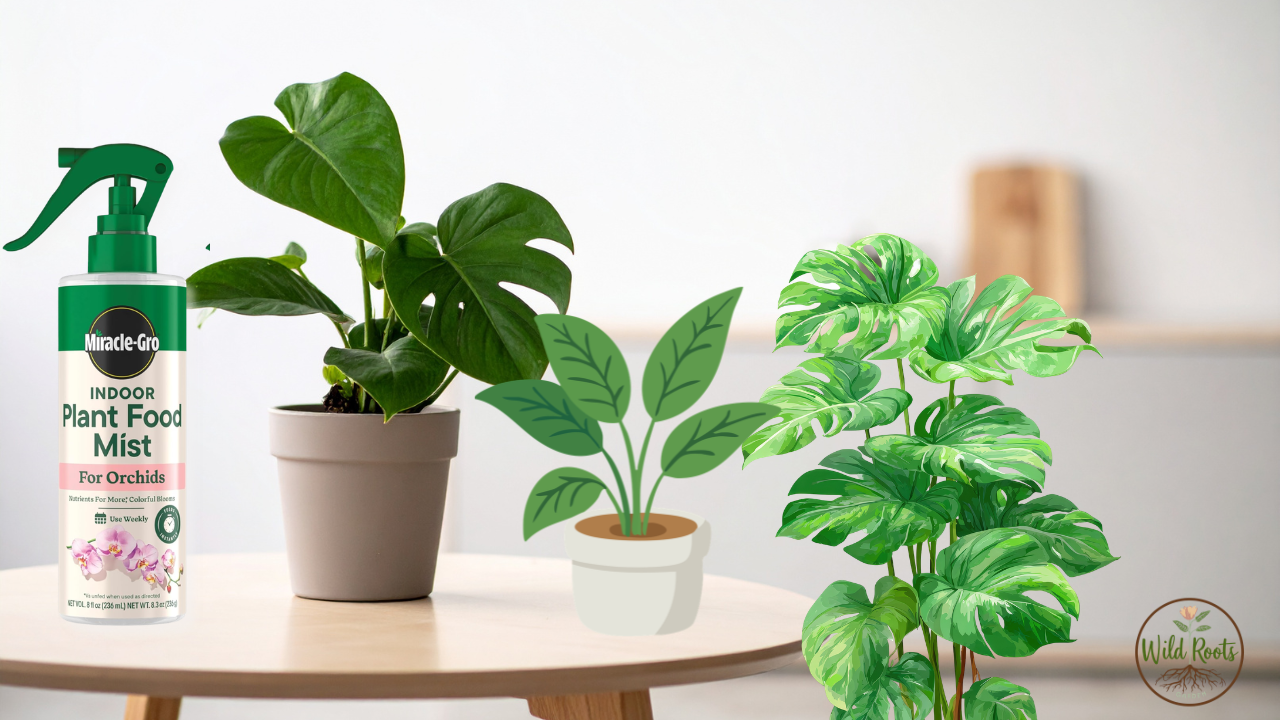
1. Banana Peel Fertilizer (High in Potassium)
Bananas are rich in potassium, phosphorus, and magnesium—nutrients that support flowering, strong stems, and overall plant health . This is especially beneficial for tropical varieties like pothos, snake plants, monstera, and philodendrons .
How to Make It:
| Method | Instructions | Frequency |
|---|---|---|
| Liquid Tea | Chop 2–3 banana peels and soak in 1 quart of water for 48 hours. Remove peels and use the water to feed plants . | Every 3–4 weeks |
| Powdered | Dry peels completely, grind into powder, and sprinkle 1–2 tablespoons around the base of larger plants . | Monthly |
Best For: Flowering plants, peace lilies, African violets, and tropical foliage plants.
2. Coffee Grounds (Nitrogen Boost)
Used coffee grounds are an excellent source of nitrogen, which promotes lush, green foliage. They also contain small amounts of phosphorus and potassium . However, caution is key—too much can make soil too acidic or create a water-repellent layer .
How to Use:
-
Top dressing: Let grounds dry completely, then sprinkle a thin layer on soil surface and gently mix in .
-
Compost tea: Brew grounds in water overnight with banana peels and crushed eggshells. Strain and use as liquid fertilizer .
Frequency: Once every 3–4 weeks .
Best For: Acid-loving plants like peace lilies, philodendrons, and snake plants .
⚠️ Caution: Not all plants appreciate coffee grounds. Avoid using on plants that prefer neutral or alkaline soil, and never use fresh grounds directly from the brewer .
3. Eggshell Calcium Boost
Eggshells are packed with calcium carbonate, which strengthens cell walls, supports new growth, and can help neutralize overly acidic soil . Calcium-loving plants like African violets, monstera, and philodendrons benefit greatly .
How to Make It:
| Method | Instructions |
|---|---|
| Powder | Rinse shells thoroughly, let dry completely, crush into fine powder using a food processor or mortar. Sprinkle lightly over soil . |
| Liquid Fertilizer | Brown crushed shells in a pan, then add to water (4 shells per liter). Let sit for 24 hours, then use the water for plants . |
Frequency: Every 4–6 weeks.
⚠️ Caution: Eggshells decompose slowly indoors. For best results, crush them very finely or compost them first .
4. Epsom Salt Solution (Magnesium Boost)
Epsom salt (magnesium sulfate) helps correct magnesium deficiency, which causes yellowing between leaf veins while veins remain green—a condition called interveinal chlorosis .
How to Use:
| Plant Type | Ratio | Frequency |
|---|---|---|
| Most houseplants | 1 teaspoon per quart of water | Monthly |
| Ferns & leafy plants | ½ teaspoon per quart | Every 6 weeks |
| Succulents & cacti | ¼ teaspoon per quart | Rarely, only if deficient |
Apply to soil, not foliage, to prevent residue buildup .
⚠️ Caution: Overuse can interfere with calcium uptake. Less is more with Epsom salt .
5. Aquarium Water (Nitrogen-Rich)
If you have a freshwater aquarium, don’t toss that water during changes! Fish waste breaks down into nitrates—a form of nitrogen that plants can use immediately .
How to Use:
-
Siphon water from your aquarium during regular changes
-
Use as is (no dilution needed for established plants)
-
Apply every 2–3 weeks in place of regular watering
Best For: Fast-growing foliage plants like pothos, philodendrons, and spider plants .
⚠️ Caution: Only use water from freshwater tanks without chemical treatments, medications, or salt .
6. Green Tea Fertilizer (Gentle Micronutrients)
Brewed green tea offers tannins, antioxidants, and trace elements like manganese and potassium. Its mild acidity benefits plants that prefer slightly acidic soil .
How to Make It:
-
Brew one green tea bag in 1 cup of hot water
-
Allow to cool completely
-
Dilute with 3 cups of room-temperature water
-
Use to water soil monthly—avoid leaves to prevent mold
Best For: Ferns, begonias, calatheas, and orchids .
⚠️ Caution: Never use sweetened or flavored teas—they attract pests and promote fungal growth .
7. Compost Tea (Balanced All-Purpose Food)
This is the gold standard of homemade plant food. Compost tea provides a broad spectrum of nutrients and beneficial microbes that improve soil health and plant vitality .
How to Make It:
-
Mix 1 cup of mature compost with 1 gallon of non-chlorinated water
-
Let steep for 3–5 days in a covered container, stirring daily
-
Strain through cheesecloth or a fine mesh sieve
-
Dilute until tea-colored (about 1 part tea to 10 parts water)
Frequency: Every 4–6 weeks during growing season.
Best For: All houseplants—this is as close to nature as indoor feeding gets.
When and How to Apply Homemade Plant Food
Even the best fertilizer won’t help if applied incorrectly. Follow these guidelines for success .
Seasonal Feeding Schedule
| Season | Activity Level | Feeding Frequency |
|---|---|---|
| Spring (March–May) | Active growth | Begin feeding every 4 weeks; focus on nitrogen-rich formulas |
| Summer (June–August) | Peak growth | Maintain regular schedule; rotate between balanced and bloom-boosting mixes |
| Fall (September–November) | Slowing down | Reduce to every 6–8 weeks; transition to lower-nitrogen blends |
| Winter (December–February) | Dormancy | Suspend feeding unless plants are under grow lights |
Best Practices
-
Always water plants with plain water first if soil is dry—this prevents root burn
-
Apply liquid feeds directly to soil, avoiding leaves unless specified
-
Never exceed recommended concentrations—even natural ingredients can accumulate
-
Flush soil every 3 months with plain water to prevent mineral buildup
Part 2: Best Commercial Plant Food on Amazon
If DIY isn’t your style or you want something consistent and convenient, commercial plant food is an excellent choice. Here are the top-rated options available on Amazon, based on expert reviews and user feedback.
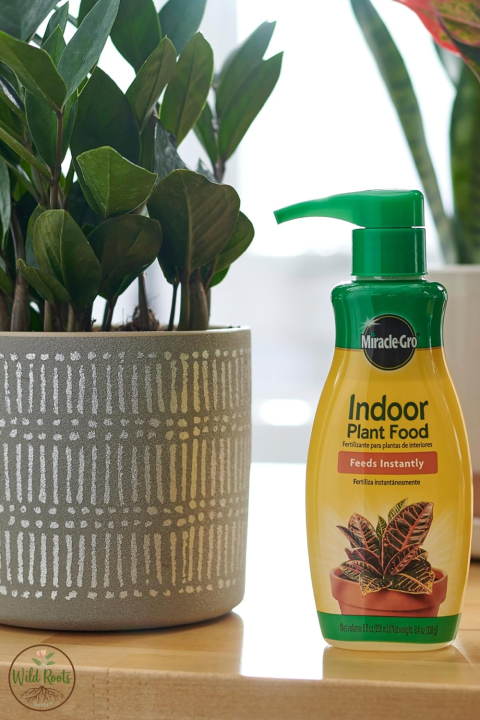
Top Pick Overall: Miracle-Gro Organic Liquid Plant Food
Amazon Rating: 4.6+ stars (thousands of reviews)
Key Details:
-
N-P-K Ratio: 1-0.5-1
-
Type: Organic, liquid concentrate
-
Coverage: 32 fl. oz. bottle makes 10.75 gallons of diluted food
-
Feeding Frequency: Every 2 weeks for indoor plants
Why It’s a Top Choice:
Miracle-Gro Organic is OMRI listed, meaning it’s approved for organic gardening. Made from 94% plant-based ingredients, it starts working instantly and supports healthier, more resilient plants . It’s versatile enough for all houseplants—from fiddle leaf figs to succulents.
How to Use:
-
Shake bottle well
-
Mix 1 capful per gallon of water
-
Water soil at the base of plants
-
Feed every 2 weeks
Best For: Beginners, busy plant parents, and anyone who wants a reliable, organic option.
Best for Foliage & Growth: FoxFarm Big Bloom Liquid Concentrate
Key Details:
-
Type: Liquid concentrate
-
Key Ingredients: Earthworm castings, bat guano, kelp
-
Best For: Flowering plants, herbs, and foliage plants
Why It’s Recommended:
FoxFarm Big Bloom is a favorite among serious plant enthusiasts. The organic-based formula supports robust blooming, root development, and essential oil production in herbs . It’s particularly effective for plants grown for their flowers or culinary use.
Best For: Flowering houseplants (orchids, African violets), culinary herbs, and plants where you want to boost bloom production.
Best for Edible Herbs: True Organic Liquid All Purpose Plant Food
Key Details:
-
Type: Organic liquid concentrate
-
Key Ingredients: Fish solubles, soy protein hydrolysate, kelp extract
-
Best For: Herbs, vegetables, and all indoor plants
Why It’s Recommended:
If you grow herbs like basil, mint, or parsley indoors, you’ll want a fertilizer that’s safe for edible plants. True Organic delivers a balanced nutrient profile without synthetic additives, supporting healthy foliage and stronger stems .
Best For: Kitchen herb gardens and anyone prioritizing organic inputs.
Best Easy-Application: Organic Plant Magic
Key Details:
-
Type: Soluble powder in shaker bottle
-
Application: Sprinkle, water, and go
-
Best For: All indoor and outdoor plants
Why It’s Recommended:
Organic Plant Magic takes the guesswork out of feeding. The compact shaker bottle makes measuring simple, and the formula is designed for quick, long-lasting results. Just sprinkle on soil, water normally, and watch your plants respond .
Best For: Plant parents who want a no-fuss, easy-to-use option.
Best for Hydroponics & Advanced Setups: Hydroponic Nutrients A & B Liquid Fertilizer
Key Details:
-
Type: Two-part liquid concentrate (A & B)
-
Best For: Hydroponic systems, soil-free gardening
-
Key Feature: Chelated micronutrients for maximum uptake
Why It’s Recommended:
For those growing in hydroponic or soilless systems, this two-part formula provides precisely balanced macro and micronutrients. The A and B solutions must be used together in equal amounts to create a complete nutrient profile .
Best For: Advanced plant parents, hydroponic herb gardens, and plants in LECA or other soilless media.
Plant Food Quick Reference Table
| Product | Type | N-P-K | Best For | Frequency |
|---|---|---|---|---|
| Miracle-Gro Organic | Liquid | 1-0.5-1 | All houseplants | Every 2 weeks |
| FoxFarm Big Bloom | Liquid concentrate | Varies | Flowering plants, herbs | Every 1-2 weeks |
| True Organic | Liquid | Balanced | Edible herbs, vegetables | Bi-weekly |
| Organic Plant Magic | Soluble powder | Varies | Easy application | As needed |
| Hydroponic A & B | Two-part liquid | 4-3-6 | Hydroponic systems | Every watering |
Frequently Asked Questions
How often should I fertilize my indoor plants?
During the growing season (spring and summer), most houseplants benefit from feeding every 2–4 weeks. In fall and winter, reduce frequency or stop altogether unless plants are actively growing under lights .
Can I use the same fertilizer for all my houseplants?
Many all-purpose fertilizers work well for a wide variety of houseplants. However, succulents and cacti prefer less frequent feeding with more diluted solutions, while flowering plants may benefit from formulas higher in phosphorus .
Is homemade plant food better than store-bought?
Both have advantages. Homemade options are cost-effective and reduce waste, while commercial products offer consistency, convenience, and precisely balanced nutrients. Many plant parents use a combination of both .
What are signs my plant needs fertilizer?
Look for these common signs of nutrient deficiency :
-
Yellowing older leaves (nitrogen deficiency)
-
Stunted growth (general nutrient lack)
-
Pale or small new leaves (micronutrient deficiency)
-
Poor flowering (low phosphorus)
Can I over-fertilize my houseplants?
Yes! Over-fertilizing can cause leaf burn, root damage, and even plant death. Always follow package instructions or dilute homemade solutions more than you think you need. When in doubt, feed less frequently .
What’s the best fertilizer for beginners?
Miracle-Gro Organic Liquid Plant Food is an excellent choice for beginners. It’s easy to use, widely available on Amazon, and gentle enough for most houseplants while delivering noticeable results .
The Bottom Line
Feeding your indoor plants doesn’t have to be complicated or expensive. Whether you choose to make your own from kitchen scraps or pick up a reliable option on Amazon, the key is consistency and observation.
Start with a simple approach—try banana peel water or a basic organic liquid fertilizer—and watch how your plants respond. You’ll soon learn to read their signals and adjust your feeding routine accordingly.
Remember: every plant parent started somewhere. Your green thumb isn’t something you’re born with—it’s something you grow, one feeding at a time.