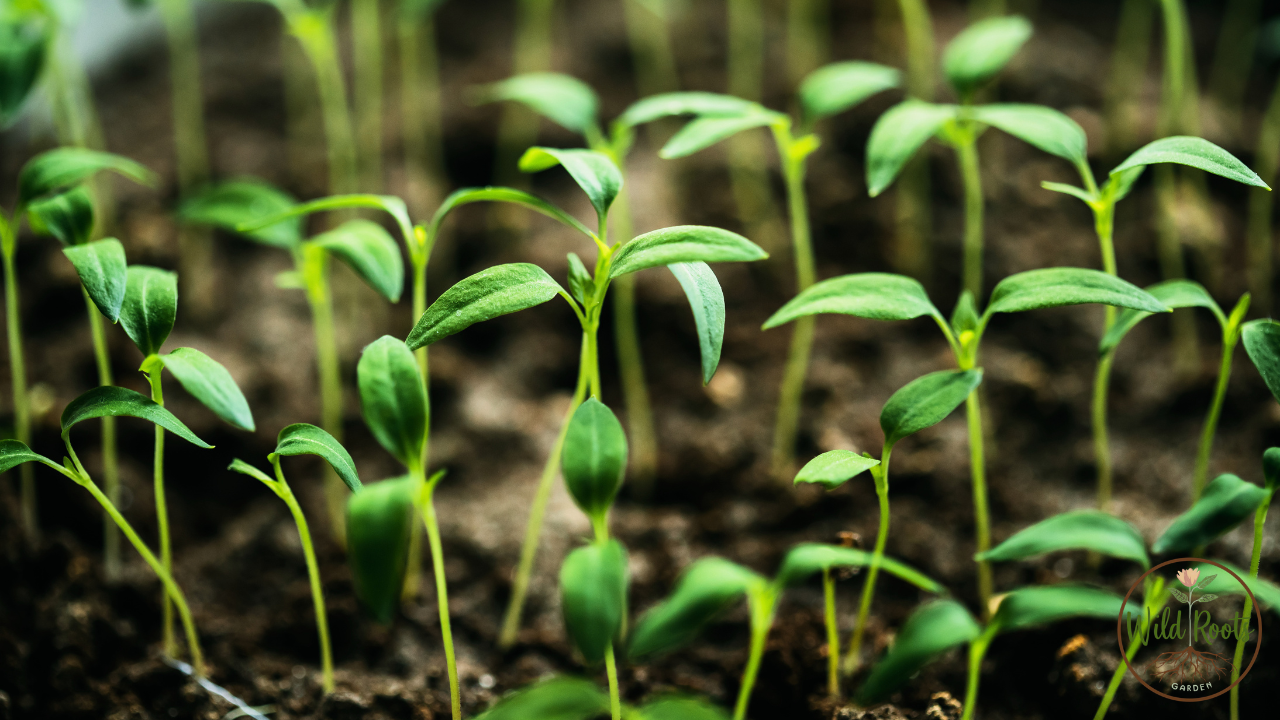
If you live in North Florida and want a garden that thrives with less hassle, you’re in the right place. Choosing the right plants can make all the difference between a struggling patch and a vibrant, colorful yard.
You might wonder which plants will handle the heat, humidity, and occasional cold snaps without constant care. Imagine stepping outside to see flowers blooming nonstop or leafy shrubs that stay healthy year-round. You’ll discover the best plants that grow well in North Florida’s unique climate—plants that fit your lifestyle and bring beauty to your outdoor space.
Keep reading to find out which favorites will make your garden flourish effortlessly.
Climate And Zones
Understanding the climate and zones of North Florida helps gardeners choose plants that thrive. This region has a warm climate with mild winters and hot summers. Knowing the specific hardiness zones guides planting decisions. Microclimates within the area also affect plant growth significantly.
North Florida Hardiness Zones
North Florida lies mainly in USDA hardiness zones 8a to 9a. Zone 8a has average lows of 10 to 15°F. Zone 9a is warmer, with lows of 20 to 25°F. These zones support a wide range of plants, from subtropical to temperate species. Choosing plants suited to these zones increases survival and growth success.
Microclimates Impact
Microclimates are small areas with different weather conditions than the surrounding region. Factors like shade, wind, water, and elevation create these variations. A shaded garden spot may stay cooler and moister. Areas near bodies of water often have milder temperatures. Understanding microclimates helps select the best plants for each spot.
Top Native Plants
Native plants play a vital role in North Florida gardens. They adapt well to the local climate and soil. These plants support local wildlife and require less water and care. Choosing native plants helps create a sustainable and vibrant garden. Below are some top native plants that thrive in North Florida.
Swamp Milkweed And Butterfly Milkweed
Swamp Milkweed grows well in wet areas and attracts many butterflies. It has pink to orange flowers that bloom in summer. Butterfly Milkweed prefers drier soil and bright sunlight. Its bright orange flowers bring color and attract pollinators. Both milkweeds support monarch butterflies during their migration.
American Beautyberry And Firebush
American Beautyberry produces purple berries in fall. Birds love to eat these berries and visit the garden often. Firebush has bright red flowers that attract hummingbirds and butterflies. It grows well in sunny spots with well-drained soil. Both plants add color and life to any North Florida landscape.
Saw Palmetto And Southern Magnolia
Saw Palmetto is a hardy shrub with fan-shaped leaves. It grows well in sandy soils and dry areas. Southern Magnolia is a large tree with glossy leaves and fragrant white flowers. It provides shade and adds elegance to yards. Both plants are iconic in North Florida’s natural environment.
Best Perennials
Perennials are a smart choice for North Florida gardens. They return year after year, saving time and money. These plants thrive in the local climate and soil. They offer lasting beauty and require less care than annuals. Choosing the right perennials can keep your garden vibrant through the seasons.
Pentas For Continuous Blooms
Pentas are easy to grow and bloom non-stop. They produce clusters of red, pink, lavender, or white flowers. These flowers attract butterflies and hummingbirds. Pentas tolerate heat and humidity well. They brighten any garden bed or container with color all year.
Salvia And Lantana Varieties
Salvia and lantana are hardy and drought-tolerant plants. Salvia shows spikes of blue, purple, or red flowers. Lantana offers bright, multicolored blooms. Both plants attract pollinators and resist pests. They add texture and color to garden borders and landscapes.
Pink Muhly Grass
Pink muhly grass adds soft pink plumes in fall. It thrives in well-drained soil and full sun. This grass is low-maintenance and drought-resistant. It creates a stunning, airy effect in gardens. Pink muhly grass works well as a border or accent plant.
Low-maintenance Choices
Choosing low-maintenance plants saves time and effort in North Florida gardens. These plants thrive with little care and adapt well to local conditions. They reduce the need for frequent watering, fertilizing, and pruning. Ideal for busy gardeners or beginners, these options still bring beauty and life to any outdoor space. Below are some great choices that suit the North Florida climate perfectly.
Coontie And Its Benefits
Coontie is a native fern-like plant that grows well in North Florida. It requires minimal water and care, making it very low-maintenance. This plant provides habitat for butterflies and birds, supporting local wildlife. Its slow growth means less pruning and upkeep. Coontie also helps prevent soil erosion in garden beds. This hardy plant thrives in both sun and shade.
Rain Garden Plants
Rain garden plants help manage stormwater naturally. They absorb excess rain and reduce flooding risks. Native plants like goldenrod, swamp sunflower, and milkweed are perfect for rain gardens. These species need little fertilizer and tolerate wet conditions well. Rain gardens improve water quality by filtering runoff. They create a colorful and eco-friendly landscape feature.
Drought-tolerant Options
Drought-tolerant plants save water and thrive in dry spells common in North Florida. Options like lantana, muhly grass, and saw palmetto are tough and beautiful. These plants need little irrigation once established. Their deep roots help them survive long dry periods. Choosing drought-tolerant plants reduces water bills and garden stress. They add texture and color with minimal care.
Trees And Shrubs
Seasonal care is key to thriving plants in North Florida’s unique climate. The region experiences mild winters and hot, humid summers. This means gardeners can enjoy planting almost all year. Proper care during each season helps plants grow strong and healthy.
Year-round Planting
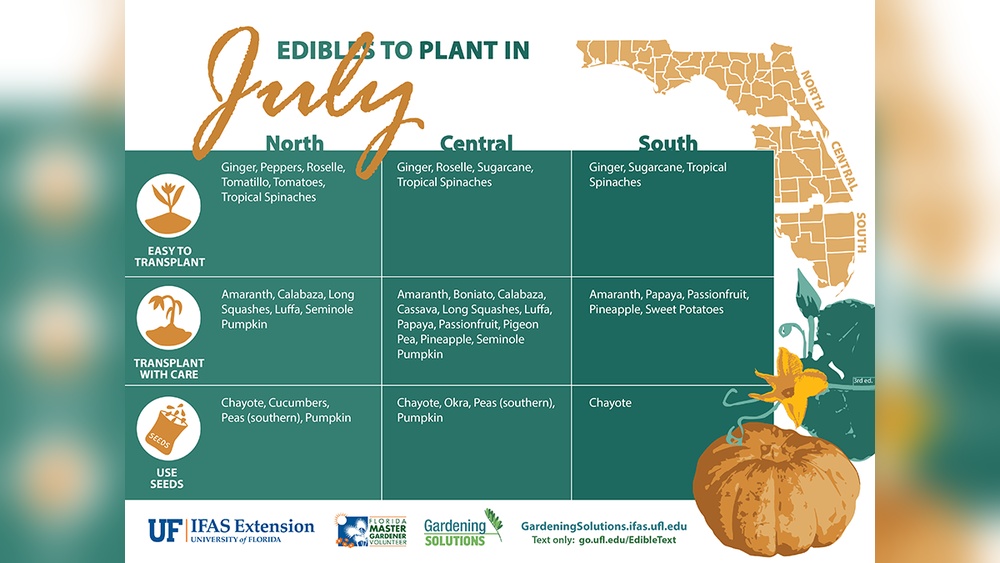
North Florida’s warm climate allows planting in every season. Cool-season vegetables like lettuce and broccoli do well in fall and winter. Warm-season plants such as tomatoes and peppers thrive in spring and summer. Rotate crops to keep soil fertile and reduce pests. Choose native plants for easier growth and less water need.
Protecting Plants In Cooler Months
Though winters are mild, frosts can still harm plants. Cover sensitive plants with cloth or plastic during cold nights. Mulch around roots to keep soil warm. Move potted plants indoors or to sheltered spots. Water plants less often but don’t let soil dry out completely. Watch for early signs of cold damage and act fast.
Pruning And Maintenance
Regular pruning helps plants stay healthy and look good. Remove dead or diseased branches to prevent spread. Trim plants after flowering to encourage new growth. Clean up fallen leaves and debris to avoid pests. Use sharp, clean tools to avoid plant injury. Check plants often for pests and diseases to treat early.
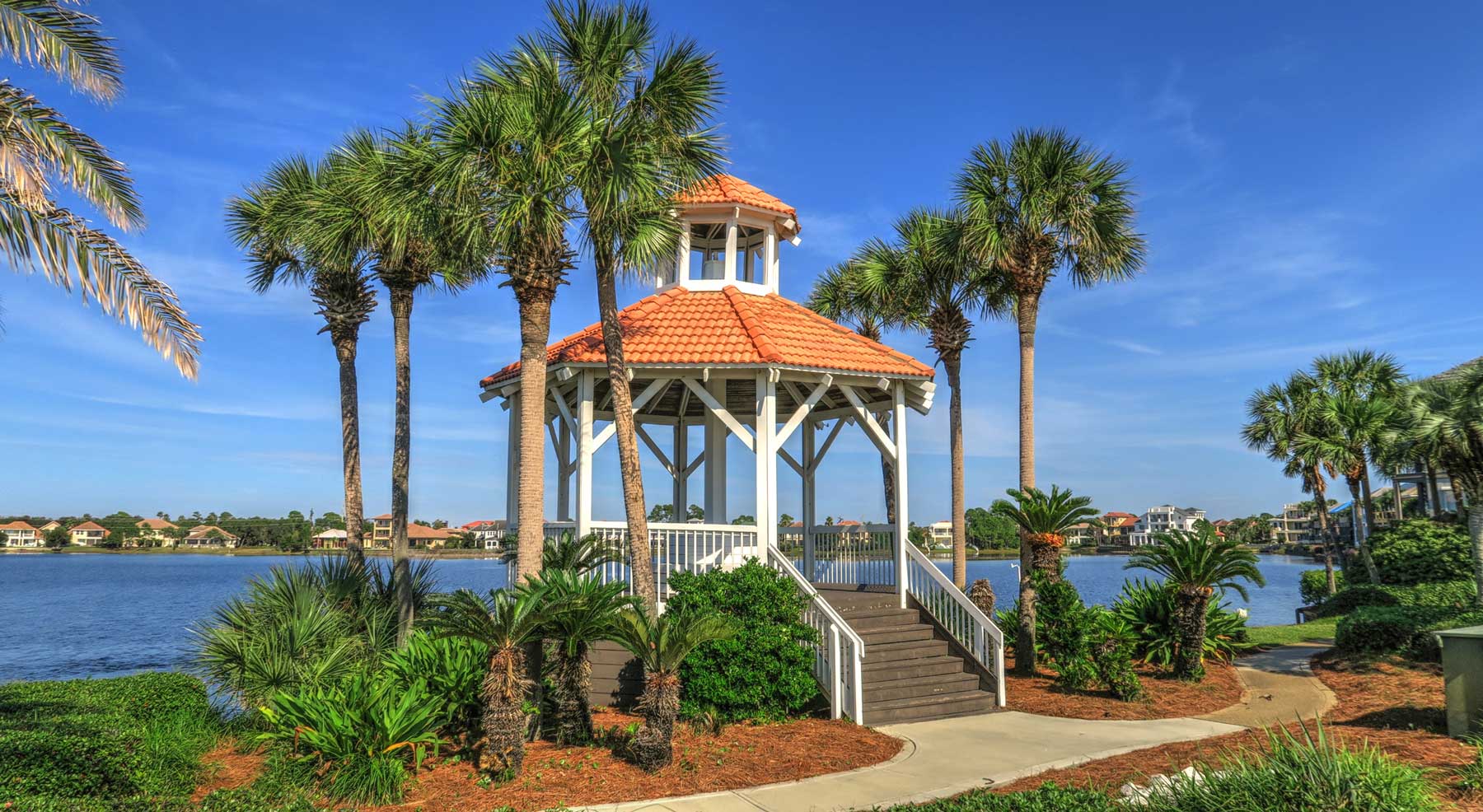
Credit: nfie.net
Frequently Asked Questions
What Is The Easiest Plant To Grow In Florida?
Pentas is one of the easiest plants to grow in Florida. It thrives with low maintenance and blooms vibrant flowers year-round.
What Is The 70/30 Rule In Gardening?
The 70/30 rule in gardening means planting 70% edible plants and 30% flowers to attract pollinators and enhance growth.
What Is The Best Low-maintenance Landscape In Florida?
The best low-maintenance landscape in Florida features native plants like swamp milkweed, goldenrod, muhly grass, and milkweed. These drought-tolerant, Florida-friendly plants thrive naturally and require minimal care. Rain gardens with native species also control water effectively, enhancing beauty and sustainability in your yard.
What Zone Is North Florida For Planting?
North Florida falls mainly within USDA Hardiness Zones 8a to 9a. These zones suit many subtropical and hardy plants. Check your exact zone using the USDA map with your zip code for precise planting guidance.
Conclusion
Choosing plants suited for North Florida ensures a healthy, vibrant garden. Native species like swamp milkweed and American beautyberry thrive here. These plants handle heat and occasional drought well. They attract butterflies and birds, adding life to your space. Growing the right plants reduces work and water needs.
A garden with local plants looks natural and lasts longer. Start planting today to enjoy beautiful blooms and greenery. North Florida offers many options for gardeners of all levels. Happy gardening!