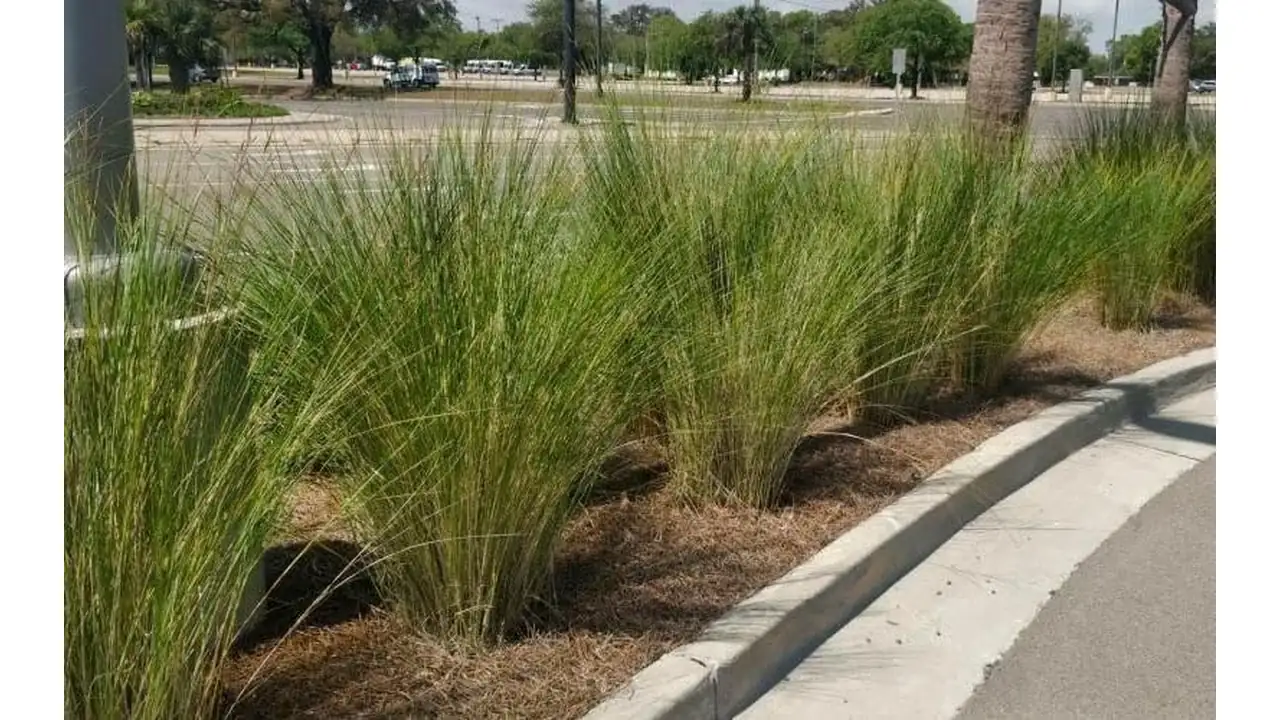
- Looking for a hardy, native grass that can stand up to challenging coastal environments and help prevent erosion? The Sand Cord Grass I 3 Large Trade Gallon Size Plants I Spartina Bakeri I Live Plants, Salt-Tolerant Native Grass for Wetlands, Erosion Control, and Coastal Landscaping offers a robust solution for your landscape needs. This live plant, delivered in trade gallon sizes, is specifically cultivated to thrive in tough conditions where other greenery might falter, making it a valuable addition to any coastal or wetland garden.
- Exceptional Salt Tolerance: This grass is engineered for coastal and saline environments, flourishing where other plants struggle, making it ideal for beachside gardens.
- Erosion Mastery: Its powerful and dense root systems are specifically designed to anchor soil, providing a natural and effective solution for stabilizing slopes and preventing erosion.
- Soil Versatility: Demonstrating remarkable adaptability, this grass can grow in a wide range of soil types, including sandy, loamy, and clay soils, offering flexibility for various planting projects.
- Optimized for Wetlands: Perfectly suited for areas that experience frequent flooding or waterlogging, this grass excels in wetland conditions, contributing to both the aesthetic appeal and ecological health of the site.
- Rapid Coverage: This fast-growing variant ensures you can quickly establish a lush, green area, making it perfect for large-scale garden projects, conservation efforts, or quickly filling in bare spots.
- Unwavering Salt Tolerance: It’s a standout performer in salty conditions, a crucial trait for coastal areas.
- Robust Erosion Control: The aggressive root system is a significant asset for preventing soil loss on slopes.
- Adaptable to Various Soils: Its ability to grow in different soil types makes it a versatile choice for diverse planting sites.
- Ideal for Waterlogged Areas: This grass thrives in wetlands, a habitat where many other plants struggle to survive.
- Quick Establishment: The rapid growth rate means you’ll see results and benefits sooner rather than later.
- Coastal Landscaping: Perfect for gardens and public spaces directly adjacent to the sea, where salt spray and sandy soils are prevalent.
- Erosion Control Projects: Excellent for stabilizing dunes, riverbanks, slopes, and any area where soil erosion is a concern.
- Wetland Restoration and Design: A prime choice for creating or enhancing wetland habitats, rain gardens, or areas with consistently wet soil.
- Challenging Soil Conditions: Suitable for planting in areas with poor, sandy, loamy, or clay soils that might be unsuitable for less hardy grasses.
- Rapid Ground Cover: Ideal for quickly establishing a green barrier or filling in large bare patches in diverse landscape designs.
- Salt Tolerance: Ensure the product explicitly states exceptional salt tolerance, as this is a defining characteristic for coastal planting.
- Erosion Control Capabilities: Look for descriptions highlighting a dense root system or proven erosion mastery.
- Soil Adaptability: Check if the grass is described as soil versatile, capable of growing in various soil types like sand, loam, or clay.
- Wetland Suitability: Confirm it is optimized for wetlands or tolerant of wet, waterlogged conditions.
- Growth Rate: Features like rapid coverage or fast-growing indicate quick establishment.
- Size: The listing specifies “3 Large Trade Gallon Size Plants,” which is important for understanding the scale and maturity of the plants you will receive. Trade gallon pots are typically smaller than standard retail gallons but indicate a well-established plant.
- Quantity: You are purchasing a set of three plants, which is a good starting point for creating a cohesive planting design or covering a moderate area. Consider how many plants you will need to achieve your desired coverage.
- Native Status: This is a native grass, which is beneficial for local ecosystems and often requires less maintenance once established.
- Intended Use: Match the plant’s strengths (salt tolerance, erosion control, wetland suitability) to your specific landscaping needs and site conditions.
Key Features That Stand Out
This Sand Cord Grass truly impresses with its specialized capabilities. Here are the standout features that make it a top choice for specific landscaping challenges:

Sand Cord Grass I 3 Large Trade Gallon Size Plants I Spartina Bakeri I Live Plants, Salt-Tolerant Native Grass for Wetlands, Erosion Control, and Coastal Landscaping
What We Like
The Sand Cord Grass I 3 Large Trade Gallon Size Plants I Spartina Bakeri I Live Plants, Salt-Tolerant Native Grass for Wetlands, Erosion Control, and Coastal Landscaping offers several compelling advantages for gardeners and landscapers tackling specific environmental challenges. Its resilience and functional benefits are particularly noteworthy:
Performance Analysis
When considering the practical application of the Sand Cord Grass I, its performance hinges on its core strengths as outlined in its features. The plant’s design for exceptional salt tolerance means it is expected to survive and thrive in areas exposed to sea spray and saline soils, a common problem along coastlines that limits plant choices. Its prowess in erosion mastery is attributed to its dense, spreading root system, which is critical for binding soil particles together, especially on vulnerable slopes or in riparian zones prone to wash-away. The noted soil versatility indicates that successful planting is not limited to pristine, perfectly amended garden beds; it can handle tougher, less ideal soil conditions, which is a significant advantage for naturalistic landscaping or restoration projects. Its suitability for wetlands suggests good water tolerance and the ability to withstand periods of inundation, making it a strong candidate for rain gardens, pond edges, or marshy areas. Finally, the promise of rapid coverage implies a vigorous growth habit, allowing it to quickly form a dense stand that suppresses weeds and achieves its erosion control and aesthetic goals efficiently.
Best For
This particular variety of Sand Cord Grass is ideally suited for a range of specialized applications where its unique characteristics shine:
Buying Guide
When looking to purchase plants like the Sand Cord Grass I 3 Large Trade Gallon Size Plants I Spartina Bakeri I Live Plants, Salt-Tolerant Native Grass for Wetlands, Erosion Control, and Coastal Landscaping, understanding a few key factors can help ensure a successful acquisition and planting experience.
Key Features to Look For
Important Materials
The primary “material” here is the live plant itself, specifically Spartina bakeri. The quality of the root system and the health of the foliage are crucial indicators of the plant’s viability. Ensure the plants are described as healthy, live specimens.
Essential Factors to Consider
Budget Planning
The price will vary based on the seller, quantity, and size of the plants. For specialized native grasses in trade gallon sizes, expect a moderate price point, reflecting their specific benefits and cultivation. Consider the long-term value of their erosion control and low-maintenance features when evaluating cost. Buying in multiples (like the 3-plant pack) can sometimes offer better value per plant.
When to Buy
The best time to buy live plants is typically during their active growing season, often spring or fall, when conditions are favorable for establishment. However, plants like Sand Cord Grass, due to their hardiness, might be available and plantable year-round in suitable climates, though shipping live plants in extreme heat or cold can be risky. Check the seller’s shipping policies and consider your local climate.
Frequently Asked Questions
What makes Sand Cord Grass ideal for coastal areas?
Its exceptional salt tolerance allows it to thrive in the high salinity and sandy soil conditions commonly found along coastlines, where many other plants struggle to survive.
How does Sand Cord Grass help with erosion control?
The grass develops a dense and extensive root system that effectively anchors soil, stabilizing slopes and preventing soil loss from wind and water.
Can I plant Sand Cord Grass in any type of soil?
Yes, Sand Cord Grass is highly versatile and can adapt to a variety of soil types, including sandy, loamy, and clay soils, making it suitable for many different planting locations.
Is this grass suitable for areas that are frequently flooded?
Absolutely, this grass is optimized for wetlands and is well-suited for areas prone to flooding or waterlogging, providing both aesthetic and environmental benefits in such conditions.
How quickly will I see results after planting?
Sand Cord Grass is a fast-growing variant, meaning it can achieve rapid coverage and establish a lush green area relatively quickly after planting.
What is the recommended spacing for planting Sand Cord Grass for optimal coverage?
While the product description doesn’t specify spacing, for rapid coverage and effective erosion control, planting these 3 large trade gallon plants relatively close together, perhaps 2-3 feet apart, would encourage them to spread and form a dense mat.
Is Sand Cord Grass a perennial or annual plant?
Sand Cord Grass (Spartina bakeri) is a perennial grass, meaning it will come back year after year, providing long-term benefits for your landscape.
In conclusion, the Sand Cord Grass I 3 Large Trade Gallon Size Plants I Spartina Bakeri I Live Plants, Salt-Tolerant Native Grass for Wetlands, Erosion Control, and Coastal Landscaping is a highly specialized and effective plant for challenging environments. Its robust performance in saline conditions, powerful erosion control abilities, and adaptability make it an excellent choice for coastal and wetland landscapes.