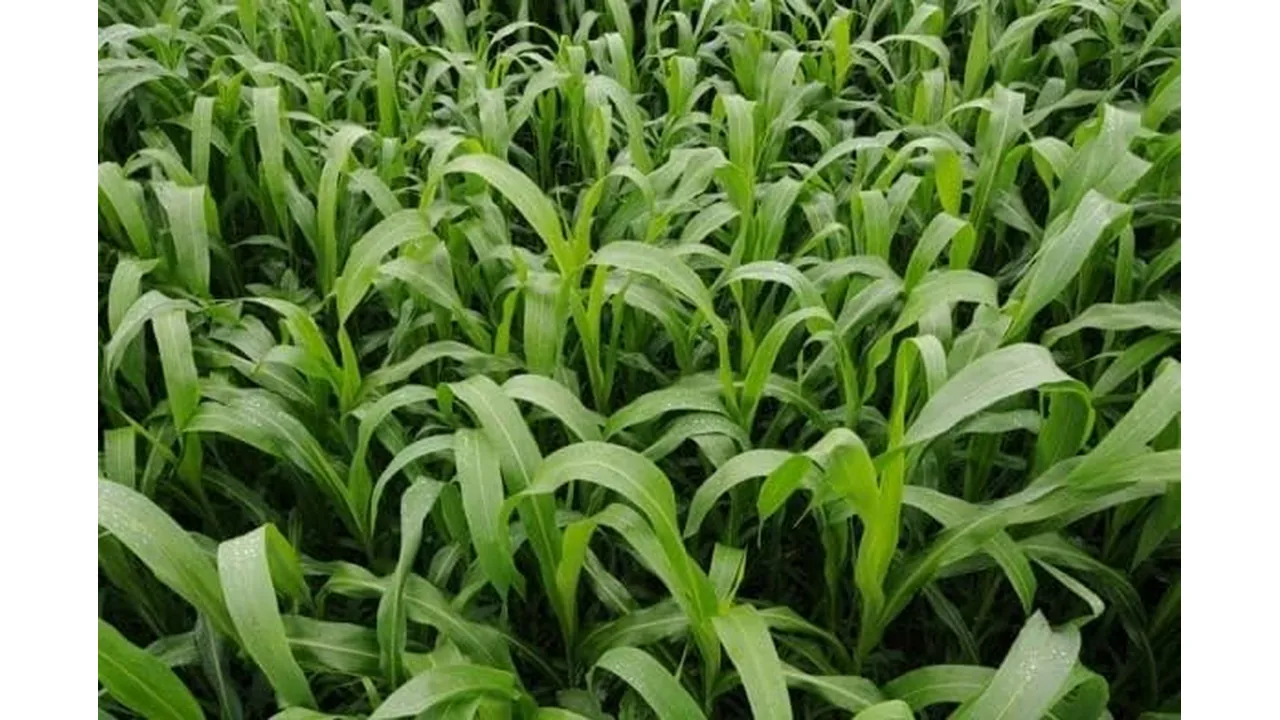
- Looking to boost your pasture or cover crop this season? The Sorghum Sudangrass Sugar Grazer II Seed (25 Lbs.) offers a robust solution for gardeners and land managers seeking high-yield, versatile forage. This specific blend is designed for rapid growth and excellent palatability, making it a smart choice for livestock or soil improvement projects.
- Optimal Soil Temperature: Requires a soil temperature of at least 60°F for successful germination, ensuring you plant at the right time for the best results.
- Ideal Planting Window: For the Midwest region, planting is typically recommended between June 1 and July 10, providing a clear guideline for timely sowing.
- Efficient Seeding Rate: A seeding rate of 35-40 lbs. per acre is specified, allowing for precise planning and cost-effective application.
- Versatile Application: Suitable for use in Patio, Lawn & Garden projects, offering flexibility for various landscaping and agricultural needs.
- Category Focus: Falls under the essential Gardening & Lawn Care categories, highlighting its utility for diverse outdoor applications.
- Clear Planting Guidance: The specific recommendations for soil temperature (at least 60°F) and planting dates (June 1 – July 10 in the Midwest) are incredibly helpful for ensuring successful establishment.
- Cost-Effective Seeding: The provided seeding rate of 35-40 lbs. per acre makes it straightforward to calculate the amount needed, preventing over or under-application and optimizing your investment.
- Broad Applicability: Its inclusion under Patio, Lawn & Garden and Gardening & Lawn Care suggests it’s not just for large-scale farming but can also be utilized in smaller garden settings for benefits like weed suppression or soil enrichment.
- Focus on Performance: The “Sugar Grazer II” name implies a focus on palatability and nutritional value, which is a significant plus for livestock owners.
- Germination Success: The requirement for a minimum soil temperature of 60°F is a crucial factor for successful germination. Planting before this temperature is reached can lead to poor stands or delayed growth.
- Growth Potential: Sorghum sudangrass is known for its rapid growth, especially in warm conditions. The “Sugar Grazer II” variety is likely bred for vigorous development, providing substantial biomass quickly.
- Forage Quality: While not explicitly detailed, the “Sugar Grazer” designation typically points to high sugar content, which generally correlates with good palatability and energy for grazing animals.
- Maturity and Stalk: Sorghum sudangrass typically develops thick, juicy stalks and a dense leafy canopy, offering significant forage volume per acre.
- Drought Tolerance: Sorghum sudangrass varieties are generally known for their excellent drought tolerance once established, making them reliable in drier climates or during dry spells.
- Livestock Grazing: Ideal for cattle, sheep, and other grazing animals due to its high biomass production and palatability.
- Forage Production: Farmers and ranchers looking to maximize forage yield per acre for hay or pasture.
- Cover Cropping: Excellent for improving soil health, suppressing weeds, and scavenging nutrients in agricultural fields during the off-season.
- Erosion Control: The dense root system and rapid growth help stabilize soil and prevent erosion.
- Home Gardeners: Can be used in larger garden plots for biomass production, weed suppression, or as a green manure crop.
- Germination Requirements: Ensure the seed variety specifies optimal soil temperature for germination, like the Sorghum Sudangrass Sugar Grazer II Seed (25 Lbs.)‘s requirement of at least 60°F.
- Seeding Rate: A clearly defined seeding rate per acre is essential for efficient purchasing and application.
- Intended Use: Look for varieties suited to your specific needs, whether it’s grazing, hay production, or cover cropping.
- Regional Suitability: If specific planting windows are provided (like June 1 – July 10 for the Midwest), verify they align with your local climate.
- Variety Name: Names like “Sugar Grazer” often indicate desirable traits such as palatability and sugar content.
- Area Size: The 25 lb. bag is suitable for a specific acreage based on the recommended seeding rate (35-40 lbs. per acre), so calculate your needs.
- Soil Conditions: While sorghum sudangrass is adaptable, understanding your soil’s drainage and fertility will help optimize growth.
- Climate: Ensure the planting window and growth characteristics are suitable for your local climate and growing season length.
- Purpose: Clearly define whether you need it for grazing, silage, hay, or cover cropping, as this might influence variety selection (though this product appears versatile).
Key Features That Stand Out

What We Like
Performance Analysis
Best For
Buying Guide
Key Features to Look For
Important Materials
The primary material is the Sorghum Sudangrass Seed itself. The quality and specific genetics of the seed are paramount to its performance.
Essential Factors to Consider
Budget Planning
The cost of seed varies based on quality, variety, and quantity. A 25 lb. bag is a moderate size, suitable for hobby farmers or those with smaller acreage. For larger operations, bulk purchasing or considering different bag sizes might be more economical. Always compare prices and check the specified seeding rate to determine the true cost per acre.
When to Buy
The best time to buy is well before your intended planting season to ensure availability and allow for proper planning. For regions where the planting window is June 1 to July 10, purchasing in late spring (April or May) is ideal. This also allows you to research and compare options during less critical periods.
Frequently Asked Questions
What is the ideal soil temperature for planting Sorghum Sudangrass Sugar Grazer II Seed?
The seed requires a soil temperature of at least 60°F for successful germination. Planting in cooler soils can lead to poor stand establishment.
When is the best time to plant this seed in the Midwest?
For the Midwest, the recommended planting window for Sugar Grazer II Sorghum-Sudangrass is typically between June 1 and July 10.
How much seed do I need per acre?
The recommended seeding rate for this product is 35-40 lbs. per acre.
Can this seed be used for more than just grazing?
Yes, while its name suggests grazing, sorghum sudangrass is also excellent for hay production and as a cover crop for soil improvement.
Is this seed suitable for small gardens or large fields?
The product is listed under categories like “Patio, Lawn & Garden,” indicating it can be used in smaller settings, but its seeding rate is geared towards agricultural acreage.
How does this seed perform in dry conditions?
Sorghum sudangrass varieties are generally known for their good drought tolerance once they are established.
Final Thoughts
The Sorghum Sudangrass Sugar Grazer II Seed (25 Lbs.) appears to be a highly practical and effective choice for those looking to establish a robust forage crop. With clear guidance on planting conditions and rates, it simplifies the process for users to achieve optimal growth and yield.