{topic} involves the {content_summary}. Understanding {topic} is key to navigating {keyword1} and optimizing for {keyword2}. It broadly covers {keyword3} and helps clarify the role of {keyword4} in digital environments. This field is essential for anyone dealing with {keyword5}.
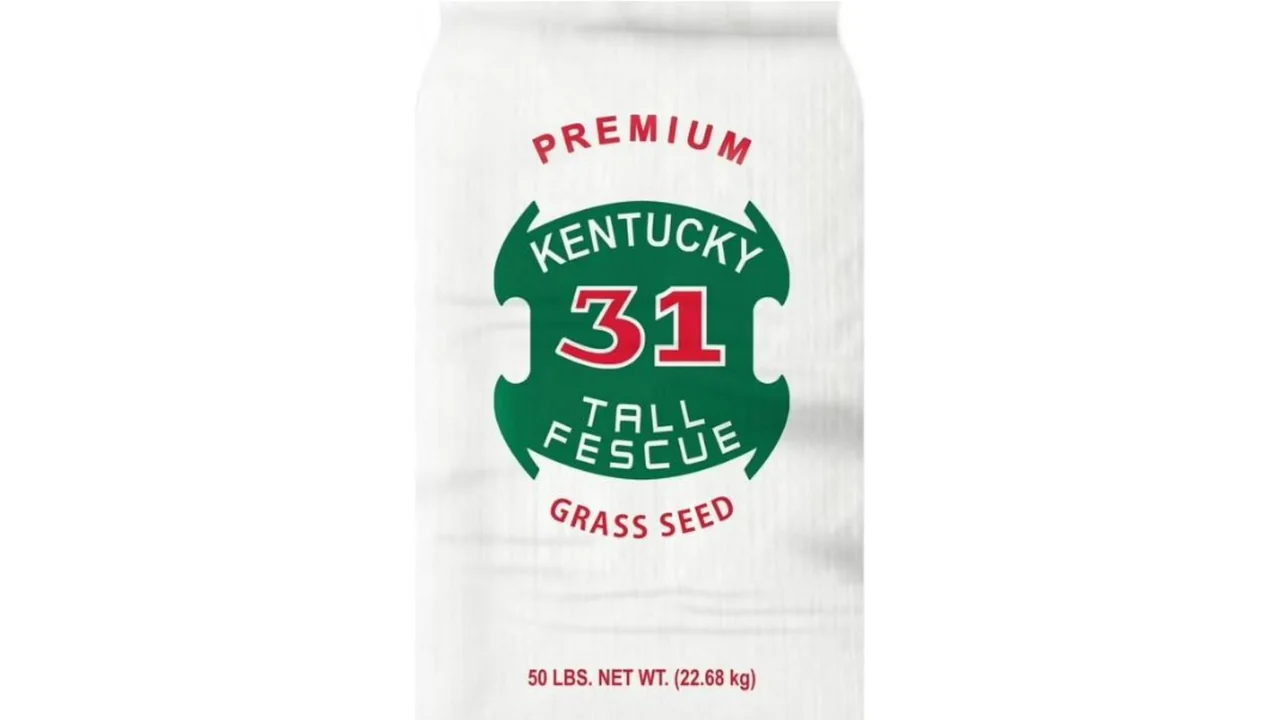
Tag: Drought Tolerant
The DOM, or Document Object Model, is a programming interface for web documents. It represents the page so that programs can change the document structure, style, and content. When a web page is loaded, the browser creates a DOM tree, which is a structural representation of the HTML document. Each element in the HTML, like paragraphs or images, becomes a node in this tree. Understanding the DOM is crucial for front-end developers as it allows JavaScript to interact with and modify the content, enabling dynamic website functionality and interactive user experiences. Without the DOM, scripting languages would lack a standardized way to access and manipulate web page elements.
Understanding **on-page SEO** is crucial for anyone trying to improve their website’s visibility. **On-page SEO** refers to optimizing elements *directly on* your website to rank higher and earn more relevant traffic in search engines. This includes optimizing your website’s actual content and HTML source code. Key elements like **title tags**, **meta descriptions**, **header tags**, and **content quality** all play a significant role. By strategically incorporating **keywords** into these areas, you help search engines understand what your page is about. For example, using a relevant **title tag** tells search engines the primary topic of your page, while **meta descriptions** provide a brief summary that can entice users to click. Optimizing for **on-page SEO** directly impacts how well your pages perform in search results.
An **API key** is a unique code that acts like a digital password, allowing applications to securely communicate with a service or system. It identifies the user or application making a request, granting access to specific features and data. Think of it as a special credential that verifies who you are, enabling secure data exchange and controlling access to various **API integrations** and functionalities within a platform. This simple yet powerful mechanism helps manage how **applications** interact, ensuring security and proper usage of resources.
A sitemap is a file that lists the URLs (web addresses) of important pages on your website, guiding search engine crawlers to discover and index your content more efficiently. Think of it as a detailed map for search engines like Google, helping them understand your website’s structure and ensuring that all valuable pages, especially new content, are found. While sitemaps don’t directly boost search engine rankings, they are crucial for SEO because they make it easier for search engines to crawl and understand your entire site, ultimately improving your website’s visibility.
Topic: Content Delivery Networks (CDNs)
Keywords: CDN, content delivery, website speed, global servers, caching
Content Summary: CDNs improve website speed and reliability by distributing website content across global servers, reducing latency for users worldwide.
Schema markup is structured data that helps search engines understand the context of content. It acts like a universal language, allowing websites to tell search engines precisely what specific pieces of information mean. By using this special code, you can enhance how your website appears in search results, often leading to richer snippets that provide users with more details directly on the search page. This improved visibility can make your website stand out and potentially attract more relevant visitors.
A {topic} is a vital element in {content_summary}. Understanding the principles of a {topic} helps in {keywords[0]} and optimizing {keywords[1]}. These systems are designed for {keywords[2]}, ensuring efficient {keywords[3]}.
An **XML sitemap** is a list of important pages on your website that you want search engines like Google to crawl and index. Think of it as a helpful guide for search engine bots, detailing your site’s structure and showing them which **website pages** are most critical. It doesn’t guarantee inclusion, but it significantly improves discoverability, especially for large sites or those with isolated content. Creating and submitting an XML sitemap helps search engines understand your site better, leading to improved **search engine optimization (SEO)** and potentially higher rankings in **search results**.
Google Ads Quality Score is a diagnostic tool calculating how relevant your ads, keywords, and landing page are to a user’s search. A higher Quality Score means Google perceives your ad as more helpful, often leading to lower costs and higher ad positions. It’s determined by expected click-through rate (CTR), ad relevance, and landing page experience, directly impacting ad success. Improving these factors can significantly boost your campaign performance.