Review
Transform those forgotten shady spots into vibrant pollinator havens with this amazing 14,000 wildflower seed mix, specially designed for low-light gardens and easy, beautiful growth!

Transform those forgotten shady spots into vibrant pollinator havens with this amazing 14,000 wildflower seed mix, specially designed for low-light gardens and easy, beautiful growth!
Dreaming of homegrown fried okra? Grow your own delicious, smooth pods effortlessly with Sow Right Seeds’ Clemson Spineless Okra, packaged with beginner-friendly instructions and a germination guarantee!
Ready to grow your own vibrant, nutritious Red Acre cabbage? These heirloom, non-GMO seeds make it easy and provide everything you need for a bountiful harvest, even if you’re a beginner!
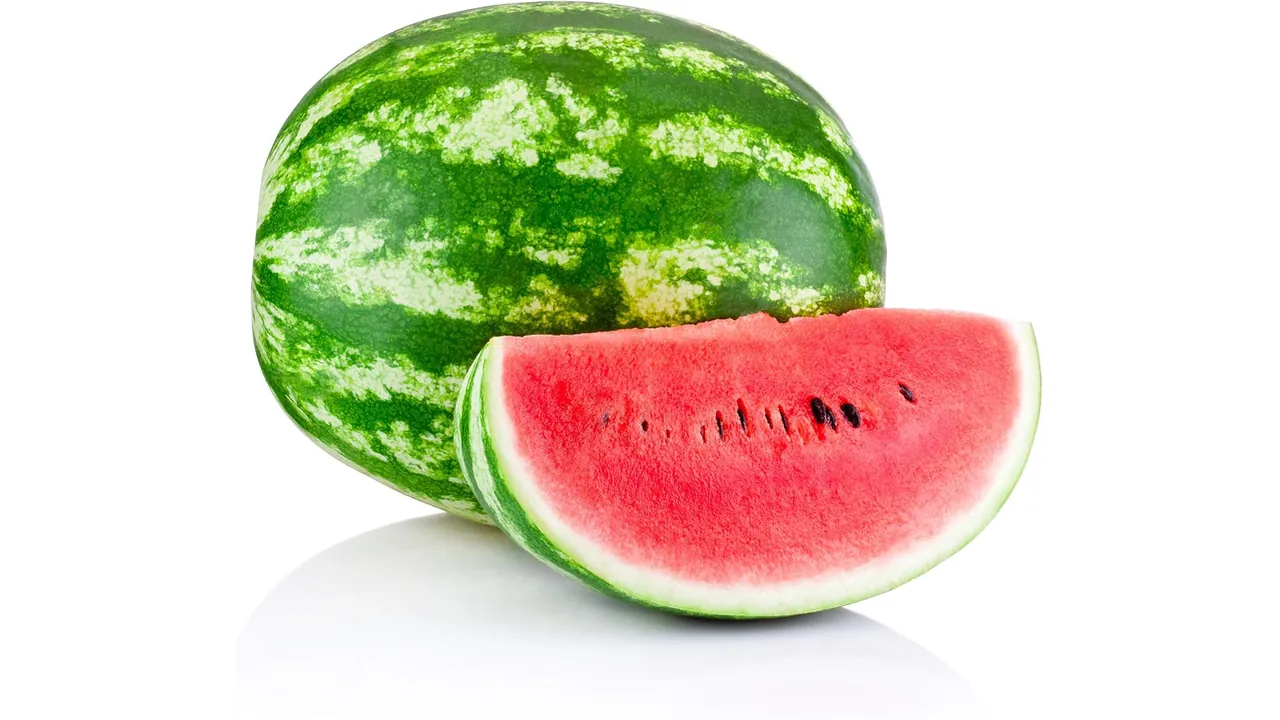
Imagine biting into your own incredibly sweet, homegrown watermelon this summer! Our Premium Heirloom Crimson Sweet Watermelon Seeds offer the perfect way to grow these vibrant, non-GMO delights right in your backyard, all while supporting a small family business.
Discover the perfect garden dibber for your needs! Learn whether a sturdy steel or lightweight wooden option will make your planting easier and more enjoyable.
A sitemap is a file that lists all the important pages on a website, acting as a detailed guide for search engines like Google. This XML sitemap helps bots efficiently crawl and index your site’s content, ensuring all key pages, such as product pages or blog posts, are discovered. Optimizing your website’s sitemap is a crucial part of technical SEO, as it improves visibility and can lead to better search engine rankings.
Google’s Core Web Vitals are essential metrics that measure the user experience of a webpage. These **Core Web Vitals** include **Largest Contentful Paint (LCP)**, assessing loading performance; **First Input Delay (FID)**, evaluating interactivity; and **Cumulative Layout Shift (CLS)**, measuring visual stability. Optimizing these **web vitals** is crucial for **website performance** and **SEO**, as Google considers them for search rankings. Improving your **site usability** ensures a better experience for your visitors.
The **Domain Name System** (DNS) acts like the internet’s phonebook, translating human-readable **domain names** (such as website.com) into numerical **IP addresses** (like 192.168.1.1) that computers use to locate each other. When you type a **website address** into your browser, **DNS servers** resolve the **domain name** to its corresponding **IP address**, allowing your computer to connect to the correct web server to load the requested webpage. This process is fundamental to how you access **websites** and other online resources.
A sitemap acts as a digital roadmap for your website, guiding both users and search engines like Google to all your important content. It’s essentially a file that lists all the URLs (pages) on your site that you want search engines to crawl and index. There are two main types: XML sitemaps, which are designed for search engines, and HTML sitemaps, which serve as a user-friendly navigational tool. By providing a clear website structure with a sitemap, you improve SEO by helping search engines efficiently discover and understand your site’s organization and content, leading to better visibility in search results.
A subnet is a logical division of an IP network. This segmentation improves network performance and security by breaking a larger network into smaller, more manageable parts. Each subnet has its own identifiable subnet mask, which defines the network address and host addresses within that segment. This allows network administrators to efficiently manage IP addresses and control data flow, reducing broadcast traffic across the entire local area network (LAN). Understanding subnets is fundamental for anyone configuring or troubleshooting network connections.