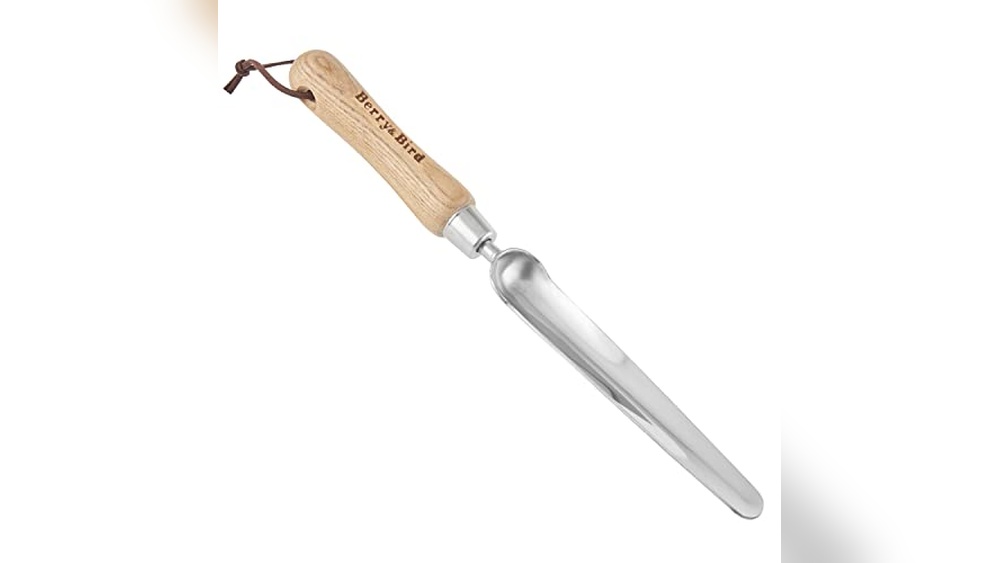
Choosing Your Garden Dibber: A Quick Guide
- Pick Stainless Steel Shovel if you want a sturdy tool for varied soil types.
- Choose Wooden Dibber when you prefer a lightweight and ergonomic planting tool.
- Go with Stainless Steel Shovel for better resistance to rust and long-lasting use.
- Prefer Wooden Dibber if you value natural feel and easy cleaning after use.
- Stainless Steel Shovel makes more sense for indoor planting or bulb care.
- Wooden Dibber is the safer bet for precision planting and comfortable grip.
Is The Stainless Steel Garden Bulb Shovel Ideal For Tough Soil Digging?
Yes, the Berry&Bird Stainless Steel Garden Bulb Shovel handles tough soil well due to its metal blade. The wooden handle offers a good grip and the steel blade can dig into dense clay or compacted earth effectively. Its length helps reach deeper without strain. However, it is slightly heavier than a simple wooden dibber.
In daily use, I found it reliable for planting bulbs indoors and in garden beds. The steel blade cuts through soil smoothly, and the wooden handle feels sturdy and comfortable. It’s easy to wash off soil after use. The tool balances weight and control well, making repetitive planting less tiring over time.
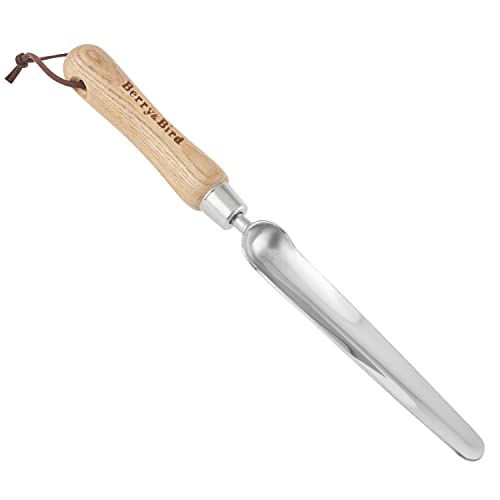
What it does best for garden soil and bulbs
- Strong stainless steel blade digs efficiently in various soil types
- Wooden handle offers natural grip with some cushioning
- Good length for deeper planting without bending too much
- Resistant to rust if dried properly after use
- Easy to clean due to smooth metal surface
What to know before you buy this steel garden tool
- Heavier than a simple wooden dibber, may tire hands in long sessions
- Wooden handle needs occasional care to avoid splinters
- Not ideal for very fine precision planting or tiny seed holes
A practical choice for gardeners needing durability and reach
This tool suits gardeners who work with tougher soil and want a dibber that lasts. It removes the stress of struggling with compacted ground and offers enough length for comfortable planting. Beginners will find it solid but may notice the weight at first. In my experience, regular cleaning keeps it reliable season after season. One tip is to dry the handle well to maintain grip quality. This shovel gives peace of mind through its sturdy construction and consistent performance.
Does The Wooden Garden Dibber Improve Planting Precision And Ease?
It depends on what you mean by precision, but generally yes. The Generic Wooden Dibber is designed with an ergonomic handle that fits the hand naturally. The hardwood construction is dense yet light, allowing accurate placement of bulbs or seedlings with minimal effort. Its tapered shape helps create well-spaced holes that support healthy root growth. However, it may not penetrate very hard soil as easily as steel.
I have found it comfortable for longer gardening sessions since the handle reduces hand fatigue. Its smooth finish resists soil sticking, making cleanup fast. The compact size fits well in toolboxes or pockets. It is a good choice for gardeners who value natural materials and gentle digging over brute strength.

What it excels at for planting and tool comfort
- Made of dense hardwood for durability and natural wear resistance
- Ergonomic handle reduces strain during repetitive planting
- Tapered design creates well-spaced, aerated planting holes
- Finished surface prevents soil from sticking
- Lightweight and easy to carry in gardening kits
What to consider before choosing this wooden planting tool
- May struggle in very compacted or rocky soil
- Requires occasional oiling or care to maintain wood integrity
- Not suited for heavy digging or breaking hard ground
A natural tool for gardeners who value precision and comfort
This dibber is best for gardeners focused on careful planting and ease of use. It removes the worry of hand fatigue during long sessions. Beginners will appreciate the gentle grip, while experienced users find it reliable for delicate tasks. I recommend keeping it dry and occasionally treating the wood for longevity. In my experience, its simple design brings peace of mind by blending comfort with function.
Questions That Clarify Your Dibber Choice
Do you need a tool that can handle tough or compacted soil easily? Is a lightweight and ergonomic handle important for long planting sessions? Will you be planting mostly bulbs indoors or in garden beds? How much maintenance are you willing to do to keep your tool in good shape? Do you prefer natural wood feel or metal durability? Are you looking for a dibber that fits neatly into your existing garden kit?
Comparing Wooden Vs Steel Garden Dibber In Daily Gardening
Comparing these tools comes down to material impact on use and comfort. Steel offers strength and longer reach, while wood brings natural grip and precision. Each performs differently depending on soil type and planting method. Regular use reveals how weight and handle shape affect fatigue. Cleaning and upkeep are also notable differences.
Which dibber handles tough soil better?
Steel blades dig through compacted or clay soils with less effort. Wood can struggle if soil is very dense or rocky.
| Metric | Stainless Steel Garden Bulb Shovel | Wooden Garden Dibber |
|---|---|---|
| Soil Penetration | Strong and efficient | Moderate, best in softer soil |
| Durability | High resistance to wear | Good but needs care |
| Weight | Heavier (0.35 lbs) | Lightweight |
| Handle Comfort | Wooden, sturdy grip | Ergonomic and natural |
Ratings: Stainless Steel Garden Bulb Shovel – 8/10 | Wooden Garden Dibber – 6/10
So what? If you dig in tough soil often, steel is more practical.
Which dibber offers better planting precision?
The wooden dibber’s shape helps create evenly spaced holes for bulbs and seedlings. Steel is broader, suited for larger holes.
| Decision point | Stainless Steel Garden Bulb Shovel | Wooden Garden Dibber |
|---|---|---|
| Hole Size Control | Less precise, wider | More precise, tapered |
| Spacing Ability | Moderate | Better for spacing |
| Root Ventilation | Good | Excellent due to shape |
Ratings: Stainless Steel Garden Bulb Shovel – 6/10 | Wooden Garden Dibber – 9/10
So what? Choose wood if careful hole placement matters most.
How easy is tool maintenance?
Steel needs drying to prevent rust, but cleans easily. Wood requires occasional oiling and drying to avoid cracking.
| Use case | Stainless Steel Garden Bulb Shovel | Wooden Garden Dibber |
|---|---|---|
| Cleaning | Quick rinse off soil | Soil resists sticking, easy wipe |
| Storage Care | Dry after use | Dry and oil periodically |
| Longevity | High if maintained | Good with care |
Ratings: Stainless Steel Garden Bulb Shovel – 7/10 | Wooden Garden Dibber – 7/10
So what? Maintenance differs but both require attention for long life.
Which dibber is better for extended use comfort?
Wood’s ergonomic handle reduces hand fatigue during long sessions. Steel’s weight may tire hands faster but offers reach.
| Metric | Stainless Steel Garden Bulb Shovel | Wooden Garden Dibber |
|---|---|---|
| Handle Ergonomics | Good grip | Shaped for comfort |
| Weight Impact | Heavier, more strain | Light and easy |
| Use Duration | Moderate comfort | Better for long use |
Ratings: Stainless Steel Garden Bulb Shovel – 6/10 | Wooden Garden Dibber – 8/10
So what? Wood suits gardeners who plant extensively without fatigue.
Final Thoughts On Choosing Between Wooden And Steel Garden Dibbers
If you frequently work in dense or rocky soil, the Stainless Steel Garden Bulb Shovel is better. Its strength and reach make tough digging easier. It suits gardeners who want durability and can handle a bit more weight.
The Wooden Garden Dibber fits gardeners focused on precision planting and comfort. It is ideal for softer soils and those who prefer a lighter, ergonomic tool. Beginners and those who value natural materials will appreciate its design.
When in doubt, consider the soil you work with most and how long you plant at a stretch. Both tools serve planting well but differ in feel and strength. Choosing based on your garden’s specific needs ensures satisfaction.
Faqs About Wooden Vs Steel Garden Dibber For Planting
Can the wooden dibber handle heavy clay soil?
Wooden dibbers can struggle in heavy clay or rocky soil due to limited strength. They work best in lighter, well-tilled soil. For tough soil, steel tools perform better.
Is the steel garden shovel prone to rust?
Steel blades can rust if left wet. Drying after use is important to maintain condition. The wooden handle also needs care to avoid damage over time.
Which dibber is easier to clean after planting?
Steel surfaces rinse off soil quickly and clean easily. Wooden dibbers resist soil sticking but may need wiping. Both require drying to prevent wear.
Will the wooden dibber last long without special treatment?
Wooden dibbers last well with occasional oiling and keeping dry. Neglect can lead to cracks or splinters. Proper care extends their life significantly.
Is the steel dibber heavier to use for long periods?
Yes, steel tools generally weigh more and may cause hand fatigue with extended use. Wooden dibbers are lighter and better for long planting sessions.
Are these dibbers suitable for indoor planting?
Both can be used indoors, but the stainless steel shovel’s cleanable surface makes it especially suitable for indoor bulb planting. Wood is fine but needs to stay dry.
Can beginners easily use both types of dibbers?
Yes, both are straightforward to use. Beginners might find the ergonomic wooden dibber more comfortable initially, while steel offers more power for tougher soil.