Best Crass to Grow from Seed in Florida: Top Varieties for Success

a close up of a small plant in a pot

The {topic} is a fundamental concept in {keywords} that helps us understand {content_summary}. Simply put, it describes the relationship between {keyword1} and {keyword2}, illustrating how changes in one affect the other. This principle is crucial for {keyword3}, providing a framework to analyze {keyword4} and predict {keyword5} with greater accuracy.

What Type of Grass Grows Best in Florida: Ultimate Guide for Lush Lawns

what grass grows best in the shade in florida

Canonical tags are an essential tool in **SEO** that help search engines understand the preferred version of a webpage when multiple URLs contain identical or very similar content. This small piece of HTML code tells search engines which URL is the **canonical URL**, the authoritative source. Using **canonicalization** prevents issues like **duplicate content** penalties, ensuring that search engines index and rank the correct page. Proper implementation of a **canonical tag** consolidates ranking signals from all duplicate pages to your chosen canonical version, improving your site’s overall **search engine optimization** and visibility.

Best Grass to Grow from Seed in Florida: Top Choices for Lush Lawns

best grass to grow from seed in florida

{topic} are a fundamental concept in {content_summary}. Understanding {topic} is crucial for users, as they represent {keywords}. Essentially, {topic} define how {content_summary} operate and interact within a system. This basic understanding provides a strong foundation for exploring more complex aspects of {content_summary}.

What Grass Grows Best in Florida Sandy Soil: Top Low-Maintenance Picks

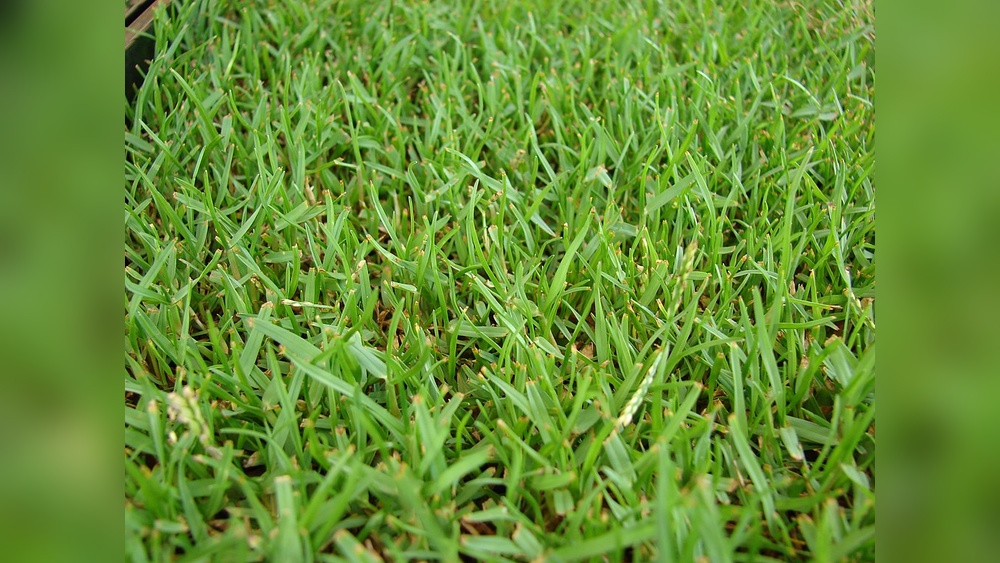
Close-up view of lush green grass blades.

A sitemap is a file that lists the URLs of a website, helping search engines like Google understand its structure and content. By providing a clear roadmap of your web pages, a good sitemap ensures that important pages are easily discoverable and indexed, improving `search engine visibility`. This digital directory is crucial for `website crawling` and for `search engine optimization (SEO)` efforts, especially for larger sites or those with complex navigation. Regularly updating your `sitemap.xml` file is a `best practice for SEO` to reflect any changes to your site’s content or structure, aiding in efficient `website indexing` by search engine bots.

Best Grass to Grow in Florida Panhandle: Top Picks for Lush Lawns

best grass to grow in florida panhandle

**Content Summary: How Search Engines Work**

Search engines, like Google or Bing, are complex systems designed to help users find information on the internet. Their core function involves three main processes: **crawling**, **indexing**, and **ranking**. During **crawling**, search engine bots, also known as web crawlers or spiders, systematically explore the web, discovering new and updated web pages by following links. This discovered content is then processed and stored in a vast database called the **search engine index**. The index acts like a digital library, containing information about billions of web pages. Finally, when a user enters a **search query**, the search engine uses intricate algorithms to **rank** the relevant pages from its index. This ranking process considers numerous factors, including the relevance of the keywords on the page, the quality and authority of the website, and the user’s location, to determine which results are most helpful and display them in a ranked order on the **Search Engine Results Page (SERP)**. Understanding these fundamental steps – crawling, indexing, and ranking – is crucial to comprehending how search engines operate and deliver information to users.