Tomato plant problems can be a source of immense frustration for any gardener, from the novice with a single patio pot to the seasoned homesteader with rows of heirlooms. You’ve invested time, effort, and care, only to be met with yellowing leaves, spotted fruit, or a plant that simply refuses to thrive. The good news is that your tomato plant is almost always trying to tell you exactly what’s wrong. Learning to interpret these signals is the key to a bountiful harvest, and thankfully, most solutions are far simpler than you might think. This guide will walk you through the most common issues, helping you diagnose the cause and implement effortless fixes to get your plants back on track.

Before diving into specific ailments, it’s helpful to understand that the vast majority of tomato troubles stem from a few core areas: watering inconsistencies, nutrient deficiencies, environmental stress, and common pests or diseases. By focusing on creating a stable and healthy environment from the start, you can prevent most of these issues before they ever begin. But when they do crop up, don’t panic. Consider this your go-to reference for turning garden drama into delicious success.
Common Tomato Plant Problems with Leaves
A plant’s leaves are its primary solar panels and a clear indicator of its overall health. When issues arise, the leaves are often the first place you’ll see the signs.
The Case of the Yellowing Leaves
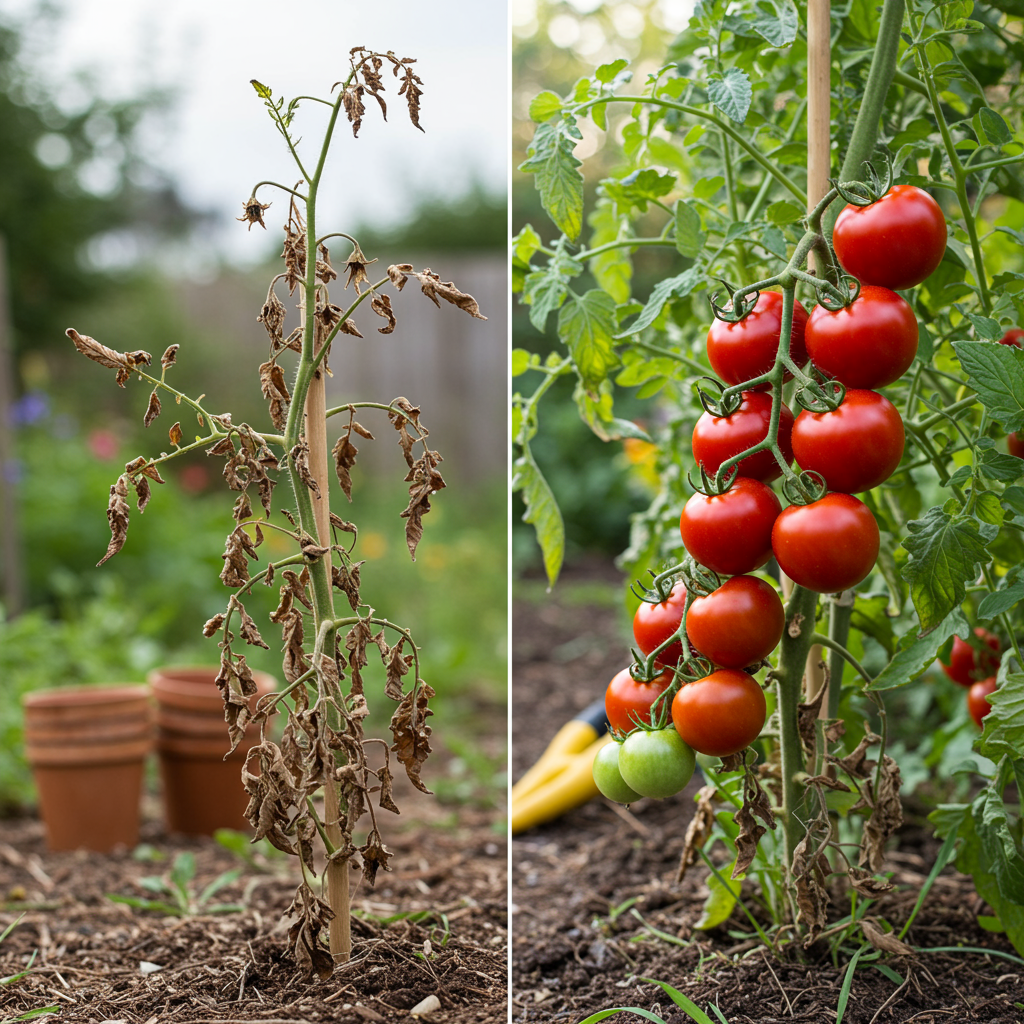
Yellow leaves, a condition known as chlorosis, are one of the most frequent complaints. The key to fixing it is to observe where and how the leaves are yellowing.
Symptoms: The oldest, lowest leaves on the plant are turning yellow, while the new growth at the top remains green. The yellowing may eventually spread upwards, and the affected leaves might drop off.
Likely Cause: This is a classic sign of a nitrogen deficiency. Nitrogen is a mobile nutrient, meaning the plant can move it from older leaves to support new growth. As the plant grows, it uses up the available nitrogen in the soil.
The Effortless Fix: A quick dose of a nitrogen-rich liquid fertilizer is the fastest solution. Look for fertilizers where the first number in the N-P-K ratio is higher, such as a 10-5-5. A fish emulsion or blood meal solution works wonderfully as an organic option. Apply according to the package directions, and you should see improvement in new growth within a week. For a long-term fix, supplement your soil with compost at the beginning of the season.
Symptoms: Leaves are yellowing indiscriminately all over the plant, not just from the bottom up. The plant may look droopy or wilted, even if the soil is wet.
Likely Cause: Overwatering is the most probable culprit. When soil is constantly saturated, the roots can’t breathe. They become stressed, unable to absorb nutrients properly, and can even begin to rot.
The Effortless Fix: Simply cut back on watering. Check the soil before reaching for the hose. Stick your finger two inches deep; if it feels damp, wait another day. It’s better to water deeply and infrequently than to provide small, shallow drinks every day. This encourages deep root growth and prevents the soil from becoming waterlogged. Ensure your pots or garden beds have excellent drainage.
When Leaves Start to Curl
Curled leaves can look alarming, but the cause is often environmental and easy to manage.
Symptoms: The edges of the leaves roll upward and inward, sometimes becoming thick and leathery. This typically affects the older, lower leaves first.
Likely Cause: This is called physiological leaf roll. It’s not a disease but a reaction to environmental stress. Common triggers include excessive heat, prolonged dry winds, inconsistent watering, or even overly aggressive pruning. The plant curls its leaves to conserve moisture.
The Effortless Fix: While you can’t uncurl the leaves, you can prevent it from getting worse. Provide consistent moisture by deep watering and applying a thick layer of mulch (straw, wood chips) around the base of the plant. Mulch helps regulate soil temperature and retain moisture. If a heatwave is forecasted, consider providing some temporary afternoon shade with a shade cloth. In most cases, physiological leaf roll doesn’t significantly impact fruit production.
Unwanted Spots: Dealing with Blight and Fungi
Dark spots on the leaves are often caused by common fungal diseases that thrive in wet, humid conditions. Early and Late Blight and Septoria Leaf Spot are the most common.
Symptoms: Small, dark spots with yellow halos appear on the lower leaves (Early Blight & Septoria). As it progresses, the entire leaf turns yellow, then brown, and falls off. Late Blight appears as large, greasy-looking, grey-green patches.
Likely Cause: Fungal spores that live in the soil and are splashed onto the lower leaves by rain or overhead watering. High humidity and poor air circulation create the perfect environment for them to spread.
The Effortless Fix: Prevention is key.
1. Prune: As soon as your plant is established (about a foot tall), carefully prune off the lowest branches so no leaves are touching the ground. This creates a “splash barrier.”
2. Water Smart: Always water at the base of the plant, avoiding the foliage. A soaker hose is an excellent tool for this. Water in the morning so any accidental splashes have time to dry in the sun.
3. Remove & Dispose: The moment you see a spotted leaf, snip it off with clean pruners and dispose of it in the trash, not the compost pile. This simple act can stop the disease in its tracks.
4. Mulch: A 2-3 inch layer of mulch provides a physical barrier between the soil-borne spores and your plant’s leaves.
Troubleshooting Issues with Your Tomato Fruit
Nothing is more disheartening than seeing your precious, developing tomatoes develop problems. Here’s how to fix the most common fruit-related issues.
The Dreaded Blossom End Rot
Symptoms: A dark, sunken, leathery spot appears on the bottom (blossom end) of the tomato fruit. It starts small and water-soaked, eventually turning black and hard.
Likely Cause: This is not a disease but a calcium uptake problem. Don’t rush to add calcium to your soil—most garden soils have plenty. The real culprit is almost always inconsistent watering. When the plant experiences periods of drought followed by heavy watering, it can’t transport the available calcium to the rapidly growing fruit efficiently.
The Effortless Fix: The most important fix is to maintain consistent soil moisture. Water deeply every 2-4 days (depending on heat and soil type) rather than erratically. Mulching is your best friend here, as it helps keep the soil evenly moist. For container-grown tomatoes, which dry out quickly, this is especially critical. If you suspect your soil truly is a rare case of being calcium-deficient, a quick-acting calcium spray can help the affected fruit, but the long-term solution is consistent watering.
Why Are My Tomatoes Cracking?
Symptoms: Circular or vertical cracks appear on the skin of the tomato, usually around the stem end.
Likely Cause: Just like Blossom End Rot, this is primarily a watering issue. Cracking occurs when the fruit experiences a sudden, rapid growth spurt. This typically happens when a dry spell is followed by a heavy rain or deep watering, causing the inside of the tomato to grow faster than its skin can stretch.
The Effortless Fix: Once again, consistent watering is the cure. Mulch heavily to prevent the soil from drying out completely between waterings. If you know a big rainstorm is coming after a dry period, it can sometimes help to give your plants a moderate drink beforehand to ease them into the influx of moisture. Some heirloom varieties are more prone to cracking; harvesting them just before they are fully ripe can also help.
Stem, Root, and Growth Puzzles
Correcting Leggy Seedlings
Symptoms: Young seedlings are excessively tall, pale, and floppy, with long distances between sets of leaves.
Likely Cause: Insufficient light. The seedlings are desperately stretching to find a stronger light source.
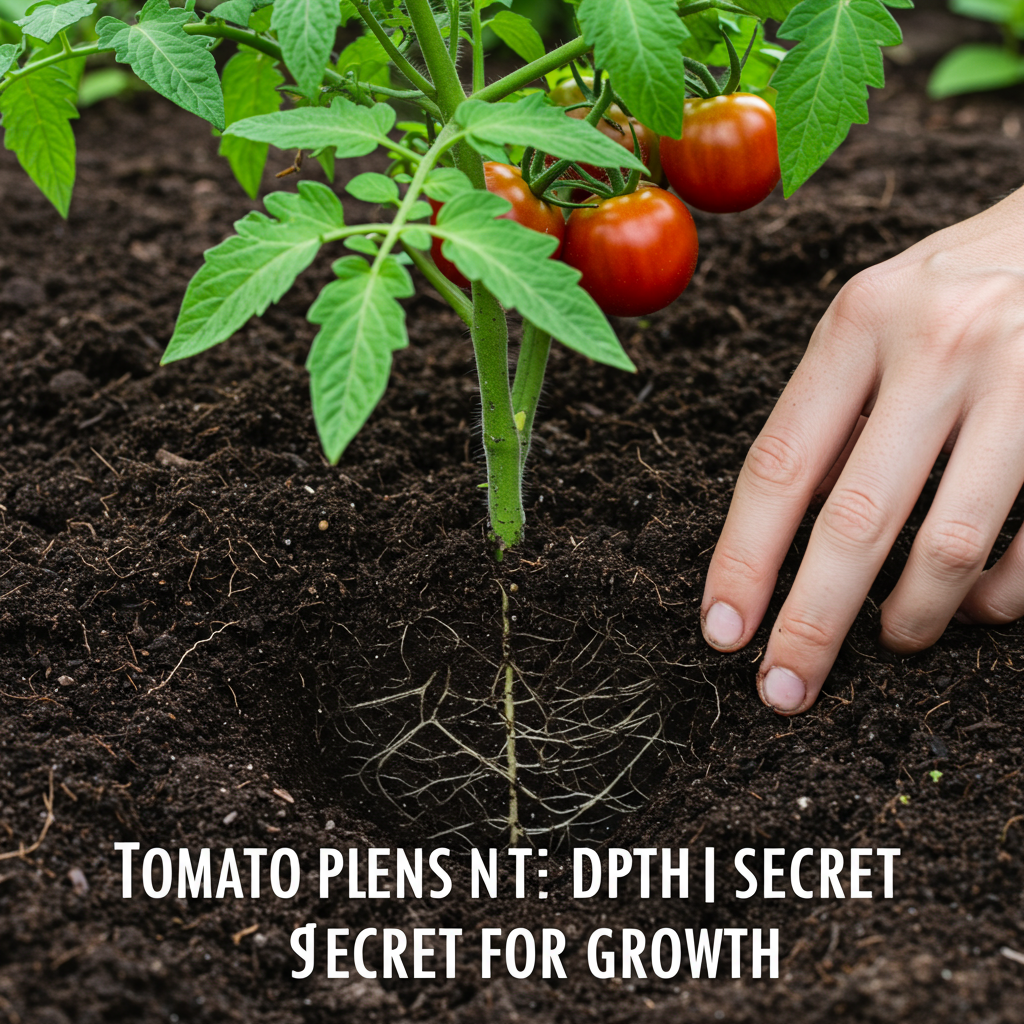
The Effortless Fix: Provide more intense light immediately. A sunny, south-facing window may not be enough. A simple fluorescent shop light or a dedicated LED grow light kept just 2-3 inches above the seedlings for 14-16 hours a day is ideal. When you plant them out, you can bury a significant portion of the “leggy” stem. Tomatoes are unique in that they will grow new roots all along the buried stem, resulting in a stronger, more robust plant.
Battling Common Pests and Environmental Stress
Aphids and Hornworms
Symptoms: Tiny, pear-shaped insects (aphids) clustered on new growth and the undersides of leaves, or a large, green caterpillar (hornworm) devouring leaves and even small fruit seemingly overnight.
Likely Cause: Pests have found your delicious tomato plants.
The Effortless Fix:
For Aphids: A strong jet of water from the hose can knock most of them off. For a more persistent infestation, a simple spray bottle filled with water and a few drops of dish soap will kill them on contact without harming the plant.
* For Hornworms:** The best