
Are you ready to turn your Florida yard into a fruitful oasis? Choosing the right fruit trees can make all the difference between a thriving garden and a frustrating one.
Florida’s unique climate offers the perfect playground for many delicious fruits, but not all trees flourish equally here. In this guide, you’ll discover the best fruit trees to grow in Florida—trees that suit your local weather, need little fuss, and reward you with bountiful harvests.
Whether you’re a beginner or looking to expand your garden, knowing which fruit trees truly thrive in Florida will help you enjoy fresh, homegrown flavors right at your doorstep. Keep reading to find your perfect match and start planting today!
Credit: toptropicals.com
Easy Fruit Trees For Florida
Florida’s warm climate suits many fruit trees that grow with little effort. These easy fruit trees need less care and still produce tasty fruit. They fit well in home gardens and small yards. Beginners and busy gardeners find these plants ideal. Here are some simple options that thrive in Florida’s heat and humidity.
Pineapple From Store Tops
Start pineapples by planting store-bought tops. Remove the leafy crown and let it dry for a day. Plant it in well-draining soil or a pot. Pineapples need bright sun and little water. They grow slowly but need almost no care. You can harvest fruit in 18 to 24 months. Pineapples add a tropical feel to your garden.
Banana Growth And Care
Bananas are fast growers and easy to maintain. They are actually large herbs, not trees. Plant banana pups or small plants in rich soil. Water regularly and add compost for best growth. They like full sun but tolerate some shade. Bananas produce fruit in about 9 to 12 months. Remove dead leaves to keep plants healthy.
Fast-growing Mulberries
Mulberries grow quickly and handle Florida’s heat well. These trees produce sweet berries that attract birds. Plant them in full sun with plenty of space. Mulberries need little watering once established. Prune yearly to control size and shape. They start fruiting in 2 to 3 years. Mulberries are great for fresh eating and jams.
Low-maintenance Jujube
Jujube trees, also called Chinese dates, are tough and drought-tolerant. They grow well in North and Central Florida. Jujube fruits are small, sweet, and nutritious. Plant in full sun with well-drained soil. These trees require minimal watering and pruning. They resist pests and diseases easily. Jujubes mature in 3 to 5 years and last for decades.
Vigorous Passion Vine
Passion vines grow fast and spread easily on trellises or fences. They produce unique passion fruits that taste sweet and tart. Plant passion vine in sunny spots with good drainage. Water regularly but avoid waterlogging. Passion vines attract pollinators like bees and butterflies. They can become invasive, so control their growth. Fruit appears in 1 to 2 years after planting.
Credit: www.edisonfordwinterestates.org
Best Trees By Florida Region
Choosing the best fruit trees depends on the Florida region where you live. The state’s climate zones vary from cooler north to tropical south. This affects which trees will grow well and produce fruit. Some trees do better in North Florida’s mild winters. Others thrive in Central and South Florida’s warm, humid conditions. Container fruit trees are also an option for small spaces or patios. Let’s explore the best fruit trees by Florida region.
North Florida Favorites
North Florida has cooler winters and a shorter growing season. Fruit trees here must tolerate occasional frost. Persimmons grow well and offer sweet, tasty fruit. Muscadine grapes are hardy and produce delicious berries. Pecans are native and provide rich nuts. Pear trees adapt to the climate and yield juicy fruit. Blackberries grow fast and need little care.
Central And South Florida Picks
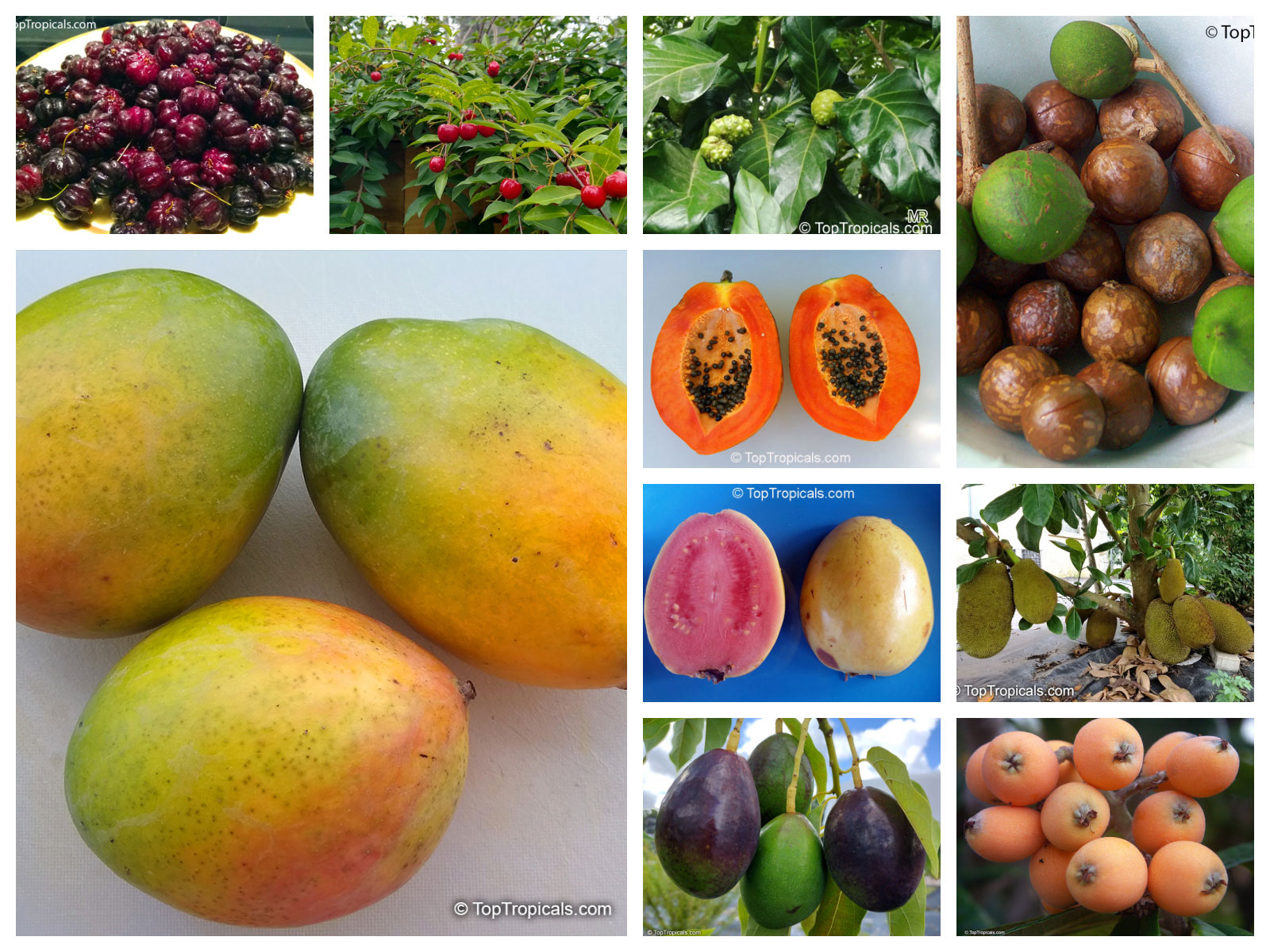
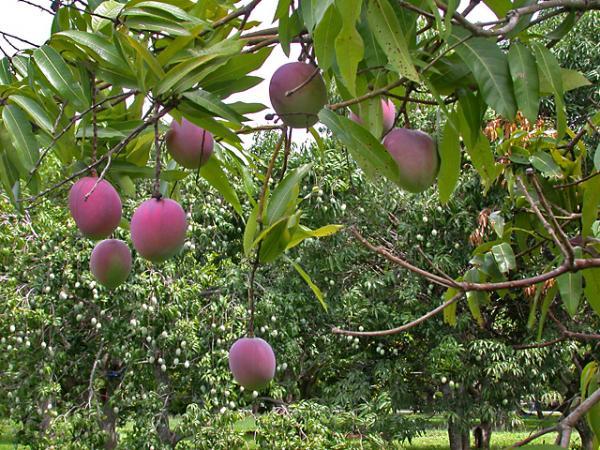
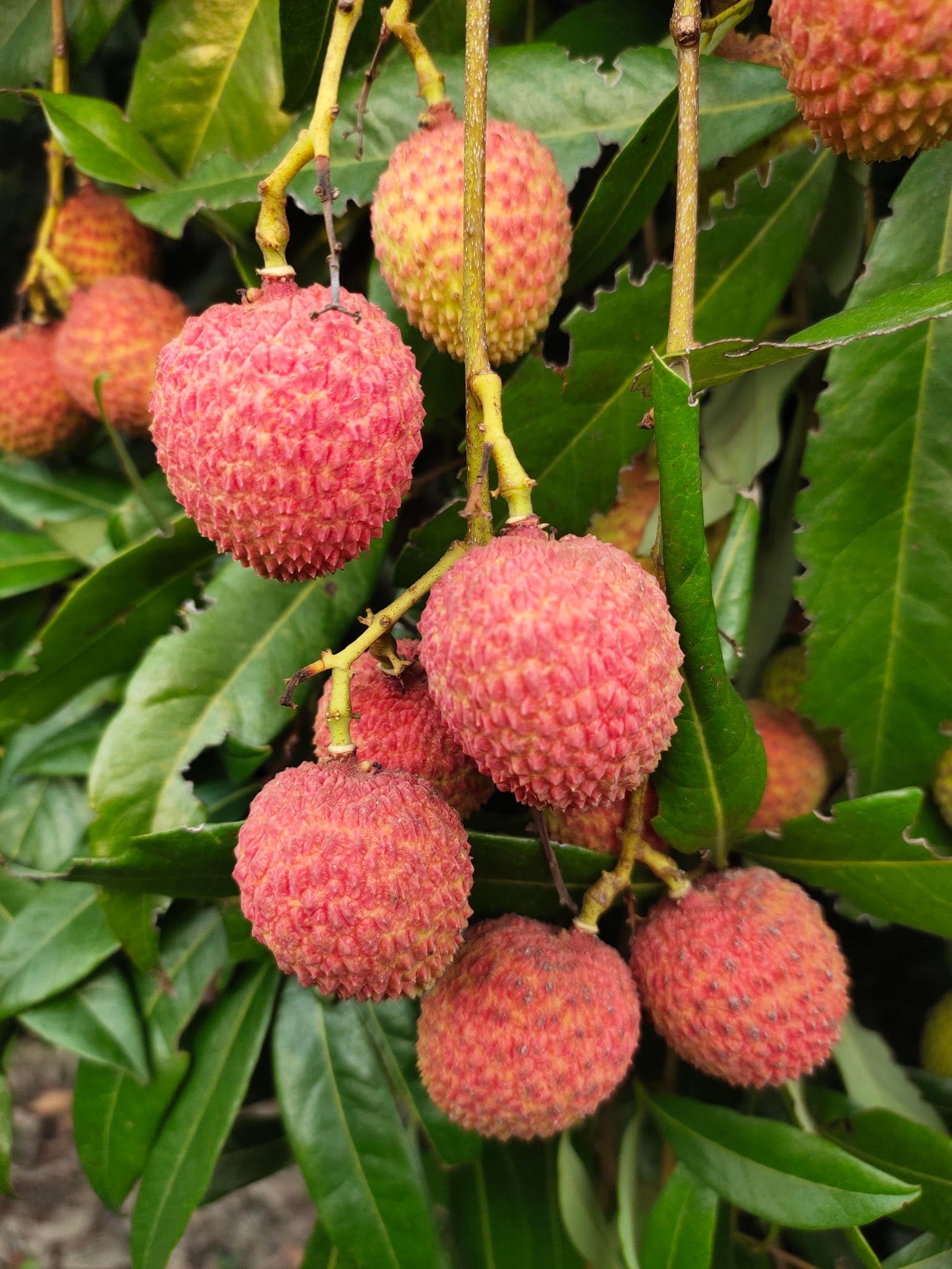
This region is warmer with longer frost-free periods. Mango trees flourish and produce large, sweet fruit. Avocados grow well in rich, well-drained soil. Papayas mature quickly and bear fruit year-round. Lychee trees add exotic flavor and do well here. Guavas are hardy and produce fragrant, tasty fruit. Citrus trees like oranges and lemons thrive in this area.
Ideal Container Fruit Trees
Containers suit small yards, balconies, or patios. Blueberries grow well in pots with acidic soil. Dwarf citrus trees like lemons and limes are perfect. Pineapples need little space and grow well in containers. Bananas, though large, can thrive in pots with proper care. Container trees make fruit growing easy for limited spaces.
High-yield Fruit Tree Choices
Choosing high-yield fruit trees for Florida gardens ensures a steady supply of fresh fruit. These trees adapt well to the warm climate and produce abundant harvests. They fit perfectly for both beginner and experienced gardeners. Planting these trees can save money and provide healthy snacks straight from your yard.
Barbados Cherry Benefits
Barbados cherry trees grow quickly and produce many fruits. The cherries are rich in vitamin C and antioxidants. They can be eaten fresh or made into jams and juices. This tree tolerates Florida’s heat and occasional dry spells. It stays small, making it perfect for limited spaces.
Year-round Papaya
Papaya trees offer fruit throughout the year in Florida’s warm climate. They grow fast and start producing fruit within a year. Papayas are sweet, juicy, and full of vitamins A and C. The trees prefer well-drained soil and plenty of sunlight. Regular harvesting encourages more fruit growth.
Peaches And Nectarines In Central Florida
Central Florida’s mild winters suit peach and nectarine trees well. These trees yield delicious, juicy fruits in spring and early summer. They need some chill hours but handle Florida’s heat during summer. Proper pruning helps keep the trees healthy and productive. Peaches and nectarines add variety to any fruit garden.
Credit: gardenvive.com
Growing Tips For Florida Fruit Trees
Growing fruit trees in Florida can be rewarding and fun. The warm climate helps many trees produce juicy, tasty fruits. Yet, success needs some planning. Understanding local conditions and tree needs improves growth and yield.
Proper care and smart choices keep trees healthy. This section shares key tips for growing fruit trees in Florida. These tips cover selecting the right zone, choosing cold-hardy citrus, and managing blueberry pollination. Follow these tips to grow strong fruit trees with good harvests.
Choosing The Right Zone
Florida has different climate zones. Knowing your zone helps pick trees that will thrive. The USDA Hardiness Zones range from 8a in the north to 11a in the south. Each zone has distinct temperature patterns.
Choose fruit trees suited for your zone’s temperature and humidity. Trees that handle heat and occasional cold will grow better. For example, tropical fruits prefer south Florida, while temperate fruits do well in north Florida.
Cold-hardy Citrus Varieties
Citrus trees are popular in Florida but some areas get cold snaps. Cold-hardy varieties survive these drops better. These include Satsuma mandarins, Kumquats, and certain grapefruit types.
Plant cold-hardy citrus in protected spots. South or southwest-facing locations work well. Mulch around the base to keep roots warm. Cover trees during frost warnings to prevent damage.
Blueberry Pollination Strategies
Blueberries need cross-pollination for bigger fruit yields. Plant two or more different blueberry varieties nearby. This helps bees transfer pollen between flowers.
Choose varieties that bloom at the same time. This ensures effective pollination. Bees love blueberry blossoms, so avoid pesticides during bloom. Proper pollination boosts fruit size and quantity.
Frequently Asked Questions
What Is The Easiest Fruit To Grow In Florida?
The easiest fruits to grow in Florida are bananas, pineapples, mulberries, figs, and guavas. These fruits thrive with minimal care. Pineapples grow well from store-bought tops. Bananas spread quickly through pups. Mulberries and figs adapt easily to Florida’s climate. Guavas produce abundant fruit with little fuss.
What Is The Easiest Tree To Grow In Florida?
The easiest tree to grow in Florida is the mulberry. It adapts well, grows fast, and produces abundant fruit with minimal care.
When’s The Best Time To Plant Fruit Trees In Florida?
The best time to plant fruit trees in Florida is during the cooler months from December to February. This allows roots to establish before the hot, humid summer. Choose varieties suited for your specific Florida region for optimal growth and fruit production.
What Is The Most Low Maintenance Fruit Tree?
The most low maintenance fruit tree is the mulberry. It grows fast, adapts well, and produces abundant fruit with minimal care.
Conclusion
Choosing the best fruit trees for Florida depends on your location and care. Pineapples, bananas, and guavas grow well with little effort. Mangoes and avocados suit warmer areas like South Florida. For cooler North Florida, try persimmons and blackberries. Container gardening works great with blueberries and dwarf citrus trees.
Remember to check your local climate zone before planting. Healthy soil and regular watering help trees produce tasty fruit. Start small, enjoy the process, and watch your garden flourish. Growing fruit trees can bring fresh flavors and joy to your home garden.