Are you ready to transform your Florida garden into a vibrant, thriving oasis? Choosing the right plants is the key to enjoying a beautiful garden that can handle the unique Florida climate.
Whether you have a sunny yard or a shady nook, knowing which plants will flourish in your space can save you time, effort, and frustration. You’ll discover the best plants for gardens in Florida—plants that not only survive but truly thrive.
Get ready to unlock the secrets to a garden that brings color, life, and joy to your home all year round!
Credit: costafarms.com
Florida Garden Climate
Florida’s garden climate is unique and challenging. The state has warm temperatures year-round. High humidity often affects plant growth and health. Understanding this climate helps in choosing the right plants. Gardeners must consider heat, humidity, and seasonal changes.
Soil type and rainfall also play a big role. Florida’s soil varies from sandy to clayey. Rain comes mostly in summer, causing wet and dry periods. These factors shape the gardening success in Florida.
Heat And Humidity Impact
Florida’s heat stays intense most of the year. Many plants struggle with constant high temperatures. Humidity adds stress to plants by reducing water evaporation. Some plants thrive despite these conditions. Others need shade or extra watering to survive.
Choosing heat-tolerant and humidity-friendly plants is essential. Tropical plants often do well here. They are adapted to the warm, moist air. Gardeners can avoid plants that wilt or suffer from mold easily.
Seasonal Planting Windows
Florida has two main growing seasons: spring and fall. Summer is very hot and wet, limiting planting options. Winter is mild and good for cool-weather crops. Planting at the right time improves growth and yield.
Spring planting works well for warm-season vegetables and flowers. Fall planting supports cool-season greens and root crops. Knowing these windows helps gardeners plan better. It reduces plant stress and increases garden success.
Credit: www.youtube.com
Native Plants For Florida
Native plants for Florida thrive in the state’s unique climate and soil. They require less water and care than non-native plants. These plants support local ecosystems and provide natural beauty. Choosing native plants helps create a sustainable garden that fits Florida’s environment perfectly.
Beautyberry And Coontie
Beautyberry is a vibrant shrub with bright purple berries. It adds color to your garden and attracts birds. Coontie is a low-growing plant with tough leaves. It is one of Florida’s oldest native plants. Both plants are drought-tolerant and grow well in Florida’s sandy soils.
Muhly Grass And Southern Magnolia
Muhly grass has soft, pinkish-purple plumes that sway in the wind. It is perfect for borders and natural landscapes. Southern magnolia is a large tree with glossy leaves and fragrant white flowers. It provides shade and a classic Southern look to gardens. Both plants handle Florida’s heat and humidity well.
Benefits For Wildlife
Native plants support many types of wildlife. Birds, butterflies, and bees rely on them for food and shelter. Beautyberry berries feed birds during winter. Coontie is a host for the atala butterfly. Muhly grass offers nesting material, while southern magnolia attracts pollinators. Planting natives helps keep Florida’s wildlife healthy and active.
Low-maintenance Choices
Choosing low-maintenance plants can save time and effort in Florida gardens. These plants thrive with little care and adapt well to Florida’s climate. They also help reduce water use and resist pests naturally. This makes your garden more eco-friendly and easy to manage.
Rain Garden Plants
Rain garden plants help control water runoff and prevent flooding. They absorb extra water after heavy rains. These plants usually grow near wetlands or ponds in Florida. Examples include goldenrod, swamp sunflower, and muhly grass. Milkweed is another excellent choice. These plants need little watering once established. They attract butterflies and birds, adding life to your garden.
Drought-tolerant Options
Drought-tolerant plants survive long dry periods with minimal water. They are perfect for Florida’s hot and dry spells. Some top choices are lantana, coontie, and blue plumbago. These plants store water in their leaves or roots. They also resist heat and sun damage well. Choosing drought-tolerant plants reduces your water bills. These plants stay healthy without constant care or watering.
Best Flowers For Florida Gardens
Choosing the right flowers for a Florida garden can brighten your outdoor space. Florida’s warm climate suits many vibrant blooms. These flowers thrive under the sun and handle humidity well. They require little care but offer long-lasting beauty. Planting flowers suited to Florida helps your garden flourish and attract butterflies and bees.
Pentas And Coreopsis
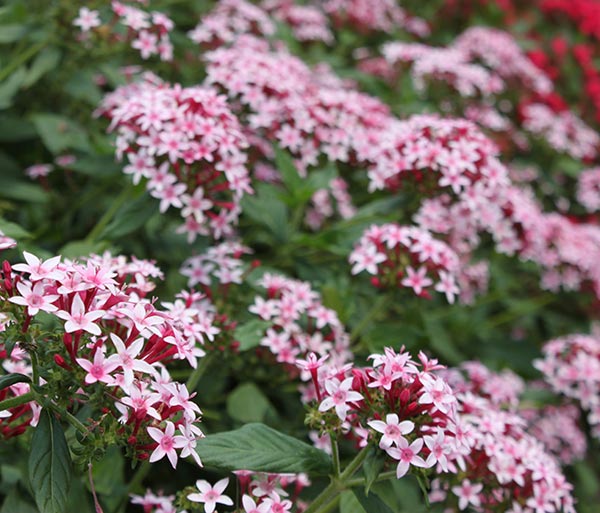
Pentas are colorful flowers that attract hummingbirds. They bloom all summer long with star-shaped clusters. Coreopsis, also called tickseed, shows bright yellow flowers. Coreopsis blooms from spring to fall and is drought-tolerant. Both plants grow well in Florida’s heat and sandy soil. They add cheerful colors to any garden.
Blue Salvia And Gerbera
Blue Salvia stands out with its tall spikes of deep blue flowers. It thrives in full sun and blooms for months. Gerbera daisies offer large, vivid flowers in many colors. They brighten garden beds and pots alike. These flowers do well in warm, humid weather. They bring a splash of color and charm to Florida gardens.
Lavender And Heuchera
Lavender is known for its lovely scent and purple flowers. It prefers sunny spots and well-drained soil. Lavender attracts pollinators and adds fragrance to gardens. Heuchera, or coral bells, has colorful leaves and small flowers. It grows well in partial shade and adds texture. These plants provide both beauty and variety to your garden.
Vegetables That Thrive
Growing vegetables in Florida’s unique climate means choosing plants that handle heat and humidity well. The Sunshine State offers a long growing season and plenty of sun. Many vegetables thrive here, providing fresh and healthy food for your garden. Understanding which vegetables perform best helps gardeners enjoy a bountiful harvest.
Heat-loving Crops
Some vegetables love Florida’s warm weather. Okra grows tall and produces pods quickly. Southern peas, such as black-eyed peas, thrive in heat and poor soil. Sweet potatoes do well in sandy soil and need little water. Cherry tomatoes can handle Florida’s sun if watered regularly. These crops resist pests and diseases common in hot climates.
Tropical And Lesser-known Vegetables
Florida’s climate supports tropical vegetables rarely seen in other gardens. Malabar spinach is a fast-growing vine with edible leaves. Cassava, a root vegetable, grows well in warm, moist soil. Yardlong beans produce long pods and prefer full sun. These plants add variety and nutrition to your garden. They also bring interesting flavors to your meals.
Extending The Growing Season
Florida gardeners can grow vegetables almost year-round. Plant heat-tolerant crops early in spring for a summer harvest. Use shade cloths to protect young plants from intense sun. Fall is ideal for cool-season vegetables like kale and broccoli. Mulching helps retain soil moisture and reduce weeds. Planning your garden in phases keeps fresh vegetables available longer.
Full Sun Plant Picks
Gardening in Florida means embracing the sun. Full sun areas receive six or more hours of direct sunlight daily. Plants that thrive here must handle heat and bright light well. Choosing the right plants ensures a vibrant, colorful garden all year. Below are some excellent full sun plant picks for Florida gardens.
Asiatic Lilies And Coneflowers
Asiatic lilies are bold and bright. They bloom in many colors like red, orange, and yellow. These lilies enjoy full sun and well-drained soil. They add height and drama to any garden bed.
Coneflowers, also known as Echinacea, are tough and drought-resistant. Their purple petals attract butterflies and bees. Coneflowers bloom from early summer to fall, giving long-lasting color.
Black Eyed Susan And Geraniums
Black Eyed Susans are cheerful yellow flowers with dark centers. They grow well in heat and need little care. These flowers bring a wildflower look to sunny spots.
Geraniums offer bright red, pink, or white blooms. They do well in pots or garden beds. Geraniums tolerate sun and heat, making them perfect for Florida gardens.
Easy-care Flowering Plants
Choose plants that need little water and fertilizer. Lantana is a great option with clusters of colorful flowers. It attracts butterflies and stays healthy under the hot sun.
Another easy-care choice is pentas. They produce star-shaped flowers in red, pink, or purple. Pentas bloom all summer and bring vibrant color to sunny spots.
Tips For Planting Success
Successful gardening in Florida depends on more than just picking the right plants. Careful planning and preparation are essential. Understanding the best times to plant and how to prepare your soil can boost your garden’s growth. These tips help your garden thrive in Florida’s unique climate.
Optimal Planting Times
Florida’s warm climate allows for year-round gardening. Still, some months are better for planting specific plants. Spring and fall offer cooler temperatures that reduce plant stress. Plant vegetables like tomatoes and peppers in early spring. Fall is ideal for leafy greens and root vegetables. Avoid planting during the hottest summer months to prevent heat damage.
Soil Preparation And Care
Florida soil often needs improvement before planting. Test your soil to check its pH and nutrients. Most plants prefer slightly acidic to neutral soil. Add organic matter like compost to enrich the soil. This improves drainage and retains moisture. Regularly mulch your garden to keep soil moist and control weeds. Water plants deeply but less often to encourage strong roots.

Credit: travelingtreesinc.com
Frequently Asked Questions
What Grows Well In A Garden In Florida?
Sweet potatoes, southern peas, cherry tomatoes, okra, peppers, and eggplant grow well in Florida gardens. Tropical vegetables like cassava and Malabar spinach also thrive. Native plants such as beautyberry, muhly grass, and coontie suit Florida’s climate and require low maintenance.
What Is The 70/30 Rule In Gardening?
The 70/30 rule in gardening means planting 70% edible plants and 30% decorative plants for balance and productivity.
What Is The Best Low Maintenance Landscape In Florida?
The best low maintenance landscape in Florida uses native plants like muhly grass, goldenrod, swamp sunflower, and milkweed. Rain gardens help manage water naturally and reduce upkeep. These plants thrive in Florida’s climate and require minimal watering and care.
When’s The Best Time To Plant A Garden In Florida?
The best time to plant a garden in Florida is during fall and early spring. These seasons offer mild temperatures and ideal soil conditions. Plant vegetables like lettuce and spinach in early spring, and heat-tolerant crops like okra and sweet potatoes in late spring or summer.
Conclusion
Choosing the right plants makes Florida gardening rewarding and fun. Native and heat-tolerant plants thrive best here. They save water and require less care. Bright flowers and lush greens add beauty to any garden. Start with easy-to-grow options for quick success.
Enjoy watching your garden bloom in Florida’s warm climate. Happy gardening!