Choosing the best Florida trees for your landscape can transform your property into a vibrant oasis. This guide explores various stunning and low-maintenance trees perfect for Florida’s climate, offering options for shade, beauty, and effortless landscaping.

Introduction: Enhancing Your Landscape with Florida’s Finest Trees
Florida’s unique subtropical climate allows for a diverse range of trees to thrive. Whether you’re seeking shade from the scorching summer sun, vibrant flowering displays, or a touch of tropical elegance, the right tree can dramatically enhance your property’s curb appeal and create a welcoming outdoor space. This guide will delve into the best Florida trees for landscaping, considering factors like maintenance, size, and aesthetic appeal, helping you make the perfect choice for your needs.
Shade Trees: Cooling Down Your Florida Landscape
Shade trees are essential in Florida, offering respite from the intense heat and reducing energy costs. Here are some excellent options:
Live Oak (Quercus virginiana): Iconic and majestic, the Live Oak is a symbol of the Southern landscape. Its sprawling branches provide ample shade and create a stunning visual centerpiece.
Care: Relatively low-maintenance once established, requiring occasional pruning.
Considerations: Can grow very large, so ensure ample space.
Southern Magnolia (Magnolia grandiflora): Known for its glossy dark green leaves and fragrant white flowers, the Southern Magnolia exudes elegance.
Care: Prefers acidic soil and regular watering.
Considerations: Can grow quite large and requires space.
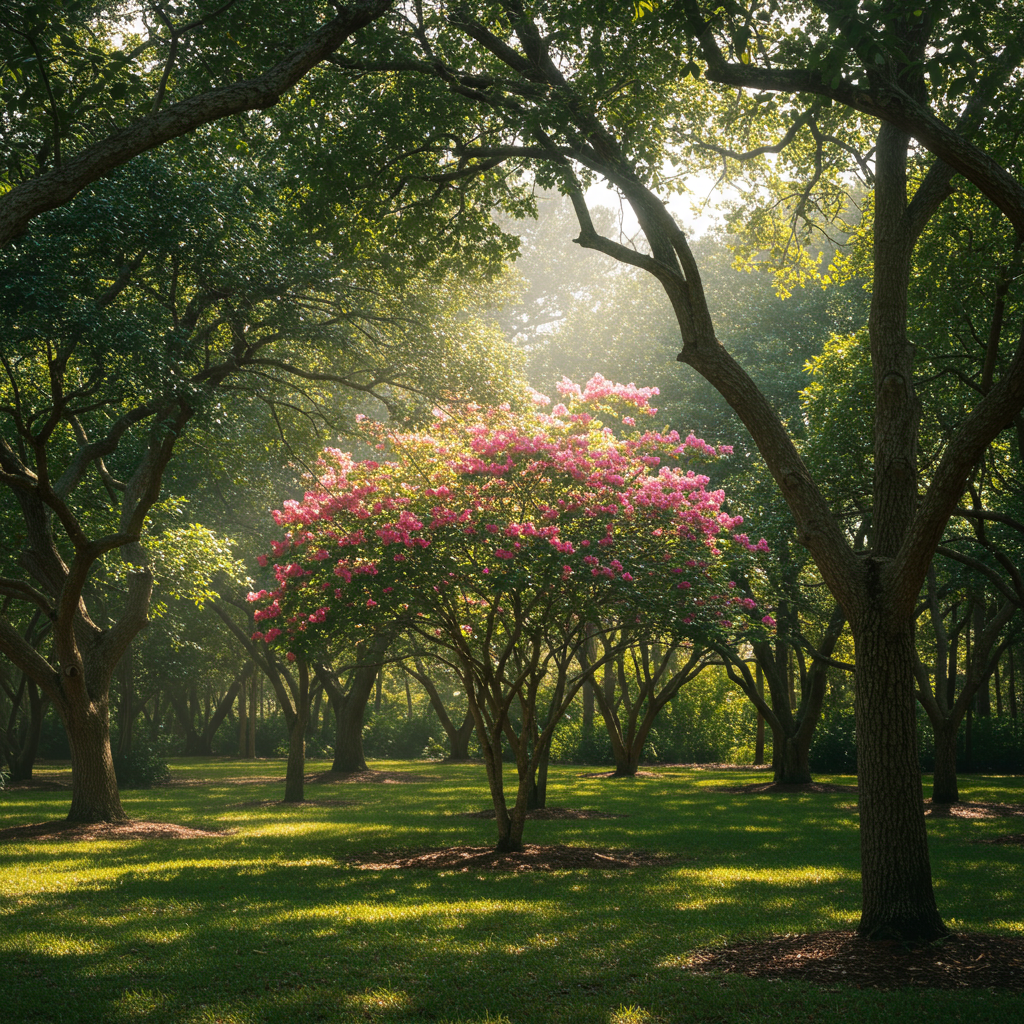
Crape Myrtle (Lagerstroemia indica): Available in various sizes and vibrant flower colors, the Crape Myrtle is a popular choice for its stunning summer blooms and beautiful bark.
Care: Benefits from annual pruning to promote flowering.
Considerations: Size varies greatly depending on the cultivar.
Flowering Trees: Adding a Splash of Color to Your Garden
Royal Poinciana (Delonix regia): With its fiery red-orange blooms, the Royal Poinciana is a showstopper. It’s a truly breathtaking tree during its blooming season.
Care: Requires full sun and well-drained soil.
Considerations: Deciduous, so it loses its leaves in winter.
Jacaranda (Jacaranda mimosifolia): Known for its vibrant purple blooms, the Jacaranda creates a breathtaking spectacle in spring.
Care: Prefers full sun and well-drained soil.
Considerations: Can be messy with dropped flowers and seed pods.
Geiger Tree (Cordia sebestena): With its bright orange clusters of flowers, the Geiger Tree offers a continuous display of color throughout the year.
Care: Prefers full sun and well-drained soil.
Considerations: Relatively small and suitable for smaller yards.
Palm Trees: Embracing the Tropical Vibe
No Florida landscape is complete without the iconic presence of palm trees.
Sabal Palm (Sabal palmetto): The state tree of Florida, the Sabal Palm is a hardy and adaptable choice, perfect for coastal areas.
Care: Low-maintenance and tolerant of salt spray.
Considerations: Can grow quite tall.
Queen Palm (Syagrus romanzoffiana): Known for its graceful arching fronds and clusters of orange fruits, the Queen Palm adds a touch of tropical elegance.
Care: Requires regular watering and fertilization.
Considerations: Susceptible to certain pests and diseases.
Silver Saw Palmetto (Serenoa repens): A smaller, shrub-like palm, the Silver Saw Palmetto is a versatile choice for ground cover or accent planting.
Care: Very low-maintenance and drought-tolerant.
Considerations: Spreads slowly but can form large colonies.
Fruit Trees: Enjoying the Bounty of Your Backyard
Florida’s climate is ideal for growing a variety of fruit trees.
Citrus Trees (Orange, Grapefruit, Lemon, Lime): Florida is synonymous with citrus, and these trees are a popular choice for their delicious fruits and fragrant blossoms.
Care: Require regular watering and fertilization.
Considerations: Susceptible to various pests and diseases.
Mango (Mangifera indica): Enjoy the taste of the tropics with a homegrown mango tree. Choose a cultivar suitable for your area.
Care: Requires full sun and well-drained soil.
Considerations: Can grow quite large.
Avocado (Persea americana): Another tropical favorite, the avocado tree thrives in Florida’s warm climate.
Care: Requires regular watering and well-drained soil.
Considerations: Can be sensitive to cold temperatures.
Factors to Consider When Choosing a Florida Tree
Mature size: Ensure ample space for the tree to reach its full potential.
Sunlight requirements: Choose a tree that suits your yard’s sun exposure.
Soil type: Ensure your soil is appropriate for the chosen tree species.
Maintenance requirements: Consider pruning, watering, and fertilization needs.
Pest and disease resistance: Select trees that are less susceptible to common Florida pests and diseases.
FAQs: Answering Your Tree-Related Queries
Q: What are the fastest-growing trees in Florida?
A: Some fast-growing options include the Royal Poinciana, Jacaranda, and Crape Myrtle.
Q: What are the best low-maintenance trees for Florida?
A: Live Oak, Sabal Palm, and Silver Saw Palmetto are known for their low-maintenance nature.
Q: When is the best time to plant trees in Florida?
A: Fall and spring are generally the best times for planting trees in Florida.
Q: How do I protect my trees from hurricanes?
* A: Proper pruning and staking can help young trees withstand strong winds. Consult with a certified arborist for advice on protecting mature trees.
Conclusion: Creating Your Dream Florida Landscape
Choosing the right trees is a crucial step in creating a beautiful and functional Florida landscape. By considering the factors outlined in this guide and selecting from the diverse range of trees available, you can transform your property into a vibrant and enjoyable outdoor space. Remember to research specific cultivars within each species to find the perfect fit for your individual needs and preferences. Enjoy the beauty and effortless landscaping that the best Florida trees can offer!