
If you’re looking to brighten your North Florida garden, choosing the right flowers can make all the difference. You want blooms that not only look stunning but also thrive in the unique climate of this region.
From the blazing sun to occasional heat waves, your flowers need to be tough, low-maintenance, and vibrant. Imagine stepping outside to a garden full of colorful blossoms that attract butterflies and brighten your days without demanding constant care. Ready to discover which flowers grow best in North Florida and how you can create a flourishing garden that feels like your personal paradise?
Keep reading, because we’ve gathered the top picks that will transform your outdoor space effortlessly.
Climate And Soil In North Florida
North Florida offers a unique environment for growing flowers. The region’s climate and soil play a big role in plant growth. Understanding these factors helps gardeners choose the right flowers. This section explores the temperature, rainfall, and soil conditions in North Florida.
Temperature And Rainfall Patterns
North Florida has mild winters and hot summers. Temperatures usually range from 40°F in winter to 90°F in summer. The area receives about 50 inches of rain yearly. Most rain falls in summer, often as short, heavy showers. This pattern supports many heat-loving and moisture-tolerant flowers. Frost is rare but can occur, so some plants need protection in cold snaps.
Soil Types And Preparation
The soil in North Florida varies from sandy to clayey. Sandy soil drains quickly and warms up fast in spring. Clay soil holds more water but can become compacted. Most gardens benefit from adding organic matter to improve soil texture. Testing soil pH is important; North Florida soils are usually slightly acidic to neutral. Proper soil preparation ensures flowers get enough nutrients and water for healthy growth.
Native Flowers For North Florida
Native flowers thrive naturally in North Florida’s climate. They adapt well to the heat, humidity, and soil conditions here. Choosing native flowers supports local wildlife and reduces garden maintenance. These plants attract pollinators like bees and butterflies, enriching your garden’s ecosystem.
Black-eyed Susan
Black-eyed Susan is a bright, cheerful flower. Its golden petals surround a dark brown center. This flower blooms from early summer to fall. It grows well in full sun and dry soil. Deer and rabbits usually avoid it, making it a tough choice for gardens.
Purple Coneflower
Purple Coneflower shows large purple petals with a spiky orange center. This flower blooms in summer and attracts butterflies and bees. It prefers full sun and well-drained soil. Its roots help prevent soil erosion, a bonus for sloped yards.
Blazing Star
Blazing Star has tall spikes of bright purple flowers. It blooms in late summer and early fall. It loves sunny spots and dry soil. This flower draws many pollinators, including butterflies and hummingbirds. Its striking look adds height to flower beds.
Butterfly Milkweed
Butterfly Milkweed produces clusters of bright orange flowers. It blooms in summer and attracts monarch butterflies. This plant needs full sun and well-drained soil. It also supports other pollinators and adds vibrant color to gardens.
Heat-tolerant Flowering Plants
North Florida’s warm climate demands flowers that thrive under strong sun and high temperatures. Heat-tolerant flowering plants offer vibrant colors and long-lasting blooms. These plants handle heat well and need less water and care. They bring life and color to gardens even in hot summer months.
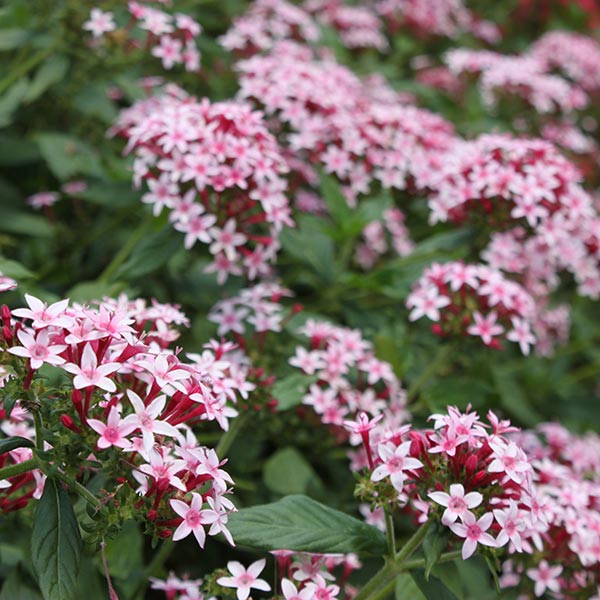
Pentas Varieties
Pentas are popular for their bright, star-shaped flowers. They bloom in red, pink, white, and lavender shades. Pentas attract butterflies and hummingbirds, adding movement to your garden. These plants grow well in full sun and tolerate heat without wilting. Their long flowering season lasts from spring to fall. Pentas also resist pests and diseases, making them easy to grow.
Lantana And Bougainvillea
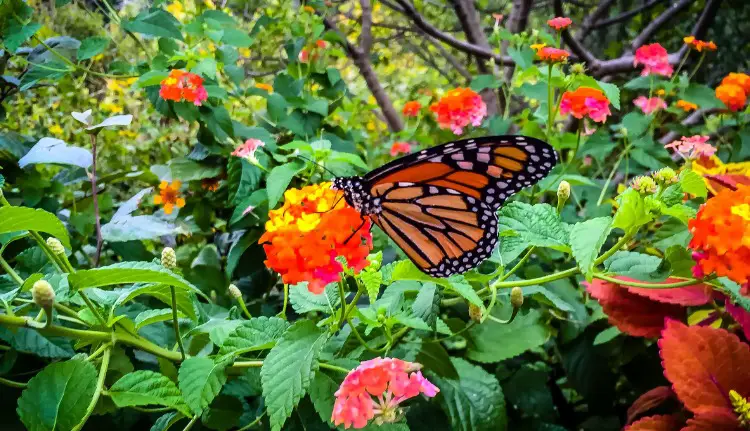
Lantana is a tough plant that flowers in many colors like yellow, orange, and pink. It thrives in hot, sunny spots and needs little water. Lantana attracts butterflies and bees, supporting local pollinators. Bougainvillea is famous for its bright bracts in purple, red, and pink. This vine loves heat and sun and blooms heavily in summer. Bougainvillea can climb fences or walls, creating a colorful backdrop.
Salvia And Petunias
Salvia plants produce spikes of flowers in blue, purple, red, and white. They are drought-tolerant and bloom all summer long. Salvia attracts hummingbirds and butterflies, making your garden lively. Petunias grow in many colors and patterns, brightening up garden beds and containers. They handle heat well but need regular watering for best blooms. Petunias bloom continuously, providing color from spring through fall.
Credit: www.gardenia.net
Year-round Bloomers
North Florida’s climate supports many flowers that bloom throughout the year. These year-round bloomers bring constant color and life to gardens. They thrive in warm temperatures and adapt well to local soil and weather. Gardeners can enjoy vibrant flowers in every season with these resilient plants.
Angelonia
Angelonia, also called summer snapdragon, blooms from spring to fall. It produces tall spikes of small, colorful flowers. These flowers attract butterflies and bees. Angelonia grows well in full sun and well-drained soil. It handles heat and humidity without wilting. This flower needs little care but offers long-lasting beauty.
Dahlberg Daisy
Dahlberg Daisy is a cheerful, bright yellow flower. It blooms almost year-round in North Florida. This plant prefers full sun and dry, sandy soil. Its delicate petals add a sunny glow to any garden space. Dahlberg Daisy is drought-tolerant and low-maintenance. It spreads quickly, filling garden beds with vibrant color.
Globe Amaranth
Globe Amaranth displays round, clover-like flower heads in purple, pink, or white. It blooms continuously in warm climates. This flower thrives in full sun and well-drained soil. Globe Amaranth resists heat and drought well. It also makes excellent cut flowers for indoor arrangements. Its long bloom period makes it a favorite for year-round gardens.
Low-maintenance Perennials
Low-maintenance perennials thrive in North Florida’s warm climate. They come back year after year without much care. These plants save time and effort. They also add color and life to any garden space. Choosing the right perennials helps create a beautiful and easy garden.
Coreopsis
Coreopsis blooms bright yellow flowers that attract butterflies. It grows well in full sun and sandy soil. This plant tolerates drought and poor soil. Coreopsis blooms from early summer to fall. It needs little watering once established. It also resists pests and diseases.
Gerbera
Gerbera produces large, colorful daisy-like flowers. It prefers well-drained soil and partial sun. Gerbera thrives in warm temperatures with moderate watering. It brightens gardens with pink, red, orange, or white blooms. This flower lasts long and requires minimal care. Gerbera can also grow well in pots.
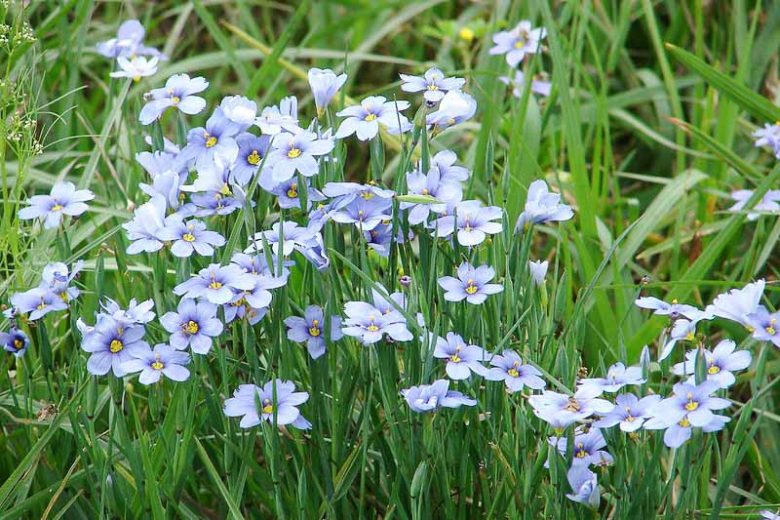
Blue Salvia
Blue Salvia shows tall spikes of vibrant blue flowers. It grows best in full sun and well-drained soil. This perennial attracts bees and hummingbirds to the garden. Blue Salvia blooms from late spring to frost. It is drought-tolerant and deer-resistant. It needs little pruning to stay healthy.
Credit: costafarms.com
Flowering Shrubs And Vines
Flowering shrubs and vines bring color and life to North Florida gardens. They offer blooms that attract butterflies and birds. These plants often thrive in the region’s warm and humid climate. Some prefer shade, while others love full sun. Choosing the right shrub or vine can brighten any outdoor space.
Azaleas For Shade
Azaleas grow well in North Florida’s shaded areas. They bloom in spring with vibrant colors like pink, red, and white. Azaleas prefer acidic soil and filtered sunlight. They add beauty under trees or near patios. These shrubs need regular watering to stay healthy. Their flowers attract pollinators like bees.
Bougainvillea On Trellises
Bougainvillea thrives in full sun and heat. Its bright bracts come in pink, purple, orange, and red. Trellises support these vines, allowing them to climb and spread. Bougainvillea handles North Florida’s heat with ease. It requires well-drained soil and moderate watering. This plant creates stunning vertical color in gardens.
West Indian Jasmine
West Indian Jasmine is a fast-growing vine with fragrant white flowers. It loves sunny spots and moist soil. This vine can cover fences and walls quickly. It blooms most of the year, providing constant beauty. The jasmine scent adds a pleasant aroma to outdoor spaces. It attracts hummingbirds and butterflies to the garden.
Sun-loving Annuals
Sun-loving annuals thrive in North Florida’s bright and warm climate. These flowers enjoy full sunlight and bloom vibrantly during the growing season. They add color and life to gardens, patios, and containers. Their fast growth and easy care make them perfect for gardeners of all skill levels.
Annuals complete their life cycle in one season. This means they grow, flower, and die within a year. Planting sun-loving annuals ensures continuous blooms and fresh color every year. North Florida’s long sunny days help these plants grow strong and healthy.
Zinnias And Cosmos
Zinnias and cosmos are popular choices for sunny gardens. Zinnias offer bold, bright colors like red, pink, and orange. They attract butterflies and bees, helping pollinate your garden. Cosmos have delicate, daisy-like flowers in white, pink, and purple shades. Both flowers resist heat and drought well. They bloom from early summer until frost.
Sunflowers
Sunflowers are tall, striking flowers that love the sun. They grow quickly and produce large, yellow blooms. These flowers can reach heights over six feet. Sunflowers attract birds and pollinators to your garden. Their seeds provide food for wildlife and people. They are easy to grow and add a cheerful touch to any space.
Marigolds
Marigolds thrive in hot, sunny conditions and poor soil. Their bright orange and yellow flowers brighten up any garden bed. Marigolds repel many pests naturally, protecting nearby plants. They bloom all summer and into fall. These flowers are perfect for borders, containers, and vegetable gardens. Marigolds require minimal care and water.
Wildflower Options For Gardens
Wildflowers add natural beauty and color to North Florida gardens. These plants thrive in local soil and weather. They attract butterflies and bees, supporting the ecosystem. Wildflowers need less water and care than many garden plants. Choose native species for best growth and bloom. Here are three excellent wildflower options for your garden.
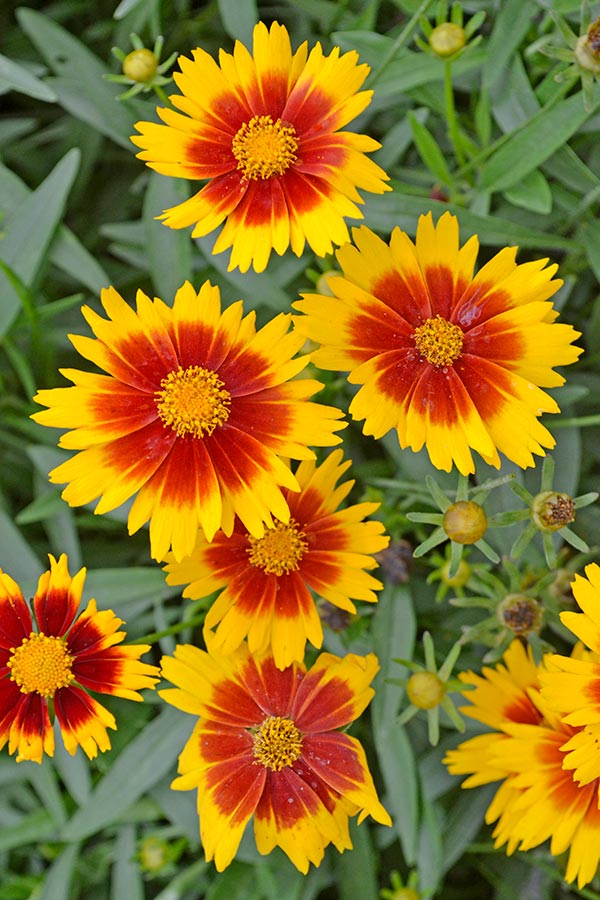
Blanket Flower
Blanket flower is a bright and cheerful wildflower. It shows red and yellow petals that look like flames. This flower blooms from early summer to fall. It prefers full sun and well-drained soil. Blanket flowers resist drought and heat well. They attract butterflies and hummingbirds. This wildflower adds bold color to any garden.
Gregg’s Mistflower
Gregg’s mistflower has soft purple-blue blooms that are small and fluffy. It grows well in partial shade or full sun. This plant blooms in late summer and fall. It thrives in moist, well-drained soil. Gregg’s mistflower attracts pollinators like butterflies and bees. It is a great choice for natural, wild garden areas.
Flame Acanthus
Flame acanthus, also called firecracker plant, shows bright red tubular flowers. It grows best in full sun and dry to medium soil. The plant blooms from summer through fall. Flame acanthus is low-maintenance and drought tolerant. It draws hummingbirds and butterflies to your garden. This wildflower adds vibrant color and texture.
Tips For Vibrant Garden Success
Growing vibrant flowers in North Florida requires careful attention to garden care. Simple, consistent habits help plants thrive in this warm climate. Follow these tips to keep your garden colorful and healthy all year.
Watering Practices
Water flowers deeply but less often. This encourages strong roots and reduces disease risk. Early morning watering helps leaves dry quickly, avoiding fungal problems. Adjust watering based on rainfall and soil moisture. Use drip irrigation or soaker hoses to deliver water directly to roots.
Fertilization And Mulching
Feed plants with balanced fertilizer during growing season. Choose slow-release types to avoid overfeeding. Mulch around plants to retain moisture and control weeds. Organic mulch also improves soil structure as it breaks down. Keep mulch a few inches away from plant stems to prevent rot.
Pest And Disease Management
Check plants regularly for pests like aphids or spider mites. Remove damaged leaves and use insecticidal soap if needed. Encourage natural predators such as ladybugs. Keep plants spaced well to improve air flow and reduce disease spread. Clean garden tools often to avoid spreading infections.
Credit: costafarms.com
Frequently Asked Questions
What Are The Best Flowering Plants For North Florida?
Best flowering plants for North Florida include Coreopsis, Black-eyed Susan, Purple Coneflower, Blazing Star, Swamp Sunflower, and Butterfly Milkweed. These native perennials thrive in heat and sun, offering vibrant, low-maintenance blooms ideal for the region’s climate.
What Is The Easiest Flower To Grow In Florida?
Pentas is one of the easiest flowers to grow in Florida. It thrives in heat, requires low maintenance, and blooms year-round.
What Flower Blooms All Year-round In Florida?
Pentas flowers bloom all year-round in Florida. They produce vibrant, colorful clusters and thrive in Florida’s warm climate.
What Plants Can Survive The Heat In Florida?
Heat-tolerant plants in Florida include hibiscus, lantana, pentas, bougainvillea, black-eyed Susan, salvia, and coreopsis. These thrive in full sun and heat.
Conclusion
Choosing the right flowers makes gardening in North Florida easier and more fun. Native plants like black-eyed Susan and butterfly milkweed thrive well here. These flowers handle heat and humidity without much fuss. They bring color and attract butterflies and bees.
Simple care helps them bloom longer and brighter. Start with these hardy options to enjoy a beautiful garden all year. Your outdoor space will thank you with vibrant, natural beauty.