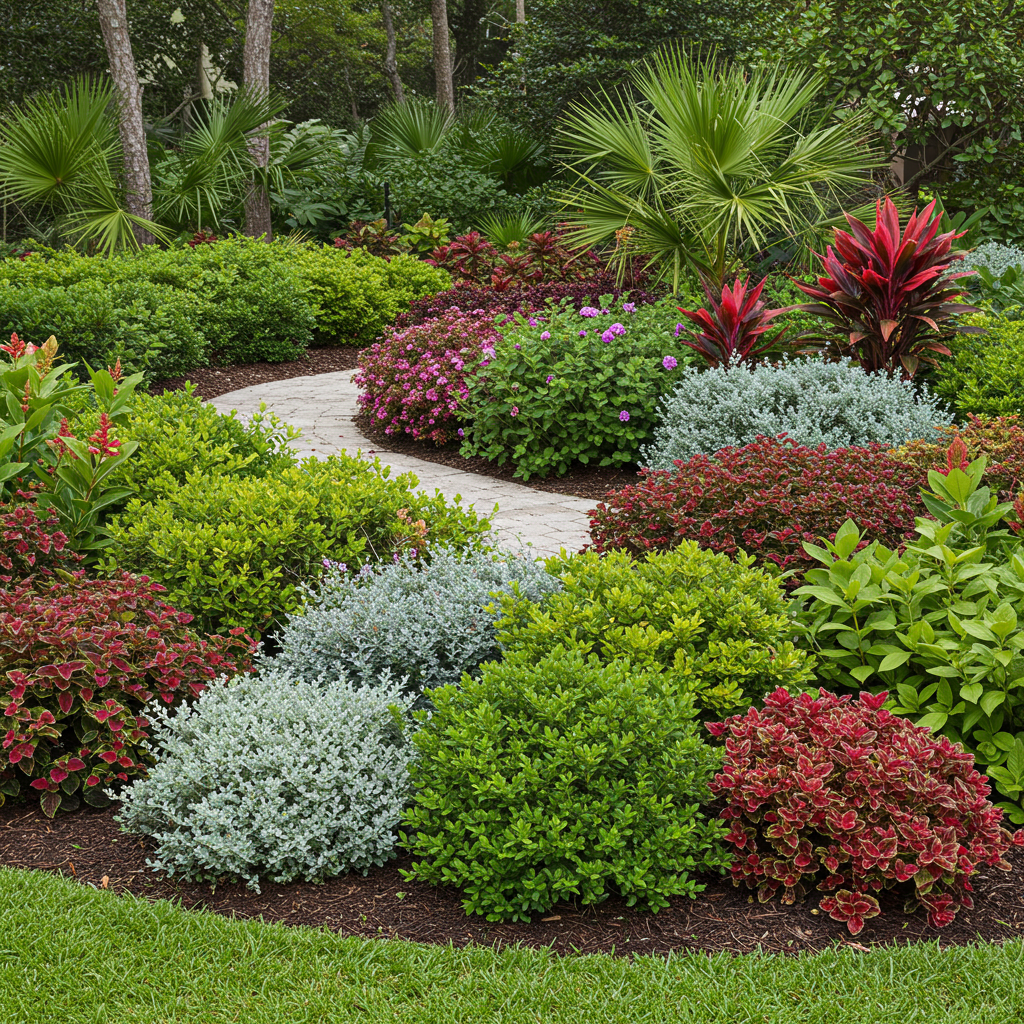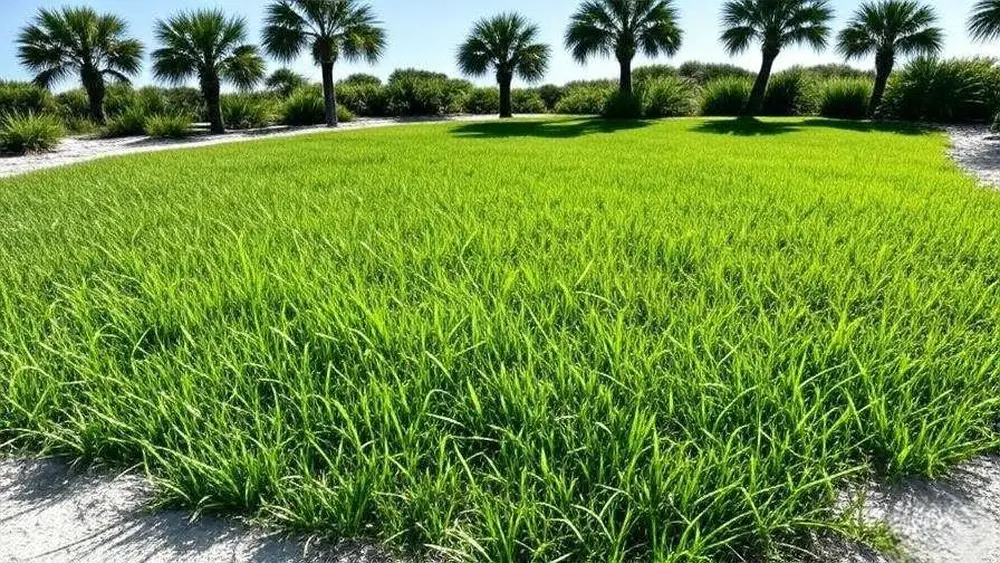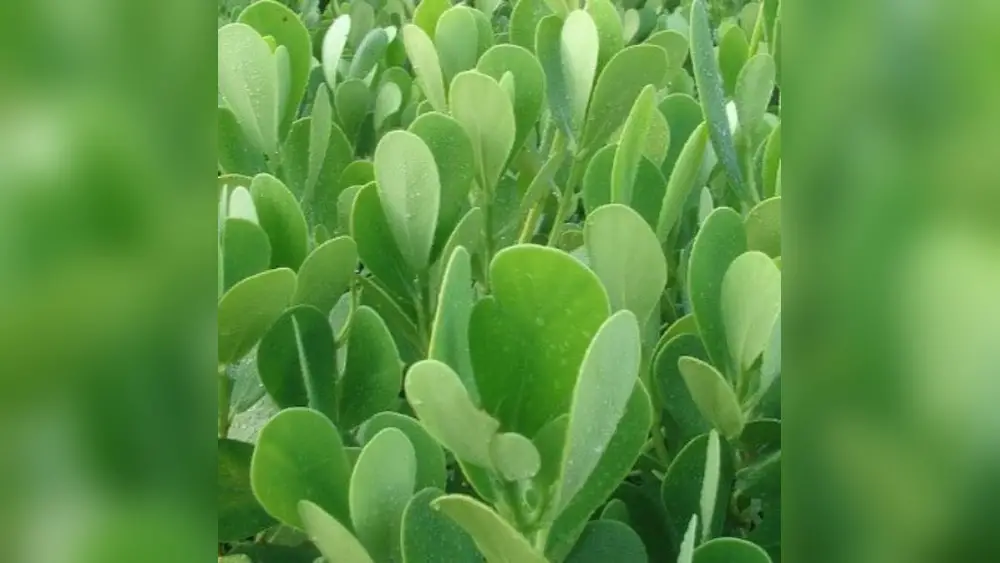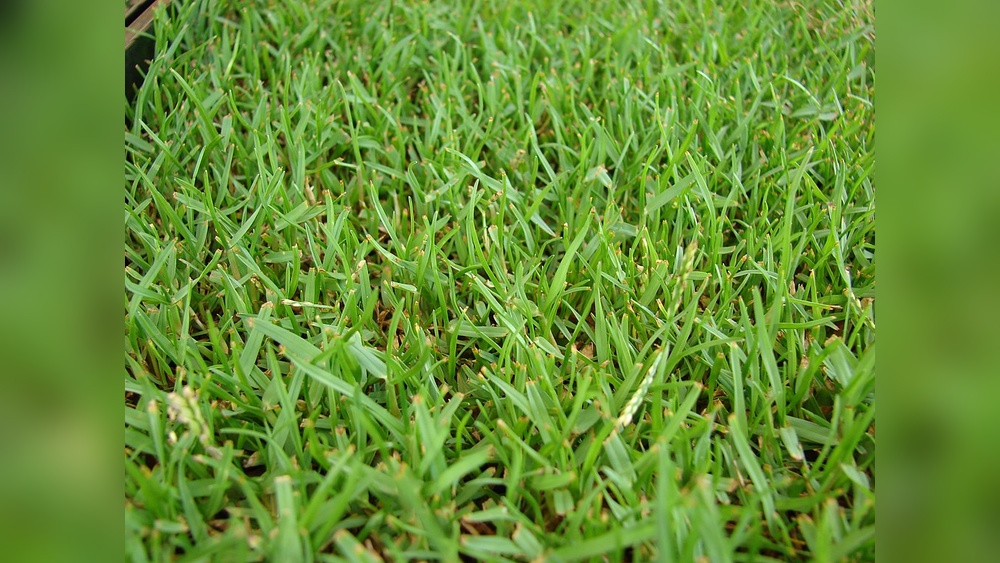
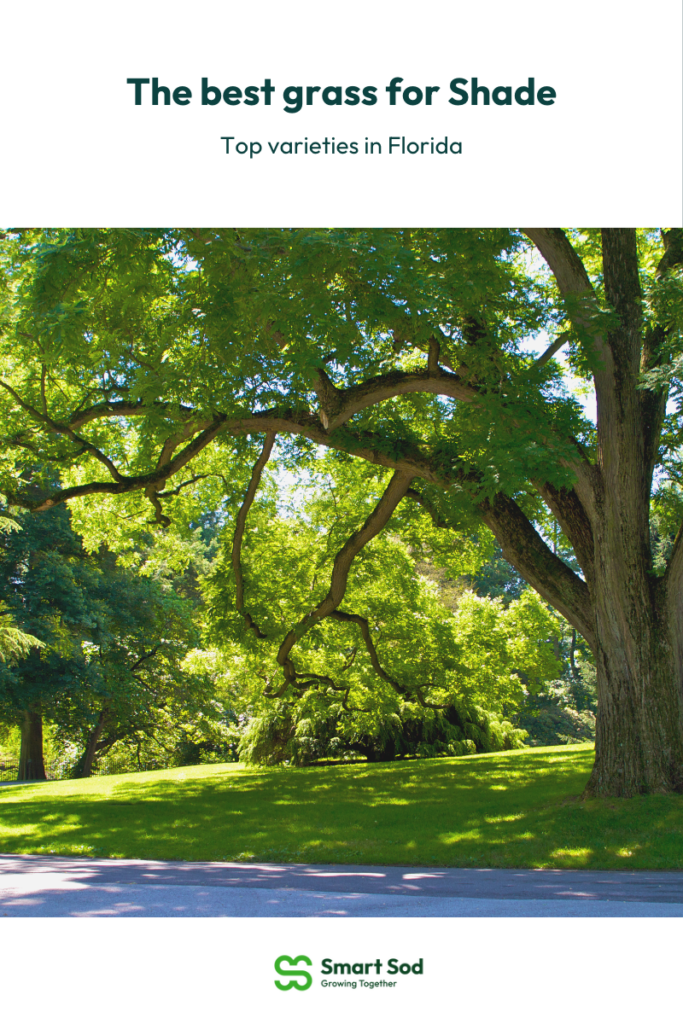
Florida has a warm climate. Many parts of the state get a lot of sun. But some places in Florida have shade. Trees, buildings, or fences can block the sun. In these shaded places, grass can be hard to grow. Not all grass grows well in shade. Choosing the right grass is very important. It helps to have a green and healthy lawn.
Why Is Shade a Problem for Grass?
Grass needs sunlight to grow. Sunlight helps grass make food. This process is called photosynthesis. Without enough sun, grass grows slowly. It can become weak and thin. Some grass may even die. Shade also makes the soil cooler and wetter. This can cause fungus and other problems. So, grass that grows in shade must be special. It must need less sunlight and stay healthy.
Credit: smart-sod.com
Warm-Season Grasses in Florida
Florida has mostly warm-season grasses. These grasses grow best in warm weather. They need heat and sun to stay green. Some warm-season grasses can handle some shade. But none like deep or full shade. Here are three common grasses in Florida:
- St. Augustine grass
- Zoysia grass
- Bermuda grass
Best Grass for Shade in Florida
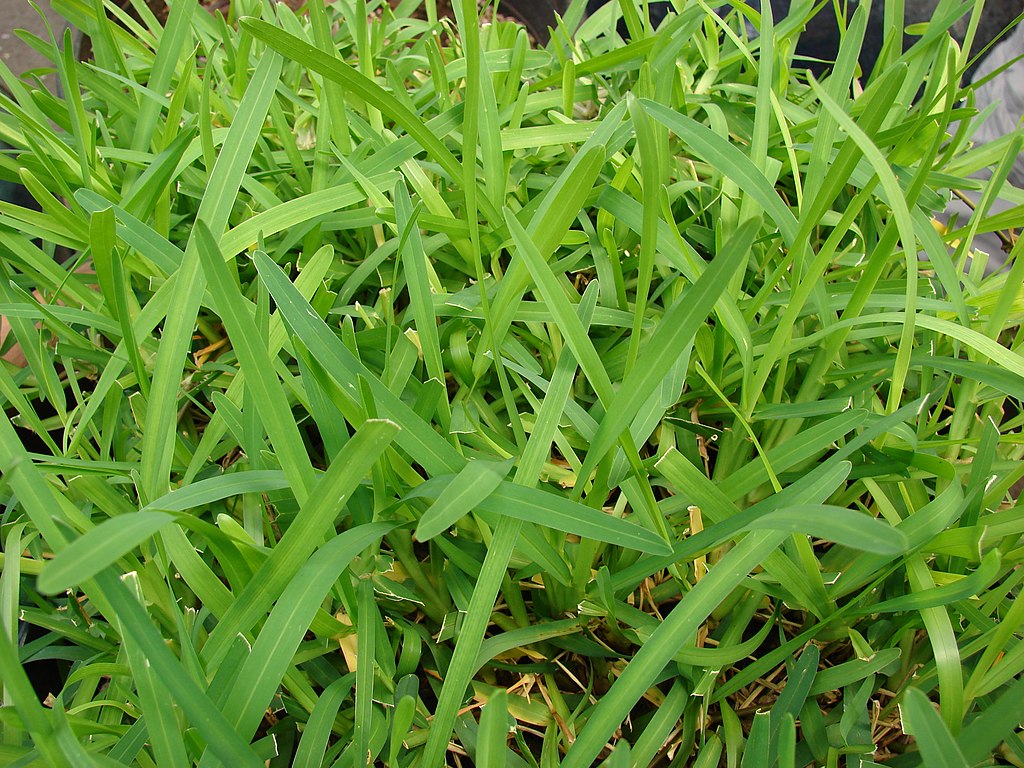
Among these grasses, St. Augustine grass is the best for shade. It grows better in shade than most other grasses. It has thick, wide blades. This makes the lawn look full and green. St. Augustine spreads by above-ground runners called stolons. This helps it cover the ground quickly.
Some types of St. Augustine are even better for shade. For example, Palmetto and CitraBlue are shade-tolerant varieties. They can grow in spots with less sun. They need about 3 to 4 hours of sunlight each day. If the shade is too deep, grass will struggle.
Why Choose St. Augustine Grass?
- Good tolerance for shade
- Thick and lush lawn appearance
- Spreads quickly to cover bare spots
- Handles Florida heat well
What About Zoysia Grass?
Zoysia grass is another option. It does okay in partial shade. But it is not as good as St. Augustine in deep shade. Zoysia has finer blades. It spreads by stolons and rhizomes (underground stems). This makes it very dense and strong.
Newer types like Innovation Zoysia and Zeon Zoysia have better shade tolerance. Zoysia is a good choice if your lawn has a mix of sun and shade. It is also tough and can handle foot traffic well.
Why Choose Zoysia Grass?
- Moderate shade tolerance
- Dense and durable turf
- Good for areas with some sun and traffic
- Needs less mowing than St. Augustine
What About Bermuda Grass?
Bermuda grass is very popular in Florida. But it does not grow well in shade. It needs full sun to stay green. In the shade, Bermuda grass becomes thin and weak. It may turn brown. So, it is not a good choice for shaded lawns.
How Much Sun Does Shade-Tolerant Grass Need?
Even shade-loving grasses need some sun. No warm-season grass grows well in full, deep shade. Usually, 3 to 4 hours of sunlight is needed. If your lawn has less sun, grass will struggle. You can try planting grass plugs in different spots. This helps test which grass grows best.
Tips for Growing Grass in Shade
Growing grass in shade needs care. Here are some simple tips:
- Choose the right grass: Use St. Augustine or Zoysia for shade.
- Water properly: Shade areas may need less water. But keep soil moist.
- Fertilize carefully: Use fertilizer made for shade grass.
- Control weeds: Weeds can grow fast in shade. Remove them often.
- Trim trees: Cut branches to let more light in.
- Avoid heavy traffic: Shade grass is weaker. Walk less on shady spots.
- Use mulch: Mulch helps keep soil moist under trees.
Credit: www.groundsource.pro
Alternative Ground Covers for Deep Shade
If your lawn has very deep shade, grass may not grow well. You can try other plants. Some ground covers do better in deep shade. Here are some ideas:
- Liriope: A tough, grass-like plant.
- Mondo grass: A low-growing plant good for shade.
- Ferns: Many ferns love shade and add green color.
- Ajuga: A colorful ground cover for shade.
These plants can make your yard look nice when grass cannot grow.
Summary Table: Grass for Shade in Florida
| Grass Type | Shade Tolerance | Sunlight Needed | Best Use | Growth Type |
|---|---|---|---|---|
| St. Augustine (Palmetto, CitraBlue) | High | 3-4 hours | Deep shade areas | Stolons (above ground runners) |
| Zoysia (Innovation, Zeon) | Moderate | 4-6 hours | Mixed sun and shade | Stolons and rhizomes (underground stems) |
| Bermuda | Low | Full sun | Sunny areas only | Stolons and rhizomes |
Final Thoughts
Choosing the right grass for shade in Florida is key. St. Augustine grass is the best choice for shady lawns. It can grow well with less sun. Zoysia is a good second option. Bermuda grass should be used only in sunny spots. Remember, shade does not mean no sun. Most grasses need some sunlight to grow.
Take care of your lawn by watering, fertilizing, and trimming trees. If grass will not grow, try ground covers. With the right choice and care, you can have a green lawn even in shade.
Frequently Asked Questions
Is There A Grass That Grows In 100% Shade?
No grass grows well in 100% shade. St. Augustine grass tolerates deep shade best but still needs some sunlight. Consider shade-tolerant varieties like Palmetto or CitraBlue for low-light areas.
Is St. Augustine Or Zoysia Better For Shade?
St. Augustine grass offers superior shade tolerance and a dense, lush lawn in shady areas. Zoysia tolerates moderate shade but performs better in partial sun. For deep shade, choose shade-tolerant St. Augustine varieties like Palmetto or CitraBlue for best results.
What Is The Most Shade-tolerant Lawn?
St. Augustine grass is the most shade-tolerant lawn, thriving in partial shade with thick, lush blades. Palmetto and CitraBlue varieties excel in deep shade. Zoysia grass tolerates moderate shade but prefers more sunlight. Both need several hours of sun to grow well.
How To Landscape A Yard With Low Light In Florida?
Choose shade-tolerant St. Augustine grass varieties like Palmetto or CitraBlue for low-light Florida yards. Combine with Zoysia for durability. Add shade-loving groundcovers, stones, and flowerbeds to enhance appearance. Ensure some sunlight reaches the area for best growth. Water and mow regularly to maintain health.