

Are you ready to grow your own delicious blueberries right in Florida? Knowing exactly when to plant your blueberry bushes can make all the difference between a thriving garden and a disappointing harvest.
If you want juicy, sweet berries year after year, timing is key. In Florida’s unique climate, planting blueberries at the right moment helps your plants establish strong roots before the summer heat arrives. Keep reading to discover the best time to plant blueberries in Florida and how to set yourself up for a bumper crop that will impress your family and friends.
Your blueberry success story starts here!
Best Blueberry Varieties For Florida
Choosing the right blueberry variety is key for growing success in Florida. The climate and soil here demand specific types that can handle heat and humidity. Not all blueberries thrive in this environment. Two main types stand out: Southern Highbush and Rabbiteye. Both have unique benefits and challenges. Understanding these helps you pick the best fit for your garden.
Southern Highbush Benefits
Southern Highbush blueberries grow well in Florida’s warmer climate. They produce fruit earlier than other varieties. These bushes are smaller and easier to manage. They also have good resistance to some diseases common in humid areas. Their berries are large, sweet, and juicy. Southern Highbush plants need less chill time, fitting Florida’s mild winters. Many gardeners prefer them for home gardens.
Rabbiteye Varieties
Rabbiteye blueberries are native to the Southeast and very heat tolerant. They require more chill hours than Southern Highbush. Rabbiteye bushes grow tall and spread wide. Their berries are smaller but very flavorful. These plants are hardy and produce large yields. They handle Florida’s pests and diseases well. Rabbiteye is ideal for North and Central Florida areas.
Variety Selection Tips
Choose varieties based on your local climate zone. Southern Highbush suits Central and South Florida. Rabbiteye works best in North and Central Florida. Consider chill hour needs and frost sensitivity. Plant multiple varieties for better pollination and fruit set. Buy healthy, disease-free plants from trusted nurseries. Preparing soil with acidic pH helps blueberries thrive. Regular watering and mulch improve growth and yield.
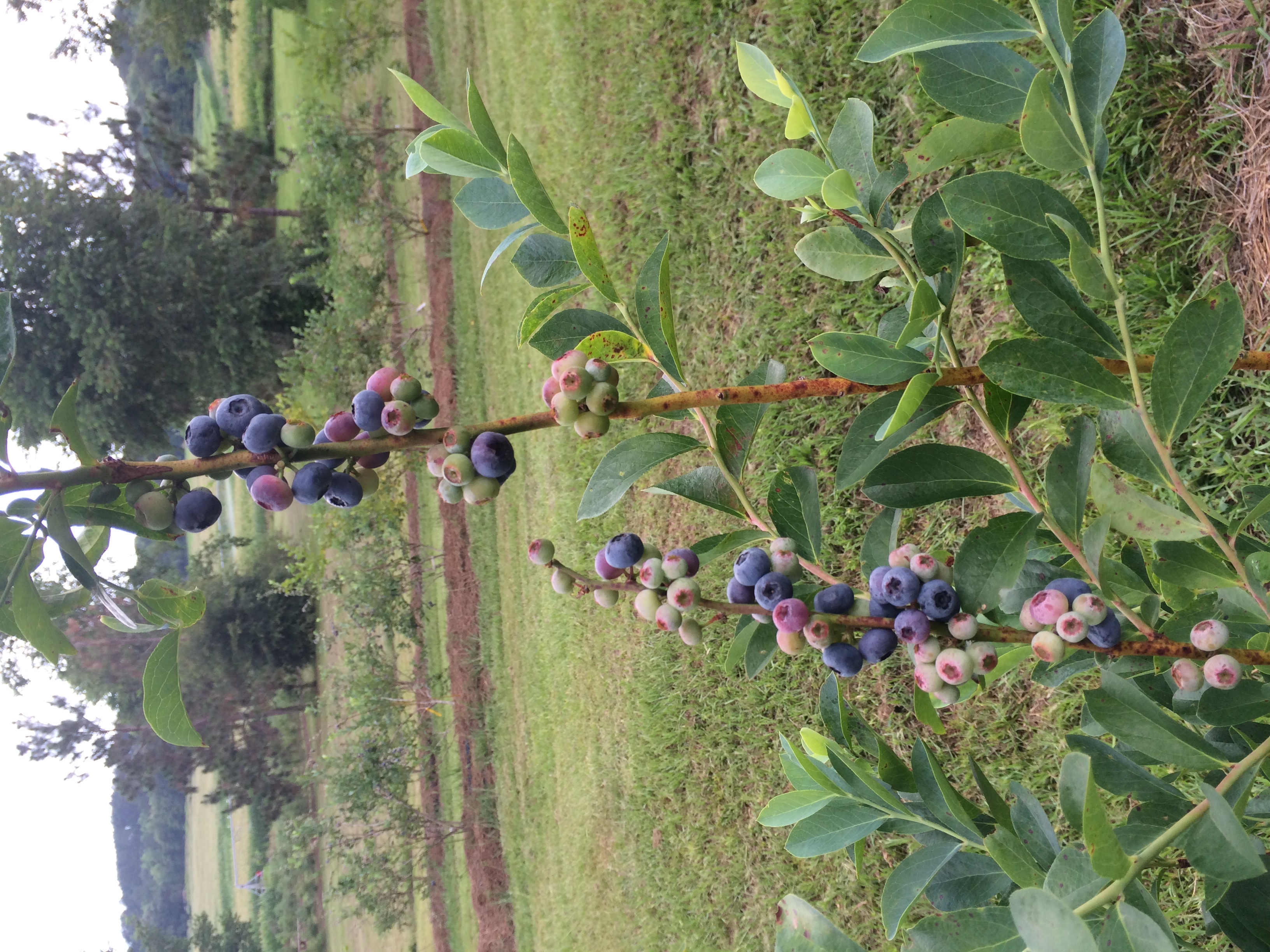
Credit: nwdistrict.ifas.ufl.edu
Optimal Planting Time
The best time to plant blueberries in Florida depends on the local climate and the plant’s growth cycle. Choosing the right planting season helps the bushes develop strong roots and survive Florida’s warm winters. Planting at the proper time increases your chances of a healthy, fruitful bush.
Florida’s mild winters allow for a planting window that differs from colder states. Understanding the optimal planting time ensures your blueberry bushes get the best start. Below are key planting periods that work well in Florida.
Dormant Season Planting
Planting blueberry bushes during their dormant season is ideal in Florida. This period typically runs from mid-December to mid-February. The plants rest without leaves or active growth, making transplant shock less likely.
During dormancy, roots can settle in cooler soil before spring growth starts. This timing helps the bushes establish strong roots before the heat of summer. Dormant planting reduces stress on young plants and improves survival rates.
Winter Planting Window
Florida’s mild winter climate offers a wide planting window from December through early February. Soil temperatures remain cool but not freezing, perfect for root development. Watering is easier to manage, and the plants face less heat stress.
Winter planting allows blueberry bushes to establish well before spring. It also gives them time to adapt to local soil conditions. This window balances the need for root growth with protection from harsh weather.
Fall And Spring Considerations
Fall planting can work in Florida, especially in northern regions with cooler falls. Planting in September or October lets bushes develop roots before winter. However, young plants must be protected from early freezes.
Spring planting is possible but less ideal due to rising soil temperatures and dry conditions. Early spring, like March, offers some moisture and mild warmth. Still, plants face more heat stress and may need extra care.
Soil Preparation
Preparing the soil is vital for growing healthy blueberry bushes in Florida. Blueberries need specific soil conditions to thrive and produce fruit. Proper soil preparation helps the plants establish strong roots and resist disease. Understanding the soil’s acidity, drainage, and planting method is key to success.
Soil Acidity Requirements
Blueberries grow best in acidic soil. The ideal pH range is between 4.5 and 5.5. Florida’s native soil often has higher pH, so testing is necessary. You can lower the pH by adding sulfur or peat moss. Regular testing keeps the soil acidity in the right range for blueberry roots.
Improving Drainage
Blueberries dislike wet feet. Good drainage prevents root rot and promotes healthy growth. Sandy soils in Florida usually drain well, but clay soils need improvement. Mix organic matter like pine bark or compost into the soil. This improves aeration and helps excess water drain away quickly.
Raised Beds And Containers
Raised beds help control soil conditions better. They improve drainage and allow you to adjust soil acidity easily. Containers work well for small spaces or poor soil areas. Use a mix of acidic soil, pine bark, and peat moss in containers. Raised beds and containers give flexibility for healthy blueberry growth.
Planting Techniques
Proper planting techniques are essential for growing healthy blueberry bushes in Florida. Blueberries need careful handling during planting to thrive in the warm climate and sandy soil. Following the right steps can improve root growth and fruit production.
Planting Depth Guidelines
Plant blueberries at the same soil level as in the nursery container. Avoid planting too deep, which can suffocate roots. The top of the root ball should be slightly above ground to allow for settling. This helps roots breathe and prevents water logging.
Root Ball Care
Handle the root ball gently to avoid damage. Soak it in water for about an hour before planting. This ensures the roots stay hydrated. If roots are dry or circling, loosen them carefully to encourage outward growth. Healthy roots support strong plant establishment.
Spacing And Layout
Space blueberry bushes about 4 to 6 feet apart. This allows good air flow and sunlight between plants. Rows should be about 8 to 10 feet apart for easy access and maintenance. Proper spacing reduces disease risk and promotes uniform growth.
Watering And Fertilizing
Proper watering and fertilizing are essential for growing healthy blueberries in Florida. Blueberries need consistent moisture but dislike soggy soil. Balanced fertilizing supports strong growth and fruit production. Understanding the right techniques helps your plants thrive in Florida’s climate.
Irrigation Best Practices
Blueberries require about one to two inches of water weekly. Use drip irrigation or soaker hoses to keep soil moist. Avoid overhead watering to reduce disease risks. Water early in the morning to allow leaves to dry. Mulch around plants to retain moisture and control weeds. Check soil moisture regularly to prevent overwatering or drought stress.
Fertilizer Types And Timing
Use fertilizers designed for acid-loving plants like blueberries. Ammonium sulfate and sulfur-coated urea work well. Apply fertilizer in early spring before new growth appears. Repeat feeding after harvest to support root development. Avoid over-fertilizing to prevent leaf burn or poor fruit quality. Follow label instructions for the best results.
Nutrient Management
Blueberries need nitrogen, phosphorus, and potassium in balanced amounts. Soil tests help identify nutrient deficiencies. Use organic matter such as pine bark or peat moss to improve soil acidity. Monitor leaf color and growth to detect nutrient problems early. Adjust fertilization based on plant needs and soil test results. Proper nutrient management ensures healthy bushes and abundant berries.

Credit: thegardentinkers.com
Growth And Fruit Production Timeline
Understanding the growth and fruit production timeline helps in planning blueberry planting in Florida. Blueberry bushes follow clear yearly stages before they start producing fruit. Knowing these stages prepares you for care and harvesting.
Timing affects how soon you will enjoy fresh blueberries from your garden. Different factors also influence growth speed and fruit yield. This section explains the typical growth stages, when to expect the first harvest, and what affects production.
Yearly Growth Stages
In the first year, blueberry bushes focus on root and leaf development. The plants stay small and do not produce fruit yet. The second year brings more growth with stronger stems and more leaves. Flower buds start forming late in the second year. By the third year, bushes often produce a small crop of berries. Growth continues each year, with bigger harvests as the plant matures. Mature bushes can produce fruit for many years with proper care.
Time To First Harvest
Blueberry bushes usually bear fruit between two and three years after planting. Starting with young plants speeds up this process compared to growing from seeds. The first harvest may be light but improves every season. Harvest time in Florida typically falls between April and June. Patience is key, as full production takes about five to six years. Early care and good growing conditions help reach harvest sooner.
Factors Affecting Production
Variety choice influences how fast blueberries grow and produce fruit. Southern highbush types suit Florida’s climate best. Proper watering and sunlight are essential for healthy growth. Pruning helps shape bushes and boosts berry production. Planting age matters: older plants produce fruit earlier. Soil quality and pH levels also impact plant health. Pests and diseases can reduce yield if not managed. Weather events like frost can damage flowers and lower harvest size.
Pest And Disease Management
Managing pests and diseases is key to growing healthy blueberries in Florida. These plants face specific challenges due to the warm and humid climate. Proper care reduces damage and boosts fruit production. Knowing common pests and disease prevention steps helps protect your blueberry bushes effectively.
Common Pests In Florida
Blueberries in Florida often attract pests like blueberry maggot flies, aphids, and spider mites. These insects feed on leaves and fruit, causing damage. Birds also pose a threat by eating ripe berries. Early detection of pests helps control their impact quickly. Regular inspection of plants is important to catch pests early.
Disease Prevention
Fungal diseases such as powdery mildew and root rot are common problems. Proper soil drainage prevents root rot by avoiding waterlogged conditions. Pruning bushes improves air flow and reduces mildew risk. Using resistant blueberry varieties also lowers disease chances. Clean tools and removing infected leaves help stop disease spread.
Organic Control Methods
Natural options keep blueberries safe from chemicals. Neem oil and insecticidal soaps control pests like aphids without harm. Introducing beneficial insects, such as ladybugs, reduces pest populations naturally. Mulching with pine needles helps keep soil healthy and moist. These methods protect your plants and the environment.
Maintenance Tips
Proper maintenance is key to growing healthy blueberry bushes in Florida. It helps plants stay strong and produce more fruit. Following simple care steps makes a big difference. Focus on pruning, mulching, and seasonal care to keep your bushes thriving year-round.
Pruning Techniques
Prune your blueberry bushes every winter. Remove old, weak branches to encourage new growth. Cut branches that cross or crowd the center. This improves air flow and sunlight exposure. Use clean, sharp tools to make smooth cuts. Pruning helps bushes stay healthy and bear more berries.
Mulching Benefits
Mulch around your blueberry plants to keep soil moist. Use pine needles or wood chips as mulch. Mulching reduces weeds and prevents soil drying out. It also keeps roots cool during hot Florida days. Apply a 2-4 inch layer of mulch around the base. Refresh mulch yearly for best results.
Seasonal Care
Water blueberry bushes regularly, especially in dry seasons. Keep soil moist but not soggy. Fertilize in early spring with a fertilizer for acid-loving plants. Protect plants from frost by covering them during cold snaps. Watch for pests and diseases and treat quickly. Seasonal care supports strong plants and a good harvest.

Credit: www.tallahassee.com
Frequently Asked Questions
When Should You Plant Blueberry Bushes In Florida?
Plant blueberry bushes in Florida from mid-December to mid-February. This dormant period helps roots establish before summer heat. Choose southern highbush varieties for best growth in Florida’s warm climate.
Which Blueberries Grow Best In Florida?
Southern highbush blueberries grow best in Florida. They thrive in Central and South Florida’s warm climate. Protect plants from late freezes.
Can I Plant Blueberries In September?
Planting blueberries in September works in mild climates. It helps roots establish before winter. Ensure soil is well-drained and acidic for best growth.
How Many Years Does It Take For A Blueberry Bush To Produce Fruit?
Blueberry bushes typically produce fruit within 2 to 3 years after planting. Proper care speeds up fruiting.
Conclusion
Planting blueberries in Florida between mid-December and mid-February works best. This timing helps bushes establish before the warmer months. Southern highbush varieties suit Florida’s climate well. Choose healthy plants and water them regularly. Good care speeds up fruit production. Watch for pests and prune as needed.
Patience pays off with sweet, homegrown blueberries. Start now for a fruitful garden year after year.