

If you live in Florida and love your garden, knowing the best time of day to water your plants can make all the difference. Watering at the right time helps your plants soak up moisture efficiently and stay healthy even under the Florida sun.
You might think watering anytime works, but did you know watering during the hottest part of the day wastes water and can harm your plants? You’ll discover exactly when to water your plants in Florida for the best growth and how simple changes in your routine can save water and keep your garden thriving.
Ready to give your plants the care they deserve? Let’s dive in!
Optimal Watering Times
Choosing the right time to water plants in Florida is key for healthy growth. The state’s hot and humid climate influences how plants absorb water. Watering at optimal times helps plants get the moisture they need without wasting water. It also reduces risks like fungal diseases and water evaporation.
Early mornings and late evenings stand out as the best times to water. Each has unique benefits that support plant health. Avoiding midday watering prevents common problems caused by the hot sun. Below, we explore these times in detail.
Early Morning Benefits
Watering plants early in the morning helps them absorb moisture before the heat starts. The soil is cooler, so less water evaporates. Plants get a fresh supply of water to last through the day. Morning watering also allows leaves to dry quickly. This reduces the chance of fungal infections.
Late Evening Advantages
Watering in the late evening lets water soak deeply into the soil overnight. Plants stay hydrated during cooler hours. This is helpful if mornings are busy or watering is missed. Use drip irrigation or water at the base to avoid wet leaves. Wet leaves at night can cause mold and disease.
Why Midday Watering Fails
Watering during midday wastes much of the water to evaporation. The sun’s heat dries the soil surface quickly. Plants cannot absorb enough water before it disappears. Wet leaves under intense sun can also get burned. Midday watering is the least effective time for Florida gardens.
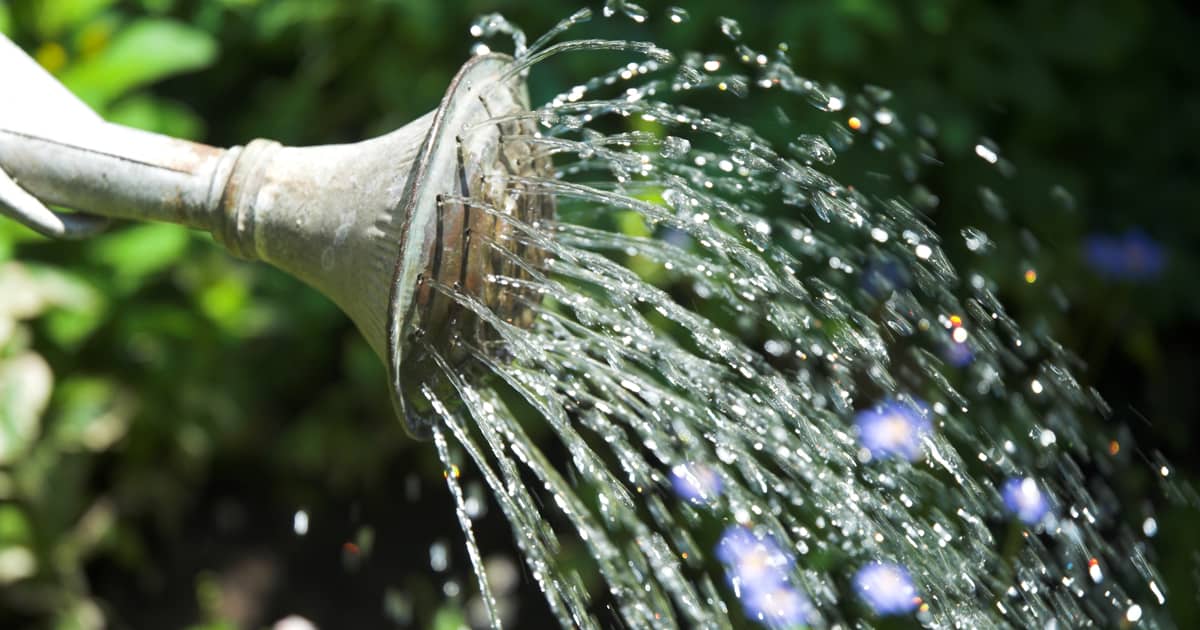
Credit: southernlivingplants.com
Watering Techniques For Florida
Watering plants in Florida requires smart techniques to keep them healthy. The hot climate and sandy soil need careful watering choices. Correct methods help conserve water and reduce plant stress. Focus on watering the roots, avoiding water waste, and preventing diseases.
Drip Irrigation And Soaker Hoses
Drip irrigation delivers water slowly to plant roots. It reduces evaporation and water runoff. Soaker hoses work similarly by releasing water along their length. Both methods keep leaves dry, lowering disease risks. These systems save water and provide steady moisture to plants.
Avoiding Leaf Wetness At Night
Watering leaves at night causes problems. Wet leaves stay damp longer in Florida’s humid air. This encourages fungi and other diseases to grow. Water plants early in the morning or at the base at night. Keeping leaves dry helps plants stay healthy and strong.
Deep Vs. Shallow Watering
Deep watering pushes moisture into the soil’s lower layers. It helps roots grow deeper and find water easily. Shallow watering only wets the surface, leading to weak roots. Water less often but for longer periods. This method supports plant growth in Florida’s dry and hot climate.
Seasonal Watering Tips
Seasonal changes in Florida impact how you should water your plants. Adjusting watering habits helps plants stay healthy through different weather patterns. Water needs vary from dry spells to intense heat, requiring smart watering strategies. Understanding these seasonal tips can protect your garden and conserve water.
Adjusting For Dry Season
During Florida’s dry season, water plants deeply but less often. This encourages roots to grow deeper, finding moisture below the surface. Morning watering is best to reduce evaporation and help plants absorb water fully. Avoid shallow watering, which can stress plants and waste water.
Heatwave Plant Care
Heatwaves increase water loss from soil and plants quickly. Water early in the morning to prepare plants for the heat ahead. Water at the base of the plant to keep leaves dry and prevent diseases. Use slow, deep watering methods like drip irrigation to reach roots effectively.
Mulching To Retain Moisture
Mulch helps keep soil moist and cool during hot seasons. Apply a 2-3 inch layer around plants, avoiding direct contact with stems. Mulching reduces evaporation and prevents soil from drying out fast. Organic mulches also improve soil health as they break down over time.
Credit: fishingfloridawater.com
Plant-specific Considerations
Different plants have unique needs for watering times in Florida’s climate. Understanding these differences helps keep plants healthy and vibrant. Some plants need protection from harsh sun, while others require careful fertilizing during heat. Knowing each plant’s water needs ensures better growth and reduces stress.
Protecting Sensitive Plants
Sensitive plants like ferns and orchids need gentle care. Water them early in the morning when temperatures are cooler. This prevents leaf burn and helps water soak deep into the soil. Avoid watering sensitive plants during midday heat. Evening watering can cause leaves to stay wet too long, leading to diseases.
Fertilizing During Hot Weather
Fertilizing plants during hot Florida days requires caution. Water plants before applying fertilizer to reduce root damage. Apply fertilizer early in the morning to help plants absorb nutrients safely. Avoid fertilizing during peak sun hours to prevent burning leaves and roots. Combine watering and fertilizing carefully to keep plants healthy.
Water Needs By Plant Type
Succulents and cacti need less water and prefer morning watering to avoid rot. Tropical plants like hibiscus require more frequent watering, best done early or late in the day. Vegetables need deep watering to encourage strong roots. Adjust watering based on plant type for optimal growth and water conservation.
Water Conservation Strategies
Water conservation strategies are essential in Florida’s hot climate. Conserving water helps plants thrive and lowers water bills. Smart watering techniques save water and protect the environment.
Using the right methods keeps plants healthy and soil moist longer. These strategies also reduce water waste from evaporation and runoff.
Efficient Irrigation Practices
Choose drip irrigation or soaker hoses to deliver water directly to roots. These methods reduce water loss and ensure plants get enough moisture. Avoid sprinklers that spray water on leaves and waste water through evaporation. Regularly check irrigation systems for leaks and clogs to keep them efficient.
Timing To Reduce Evaporation
Water plants early in the morning or late at night. These times have cooler temperatures and less wind. Watering then reduces evaporation and allows soil to absorb more water. Avoid watering during midday when the sun is strongest. This timing wastes water and stresses plants.
Using Shade Cloths
Shade cloths protect plants from intense Florida sun. They lower soil temperature and reduce moisture loss. Using shade cloths helps plants keep water longer and reduces the need to water often. Shade cloths are especially useful during dry, hot periods.
:strip_icc()/metal-watering-can-3aQw0zo_KkpAQMUY01Apu2-619cb500c0a04b0ba428978696b08f71.jpg "Best Time of Day to Water Plants in Florida: Maximize Growth & Health 4")
Credit: www.bhg.com
Frequently Asked Questions
What Time Of Day To Water Plants In Florida?
Water plants in Florida early morning or late evening. These times reduce evaporation and help soil absorb moisture efficiently. Avoid midday watering to prevent water loss and plant stress.
What Is The Best Time To Water Plants In Hot Weather?
Water plants early in the morning for best absorption before heat causes evaporation. Alternatively, water late evening to hydrate overnight. Avoid midday watering to prevent water loss. Water at the base in the evening to reduce fungal risks. Deep, infrequent watering encourages strong roots in hot weather.
What Time Is Too Late To Water Plants?
Watering plants too late at night can cause fungal diseases due to prolonged leaf moisture. Avoid watering after dusk unless watering soil directly. Early morning or just after sunset is best for plant hydration and disease prevention.
Is 10 Minutes Of Sprinkler Enough?
Ten minutes of sprinkler watering can be enough if it delivers about one inch of water. Adjust duration based on soil type and plant needs. Water early morning or late evening to minimize evaporation and improve absorption. Deep, less frequent watering promotes healthy roots better than short, frequent watering.
Conclusion
Watering plants in Florida early morning or late evening works best. Cooler temperatures reduce water loss and help roots absorb moisture. Avoid watering at midday to prevent evaporation. Deep watering encourages strong roots and healthier plants. Using drip irrigation or soaker hoses improves water efficiency.
Mulch keeps soil moist longer and protects roots. Water leaves carefully at night to prevent disease. Following these simple tips keeps your plants thriving in Florida’s heat. Remember, timing and method matter most for healthy gardens.


fantastic article. a huge issue in florida..would like to see an article on the damages that can cause problems in containers, in ground planting and summer grass types and palms plus whatevet