
If you want to turn your Florida garden into a vibrant butterfly haven, choosing the right plants is key. Butterflies don’t just add beauty—they play an important role in nature, pollinating flowers and creating a lively outdoor space you’ll love.
But not all plants attract butterflies equally, especially in Florida’s unique climate. You might wonder, which plants will bring the most colorful fluttering visitors to your yard? In this guide, you’ll discover the best plants for butterflies in Florida—those that provide food, shelter, and breeding grounds for a variety of butterfly species.
Get ready to learn how you can create your own butterfly paradise that thrives from spring through fall. Keep reading, because your garden is about to come alive like never before!
Credit: www.plantprofessionals.com
Key Butterfly Plants In Florida
Florida’s warm climate supports many butterfly species throughout the year. Planting the right host plants helps attract and support these butterflies. Host plants provide food for caterpillars and places for butterflies to lay eggs. The following plants are essential for creating a butterfly-friendly garden in Florida.
Milkweed For Monarchs
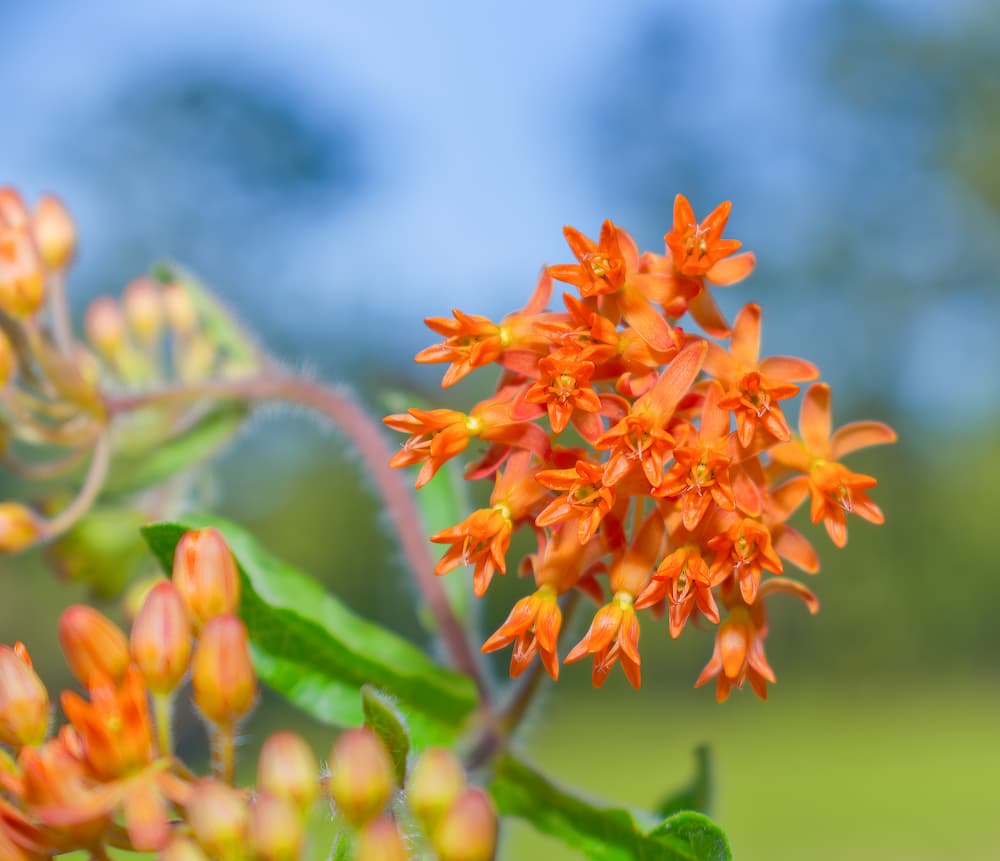
Milkweed is the only plant monarch caterpillars eat. It grows well in Florida’s sandy soils. Common types include tropical milkweed and swamp milkweed. These plants produce nectar that feeds adult monarchs. Plant milkweed in sunny spots for best results. Avoid pesticides near milkweed to protect monarchs.
Passionflower And Gulf Fritillary
Passionflower vines serve as host plants for Gulf fritillary butterflies. Caterpillars feed on the leaves of these vines. Passionflowers also offer bright nectar for adult butterflies. They thrive in warm, sunny areas. Passionflower helps maintain the Gulf fritillary population in Florida gardens.
Cassia For Sulphur Butterflies
Cassia plants attract sulphur butterfly species. The caterpillars feed on cassia leaves. These plants bloom with yellow flowers that provide nectar. Cassia grows well in Florida’s heat and drought conditions. Adding cassia supports the sulphur butterfly lifecycle effectively.
Other Host Plants
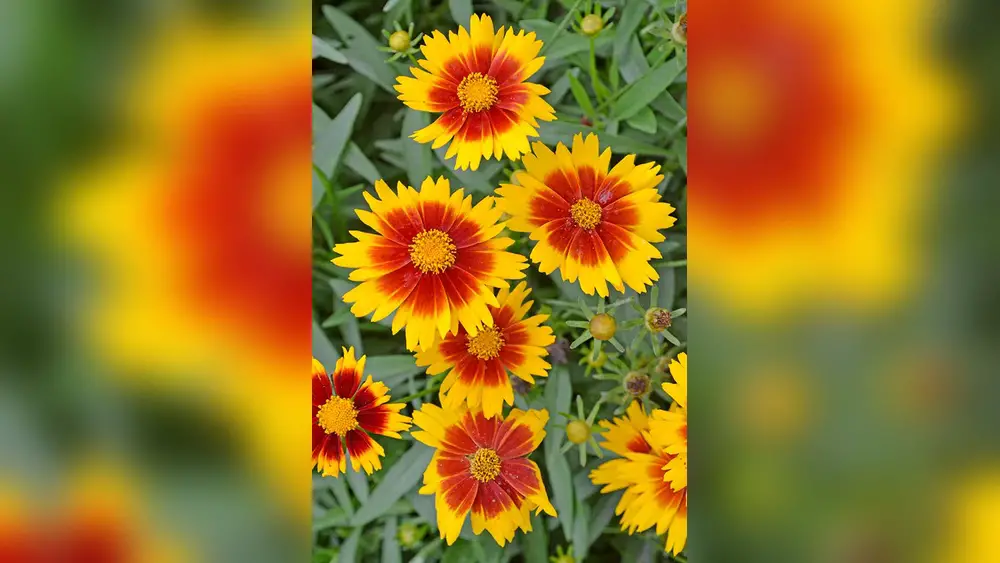
Dill and fennel attract black swallowtail butterflies. Citrus trees are important for giant swallowtails. Pipevine supports pipevine swallowtail caterpillars. Coreopsis and wildflowers also supply nectar and habitat. Mixing various host plants creates a balanced butterfly garden.
Top Nectar Plants
Butterflies need flowers rich in nectar to thrive. Nectar plants attract these delicate insects and support their life cycle. In Florida, certain plants bloom abundantly and provide a steady food source. They also add color and vibrancy to any garden. Choosing the right nectar plants ensures a healthy butterfly population and a lively outdoor space.
Coneflowers
Coneflowers are a favorite of many butterfly species. Their bright petals and central cone offer easy access to nectar. These plants bloom from early summer to fall. They are hardy and grow well in Florida’s warm climate. Coneflowers also attract bees and hummingbirds, adding more life to your garden.
Asters
Asters bloom in late summer and autumn, filling nectar gaps. Their small, daisy-like flowers come in purple, pink, and white. Butterflies flock to asters for their sweet nectar. These plants thrive in well-drained soil and full sun. Asters also provide late-season food when other flowers fade.
Goldenrod
Goldenrod is a tall plant with bright yellow flowers. It blooms late in the season, providing nectar when many plants stop flowering. Butterflies and other pollinators depend on goldenrod for food. It grows well in various soil types and attracts beneficial insects. Goldenrod’s vibrant color also adds beauty to natural landscapes.
Sedum Varieties
Sedum plants are succulent and drought-tolerant. Their clusters of star-shaped flowers bloom in late summer and fall. Butterflies enjoy the nectar-rich blooms of sedum. These plants are easy to grow and need little care. Sedum varieties work well in garden beds, borders, or containers.
Garden Design Tips
Designing a butterfly garden in Florida requires careful planning. The right plants and layout attract butterflies and support their life cycle. Thoughtful garden design ensures butterflies visit often and stay longer.
Consider plant variety, bloom times, and plant placement. Mixing host and nectar plants helps butterflies feed and reproduce. Watering and flower height also influence butterfly activity. Use these tips to create a vibrant, inviting space for butterflies.
Plant Variety And Bloom Times
Choose plants that bloom at different times. This provides nectar from early spring to late fall. Diverse flowers attract many butterfly species. Include native plants adapted to Florida’s climate. Variety keeps your garden colorful and lively all season.
Mixing Host And Nectar Plants
Host plants are where butterflies lay eggs. Nectar plants offer food for adult butterflies. Plant both types close together. This helps butterflies complete their life cycle in your garden. Examples include milkweed for monarchs and passionflower for Gulf fritillaries.
Flower Heights And Sizes
Use flowers of various heights and sizes. Tall plants create shelter and landing spots. Smaller flowers fill in gaps and attract smaller butterfly species. Layering plants adds depth and visual interest. It also helps butterflies find food easily.
Watering Strategies
Keep the soil moist but not soggy. Water early in the morning or late afternoon. This prevents evaporation and helps plants absorb moisture. Provide shallow water sources like puddles or damp sand. Butterflies need water to stay healthy and active.
Credit: www.south-florida-plant-guide.com
Butterfly Bush In Florida
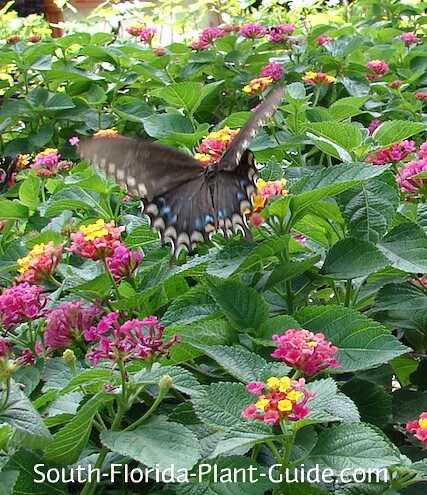
The Butterfly Bush is a popular choice for Florida gardens. It attracts many butterfly species with its bright, fragrant flowers. This plant blooms from summer to fall, providing nectar for butterflies. It grows well in Florida’s warm climate and sandy soil. Gardeners enjoy its fast growth and colorful blossoms. Yet, it is important to know both the benefits and challenges of growing Butterfly Bush in Florida.
Benefits And Drawbacks
Butterfly Bush blooms for a long time, offering constant nectar. Butterflies love its flower clusters, making your garden lively. It is easy to grow and needs little care once established. The plant can grow tall, creating a nice garden focal point. On the downside, Butterfly Bush is not native to Florida. It can spread quickly and become invasive in some areas. This means it might crowd out native plants. Some local rules may limit planting Butterfly Bush due to this risk.
Growing In Containers
Growing Butterfly Bush in containers is a good option for Florida. Containers help control its spread and make it easier to manage. Use a large pot with well-draining soil for best results. Place the container in a sunny spot with at least six hours of sunlight. Water the plant regularly but avoid waterlogging. Container plants may need feeding with fertilizer during the growing season. This method suits small gardens and patios well.
Pest And Disease Challenges
Butterfly Bush faces some common pests in Florida. Spider mites and aphids can attack its leaves and stems. Regular inspection helps catch pests early. Washing leaves with water or using insecticidal soap can control them. The plant may also suffer from root rot if overwatered. Good drainage and avoiding excess moisture prevent this problem. Despite these challenges, Butterfly Bush remains a favorite for butterfly gardens in Florida.
Additional Butterfly-friendly Plants
Butterflies need more than common nectar plants to thrive in Florida gardens. Certain additional plants serve as hosts or offer vital resources. These plants support butterfly life cycles and encourage frequent visits.
Choosing the right plants helps create a welcoming habitat. This section highlights Dill and Fennel, Citrus Trees, and Pipevine. Each plant offers unique benefits for local butterflies.
Dill And Fennel
Dill and fennel attract several butterfly species in Florida. They serve as host plants for swallowtail butterfly larvae. The leaves provide food for caterpillars, helping them grow strong.
These herbs also produce small flowers rich in nectar. Butterflies enjoy sipping this nectar during warm months. Plant dill and fennel in sunny spots with well-drained soil.
Citrus Trees
Citrus trees like orange, lemon, and lime attract butterflies naturally. They act as host plants for swallowtail caterpillars. The tender leaves offer food for young larvae.
Flowering citrus trees provide abundant nectar. Butterflies visit flowers to feed and rest. Growing citrus trees supports butterfly populations and adds beauty to your garden.
Pipevine
Pipevine is a vital host plant for the Pipevine Swallowtail butterfly. Its toxic leaves protect caterpillars from predators. This defense helps increase butterfly survival rates.
Pipevine blooms with small flowers that supply nectar. Butterflies use this plant for both feeding and reproduction. Plant pipevine in shaded or partially sunny areas for best results.
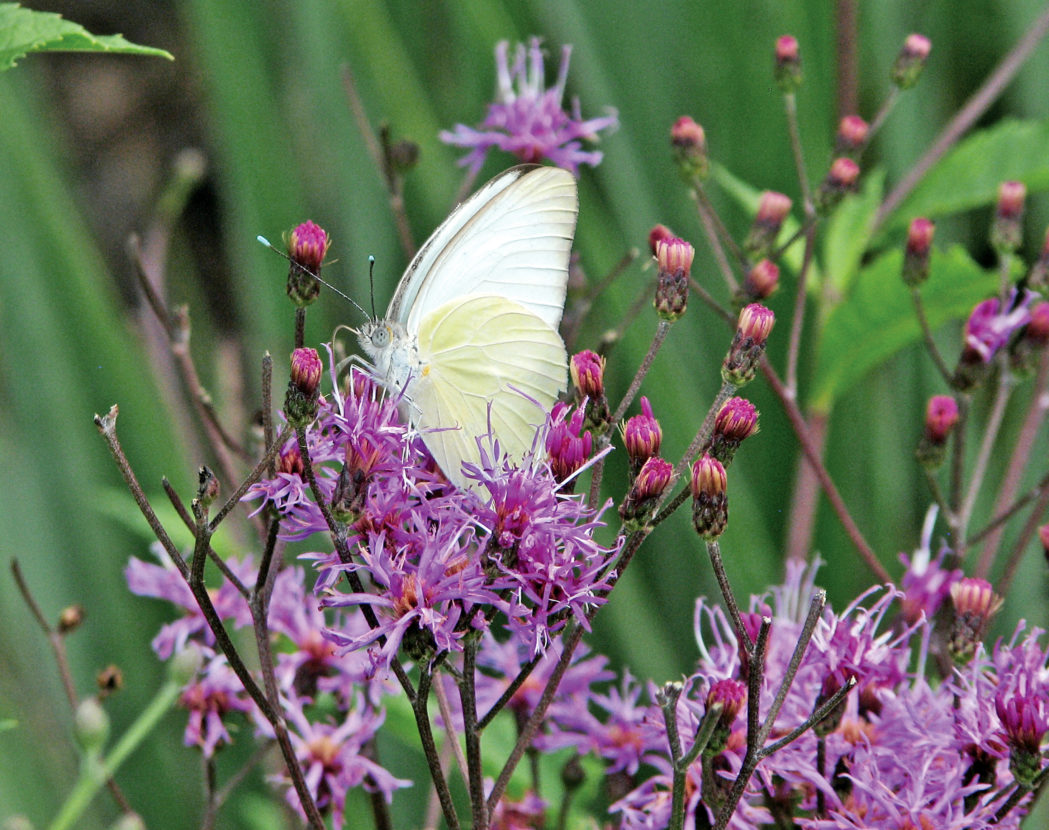
Credit: www.flawildflowers.org
Creating A Butterfly Habitat
Creating a butterfly habitat in Florida invites vibrant colors and lively wings to your garden. Butterflies need more than just flowers to thrive. They require a safe space with food, water, and shelter. A well-planned habitat supports their entire life cycle, from caterpillar to adult butterfly. This section highlights key steps to build a welcoming environment for butterflies in your yard.
Providing Shelter And Water
Butterflies seek shelter from wind and rain. Plant shrubs and tall grasses for protection. Trees also offer shade and resting spots. Include flat stones where butterflies can sunbathe. Water is essential for butterflies to stay hydrated. Create shallow puddles or use a shallow dish with wet sand. Change the water frequently to keep it fresh and safe.
Avoiding Pesticides
Pesticides harm butterflies and other beneficial insects. Avoid using chemical sprays in your garden. Choose organic or natural pest control methods instead. Handpick pests or use insecticidal soap if needed. A pesticide-free garden encourages butterflies to visit and stay longer. Protecting butterflies also helps maintain a healthy garden ecosystem.
Encouraging Native Species
Native plants support local butterfly species best. They provide the right nectar and host plants for caterpillars. Milkweed, passionflower, and cassia are great native choices in Florida. These plants attract more butterflies than exotic species. Plant a variety of native flowers that bloom throughout the year. This keeps food sources available during all seasons.
Frequently Asked Questions
What Is The Best Plant For Butterflies In Florida?
Milkweed is the best plant for butterflies in Florida, especially monarchs. Passionflower and Cassia also attract local butterfly species effectively.
How To Raise Butterflies In Florida?
Plant native host and nectar flowers like milkweed, passionflower, and cassia. Provide water and shelter. Bloom plants from March to November. Avoid butterfly bushes in the ground; use containers instead. Maintain diverse plants to support all butterfly life stages in Florida’s climate.
Can You Plant Butterfly Bushes In Florida?
Yes, you can plant butterfly bushes in Florida, but they often suffer from rust, mites, and nematodes. Growing them in containers improves success.
What Plant Attracts Butterflies The Most?
Milkweed attracts Monarch butterflies most, while coneflowers, asters, goldenrod, and sedum draw various butterfly species effectively.
Conclusion
Planting the best butterfly-friendly plants helps Florida’s butterflies thrive. Choose native flowers that bloom from spring to fall. Milkweed supports monarchs, while passionflower attracts Gulf fritillaries. Mix host plants with nectar-rich blooms for a vibrant garden. Water your plants well to keep them healthy.
Watch butterflies visit your garden daily. Enjoy nature’s beauty right outside your door. Creating a butterfly habitat is simple and rewarding. Start planting today and help local butterflies flourish.