Your front yard is the first thing people notice about your home, especially in Florida’s unique climate. Choosing the best plants for Florida landscaping can transform your outdoor space into a vibrant, low-maintenance oasis that thrives year-round.
If you want a front yard that stands out with beauty and resilience, you need plants that handle heat, humidity, and occasional drought with ease. You’ll discover the top front yard plants perfect for Florida’s conditions—plants that not only look amazing but also save you time and effort.
Ready to boost your curb appeal and create a front yard you’ll love? Keep reading to find out which plants will make your Florida landscaping truly shine.
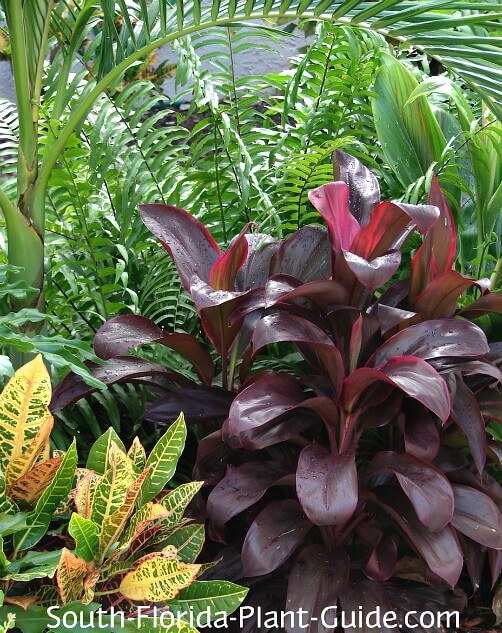
Credit: www.south-florida-plant-guide.com
Florida-friendly Plant Choices
Choosing Florida-friendly plants for your front yard is smart and sustainable. These plants thrive in Florida’s unique climate and soil. They reduce water use and need less care. Your landscape looks beautiful and lasts longer with the right choices.
Native Plants For Resilience
Native plants are perfect for Florida yards. They are used to local weather and pests. These plants need less water and fertilizer. Examples include Saw Palmetto, Coontie, and Firebush. Native plants help support local wildlife too.
Drought-tolerant Varieties
Drought-tolerant plants survive with little water. They save you time and money on irrigation. Some good options are Agave, Lantana, and Muhly Grass. These plants keep their color and shape during dry spells.
Low-maintenance Selections
Low-maintenance plants need minimal care and pruning. They are ideal for busy homeowners. Consider plants like Society Garlic, Dwarf Yaupon, and Blanket Flower. These plants stay healthy with little effort.
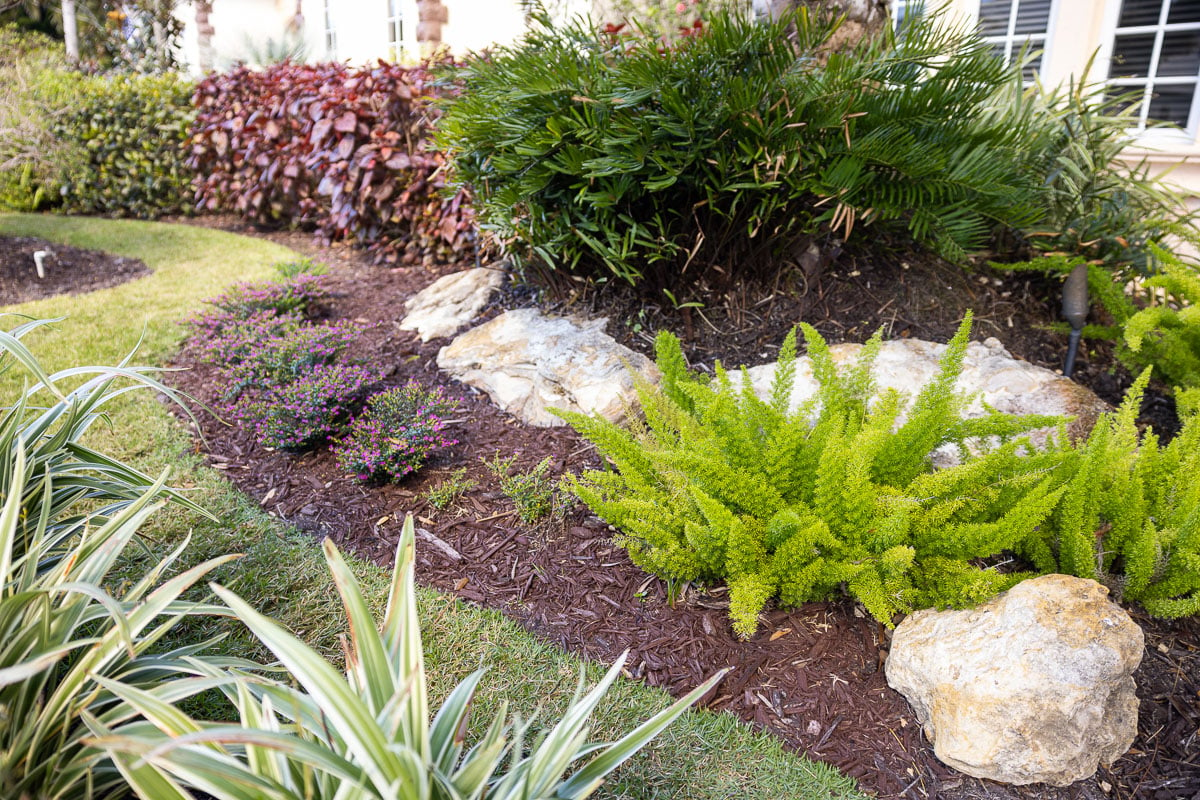
Credit: tropicalgardenslandscape.com
Vibrant Flowering Plants
Vibrant flowering plants bring life to any Florida front yard. Their bright colors brighten the landscape. These plants thrive in Florida’s warm climate and add charm year-round. Choosing the right flowers helps create a welcoming and lively outdoor space.
Colorful Perennials
Perennials bloom every year without replanting. They provide consistent color and structure. Popular Florida perennials include Lantana and Blanket Flower. These plants tolerate heat and occasional drought well. Their long blooming period keeps your yard colorful for months. Low maintenance and vibrant, they fit perfectly in Florida landscapes.
Seasonal Bloomers
Seasonal bloomers offer bursts of color in different months. Examples are Hibiscus for summer and Pentas for fall. These plants adapt to Florida’s changing seasons. They add variety and fresh appeal throughout the year. Planting seasonal bloomers in groups of three creates a natural flow. This technique enhances visual interest and balance.
Attracting Pollinators
Flowering plants that attract bees and butterflies help the garden thrive. Milkweed and Firebush are excellent choices for Florida yards. Pollinators support healthy plant growth and biodiversity. Including these plants boosts your garden’s health and beauty. Their vibrant flowers invite nature closer to your home.
Ornamental Grasses And Shrubs
Design techniques play a vital role in creating a striking front yard in Florida. Thoughtful plant placement and style choices can enhance curb appeal. These techniques help shape a balanced and inviting space. Simple methods can make your landscape stand out while staying easy to maintain.
Applying The Rule Of Three
The rule of three uses odd numbers, especially threes, in groupings. It creates a natural, dynamic look that feels balanced. Planting three of the same species together forms a bold statement. Grouping three planters or stones adds rhythm to the yard. Using three main colors ties the design together. This approach guides the eye smoothly through the landscape.
Creating Focal Points
A focal point draws attention and anchors the front yard design. Choose a standout plant, like a bold flowering shrub or small tree. Place it where visitors first see your yard. Combine this plant with contrasting textures or colors nearby. You can add decorative elements such as a bench or garden sculpture. Focal points give your landscape structure and charm.
Balancing Color And Texture
Mixing colors and textures keeps the yard interesting. Use a variety of leaf shapes, sizes, and colors. Pair soft, feathery plants with broad, glossy leaves for contrast. Bright flowers can brighten green foliage areas. Balance bold colors with softer tones for harmony. This blend makes the landscape feel lively yet calm.
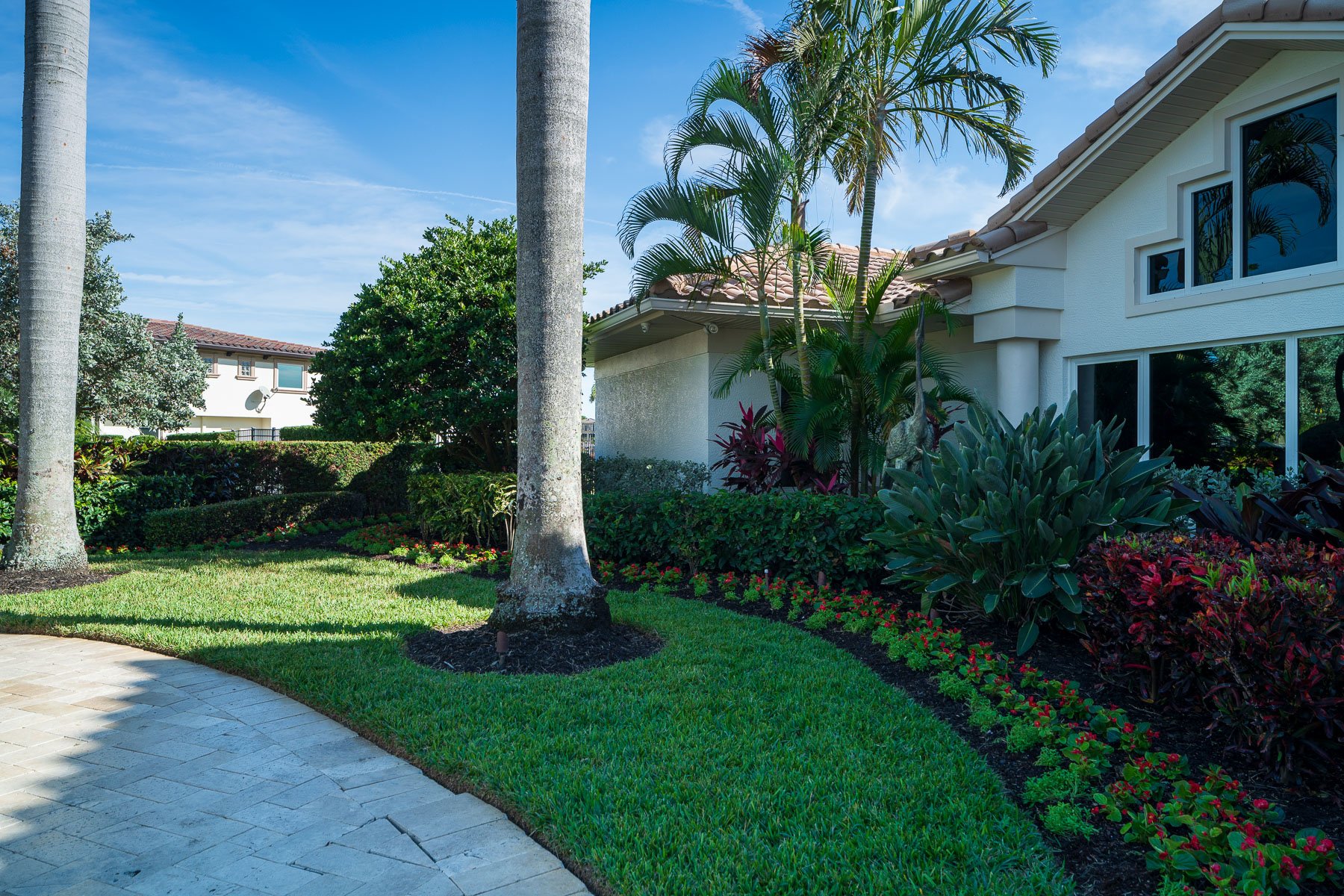
Credit: www.landcraftersfl.com
Design Techniques For Impact
Water-wise landscaping saves water and keeps your Florida front yard beautiful. It uses plants and methods that need less water. This approach suits Florida’s hot, dry climate well. It also helps reduce water bills and protects the environment.
Using native and drought-tolerant plants is key. These plants survive with less water and less care. Combining smart design and proper care creates a healthy, green landscape.
Rain Gardens And Plant Choices
Rain gardens collect rainwater and let it soak into the ground. This reduces runoff and prevents flooding. Planting native species like goldenrod, swamp sunflower, muhly grass, and milkweed works well. These plants thrive in wet and dry conditions. They also attract pollinators, adding life to your yard.
Choose plants that suit your soil and sunlight. Group plants with similar water needs together. This helps save water and keeps plants healthy.
Mulching And Soil Health
Mulch covers soil and keeps moisture from evaporating. Use organic mulch like bark, wood chips, or pine needles. Mulch also stops weeds and cools the soil. Healthy soil holds water better and feeds plants well.
Add compost to improve soil texture and nutrients. Check soil regularly to avoid compaction. Good soil helps roots grow deep, making plants stronger during dry spells.
Irrigation Tips For Florida
Water plants early in the morning to reduce evaporation. Use drip irrigation or soaker hoses for targeted watering. Avoid spraying leaves, which wastes water and can cause disease.
Adjust watering based on rainfall and season changes. Overwatering wastes water and harms plants. Use rain sensors or timers to control irrigation automatically.
Water-wise Landscaping
Pest and disease resistance is vital for Florida front yard landscaping. Plants that resist pests and diseases need less care and chemicals. They stay healthy longer and look great. Choosing the right plants helps create a strong, beautiful garden. It saves time and money on treatments.
Choosing Resistant Plants
Select plants known for strong pest and disease resistance. Native Florida plants often resist local pests well. Examples include coontie, firebush, and beautyberry. These plants adapt to Florida’s climate and soil. They reduce the chance of infestations and infections. Choose plants with thick leaves or natural oils that repel pests. This helps keep your garden healthy naturally.
Natural Pest Control Methods
Use natural ways to control pests without chemicals. Introduce beneficial insects like ladybugs or lacewings that eat harmful bugs. Use neem oil or insecticidal soap to treat small pest problems. Plant companion flowers such as marigolds to repel pests. Avoid overwatering which attracts pests and diseases. These methods protect your plants and the environment.
Maintaining Plant Health
Healthy plants resist pests and diseases better. Water plants deeply but less often to develop strong roots. Remove dead or diseased leaves to stop spread. Mulch helps keep soil moist and controls weeds. Prune plants to improve air flow and reduce fungal diseases. Feed plants with balanced fertilizer to boost growth and immunity.
Pest And Disease Resistance
Proper seasonal care and maintenance keep Florida front yard plants healthy and vibrant year-round. Each season demands specific tasks to support plant growth and resilience. Following a clear routine helps plants thrive despite Florida’s unique climate challenges.
Pruning Schedules
Pruning shapes plants and removes dead parts. In Florida, prune most shrubs after flowering ends. This timing avoids cutting off new buds. For trees, prune in late winter before new growth starts. Regular pruning improves air circulation and sunlight exposure. Avoid heavy pruning during hot summer months.
Fertilizing For Growth
Florida soils often lack key nutrients, so fertilizing is vital. Use slow-release fertilizers in early spring and late summer. This timing supports steady growth and prepares plants for seasonal changes. Choose fertilizers with nitrogen, phosphorus, and potassium. Follow package directions to avoid overfeeding, which can harm plants.
Preparing For Florida Weather
Florida weather can be harsh, with heat, humidity, and storms. Mulch around plants to retain moisture and reduce soil temperature. Water deeply but less often to encourage strong roots. Protect young plants from strong winds using temporary shields. Remove fallen leaves and debris to prevent pests and diseases.
Frequently Asked Questions
What Is The Best Low-maintenance Landscape In Florida?
The best low-maintenance landscape in Florida uses native plants like firebush, coonti, goldenrod, and muhly grass. Rain gardens control water naturally and reduce upkeep. Group plants in odd numbers for a balanced, visually appealing design that thrives in Florida’s climate.
What Is The Rule Of 3 In Landscaping?
The rule of three in landscaping groups plants or elements in threes to create balance, flow, and visual appeal. It avoids rigidity and enhances natural harmony. This design principle applies to plantings, hardscaping, and color schemes, making outdoor spaces more engaging and cohesive.
How To Landscape Your Front Yard In Florida?
Choose Florida-native plants like firebush, coontie, and muhly grass for low-maintenance, drought-resistant landscaping. Group plants in odd numbers for balance. Add mulch to retain moisture and reduce weeds. Incorporate a rain garden to manage water naturally. Use hardscape elements to enhance visual appeal.
What Outdoor Plants Are Good For Florida?
Florida outdoor plants thrive best with natives like firebush, coontie, muhly grass, goldenrod, swamp sunflower, and milkweed. These plants handle heat, humidity, and occasional drought well. Group them in odd numbers for natural, balanced landscaping that requires low maintenance and enhances your garden’s appeal.
Conclusion
Choosing the right plants shapes your Florida front yard’s beauty and ease. Select native and low-maintenance plants that thrive in warm, humid weather. Group plants in threes to create balance and natural flow. This simple step makes your yard look inviting and lively.
With careful choices, your landscape stays healthy and colorful year-round. Enjoy a front yard that welcomes guests and boosts your home’s curb appeal. Your garden can be both beautiful and easy to care for. Small efforts bring big rewards in Florida landscaping.