
Are you dreaming of growing your own pumpkins right here in Florida? Knowing exactly when to plant your pumpkin seeds can make all the difference between a bountiful fall harvest and a patch of disappointment.
Unlike cooler climates, Florida’s unique weather means timing is everything for those big, bright pumpkins you want to carve or cook with. You’ll discover the best planting windows, tips to avoid common pitfalls, and how to ensure your pumpkins thrive under the Florida sun.
Keep reading, and you’ll be well on your way to growing the perfect pumpkin patch this season!
Ideal Planting Months
Knowing the ideal months to plant pumpkins in Florida helps ensure a healthy crop. The warm climate allows for a longer growing season than many other states. Planting from late March through July gives you flexibility for a successful fall harvest. The timing varies based on your harvest goals, such as for Halloween or later in the season.
Late March To July Window
Planting pumpkins from late March to July fits Florida’s warm climate well. Soil is warm enough to encourage seed germination by late March. Early planting allows plants to grow strong before the heat peaks. Seeds sown later, up to July, still have time to mature before cooler weather. This window helps avoid frost risk and supports steady growth.
Timing For Halloween Harvest
For pumpkins ready by Halloween, plant in June or early July. Pumpkins need about 90 to 120 days to mature. Planting during this period ensures ripe pumpkins just in time for October. Starting too early may cause pumpkins to mature too soon and rot. Late planting risks smaller fruits or incomplete growth before fall.
Pros And Cons Of Early Vs. Late Planting
Early planting in late March or April offers a longer growing season. Plants get more time to develop, often producing larger pumpkins. Risks include potential damage from late cold snaps. Late planting in June or July reduces frost risk. However, pumpkins may be smaller and more prone to diseases. Choosing planting time depends on your harvest goals and local weather patterns.

Credit: www.youtube.com
Key Growing Conditions
Pumpkins need specific conditions to grow well in Florida’s warm climate. Knowing these key factors helps you plant pumpkins at the right time. Healthy growth depends on soil temperature, sunlight, space, and watering. Each plays a vital role for strong plants and good fruit.
Meeting these needs boosts pumpkin yield and quality. Start with the right soil warmth. Then, give your plants enough sun and room to spread. Water carefully to avoid stress. Understanding these details will improve your pumpkin patch’s success.
Soil Temperature Needs
Pumpkin seeds sprout best when soil temperature is between 70°F and 90°F. Cooler soil slows growth and can stop germination. Florida’s soil warms quickly in spring, making late March a good planting time. Use a soil thermometer to check before planting. Warm soil ensures strong seedlings and faster growth.
Sunlight Requirements
Pumpkins require full sun daily for six to eight hours. Sunlight fuels photosynthesis and helps fruits grow large. Choose a planting spot with no shade from trees or buildings. Too little sun causes weak vines and fewer pumpkins. Bright, direct light keeps plants healthy and productive.
Spacing For Healthy Growth
Pumpkin vines spread wide and need space to grow. Plant seeds or seedlings at least 3 to 5 feet apart. Crowding causes competition for water and nutrients. Proper spacing improves air flow, reducing disease risk. Give each plant room to develop strong roots and vines.
Watering Tips
Consistent watering keeps pumpkins healthy. Water deeply once or twice a week, depending on rainfall. Avoid wetting leaves to prevent fungal diseases. Mulch helps retain soil moisture and controls weeds. Watch soil moisture and adjust watering during dry spells.
Choosing Pumpkin Varieties
Choosing the right pumpkin variety is key to a successful harvest in Florida. The state’s warm climate affects how different pumpkins grow. Some types handle the heat better and mature faster. Knowing which varieties suit your planting time helps you get good results. Here are two important types to consider for Florida gardens.
Seminole Pumpkins In Florida
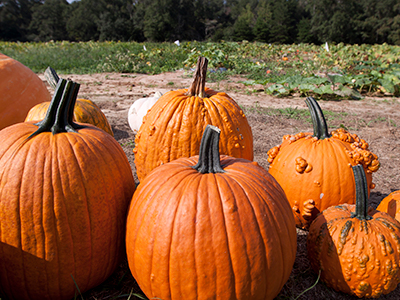
Seminole pumpkins are native to Florida and adapt well to its climate. They grow well in hot weather and resist many local pests. Their tough skin helps them last longer after harvest. Seminoles have a rich orange color and a sweet, dense flesh. These pumpkins usually take about 100 days to mature. Plant them early, between late March and May, for the best yield.
Fast-maturing Varieties For Late Planting
Fast-maturing pumpkins suit gardeners who plant later in the season. These types can mature in 75 to 90 days, making them perfect for July planting. Varieties like ‘Jack Be Little’ and ‘Baby Pam’ produce smaller pumpkins quickly. They need less space and cope well with Florida’s summer heat. Choosing these varieties can help you harvest pumpkins before cooler weather arrives.
Credit: gardeningsolutions.ifas.ufl.edu
Planting Challenges In Florida
Pumpkin growing in Florida faces unique challenges. The state’s warm climate and variable rainfall affect planting success. Gardeners must carefully time planting to avoid problems. Understanding local challenges helps improve pumpkin yield and quality.
Disease Risks With Late Planting
Planting pumpkins late increases the chance of diseases. Warm and humid weather favors fungal infections. Powdery mildew and downy mildew often attack plants. These diseases weaken pumpkins and reduce harvest size. Late planting also exposes plants to pests carrying diseases. Early planting helps plants grow strong before diseases spread.
Managing Heat And Drought
Florida’s heat can stress pumpkin plants, especially in summer. High temperatures reduce flowering and fruit set. Drought conditions limit water availability and stunt growth. Regular watering is essential to keep soil moist but not soaked. Mulching helps retain soil moisture and cool roots. Shade cloths can protect young plants from intense sun.
August Planting Considerations
Planting pumpkins in August in Florida requires special attention. The state’s warm climate affects how pumpkins grow late in the season. August planting may still work, but gardeners must plan carefully. Understanding growth time, frost risks, and harvest goals helps ensure success.
Days To Maturity Impact
Each pumpkin variety has a set number of days to maturity. In Florida, pumpkins usually need 90 to 120 days to fully grow. Planting in August means pumpkins may face cooler weather before they ripen. Choose varieties with shorter maturity times to fit the growing season.
Check seed packets for exact days to maturity. This helps avoid pumpkins that take too long to grow. Faster-growing types increase chances of a successful harvest before cooler weather arrives.
Frost Dates And Growing Zones
Frost is rare in much of Florida but can appear in northern areas. Know your local frost dates and USDA growing zones. Frost can damage young pumpkin plants or slow fruit development. August planting leaves less time before the first frost.
In warmer zones, pumpkins planted in August have a better chance of maturing. Cooler zones may face frost risk too early. Use local extension services or gardening guides to find frost dates for your area.
Adjusting Harvest Goals
August planting may change your pumpkin harvest goals. Pumpkins planted this late might not reach large sizes. They can be ready for a later fall harvest but may miss Halloween.
Consider smaller pumpkins or varieties suited for late-season growth. Adjust expectations for size and timing. This helps avoid disappointment and makes the most of late planting opportunities.
Strategies For Late Planting
Late planting pumpkins in Florida requires smart strategies. The warm climate allows planting until July, but late sowing faces challenges. Shorter growing time and higher disease risk need attention. Careful planning helps get a good harvest despite late start.
Starting Seeds Indoors
Begin pumpkin seeds indoors to give plants a head start. Use small pots with rich soil. Keep them warm and moist for quick germination. Transplant seedlings outdoors when they grow strong and the weather is stable. This method shortens time needed in the garden.
Experimenting With Small Crops
Try planting a few pumpkins in small areas first. Small crops need less space and care. They also help test soil and weather conditions. Observe how plants grow and adjust care as needed. This reduces risks and improves chances of success.
Selecting Suitable Varieties
Choose pumpkin varieties that mature fast. Look for types labeled “early” or “quick-maturing.” Smaller pumpkins often grow faster than large ones. Some varieties resist diseases common in Florida. Picking the right type improves harvest even with late planting.

Credit: www.revivalgardening.com
Frequently Asked Questions
What Month Do You Plant Pumpkins In Florida?
Plant pumpkins in Florida from late March through July for a fall harvest. June or early July suits Halloween pumpkins. Choose full sun and warm soil for best growth.
Is August Too Late To Plant Pumpkins?
August is generally too late to plant pumpkins for Halloween in most areas. Choose fast-maturing varieties for a possible late harvest. Consider your local frost date and growing zone before planting.
Can You Just Throw Pumpkin Seeds On The Ground?
You can scatter pumpkin seeds on the ground, but soil must be warm and free of frost risk. Seeds need sunlight and water to grow well. Planting in cold or shaded areas reduces germination and growth. Preparing soil and spacing seeds properly improves pumpkin success.
What Pumpkins Grow Best In Florida?
Seminole, Howden, and Big Max pumpkins grow best in Florida’s warm climate. Plant from late March to July for a fall harvest. Choose full sun locations and water consistently for healthy growth. These varieties handle heat well and suit Florida’s long growing season.
Conclusion
Plant pumpkins in Florida from late March to July for best results. Early planting gives a longer season and bigger pumpkins. Choose a sunny spot with warm soil and water regularly. Planting too late may reduce pumpkin size and increase disease risk.
Check your seed packet for days to maturity before planting. Keep in mind Florida’s warm climate helps pumpkins grow faster. With proper timing and care, you can enjoy a healthy pumpkin harvest. Happy planting!