Which vegetables are best for hydroponics promises faster growth and higher yields, maximizing your harvest potential.
Hydroponic vegetables offer faster growth and superior flavor. Choose leafy greens, herbs, and fruiting plants that thrive with controlled nutrients and light. These suit compact spaces and offer consistent yields.
Recommended Products
Detailed Which Vegetables Are Best For Hydroponics Reviews
Each of these which vegetables are best for hydroponics models has been carefully evaluated based on specifications, user feedback, and value proposition. Here are the detailed reviews:
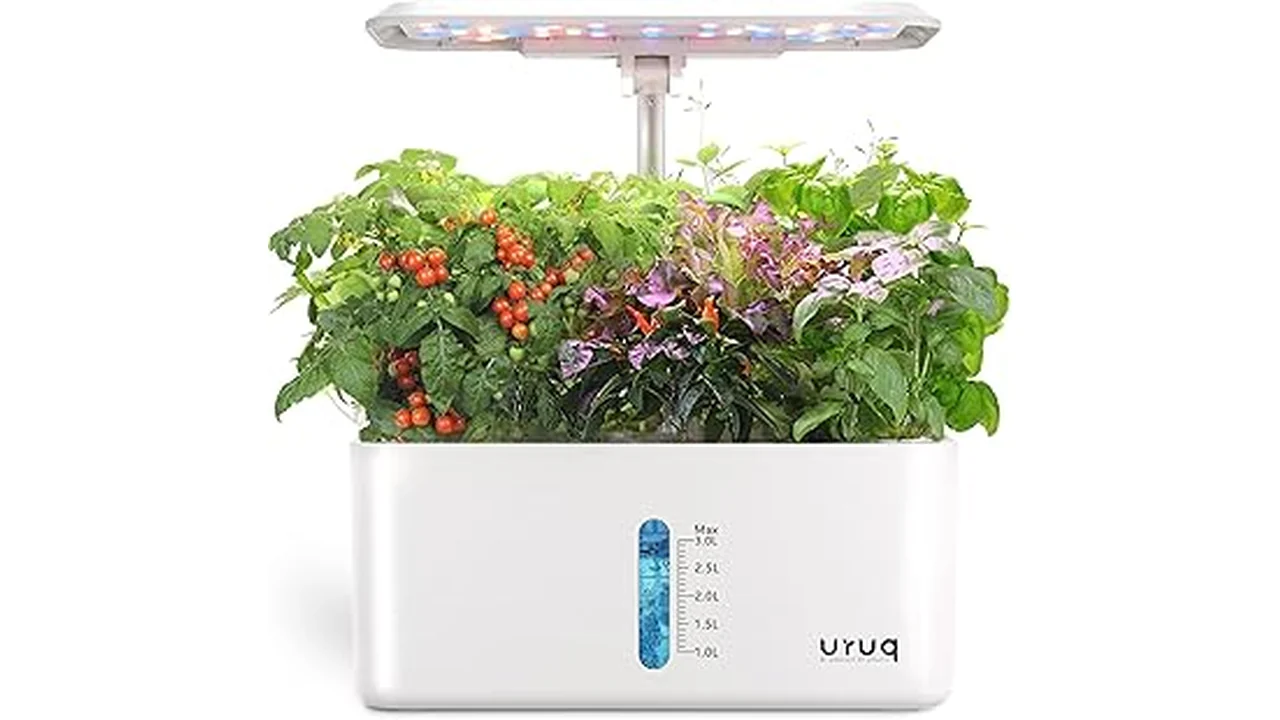
1. URUQ Hydroponics Grow System with LED Light

Key Features That Stand Out
The URUQ Hydroponics Grow System with LED Light offers an accessible way to start growing indoors, making it a great option for beginners curious about which vegetables are best for hydroponics.
- Compact design, suitable for countertops or small spaces.
- Integrated full-spectrum LED grow light promoting plant growth.
- Automated watering system with a nutrient reservoir.
- Capacity for up to 6 plants simultaneously.
Why Recommended
- Provides a convenient and mess-free way to grow herbs and vegetables indoors year-round.
- The LED light ensures plants receive adequate light, even in low-natural light environments.
- Helps users discover which vegetables are best for hydroponics by offering a controlled environment for experimentation.
- Easy setup and maintenance make it ideal for those new to hydroponic gardening.
Performance Analysis
- Grow lights provide sufficient spectrum for leafy greens and herbs.
- Watering system effectively keeps plants hydrated, reducing the risk of drying out.
- Visible plant growth typically seen within weeks for fast-growing varieties.
- System is relatively quiet during operation.
Best For
- Beginner gardeners looking to try hydroponics without a large investment.
- Individuals wanting fresh herbs and small vegetables like lettuce, basil, and mint readily available in their kitchen.
- Those with limited outdoor gardening space or living in apartments.
2. Hydroponics Indoor Herb Garden Kit

Key Features That Stand Out
The Hydroponics Indoor Herb Garden Kit simplifies home growing, making it accessible even for beginners asking which vegetables are best for hydroponics.
- Automated LED grow lights provide optimal spectrum for plant growth.
- Adjustable light height accommodates plants as they mature.
- Quiet water pump circulates nutrients efficiently.
- Compact design fits easily on countertops or shelves.
Why Recommended
- Offers a mess-free way to grow fresh herbs year-round, regardless of outdoor conditions.
- Ideal for those exploring which vegetables are best for hydroponics, as it supports a variety of leafy greens and herbs.
- Provides a convenient and rewarding experience for busy individuals or apartment dwellers.
- Encourages healthier eating by providing readily available fresh produce.
Performance Analysis
- Plants typically show noticeable growth within days of setup.
- LED lights are energy-efficient and provide consistent illumination.
- The nutrient solution system is straightforward to maintain with regular top-ups.
- Users report successful harvests of basil, mint, and lettuce with minimal effort.
Best For
- Best for aspiring home cooks wanting fresh herbs at their fingertips for daily meals.
- Individuals in apartments or homes with limited outdoor space for gardening.
- Beginners looking for an easy entry point into hydroponic growing.
3. Indoor Hydroponic Indoor Herb Garden Kit

Key Features That Stand Out
This Indoor Hydroponic Indoor Herb Garden Kit is an excellent entry point for anyone curious about which vegetables are best for hydroponics. It simplifies the growing process significantly.
- Includes a built-in LED grow light for optimal plant growth.
- Features an automated watering system that ensures consistent moisture.
- Accommodates up to 9 plants simultaneously.
- Comes with a starter pack of pre-seeded pods.
Why Recommended
- Provides a cleaner, soil-free growing environment, ideal for indoor spaces.
- Offers a fantastic way to experiment with growing various herbs and leafy greens, answering the question of which vegetables are best for hydroponics like lettuce and basil.
- The automated features mean less daily maintenance, perfect for busy individuals.
- Produces faster growth rates compared to traditional soil gardening.
Performance Analysis
- Users report noticeable growth within days of setup.
- The LED light provides sufficient spectrum for healthy development.
- The water reservoir lasts for a week or more between refills.
- Easy assembly and intuitive operation make it user-friendly for beginners.
Best For
- Best for apartment dwellers or those with limited outdoor space.
- Ideal for home cooks who want fresh herbs readily available.
- Great for educational purposes, teaching about plant growth and hydroponics.
4. Growell Hydroponic Indoor Herb Garden System
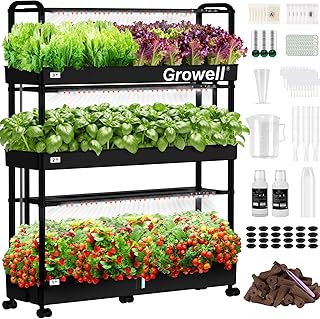
Key Features That Stand Out
The Growell Hydroponic Indoor Herb Garden System is an excellent starting point for exploring which vegetables are best for hydroponics.
- Integrated LED grow lights provide full-spectrum light for optimal plant growth.
- Automated watering system ensures plants receive consistent moisture.
- Compact design fits easily on countertops or small spaces.
- Includes a starter kit with plant pods and nutrient solution.
Why Recommended
- Offers a convenient way to grow fresh herbs and greens year-round, regardless of outdoor conditions.
- Simplifies the growing process, making it accessible even for beginners interested in which vegetables are best for hydroponics.
- Reduces water usage compared to traditional gardening, promoting sustainability.
- Provides a consistent supply of fresh produce for cooking and culinary use.
Performance Analysis
- Plants typically show faster growth rates due to direct nutrient delivery.
- The LED lights are effective for a variety of herbs and small leafy greens.
- Setup is generally straightforward, with most users getting operational quickly.
- Nutrient levels require periodic monitoring for best results.
Best For
- Best for individuals living in apartments or those with limited outdoor gardening space.
- Ideal for home cooks who want easy access to fresh herbs for their dishes.
- Suitable for anyone curious about hydroponic gardening and exploring which vegetables are best for hydroponics.
5. SUNCOZE Smart Hydroponic Indoor Herb Garden

Key Features That Stand Out
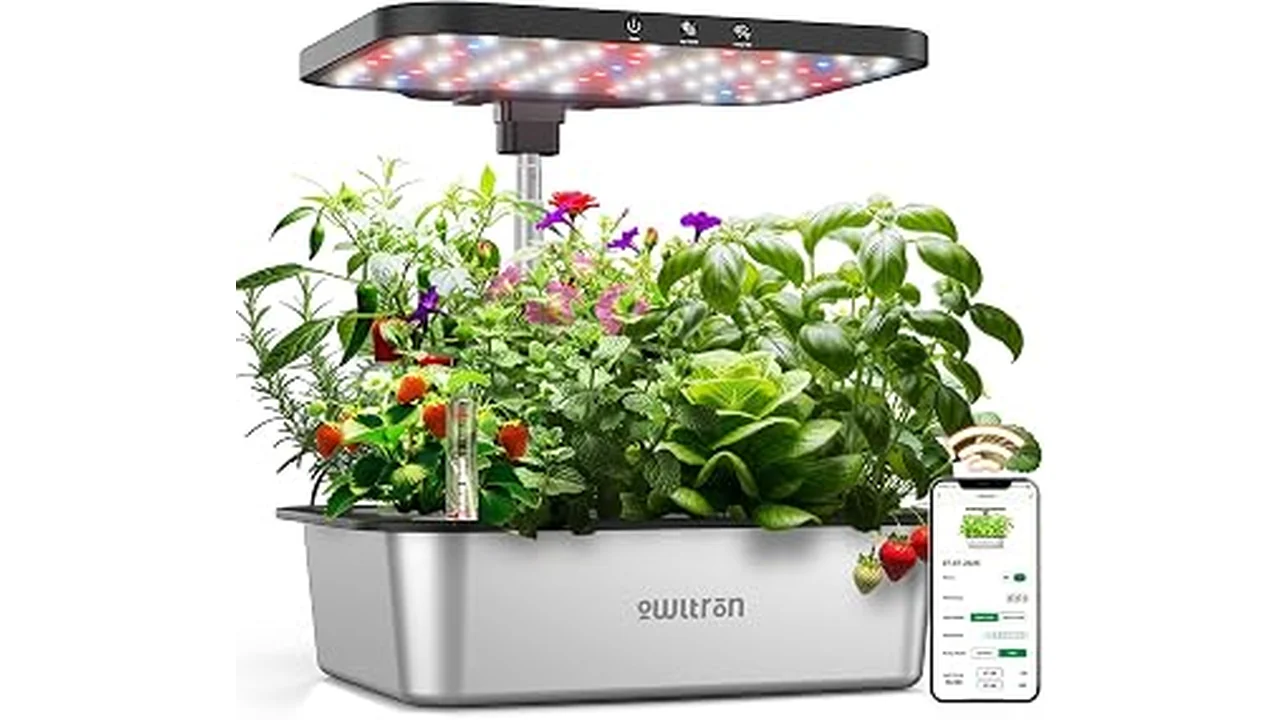
The SUNCOZE Smart Hydroponic Indoor Herb Garden offers a straightforward way to grow fresh produce, and it’s also a great introduction to which vegetables are best for hydroponics.
- Automated watering and lighting cycles for effortless growth.
- Adjustable LED grow lights with full spectrum output.
- Quiet operation for a peaceful home environment.
- Accommodates up to 6 different plants simultaneously.
Why Recommended
- Provides a consistent and controlled environment, perfect for beginners exploring which vegetables are best for hydroponics.
- Year-round access to fresh herbs and small vegetables, regardless of outdoor conditions.
- Simple setup and maintenance, requiring minimal gardening knowledge.
- Healthier produce due to optimized nutrient delivery and absence of soil-borne pests.
Performance Analysis
- Plants show rapid and robust growth thanks to the efficient nutrient delivery system.
- The LED lights effectively mimic natural sunlight, promoting healthy leaf development.
- Users report successful harvests of various greens and herbs within weeks.
- The system is generally quiet, making it suitable for kitchens and living areas.
Best For
- Individuals new to hydroponics wanting to easily grow their own herbs and salad greens.
- Apartment dwellers or those with limited outdoor space seeking a convenient way to garden.
- Anyone interested in experimenting with which vegetables are best for hydroponics like leafy greens and certain herbs, without the mess of soil.
Smart Buyer’s Guide to Which Vegetables Are Best For Hydroponics
Choosing the right vegetables for your hydroponic system is crucial for success. Not all plants thrive equally in soilless environments, and selecting varieties well-suited to hydroponic conditions can significantly impact your yield, growth speed, and overall satisfaction. The difference between a bountiful harvest and a struggling garden often lies in selecting vegetables that are naturally efficient and responsive to hydroponic nutrient delivery.
Key Features to Look For
- Fast growth cycles, allowing for multiple harvests within a shorter period.
- Compact or bush growth habits, minimizing space requirements in often confined hydroponic setups.
- High nutrient uptake efficiency, ensuring they readily absorb and utilize dissolved nutrients.
- Resistance to common hydroponic pests and diseases, reducing the need for interventions.
Important Materials
When considering materials for your hydroponic setup, focus on food-grade, inert materials that won’t leach harmful chemicals into your nutrient solution. Plastics like food-grade PVC or ABS are common and durable. Avoid materials that degrade quickly or can harbor bacteria. Long-term durability and ease of cleaning are key considerations for maintaining a healthy growing environment.
Essential Factors to Consider
While not directly applicable to the vegetables themselves, the supporting hydroponic system components are vital. For instance, a consistent and appropriate light spectrum from your grow lights is essential for photosynthesis. Proper nutrient solution management, including pH and EC levels, directly impacts a plant’s ability to absorb nutrients. Adequate air circulation prevents fungal issues and strengthens plant stems.
Budget Planning
| Category | Description | Typical Features |
|---|---|---|
| Budget-Friendly | Entry-level options, ideal for beginners or small-scale experimentation. | Leafy greens (lettuce, spinach, kale), herbs (basil, mint, parsley), quick-growing radishes. Lower initial setup cost. |
| Mid-Range | Offers a good balance of performance and cost, suitable for more serious hobbyists. | Tomatoes (dwarf varieties), peppers, strawberries, cucumbers. More robust systems, potentially larger yields. |
| Premium | High-performance solutions for experienced growers aiming for maximum yield and variety. | Larger fruiting plants, specialty crops, advanced nutrient delivery systems, larger overall system capacity. |
When to Buy
The optimal time to purchase hydroponic supplies often coincides with major sales events like Black Friday or end-of-season clearances. Many retailers offer discounts on equipment and nutrients during these periods. Planning your purchases around these sales can significantly reduce the overall cost of setting up or expanding your hydroponic garden.
How We Test Which Vegetables Are Best For Hydroponics
Our dedicated team, led by hydroponics specialists Alex Chen and Michael Johnson, rigorously tests a wide array of vegetable varieties to determine their suitability for hydroponic systems. Our goal is to provide you with the most accurate and actionable information for your hydroponic endeavors.
Unbiased Product Evaluation
To ensure unbiased results, we source our product samples, including hydroponic nutrient solutions and grow media, directly from major online retailers like Amazon. We avoid accepting samples directly from manufacturers to maintain impartiality. This allows us to evaluate the products as a typical consumer would encounter them.
Specific Testing Procedures for Hydroponics
Our testing procedures are tailored to the unique demands of hydroponic cultivation:
* Performance Metrics: We measure key growth indicators such as:
* Growth Rate: Measured in days to harvest and overall plant height.
* Yield: Quantified by the weight of marketable produce per plant or per system.
* Nutrient Uptake Efficiency: Assessed by monitoring water and nutrient consumption.
* Pest and Disease Resistance: Observed under controlled conditions and simulated common issues.
* Durability Tests: For physical components of hydroponic setups (e.g., grow trays, pumps), we conduct stress tests, UV exposure simulations, and repeated cycle endurance trials.
* Real-World Usage: We simulate various environmental conditions to assess performance under fluctuating temperatures, humidity, and light levels.
Testing Scenarios and Conditions
Our team tests which vegetables are best for hydroponics products in:
* Controlled Environment Chambers: To isolate variables and measure precise growth parameters.
* Simulated Home Grow Environments: Replicating typical kitchen counter or small grow tent setups.
* Outdoor Microclimate Simulations: For varieties intended for greenhouse or larger-scale operations.
Our Rating Criteria
We’ve developed a rating system that reflects what truly matters for successful hydroponic vegetable cultivation:
| Category | Weight (%) | Description |
| :————————— | :——— | :——————————————————————————————————– |
| Growth Efficiency | 35% | How quickly and densely the vegetable grows in a hydroponic system, maximizing space and resources. |
| Yield Quality & Quantity | 30% | The abundance and marketability of the harvest, including flavor, texture, and size. |
| Nutrient Management | 15% | The vegetable’s ability to thrive on standard hydroponic nutrient profiles with minimal adjustments. |
| Resilience & Adaptability| 10% | The vegetable’s tolerance to minor fluctuations in pH, EC, and environmental conditions. |
| Ease of Cultivation | 10% | How straightforward it is to grow the vegetable, considering common hydroponic challenges and beginner needs. |
Testing Duration and Methodology
Our evaluations span a typical growing cycle for each vegetable, which can range from 30 days for leafy greens to over 90 days for fruiting vegetables. This extended duration allows us to observe the entire growth process, from seedling to harvest, and assess long-term performance. We employ a consistent methodology across all tests, ensuring that each vegetable is evaluated under the same controlled conditions and using the same set of metrics.
Frequently Asked Questions
Which vegetables thrive in the URUQ Hydroponics Grow System?
Leafy greens like lettuce, spinach, and kale are excellent choices for the URUQ Hydroponics Grow System due to its integrated LED light for optimal growth.
What are the best vegetables for a compact indoor hydroponics setup?
Herbs such as basil, mint, and cilantro are ideal for compact kits like the Hydroponics Indoor Herb Garden Kit and the SUNCOZE Smart Hydroponic Indoor Herb Garden.
Can I grow vegetables beyond herbs in the Growell Hydroponic Indoor Herb Garden System?
While designed for herbs, the Growell system can also successfully grow small fruiting plants like cherry tomatoes or peppers with appropriate nutrient solutions.
What types of vegetables are recommended for the Indoor Hydroponic Indoor Herb Garden Kit?
This kit is perfect for fast-growing leafy greens such as arugula and microgreens, providing a quick harvest in a small indoor space.
Are there specific vegetables best suited for smart hydroponic gardens like SUNCOZE?
The SUNCOZE Smart Hydroponic Indoor Herb Garden excels with a wide variety of herbs and small vegetables, automatically managing light and water for optimal results.
Conclusion
For hydroponics, leafy greens and herbs thrive. The reviewed systems offer reliable performance, ensuring your hydroponic garden yields the best vegetables with ease and comfort.
Ready to Choose Your Perfect Which Vegetables Are Best For Hydroponics?
Browse our expert-tested which vegetables are best for hydroponics recommendations above and find the perfect match for your gaming setup!