Looking to bring a burst of fresh flavor right into your Florida home? Growing indoor fruit plants is a fantastic way to enjoy delicious, homegrown produce year-round, no matter the weather outside.
But with so many options, you might wonder which fruit plants thrive best indoors in Florida’s unique climate. Whether you’re a beginner or a seasoned plant lover, knowing the easiest and most rewarding fruit plants to grow indoors can save you time, effort, and frustration.
Ready to discover the best Florida indoor fruit plants that will brighten your space and satisfy your taste buds? Keep reading to find out which plants deserve a spot on your windowsill or cozy corner. Your indoor garden adventure starts here!
Indoor Fruit Plants For Florida
Florida’s warm climate suits many fruit plants that grow indoors. These plants add fresh flavors and greenery inside homes. Growing fruit indoors saves space and controls the environment for better growth.
Indoor fruit plants need bright light, warmth, and good soil. Choose plants that adapt well to Florida’s indoor conditions. Small fruit trees and bushes work best for indoor spaces.
Fig Trees
Fig trees thrive indoors with enough sunlight and warmth. They produce sweet fruits and grow well in pots. Regular watering and occasional feeding keep them healthy.
Citrus Trees
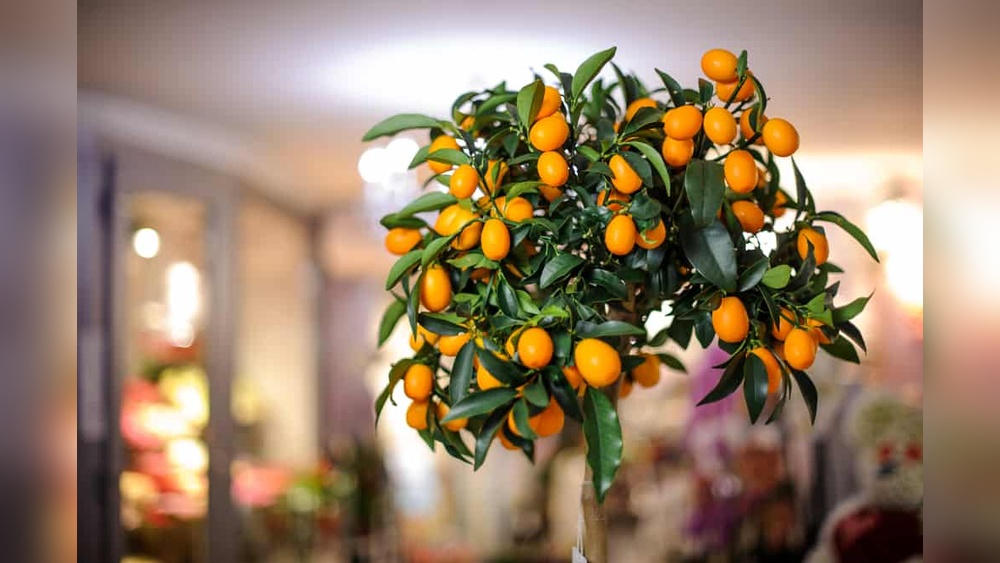
Lemon, lime, and calamondin orange trees are perfect for indoor growth. They need bright light and well-drained soil. Citrus trees add a fresh scent and colorful fruits to your home.
Strawberry Plants
Strawberries grow well in containers with good drainage. They need direct sunlight and moist soil. Indoor strawberry plants offer fresh berries for snacks or desserts.
Banana Plants
Dwarf banana plants suit indoor spaces and produce small bananas. They require warmth, humidity, and bright light. These plants create a tropical feel inside your home.
Guava Plants
Guava plants adapt well to pots and indoor settings. They need sunlight and regular watering. Guavas provide tasty fruits and can grow into attractive shrubs indoors.
Top Easy-to-grow Fruits
Growing fruit plants indoors in Florida offers a great way to enjoy fresh produce year-round. Some fruits need less care and still produce delicious results. These easy-to-grow fruits adapt well to indoor environments and Florida’s warm, humid climate. They fit perfectly in homes with limited space and provide a satisfying gardening experience.
Mulberries
Mulberries grow fast and need little care. They thrive indoors with bright light and regular watering. These trees produce sweet, juicy berries that ripen in spring and summer. Mulberry plants stay small and fit well in pots. Their leaves also attract beneficial insects, helping keep your indoor garden healthy.
Guavas
Guava plants are perfect for indoor growing in Florida. They require moderate watering and plenty of sunlight. Guava fruits have a unique flavor and high vitamin content. These plants tolerate humidity well and grow steadily in containers. Guavas bloom several times a year, giving you fresh fruit often.
Pineapples
Pineapples are low-maintenance and grow well indoors. They need bright, indirect light and minimal watering. Pineapple plants take time to fruit but reward patience with sweet, tropical flavor. Their spiky leaves add a decorative touch to any room. Growing pineapples indoors also keeps pests away.
Blueberries
Blueberries, especially rabbit eye varieties, adapt well to indoor conditions. They require acidic soil and consistent moisture. These berries are rich in antioxidants and taste great fresh or in recipes. Blueberry bushes stay compact and fit in small spaces. They produce fruit in late spring to early summer, brightening your home garden.
Mulberry Varieties And Benefits
Mulberries are a popular choice for indoor fruit plants in Florida. They adapt well to indoor conditions and produce delicious fruits. These trees come in several varieties, each with unique features. Growing mulberries indoors lets you enjoy fresh fruit year-round.
Mulberries also offer health benefits. They are rich in vitamins, antioxidants, and fiber. This makes them a nutritious addition to any diet. Their ease of care suits beginner gardeners and experts alike.
Sweet And Tart Flavors
Mulberry varieties differ in taste. Some have a sweet flavor, perfect for fresh eating or desserts. Others offer a tart taste, ideal for jams and sauces. You can choose a variety based on your flavor preference. This variety adds diversity to your indoor garden.
Fast Crop Production
Mulberries grow quickly indoors. Many varieties produce fruit within the first year. This fast production gives early rewards to growers. Regular pruning helps maintain healthy growth and better yields. Fast fruiting makes mulberries a practical choice for indoor gardening.
Guava Growth Tips
Guava plants bring sweet, tropical flavor right into your home. Growing guava indoors needs some care. Knowing the right tips helps these plants thrive and produce fruit. This guide covers key points to help your guava grow strong and healthy.
Climate Adaptability
Guava plants prefer warm temperatures between 65°F and 85°F. They do well in Florida’s humid environment, making them a good indoor choice. Keep them away from cold drafts or sudden temperature drops. Bright, indirect sunlight suits guava best. Place your plant near a window with filtered light. Maintain soil moisture but avoid waterlogging. Good drainage helps prevent root rot. Regular misting can boost humidity around the plant, simulating its natural tropical habitat.
Fruit Fly Protection
Fruit flies can harm guava crops indoors. These pests lay eggs inside the fruit, causing damage. Use fine mesh screens over windows to keep flies out. Remove any fallen or overripe fruit promptly. You can also set traps using vinegar and soap mixtures. Avoid excess moisture on the plant leaves to reduce fly attraction. Healthy, pest-free plants produce better fruit with less damage. Regularly inspect your guava for early signs of infestation.
Pineapple Planting Guide
Pineapples make a great indoor fruit plant in Florida. They are tropical and add a bright touch to your home. Growing pineapples indoors needs care but is rewarding. This guide shows how to start and when to expect fruit.
Follow simple steps to grow your pineapple plant from a store-bought fruit. Learn how long it takes to bear fruit. Pineapples need warmth, light, and patience to thrive indoors.
Starting From Store-bought Tops
Begin by cutting the top of a fresh pineapple. Remove extra fruit flesh to avoid rot. Let the top dry for a day to form a callus. Plant the top in well-draining soil. Use a pot with drainage holes for best results.
Keep the soil moist but not wet. Place the pot in a warm, sunny spot. Roots will form in about 2 to 4 weeks. Avoid direct harsh sunlight at first to prevent leaf burn. New leaves will grow, showing your plant is healthy.
Time To Fruit
Pineapple plants take time to produce fruit indoors. Expect fruit to form after 18 to 24 months. Flowering signals fruit development. To encourage flowering, keep the plant warm and give it bright light.
Maintain steady watering and feed with a balanced fertilizer monthly. Be patient; indoor pineapples grow slower than outdoor ones. With care, you can enjoy fresh pineapple from your own plant.

Credit: resprout.com
Blueberry Varieties For Florida
Blueberries grow well indoors in Florida’s warm climate. Selecting the right variety helps you enjoy fresh berries year-round. Some types handle Florida’s heat better than others. Focus on varieties that adapt to indoor conditions and local weather. These blueberries can thrive in pots and small spaces.
Rabbit Eye Types
Rabbit Eye blueberries are native to the Southeast. They tolerate heat and humidity better than other types. These bushes produce large, sweet berries. Popular Rabbit Eye varieties include ‘Climax’, ‘Premier’, and ‘Tifblue’. They need acidic soil and moderate watering. These types do well indoors with enough sunlight.
Evergreen Options
Evergreen blueberry plants keep their leaves year-round. They add greenery to your indoor space. These plants also produce fruit in warm climates. ‘Myrtle’ and ‘Sunshine Blue’ are common evergreen types. They adapt well to Florida’s indoor environment. Evergreen blueberries prefer well-drained soil and regular light. They are easy to maintain and fruit consistently.
Additional Fruit Plant Choices
Exploring additional fruit plant choices can expand your indoor garden. These plants thrive indoors in Florida’s warm climate. They bring fresh, healthy fruits right to your home. Choose plants that fit your space and care routine. Here are some excellent options to consider.
Figs
Fig trees adapt well to indoor settings. They need bright, indirect sunlight to grow strong. Figs produce sweet, soft fruits that taste delicious fresh. These trees prefer well-draining soil and moderate watering. Prune them to keep size manageable and encourage fruiting.
Bananas
Banana plants add a tropical feel inside your home. They require plenty of light and warmth to thrive. Indoor bananas grow best in large containers with rich soil. Water them regularly but avoid soggy conditions. Bananas produce fruit in about 9 to 12 months.
Papayas
Papaya plants bring exotic flavor to indoor gardens. They need bright light and consistent warmth for fruit development. Use a deep pot with well-draining soil for best results. Papayas grow quickly and produce large, sweet fruits. Proper care ensures a healthy and productive plant.
Credit: fafard.com
Choosing The Right Indoor Setup
Setting up the right indoor environment helps Florida fruit plants grow strong. It affects their health, fruit quality, and growth speed. Indoor plants need specific care to thrive inside homes or apartments. Understanding the key factors for their setup is essential for success.
Light Requirements
Most indoor fruit plants need bright, indirect sunlight. Placing them near south or west-facing windows works well. Too much direct sun can burn leaves. Too little light slows growth and reduces fruit. Use grow lights if natural light is weak or limited. Aim for 8-12 hours of light daily for best results.
Humidity And Temperature
Florida fruit plants prefer warm and humid conditions indoors. Keep temperatures between 65°F and 80°F. Avoid cold drafts or sudden temperature changes. Humidity should stay around 50-60 percent. Use a humidifier or mist plants to raise humidity. This prevents dry leaves and helps fruit develop fully.
Potting And Soil Tips
Choose pots with drainage holes to prevent water buildup. Use well-draining soil mixes rich in organic matter. A mix of peat, perlite, and compost works well. Repot plants every 1-2 years to refresh soil and avoid root crowding. Water plants when the top inch of soil feels dry. Overwatering can cause root rot, so balance moisture carefully.
Common Pests And Solutions
Indoor fruit plants in Florida face common pest problems. These pests can damage leaves, stems, and fruits. Early detection and treatment keep your plants healthy. Understanding the pests helps find the best solutions.
Fruit Flies
Fruit flies are small and fast. They lay eggs on ripe or rotting fruit. Larvae feed on the fruit, causing decay. You may notice tiny flies buzzing around your plants.
Keep your fruit clean and remove fallen pieces. Use traps with apple cider vinegar to catch adult flies. Regularly check plants and clean the area to prevent infestation.
Aphids And Scale
Aphids are tiny, soft-bodied insects. They cluster on new growth and suck plant juices. Scale insects look like small bumps on stems and leaves. Both pests weaken plants and cause yellowing leaves.
Spray plants with water to remove aphids. Use insecticidal soap for heavy infestations. For scale, gently scrape them off or apply horticultural oil to suffocate them.
Natural Remedies
Natural remedies are safe and effective for indoor fruit plants. Neem oil works well against many pests. Mix with water and spray on affected areas.
Introduce beneficial insects like ladybugs to control aphids. Use garlic or chili pepper spray as a natural repellent. Keep plants healthy to resist pests better.

Credit: www.purewow.com
Maintenance For Lush Growth
Maintaining indoor fruit plants in Florida demands consistent care. Healthy habits ensure strong roots and abundant fruit. Proper maintenance helps plants resist pests and diseases. Follow simple steps to keep plants vibrant and productive year-round.
Watering Schedules
Water indoor fruit plants regularly but avoid overwatering. Check soil moisture with your finger before watering. Most plants prefer the top inch of soil to dry out between waterings. Use room temperature water for best absorption. Adjust watering frequency with seasonal changes and plant size.
Fertilizing Tips
Feed plants with balanced, slow-release fertilizer every 6 to 8 weeks. Choose fertilizers rich in nitrogen, phosphorus, and potassium. Use organic options like compost or fish emulsion for gentle nutrition. Follow package instructions to prevent fertilizer burn. Stop fertilizing during dormancy to allow rest.
Pruning Techniques
Prune plants to remove dead or damaged branches. Use clean, sharp scissors or pruning shears for precise cuts. Trim to shape plants and encourage new growth. Prune after fruiting season to avoid stressing the plant. Regular pruning improves air circulation and light penetration.
Frequently Asked Questions
What Is The Easiest Fruit To Grow In Florida?
The easiest fruits to grow in Florida are mulberries, guavas, and pineapples. These fruits thrive in Florida’s humid climate with minimal care. Mulberries produce quickly, guavas tolerate poor soil, and pineapples grow well from tops. Rabbit eye blueberries also grow easily and require low maintenance.
What Is The Best Fruit Plant To Grow Indoors?
The best fruit plants to grow indoors include dwarf citrus trees, like calamondin orange and key lime. They thrive in pots with bright light and produce fruit year-round. Miracle berry and dwarf banana plants also grow well indoors with proper care.
What Are Good Indoor Plants In Florida?
Good indoor plants in Florida include snake plants, pothos, spider plants, peace lilies, and tropical fruit trees like citrus and guava. These plants thrive indoors with Florida’s humidity and light conditions, require low maintenance, and improve air quality. Choose varieties suited for bright, indirect light.
What Grows Well In Florida Heat?
Mulberries, guavas, pineapples, and rabbit eye blueberries grow well in Florida heat. These fruits thrive with minimal care and tolerate humidity.
Conclusion
Choosing the right indoor fruit plants can brighten any Florida home. These plants grow well inside and offer fresh fruit year-round. Mulberries, guavas, and pineapples need little care and thrive in Florida’s warm, humid climate. Growing your own fruit indoors saves money and adds natural beauty.
Start with easy plants to build your confidence and enjoy the harvest. Healthy fruit plants bring joy and a touch of nature indoors. Your indoor garden can become a relaxing, fruitful space for everyone.