If you want your Florida garden to burst with vibrant colors and healthy blooms, knowing the best time to plant bulbs is key. Planting bulbs at the right moment can make all the difference between a garden that thrives and one that struggles.
Since Florida’s climate is unique, your planting schedule should be too. You’ll discover the perfect timing for planting bulbs in Florida, tailored to your region and the types of bulbs you want to grow. Keep reading, and you’ll learn how to give your garden the best start possible, ensuring you enjoy beautiful flowers season after season.
Florida Bulb Varieties
Florida’s warm climate supports a unique range of bulb varieties. Bulbs that thrive here differ from those in cooler regions. Choosing the right bulbs ensures a colorful and healthy garden. Understanding which bulbs suit Florida’s conditions helps you plan your planting schedule effectively.
Tropical And Subtropical Bulbs
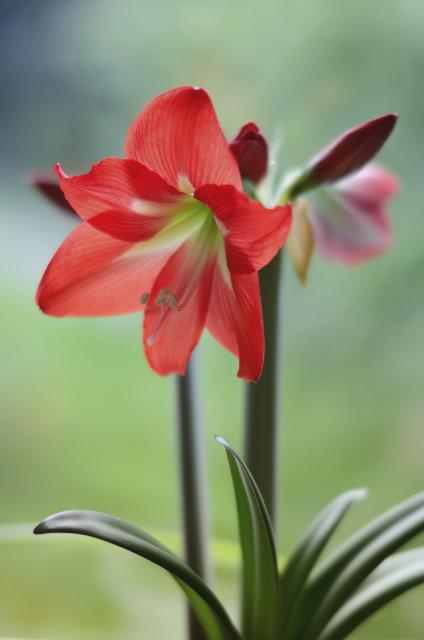
Florida’s climate suits tropical and subtropical bulbs perfectly. These bulbs grow well in warm temperatures and humid conditions. Examples include amaryllis, caladiums, and canna lilies. They bloom beautifully during Florida’s long growing season. Plant these bulbs in spring or early summer for best results.
Bulbs Not Suited For Florida
Some bulbs struggle in Florida’s heat and humidity. Traditional spring-flowering bulbs like tulips and daffodils often fail here. They need a cold period that Florida does not provide. Avoid planting these bulbs unless you use special chilling methods. Instead, focus on bulbs adapted to warmer climates.
Popular Choices For Vibrant Gardens
Many bulbs flourish in Florida and bring vibrant colors to gardens. Some popular choices are gladiolus, dahlias, and spider lilies. These bulbs offer bright blooms and long-lasting flowers. Plant them in well-drained soil with plenty of sunlight. These varieties are easy to grow and maintain in Florida’s gardens.

Credit: wickedtulips.com
Optimal Planting Seasons
Choosing the right season to plant bulbs in Florida impacts their growth and bloom. The state’s warm climate allows flexibility in planting times. Each season offers unique benefits for different bulb types. Understanding these optimal planting seasons helps gardeners achieve vibrant, healthy flowers year-round.
Spring Planting Tips
Spring is ideal for planting summer-blooming bulbs in Florida. Plant bulbs like caladiums and dahlias after the last frost date. Ensure the soil is warm and well-drained. Water the bulbs regularly but avoid overwatering. Plant bulbs in sunny or partly shaded spots for best results.
Summer Planting Considerations
Summer planting suits tropical bulbs that thrive in heat. Choose bulbs such as cannas and elephant ears. Plant them in moist, rich soil with good drainage. Provide shade during the hottest part of the day. Keep watering consistent to prevent the soil from drying out.
Fall Planting Advantages
Fall is perfect for cool-season bulbs like amaryllis and rain lilies. The cooler temperatures help bulbs establish roots before blooming. Plant bulbs in well-drained soil with some organic matter. Water bulbs after planting to settle the soil. Fall planting leads to vibrant blooms in winter or early spring.
Regional Planting Differences
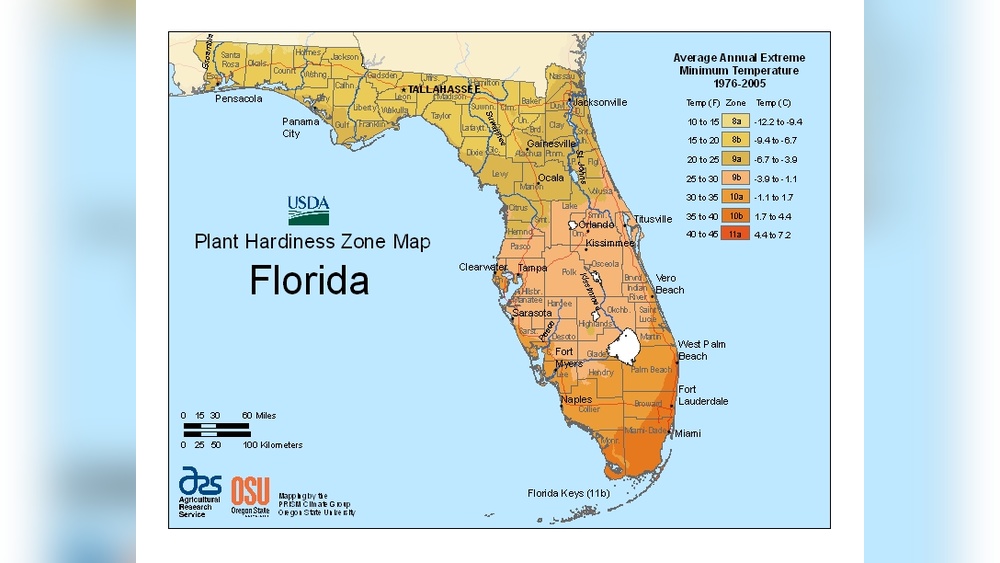
Planting bulbs in Florida requires attention to regional differences. The state’s climate varies from north to south. These variations affect the best time to plant bulbs. Understanding local conditions helps bulbs thrive and bloom beautifully. Below is a guide to planting bulbs across Florida’s regions.
North Florida Climate Impact
North Florida experiences cooler winters than the rest of the state. Bulbs need a chilling period to bloom well here. Plant bulbs in late fall or early winter. This timing allows bulbs to establish roots before colder weather. Common bulbs for this area include daffodils and tulips. The cooler climate supports a traditional bulb growing season.
Central Florida Conditions
Central Florida has mild winters and hot, humid summers. Bulbs can be planted from late fall through early spring. The moderate climate helps bulbs grow steadily without extreme cold. Choose bulbs like amaryllis and rain lilies. These bulbs tolerate heat and humidity better. Timing planting before the rainy season improves bulb growth.
South Florida Growing Seasons
South Florida has a tropical climate with warm winters and hot summers. Some bulbs do not need chilling here. Plant bulbs in fall or winter to avoid summer heat stress. Bulbs such as caladiums and crinum lilies do well in this region. The warm climate allows for multiple planting seasons per year. Proper watering is crucial due to the intense heat.
Credit: nwdistrict.ifas.ufl.edu
Sunlight And Soil Needs
Sunlight and soil are vital for healthy bulb growth in Florida’s unique climate. Bulbs need enough light to produce energy and bloom well. Soil quality affects root development and moisture retention. Choosing the right spot with proper light and soil can boost bulb success.
Choosing The Right Location
Select a place with full sun or partial shade. Most bulbs prefer at least six hours of sunlight daily. Avoid heavy shade areas that limit flower production. Ensure the site is protected from strong winds to prevent damage. A well-lit spot encourages strong stems and vibrant blooms.
Soil Preparation Steps
Start by loosening the soil to a depth of 8 to 12 inches. Remove rocks, weeds, and debris for easier root growth. Mix in organic matter like compost or peat moss to improve texture. Well-prepared soil helps bulbs establish roots quickly and absorb nutrients effectively.
Improving Drainage And Fertility
Good drainage prevents bulbs from rotting in Florida’s wet climate. Add sand or fine gravel to heavy clay soils to boost drainage. Test soil fertility and add balanced fertilizer if needed. A nutrient-rich, well-drained soil promotes healthy growth and vibrant flowers.
Planting Techniques
Planting bulbs in Florida requires specific techniques for the best growth. Proper planting helps bulbs establish roots and bloom beautifully. Following correct methods ensures healthy plants and vibrant flowers.
Depth And Spacing Guidelines
Plant bulbs at a depth about two to three times their height. For example, a 2-inch bulb should be planted 4 to 6 inches deep. Space bulbs about 3 to 6 inches apart to allow room for growth. Crowding bulbs can reduce airflow and increase disease risk. Follow these simple rules for strong root development and healthy blooms.
Watering Practices
Water bulbs immediately after planting to settle the soil. Keep the soil moist but not soggy during the growing season. Avoid overwatering, which can cause bulbs to rot. Water deeply once a week if rain is scarce. Proper watering helps bulbs grow strong roots and encourages flowering.
Mulching Benefits
Apply a 2 to 3-inch layer of mulch around planted bulbs. Mulch helps retain soil moisture and keeps the soil temperature stable. It also reduces weed growth, which competes with bulbs for nutrients. Organic mulch like pine bark or straw works well in Florida gardens. Mulching supports healthy bulb growth and improves flower production.
Caring For Bulbs After Planting
Caring for bulbs after planting is crucial to ensure healthy growth and vibrant blooms. Proper care helps bulbs establish strong roots and survive Florida’s unique climate. Pay attention to watering, fertilizing, and pest control to keep bulbs thriving.
Watering Schedules
Water bulbs immediately after planting to settle the soil. Maintain consistent moisture during growth but avoid overwatering. Check soil regularly; it should be moist but not soggy. Reduce watering once leaves start to yellow and die back naturally.
Fertilizing Tips
Use a balanced, slow-release fertilizer at planting time. Apply fertilizer again in early spring as new growth appears. Avoid high nitrogen fertilizers to prevent excessive leaf growth. Follow package instructions to avoid over-fertilizing, which can harm bulbs.
Pest And Disease Management
Inspect bulbs regularly for signs of pests like aphids or bulb mites. Remove damaged leaves and bulbs promptly to prevent spread. Use insecticidal soap or neem oil for pest control. Ensure good air circulation to reduce fungal diseases. Avoid planting bulbs in wet, poorly drained areas.
Dealing With Florida’s Climate Challenges
Florida’s climate poses unique challenges for planting bulbs. The heat, humidity, hurricanes, and occasional cold snaps require special care. Understanding these factors helps ensure bulbs thrive.
Choosing the right planting time and methods can protect bulbs from stress. Gardeners must adapt to the environment for the best results.
Handling Heat And Humidity
Florida’s heat and humidity can cause bulbs to rot or dry out. Plant bulbs in well-drained soil to avoid water buildup. Mulch around bulbs to keep soil cool and moist. Water bulbs early in the morning to reduce fungal growth. Select bulb varieties that handle heat and humidity well, such as caladiums and amaryllis.
Preparing For Hurricane Season
Hurricanes bring heavy rain and strong winds that can damage bulbs. Plant bulbs in raised beds or mounds to improve drainage. Secure loose mulch and garden materials before storms. Avoid planting bulbs just before hurricane season starts. After storms, check for soil erosion and replant if needed.
Managing Unexpected Cold Snaps
Cold snaps can harm bulbs that are not frost-tolerant. Cover bulbs with frost cloth or old blankets during cold nights. Use mulch to insulate soil and protect roots. Choose bulbs that survive mild freezes, like tulips or daffodils bred for warmer climates. Monitor weather forecasts and act quickly to shield vulnerable plants.
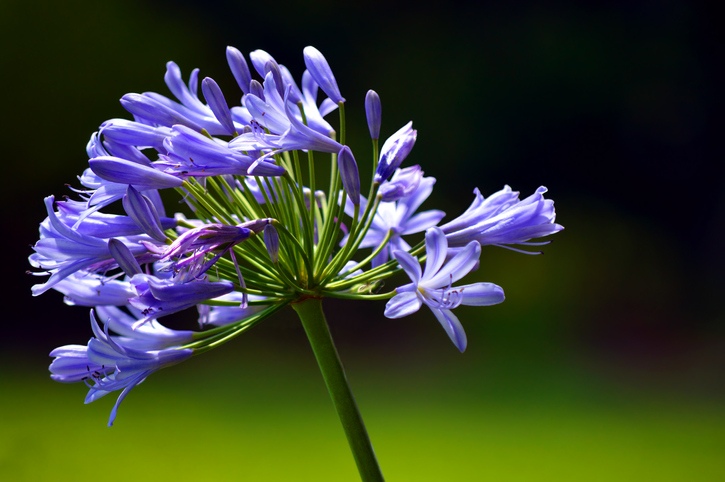
Credit: floridafarmbureau.com
Extending Bloom Time
Extending bloom time in Florida gardens brings longer enjoyment and vibrant colors. Bulbs planted at different times and varieties ensure a steady display of flowers. Proper care keeps blooms healthy and lasting. This section explores methods to stretch the blooming period for bulbs in Florida.
Staggered Planting
Plant bulbs in stages to create continuous blooms. Start with early-blooming bulbs, then add mid- and late-season varieties. This spreads flowering times across weeks or months. Staggered planting avoids a single, short bloom period. It brings freshness to your garden for longer.
Choosing Varieties With Different Bloom Times
Select bulbs that bloom at different times naturally. Some varieties flower in early spring, others in summer or fall. Combining these types extends color in the garden. Examples include daffodils, lilies, and gladiolus. Match varieties to Florida’s climate for best results.
Maintenance For Prolonged Vibrancy
Feed bulbs with balanced fertilizer to support strong blooms. Water regularly but avoid soggy soil to prevent rot. Remove spent flowers to encourage new buds. Mulch helps keep soil temperature stable and retains moisture. Proper maintenance keeps flowers bright and healthy longer.
Common Mistakes To Avoid
Planting bulbs in Florida brings many rewards, but mistakes can harm your garden. Avoiding common errors ensures healthy blooms and vibrant colors. Pay close attention to timing, soil, and watering habits. These factors affect bulb growth deeply.
Planting Too Early Or Late
Planting bulbs too early can cause rot before roots develop. Too late planting limits root growth and flowering. In Florida, bulbs usually do well when planted in fall or early winter. This timing helps bulbs adjust to cooler soil and start growing strong roots. Watch local weather for the best moment.
Ignoring Soil Conditions
Soil quality affects bulb health greatly. Heavy clay or poorly drained soil can drown bulbs. Bulbs need loose, well-draining soil to grow well. Test soil and add sand or organic matter if needed. Good soil lets roots breathe and prevents diseases. Always prepare the bed before planting.
Overwatering And Underwatering
Watering bulbs needs balance. Too much water can rot bulbs quickly. Too little water stops root growth and weakens plants. After planting, water bulbs lightly to settle soil. Then, water only when soil feels dry. Proper watering helps bulbs grow strong and bloom beautifully.
Tools And Supplies Checklist
Preparing to plant bulbs in Florida requires having the right tools and supplies. This checklist helps make the planting process smooth and successful. Proper tools, soil amendments, and pest control products improve bulb growth and health. Use this guide to get everything ready before planting season starts.
Essential Gardening Tools
Start with basic gardening tools. A hand trowel helps dig small holes for bulbs. A garden fork loosens soil for better root growth. Use gloves to protect hands from dirt and sharp objects. A watering can or hose is necessary for watering bulbs after planting. A garden kneeler or pad reduces strain on knees.
Soil Amendments And Fertilizers
Florida soil often needs improvement for bulb planting. Add organic compost to increase soil nutrients. Use peat moss to improve soil texture and moisture retention. Bone meal is a good natural fertilizer for bulbs. Apply balanced bulb fertilizer with phosphorus to boost root development. Mix amendments well into the soil before planting.
Pest Control Products
Pests can harm bulbs before and after planting. Use insecticidal soap to control soft-bodied insects. Apply neem oil for natural pest protection. Granular slug bait protects bulbs from slugs and snails. Check plants regularly for signs of pest damage. Early pest control helps bulbs grow strong and healthy.
Frequently Asked Questions
When Should You Plant Bulbs In Florida?
Plant bulbs in Florida during spring, summer, or fall, depending on the bulb type and local climate conditions. Choose sun to partial sun locations for best growth.
What Can I Plant In October In Florida?
In October, plant cool-season crops like lettuce, kale, spinach, carrots, radishes, broccoli, cauliflower, and cabbage across Florida. South Florida can also start warm-weather crops and strawberries. Start seeds indoors for brassicas or sow root vegetables directly in the soil for best results.
Is October Too Late To Plant Shrubs?
October is not too late to plant shrubs in most regions. Planting early fall allows roots to establish before winter. Choose hardy varieties and water regularly for best growth. Avoid planting in freezing temperatures to prevent stress and damage.
What Are The Best Bulbs To Plant In October?
The best bulbs to plant in October include tulips, daffodils, crocuses, hyacinths, and snowdrops. Plant in well-drained soil with full or partial sun for vibrant spring blooms.
Conclusion
Planting bulbs in Florida needs timing based on bulb type and region. Spring, summer, or fall works for different bulbs. Choose sunny or partly sunny spots for best growth. Knowing local climate helps bulbs thrive and bloom well. Follow simple planting steps to enjoy colorful flowers.
Watch your garden bloom with the right bulb and timing. Start planting bulbs at the right time to brighten your yard. Happy gardening brings beauty and joy to your Florida home.