Choosing the best grass to grow in Central Florida can be confusing. You want a lawn that looks great, stays green, and handles the Florida heat and humidity without constant care.
But which grass will thrive in your yard’s unique conditions? Whether your lawn gets plenty of sun or has shaded spots, the right grass makes all the difference. You’ll discover the top grass types that suit Central Florida’s climate perfectly.
By the end, you’ll know exactly which grass to plant to enjoy a healthy, beautiful lawn year-round with less hassle. Keep reading to find out how to transform your outdoor space into the lush, green paradise you’ve been dreaming of.
Climate And Soil In Central Florida
Central Florida features a unique climate and soil mix that directly impacts grass growth. Understanding these factors helps in choosing the right grass type. The region experiences warm temperatures and high humidity year-round. This creates both opportunities and challenges for lawn care.
The soil in Central Florida varies, often sandy with low organic matter. Proper soil preparation is essential for healthy grass. Selecting grass suited to this climate and soil will result in a lush, green lawn that thrives naturally.
Heat And Humidity Challenges
Central Florida’s heat stays intense through most of the year. Summers bring high humidity, which can stress many grass types. Heat stress causes grass to lose color and grow slower. High humidity also encourages fungal diseases.
Grass that can handle heat and moisture is ideal. Varieties with deep root systems survive dry spells better. They also recover quickly from heat damage. Choosing heat- and humidity-tolerant grass reduces lawn problems and maintenance needs.
Soil Types And Preparation
Central Florida soil is mostly sandy and drains quickly. This means it holds little water and nutrients. Without amendments, grasses may struggle to grow strong roots.
Adding organic matter like compost improves soil structure. It helps retain moisture and nutrients for grass roots. Testing soil pH guides correct adjustments. Most grasses prefer a slightly acidic to neutral pH.
Proper soil preparation ensures the lawn starts healthy. It supports grass growth through dry and wet seasons. Well-prepared soil promotes a thick, green lawn that resists weeds and disease.
Top Grass Types For Central Florida
Choosing the right grass for Central Florida means understanding the local climate. The region’s warm temperatures and humidity influence grass growth. Selecting grasses suited for heat and occasional drought helps maintain a healthy lawn. Several grass types thrive well here, each with unique features. Below are the top grass types ideal for Central Florida lawns.
Bahiagrass Benefits
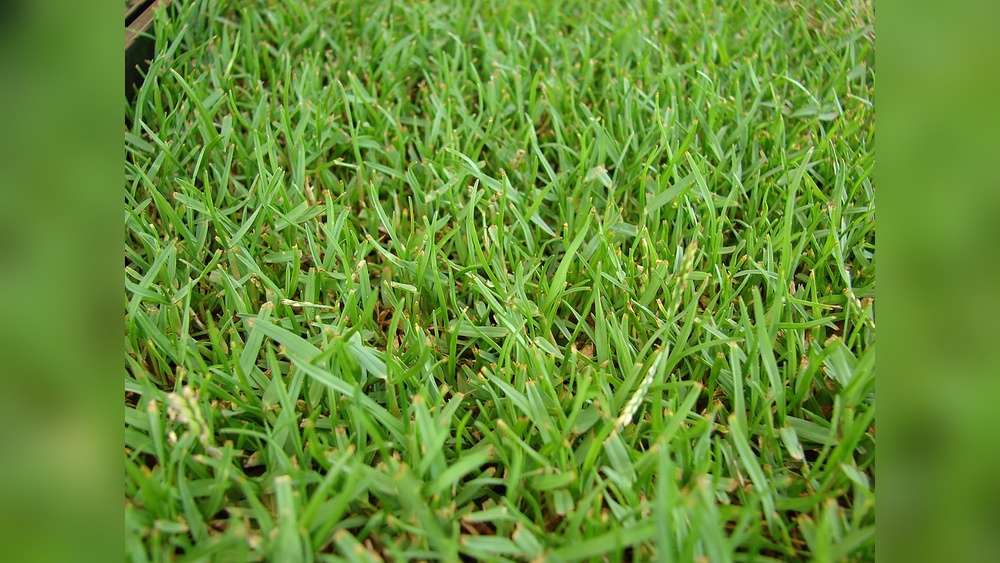
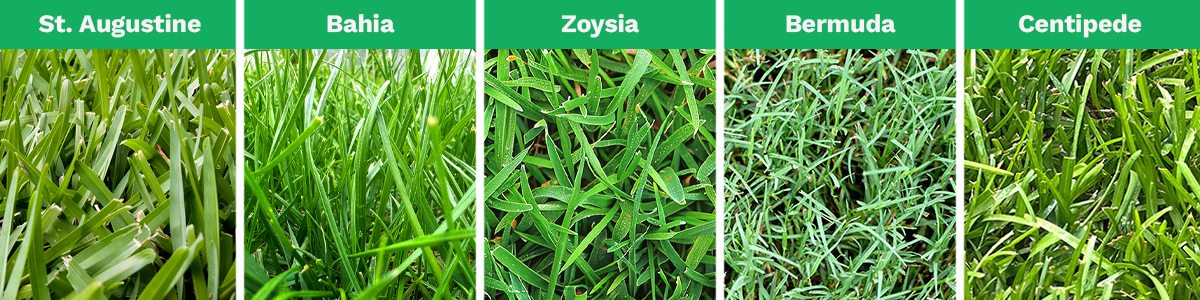
Bahiagrass is tough and grows well in sandy soils. It handles heat and drought very well. This grass needs little watering and fertilizer. Its deep roots prevent soil erosion effectively. Bahiagrass forms a dense carpet that crowds out weeds. It also tolerates heavy foot traffic nicely. This grass suits low-maintenance lawns and large areas.
Centipede Grass Features
Centipede grass has a light green color and fine texture. It grows slowly, which means less mowing. This grass prefers acidic soils common in Florida. It needs moderate watering and fertilizing. Centipede grass resists heat and humidity well. It does not handle heavy traffic or shade as well. Ideal for homeowners wanting a soft, easy-care lawn.
Zoysia Grass Strengths
Zoysia grass is dense and durable with a rich green color. It tolerates heat, drought, and some shade. Zoysia recovers well from wear and tear. It requires less water compared to other grasses. This grass controls weeds naturally by thick growth. It grows slowly but forms a strong lawn. Best for yards with kids or pets playing often.
St. Augustine Grass Qualities
St. Augustine grass has broad leaves and a lush look. It thrives in warm, humid climates like Florida. This grass prefers partial shade but also grows in sun. It spreads quickly, filling bare spots fast. St. Augustine needs more water and fertilizer to stay green. It is sensitive to cold but resists heat well. Perfect for homeowners who want a thick, green lawn.
Zoysia Vs St. Augustine
Choosing between Zoysia and St. Augustine grass is a common question for Central Florida homeowners. Both grasses suit the warm climate but have distinct traits. Understanding their differences helps in picking the best lawn for your needs and environment.
Durability And Maintenance
Zoysia grass is very tough and handles heavy foot traffic well. It recovers slowly but stands up to wear better than St. Augustine. Zoysia needs less frequent mowing and fertilizer. St. Augustine grows quickly but is less durable under constant use. It requires more care to keep a healthy look.
Shade And Water Tolerance
St. Augustine thrives in shaded areas, making it ideal for yards with many trees. It tolerates moderate shade better than Zoysia. Zoysia prefers full sun and can struggle in deep shade. Both grasses need regular watering, but Zoysia is more drought tolerant. It can survive dry periods by going dormant.
Pest And Disease Resistance
Zoysia resists many pests, including chinch bugs, which often attack St. Augustine. It also faces fewer disease problems. St. Augustine is more vulnerable to pests and fungal diseases. Proper lawn care reduces risks for both grasses but Zoysia has a natural edge in pest resistance.
Growth Rate And Appearance
St. Augustine grows faster and fills in bare spots quickly. It has wide, flat blades giving a lush, dense look. Zoysia grows slower and spreads with fine, soft blades. It creates a thick, carpet-like lawn that feels firm underfoot. Appearance depends on personal preference and lawn use.
Credit: www.outsidepride.com
Selecting Grass For Specific Yard Conditions
Selecting the right grass type for your yard in Central Florida depends on specific conditions. Different areas in your yard may need grass that handles wear, shade, drought, or soil type. Choosing grass suited for these conditions helps maintain a healthy, green lawn year-round.
High Traffic Areas
Lawns with heavy foot traffic require tough, durable grass. Zoysia grass stands out for its wear tolerance. It recovers quickly from damage and withstands constant use. Bermuda grass is another strong option. Both grasses handle Central Florida’s heat well. They keep your yard looking good despite frequent activity.
Shady Spots
Shady areas need grass that grows with less sunlight. St. Augustine grass thrives in shade and warmth. It tolerates low light better than most grasses. Palmetto and Raleigh varieties of St. Augustine work well. They provide dense, green coverage under trees and porch shadows. Avoid grasses needing full sun in these spots.
Drought-prone Lawns
Drought-prone lawns need grasses that survive dry spells. Bahiagrass is excellent for dry conditions. It requires less water and stays green during droughts. Centipede grass also performs well with limited irrigation. Both grasses reduce watering needs and keep your yard healthy in dry seasons.
Clay And Sandy Soils
Soil type affects grass growth in Central Florida. Clay soils hold moisture but drain poorly. Bahia and Zoysia grasses tolerate clay soils well. Sandy soils drain quickly and need grasses that handle dryness. Centipede and Bermuda grasses adapt to sandy soils easily. Choosing grass for your soil improves lawn health and growth.
Grass Care Tips For Central Florida
Maintaining a healthy lawn in Central Florida requires special care. The climate is warm and humid, which affects grass growth and health. Proper grass care keeps your lawn green and lush throughout the year.
Understanding watering, mowing, fertilization, and pest control helps your grass thrive. Follow these simple tips for a beautiful lawn in Central Florida.
Watering Strategies
Water your lawn early in the morning. This reduces evaporation and fungal growth. Aim for about 1 inch of water per week. Use a sprinkler system or hose to water evenly. Avoid watering in the heat of the day. This wastes water and can stress the grass.
During rainy seasons, reduce watering to prevent overwatering. Overwatering can cause root rot and weed growth.
Mowing Guidelines
Keep your mower blades sharp for clean cuts. Mow your lawn regularly, about once a week. Set the mower height between 2 and 3 inches. Taller grass shades roots and reduces weed growth. Never cut more than one-third of the grass blade at once. This avoids stressing the grass and helps it recover faster.
Fertilization Schedules
Fertilize your grass 3 to 4 times a year. Use a slow-release fertilizer for steady growth. Apply fertilizer in early spring, late spring, summer, and fall. Avoid fertilizing in winter when grass growth slows. Follow product instructions for proper amounts. Over-fertilizing can burn grass and pollute water.
Pest And Disease Management
Inspect your lawn regularly for pests and diseases. Common pests in Central Florida include chinch bugs and sod webworms. Use insecticides only when necessary and follow label directions. Remove dead grass and debris to reduce disease risk. Aerate soil to improve air and water flow. Healthy grass is better able to resist pests and diseases.
Credit: www.lawnstarter.com
Where To Buy Quality Grass Seed
Finding quality grass seed is key for a healthy lawn in Central Florida. Good seed ensures strong growth and better resistance to heat and pests. Knowing where to buy reliable grass seed saves time and money.
Local Garden Centers
Local garden centers offer grass seed suited for Central Florida’s climate. Staff can provide advice on the best types of grass for your lawn. You can see the product before buying, ensuring seed freshness. Many centers stock popular varieties like Bahiagrass, Centipede, and Zoysia.
Online Retailers
Online stores provide a wide range of grass seeds with easy delivery. You can compare prices and read reviews before purchase. Trusted websites offer seeds with clear details on germination rates and care tips. Buying online lets you find specialized varieties not always in local stores.
Seed Varieties To Consider
Choose grass seed types that thrive in Central Florida’s warm, humid climate. Bahiagrass is drought-tolerant and low maintenance. Centipede grass grows well in sandy soil and requires less fertilizer. Zoysia grass handles foot traffic and tolerates heat but needs some shade. Pick seeds based on your lawn’s sun exposure and water availability.
Credit: www.lawnstarter.com
Frequently Asked Questions
What Type Of Grass Grows Best In Central Florida?
Bahiagrass and Centipede grass grow best in Central Florida. They tolerate heat, humidity, and drought well. Zoysia suits high-traffic areas, while St. Augustine thrives in shade but needs more care. Choose based on lawn conditions and maintenance preferences.
Which Grass Is Better, Zoysia Or St Augustine?
Zoysia suits sunny, high-traffic lawns with low maintenance and drought tolerance. St. Augustine thrives in shade, grows fast, and needs more care. Choose based on sunlight, foot traffic, and maintenance preferences.
When’s The Best Time To Plant Grass Seed In Central Florida?
The best time to plant grass seed in central Florida is late spring through early summer. Warm soil and consistent rain boost germination.
Can You Just Throw Grass Seed On The Ground And It Will Grow?
You cannot just throw grass seed on the ground and expect it to grow well. Prepare the soil, remove debris, spread seed evenly, and water regularly for best results.
Conclusion
Choosing the right grass helps your lawn thrive in Central Florida’s climate. Bahiagrass and Centipede grass suit hot, humid conditions well. Zoysia works best for heavy foot traffic and drought. St. Augustine fits shady areas and grows quickly. Consider your yard’s sunlight, water, and care needs.
Healthy grass creates a beautiful, durable lawn all year. Start with the best seed for your space. Your lawn will thank you with rich green color and strong growth. Simple steps lead to a great Central Florida lawn.