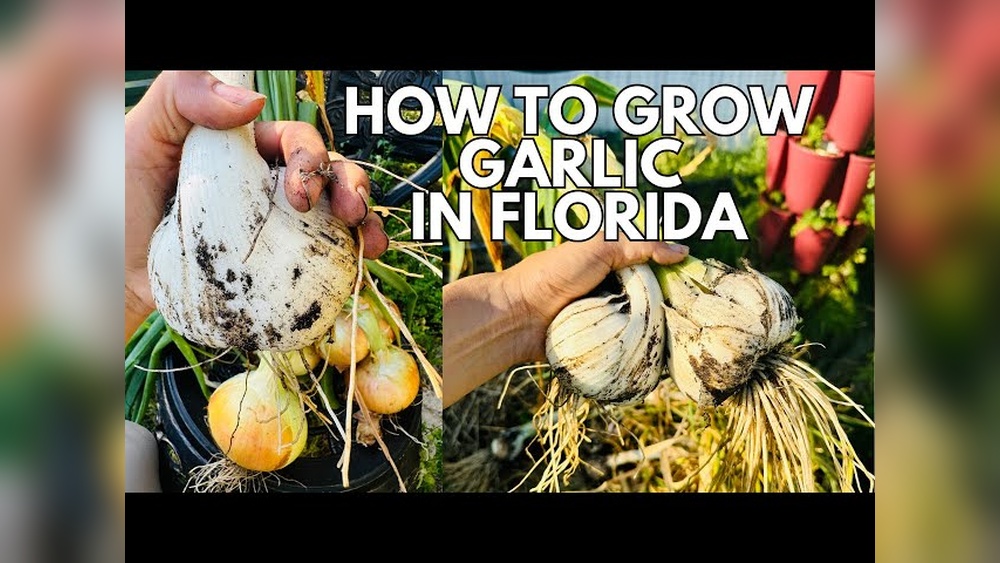
If you’re eager to grow garlic in Florida, choosing the right variety is key to your success. Garlic isn’t just a kitchen staple; it’s a rewarding crop that can thrive in your own garden—if you pick types suited for Florida’s warm climate.
You might wonder which garlic grows best under the hot sun and humid conditions. The secret lies in soft-neck varieties like Creole, Artichoke, and Asiatic, which handle Florida’s heat better than others. You’ll discover the best garlic types to plant, when to plant them, and simple tips to help your garlic flourish.
Ready to grow garlic that tastes great and grows strong? Let’s dive in!

Credit: www.wikihow.com
Top Garlic Types For Florida
Choosing the right garlic type ensures a strong harvest in Florida’s warm climate. Garlic varieties that handle heat and humidity grow best here. Soft-neck garlic types thrive without needing long cold periods. These varieties produce good bulbs and store well. Below are the top garlic types for Florida gardeners.
Soft-neck Varieties
Soft-neck garlic is ideal for Florida’s hot weather. It does not require cold winters to grow well. This type stores longer than hard-neck garlic. Soft-neck garlic has flexible stems, making it easier to braid. It adapts well to Florida’s humidity and soil conditions. Gardeners often choose soft-neck garlic for its reliability.
Creole Garlic
Creole garlic is a popular soft-neck variety in Florida. It has a rich flavor and colorful skins. This type handles heat very well and grows quickly. Creole garlic produces medium-sized bulbs with many cloves. It thrives in warm soils without needing cold treatment. Creole garlic adds a unique taste to dishes.
Artichoke Garlic
Artichoke garlic is another soft-neck type suited for Florida. It has large, plump bulbs with several cloves. This variety grows best in mild winters and warm springs. Artichoke garlic can handle Florida’s moisture and heat. It often produces high yields in home gardens. Its mild flavor suits many recipes.
Asiatic Garlic
Asiatic garlic performs well in Florida’s climate. It matures early and tolerates heat better than other types. Asiatic garlic has a strong, spicy flavor. Bulbs tend to be medium-sized with tightly packed cloves. This variety needs little to no cold exposure. Asiatic garlic is a favorite for those who like bold taste.

Credit: savvygardening.com
Why Soft-neck Suits Florida
Soft-neck garlic fits Florida’s warm and humid climate perfectly. It grows well without needing cold winters. This type handles Florida’s heat better than hard-neck garlic. Gardeners in Florida find it easier to grow and harvest soft-neck varieties.
Soft-neck garlic also stores longer, which helps home growers and sellers. Its growth cycle matches Florida’s seasons, making planting and harvesting smoother. Below are key reasons why soft-neck garlic suits Florida gardens.
Heat Adaptation
Soft-neck garlic tolerates Florida’s high temperatures well. It does not need cold weather to form bulbs. These garlic types continue to grow even in hot conditions. Their ability to thrive in heat makes them ideal for Florida’s climate.
Storage Benefits
Soft-neck garlic stores longer than other types. Its flexible stems help protect cloves during storage. This garlic stays fresh for months without sprouting. Longer storage means less waste and more use over time.
Growth Cycle
Soft-neck garlic has a growth cycle suited to Florida’s seasons. It requires less chilling time to develop bulbs. Planting in fall or early winter works best. The garlic matures before Florida’s hot summer arrives.
Best Planting Time
Timing is key for growing the best garlic in Florida. Planting at the right time ensures strong growth and healthy bulbs. Garlic needs cooler soil to start developing roots well.
In Florida, the best planting period is during the cooler months. This helps the garlic avoid heat stress and disease. Planning ahead helps you get the most from your garlic crop.
Fall Planting Window
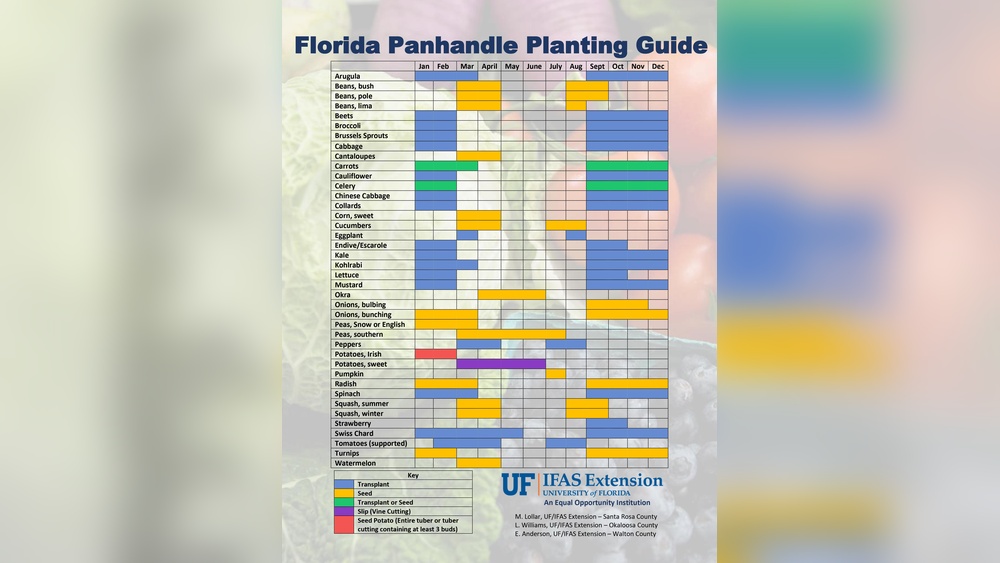
Plant garlic in Florida between late October and early December. This window gives garlic time to develop roots before winter. Soil is cooler but not too cold for planting cloves.
Planting in fall also avoids the hot, humid summer months. Garlic can establish itself before the heat arrives. This timing improves bulb size and flavor by harvest time.
Soil Preparation
Prepare soil before planting by adding organic matter like compost. This improves drainage and provides nutrients. Garlic prefers loose, well-drained soil to prevent root rot.
Test soil pH and aim for 6.0 to 7.0. If soil is too acidic or alkaline, adjust it with lime or sulfur. Well-prepared soil supports healthy garlic growth and better yields.
Climate Considerations
Florida’s warm and humid climate affects garlic growth. Soft-neck varieties thrive here because they tolerate heat well. Hardneck types need cold winters and may not do well.
Watch for heavy rains and high humidity that can cause fungal diseases. Plant in raised beds or rows to improve air circulation. Proper climate care helps garlic grow strong and healthy.
Care Tips For Healthy Growth
Growing garlic in Florida requires some care to ensure strong, healthy plants. Garlic thrives with the right balance of water, nutrients, and protection from pests. Following simple care tips helps your garlic bulbs grow large and flavorful. These tips suit Florida’s warm and humid environment well.
Watering Schedule
Water garlic regularly but avoid overwatering. Garlic needs about one inch of water per week. Early morning watering helps leaves dry faster and reduces disease risk. Stop watering two weeks before harvest to let bulbs mature. Well-drained soil prevents root rot and keeps garlic healthy.
Fertilizer Use
Use balanced fertilizer to support garlic growth. Apply fertilizer at planting and again in early spring. Nitrogen-rich fertilizer boosts leaf and bulb development. Avoid excess nitrogen late in growth to prevent soft bulbs. Organic options like compost also improve soil health and garlic flavor.
Pest And Disease Management
Inspect garlic plants often for pests like onion thrips and nematodes. Remove damaged leaves to stop spread. Use natural predators or insecticidal soap for pest control. Rotate garlic crops yearly to reduce soil diseases. Keep garden clean and avoid wetting leaves to limit fungal infections.
Harvesting And Storage
Harvesting and storing garlic properly ensures the best flavor and longest shelf life. Garlic grown in Florida needs careful attention during these stages. The warm, humid climate affects how and when to harvest and store your bulbs. Follow these simple steps to get the most from your garlic crop.
Signs Of Readiness
Watch the leaves closely as garlic grows. When the lower leaves turn brown and dry, the bulbs are almost ready. Usually, 70 to 90 days after planting, garlic bulbs mature. The top leaves may still be green, but the browning leaves show the right time to harvest. Avoid waiting too long, as bulbs can split or rot in the ground.
Proper Harvesting Techniques
Use a garden fork or shovel to gently loosen the soil around the bulbs. Lift them carefully to avoid bruising. Do not pull garlic by the stalk, as this can damage the bulb. Brush off excess dirt but do not wash the bulbs. Leave the roots and stalks on the garlic to protect it during curing.
Storage Conditions
Cure garlic in a dry, shaded place with good air flow. Hang the bulbs or spread them on a rack for two to three weeks. Once cured, trim the roots and cut the stalks about one inch above the bulb. Store garlic in a cool, dry place with temperatures around 60°F and humidity below 60%. Avoid plastic bags, as they trap moisture and cause mold. Use mesh bags or open containers for best results.

Credit: www.youtube.com
Common Mistakes To Avoid
Growing garlic in Florida has its own set of challenges. Avoiding common mistakes helps your garlic thrive. Many gardeners make simple errors that reduce yield or cause poor bulb quality. Knowing what to watch for improves your chances of success.
Improper Planting Depth
Planting garlic too shallow exposes cloves to sun and pests. Too deep planting slows growth and weakens bulbs. The right depth is about 1 to 2 inches below soil surface. This protects cloves and helps roots grow strong. Check soil type; sandy soils may need slightly deeper planting.
Ignoring Climate Needs
Florida’s warm and humid climate affects garlic growth. Hardneck varieties need cold weather to develop well. Soft-neck types like Creole or Artichoke suit Florida’s heat. Planting garlic that does not match climate leads to poor bulbs. Choose heat-tolerant varieties and plant at the right time of year.
Overwatering Issues
Garlic does not like soggy soil. Overwatering causes root rot and bulb decay. Water garlic only when soil is dry about an inch deep. Well-drained soil helps prevent water problems. Use mulch to keep soil moisture steady but avoid waterlogged conditions.
Frequently Asked Questions
What Kind Of Garlic To Grow In Florida?
Grow soft-neck garlic varieties like Artichoke, Creole, and Asiatic in Florida. These types tolerate heat and thrive without cold periods. Plant in fall and provide regular water and fertilizer for best results.
What Month Do You Plant Garlic In Florida?
Plant garlic in Florida from October to December. This timing helps roots establish before warm weather. Choose soft-neck varieties like Creole or Artichoke for best results.
What Is The Most Heat Tolerant Garlic?
Creole, Asiatic, and Artichoke garlic varieties tolerate heat best. They thrive in warm climates without long cold periods. California Early and Susanville also perform well in hot conditions. Choose these for successful garlic growth in hot regions.
What Is The Mistake In Planting Garlic?
The main mistake in planting garlic is using hard-neck varieties in warm climates. Also, planting cloves too shallow or too deep hinders growth. Overwatering or poor soil drainage causes rot. Avoid planting too late; garlic needs time to establish roots before hot weather.
Conclusion
Choosing the right garlic variety helps your garden thrive in Florida’s heat. Soft-neck types like Creole and Artichoke grow best here. Plant in fall for strong roots and healthy bulbs. Keep soil moist but not soggy for good growth. With simple care, you can enjoy fresh garlic all year.
Start small, learn, and watch your garlic flourish in Florida’s warm climate. Growing garlic can be easy and rewarding with the right choices.