
If your lawn is shaded by tall trees or buildings, you know how tricky it can be to grow healthy, green grass in Florida’s unique climate. You might be wondering which grass types thrive where sunlight is limited.
Choosing the right grass for shade can transform your yard from patchy and dull to lush and inviting. You’ll discover the best grasses that flourish in Florida’s shady spots, helping you create a beautiful lawn that stands out no matter the shade.
Keep reading to find the perfect grass for your shaded lawn and make your outdoor space the envy of your neighborhood.
Credit: smart-sod.com
Shade Challenges In Florida Lawns
Growing grass in shaded areas of Florida lawns presents unique challenges. Shade limits sunlight, which grass needs to thrive. Many common grass types struggle without enough sun. Understanding these challenges helps choose the best grass for shaded spots.
Shade also affects moisture and air flow around the grass. These factors can lead to poor growth and disease. Lawn care in shaded areas requires special attention to keep grass healthy and green.
Florida Climate And Shade Effects
Florida has a hot, humid climate with strong sunlight most of the year. Trees and buildings create shaded spots in lawns. These shaded areas receive less direct sunlight, reducing photosynthesis in grass.
Shade causes cooler soil temperatures and higher moisture levels. These conditions can lead to fungal diseases and root problems. Grass in shade grows slower and becomes thin and weak.
Common Shade Issues For Grass Growth
Shade reduces the energy grass needs to grow thick and strong. Grass blades become thin, pale, and patchy. Shaded lawns often have bare spots and weeds.
Moisture stays longer in shaded soil, inviting mold and fungus. Poor air circulation worsens these problems. Grass roots may not develop well, causing weak turf that breaks easily.
Top Shade-tolerant Grass Types
Choosing the right grass for shaded areas in Florida is crucial for a healthy lawn. Shade-tolerant grasses thrive with less sunlight and handle Florida’s warm climate well. This section covers the top grass types that grow best in shade.
St. Augustine Grass Varieties
St. Augustine grass is popular in Florida yards. It grows well in partial shade and has broad, flat blades. Varieties like ‘Palmetto’ and ‘Sapphire’ handle shade better than others. This grass creates a dense, lush lawn with moderate maintenance.
Zoysia Grass Options
Zoysia grass grows slowly but forms a thick carpet. It tolerates shade and foot traffic. Varieties such as ‘Emerald’ and ‘Zeon’ do well in shade and heat. Zoysia needs less water and resists weeds, making it a practical choice.
Tall Fescue Benefits
Tall fescue adapts well to shaded, cooler spots. It has deep roots that help it survive droughts. This grass stays green in winter and recovers quickly from damage. Tall fescue suits lawns that get morning sun and afternoon shade.
Centipede Grass Characteristics
Centipede grass prefers acidic soils and partial shade. It grows slowly and requires low fertilization. This grass has a light green color and soft texture. Centipede grass fits well in low-maintenance Florida lawns with some shade.
Choosing The Right Grass Seed
Choosing the right grass seed is key for a lush, green lawn in Florida’s shaded areas. Shade limits sunlight, making it tough for many grass types to grow well. Picking seeds designed for low light helps your lawn stay healthy and vibrant. The right seed mix also improves soil grip and resists weeds better. Understanding seed mixes, brands, and cost helps you make the best choice for your yard.
Seed Mixes For Dense Shade
Seed mixes made for dense shade contain grass types that need less sunlight. These mixes often include fine fescues and St. Augustine varieties. Fine fescues grow well with minimal light and stay green longer. St. Augustine grass handles shade and heat, perfect for Florida’s climate. Using a mix gives your lawn strength and covers bare spots fast. Seed mixes also improve disease resistance and reduce watering needs.
Best Seed Brands Available
Several trusted brands offer high-quality shade grass seeds. Jonathan Green and Pennington have strong reputations for shade mixes. Scotts Turf Builder provides blends that suit Florida’s shade and weather. Barenbrug and Greenview also sell reliable products for shaded lawns. Choose brands with good reviews and clear instructions. Buying from known brands ensures better germination and growth rates.
Cost Vs. Quality Considerations
Cheaper seeds may save money but often grow poorly in shade. High-quality seeds cost more but give better results and last longer. Consider how much area you need to cover and your budget. Investing in good seeds reduces the need for replanting and extra care. Balance price with seed quality for a strong, healthy lawn. Think long term to get the best value for your money.
Planting Tips For Shady Areas
Growing grass in shady areas in Florida requires special care. Shade limits sunlight, affecting grass growth. Using the right planting techniques helps grass thrive despite shade. These tips focus on soil, seeding time, watering, and fertilizing. Follow them to build a healthy lawn in shady spots.
Soil Preparation Techniques
Start by testing the soil pH. Grass grows best in soil with pH between 6.0 and 7.0. Remove debris and weeds from the area. Loosen the soil to improve root growth and air circulation. Add organic matter like compost to increase nutrients and drainage. Level the soil surface to ensure even seed contact.
Optimal Seeding Times
Plant grass seeds in early spring or fall for best results. These seasons offer milder temperatures and more rainfall. Avoid hot summer months as high heat stresses new seedlings. Choose shade-tolerant grass varieties suited for Florida’s climate. Spread seeds evenly to prevent thin or patchy spots.
Watering And Fertilizing In Shade
Water lightly but frequently to keep soil moist, not soggy. Shady areas dry out slower, so adjust watering accordingly. Fertilize with a slow-release formula to provide steady nutrients. Use less fertilizer than in sunny areas to avoid burning grass. Monitor grass health and adjust care as needed for shade conditions.
Maintenance For Shade Lawns
Maintaining a lawn in shaded areas of Florida requires special care. Shade lawns grow slower and need gentle handling. Proper maintenance keeps the grass healthy and vibrant. Follow simple steps to manage mowing, pests, and debris effectively.
Mowing Practices For Shady Grass
Cut grass higher than usual to protect it from stress. Keep mower blades sharp for clean cuts. Avoid mowing when the grass is wet to prevent damage. Mow less often since shady grass grows slowly. Leaving grass a bit longer helps it absorb more sunlight.
Pest And Disease Management
Shade lawns can attract pests and diseases easily. Check the grass regularly for signs of damage or discoloration. Use natural pest control methods to avoid harming the grass. Remove infected grass patches to stop disease spread. Water early in the day to reduce fungal growth.
Managing Leaf Litter And Debris
Clear fallen leaves and debris often to allow light and air flow. Use a rake or leaf blower gently to avoid harming grass roots. Thick leaf layers block sunlight, weakening the grass. Removing debris prevents mold and pests from settling. Keep the lawn clean for better grass health.
Credit: www.outsidepride.com
Alternative Ground Covers For Shade
In Florida, shaded areas challenge many homeowners trying to grow grass. Shade limits sunlight, which grass needs to thrive. Alternative ground covers offer great solutions for these shadowy spots. They can add color, texture, and life where grass struggles. These plants often require less water and care, fitting Florida’s climate well.
Shade-tolerant Plants Beyond Grass
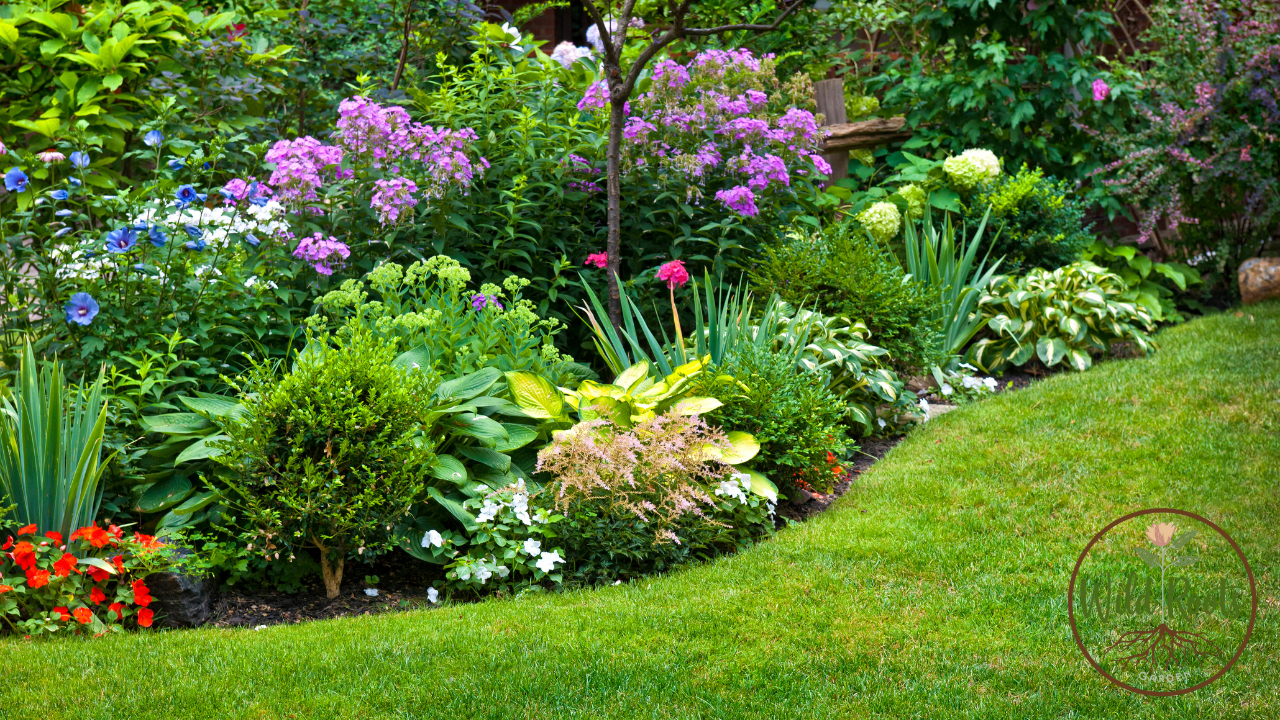
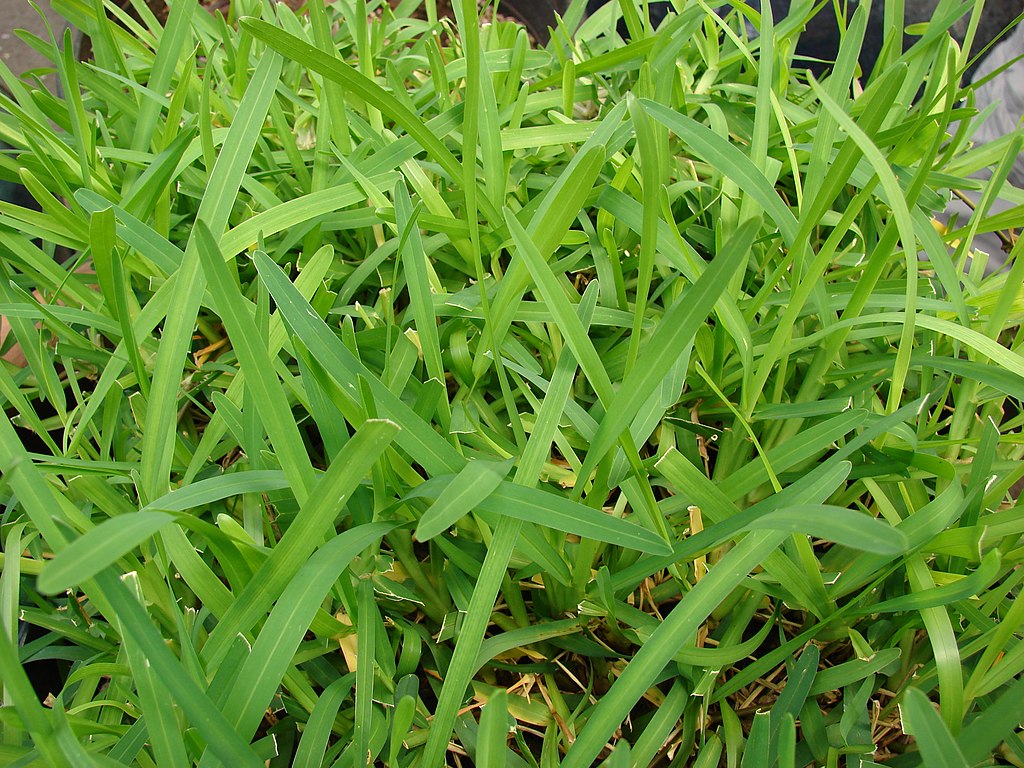
Several plants grow well in Florida’s shade. Asian jasmine is a popular choice. It spreads quickly and creates a green carpet. Liriope, also called monkey grass, is tough and evergreen. It handles shade and drought with ease. Periwinkle offers bright flowers and thick cover. These plants prevent soil erosion and reduce weeds. They bring beauty and function to shady yards.
Benefits Of Mixed Plantings
Combining different ground covers improves shade areas greatly. Mixed plantings create varied textures and colors. They attract pollinators like bees and butterflies. This diversity helps stop pests and diseases. Mixed covers use water and nutrients better. They keep the soil cool and moist longer. Overall, mixed plantings make shady spots more lively and healthy.
Credit: www.groundsource.pro
Frequently Asked Questions
What Grass Grows In Shade In Florida?
St. Augustine grass, Zoysia grass, and Centipede grass thrive well in Florida’s shade. They tolerate low light and humidity.
Is There A Grass That Will Grow In Full Shade?
Yes, certain grasses like St. Augustine, Fine Fescue, and Zoysia grow well in full shade. Choose shade-tolerant varieties for best results.
Is October 1 Too Late To Plant Grass Seed?
October 1 is not too late to plant grass seed in many regions. Cool-season grasses establish well in early fall. Ensure soil temperature stays above 50°F for optimal germination. Water regularly and avoid frost damage. Planting later may reduce growth time before winter.
Is St. Augustine Or Zoysia Better For Shade?
St. Augustine grass thrives better in shade due to its broader leaves and shade tolerance. Zoysia prefers moderate sunlight and may thin under heavy shade. Choose St. Augustine for dense, shady areas and Zoysia for partial shade with some sun exposure.
Conclusion
Choosing the right grass for shade in Florida improves your lawn’s health. St. Augustine and Zoysia grasses grow well with limited sunlight. These grasses handle Florida’s heat and humidity effectively. Regular watering and proper care keep your shaded lawn green.
Test small areas to find the best grass type. A healthy shaded lawn adds beauty to your outdoor space. Start today for a lush, shade-tolerant lawn that thrives.