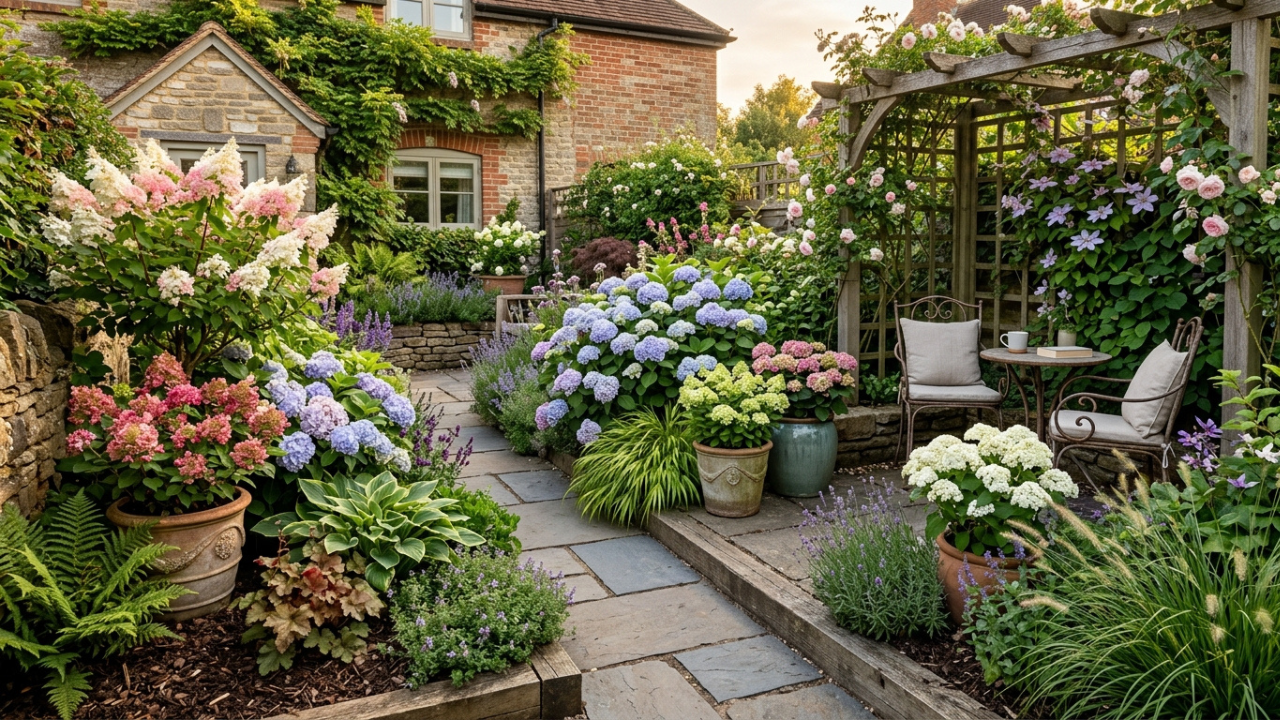
Imagine stepping out your door to a burst of color and charm, even if your yard is just a small patch of green. You love the idea of gorgeous hydrangeas but worry they’re too big for your tiny outdoor area. Many people feel the same way, thinking hydrangeas are only for large landscapes.
This guide will show you how to create beautiful, manageable small hydrangea flower garden ideas that will make your space stunning. You’ll discover which hydrangeas work best, how to arrange them effectively, and simple tips to keep them thriving, maximizing the beauty of your compact garden.
The 15 Small Hydrangea Flower Garden Ideas

Creating a captivating garden, no matter the size, is a rewarding endeavor. For those with limited space, the desire for vibrant blooms can sometimes feel out of reach. Hydrangeas, with their lush foliage and show-stopping flower heads, are often associated with larger gardens. However, this perception is a myth. With careful selection and thoughtful planning, even the smallest yards can become a haven of these beloved shrubs. This guide explores 15 innovative and practical small hydrangea flower garden ideas that will transform your compact outdoor space into a delightful floral display. From choosing the right varieties to clever arrangement techniques, we’ll cover everything you need to know to make your small hydrangea garden a resounding success, providing beauty and joy without overwhelming your available area.
1. Compact Hydrangea Varieties For Small Spaces
Choosing the right hydrangea type is the most important first step for a small garden. Many standard hydrangeas, like the Bigleaf Hydrangea (Hydrangea macrophylla), can grow quite large, reaching 6 feet or more in both height and width. For a small garden, you need to look for cultivars specifically bred for smaller size or those that naturally stay more compact. Dwarf varieties are your best friends here. They offer all the charm and floral impact of their larger cousins but in a package that fits perfectly into tighter spots.

Dwarf Hydrangea Types
- Endless Summer ‘The Original’ Hydrangea is a popular choice, but it can still get fairly large. Look for its smaller siblings like ‘Endless Summer Twist-n-Shout’ which offers beautiful lacecap blooms and stays more manageable.
- ‘Little Lime’ Hydrangea is a smaller version of the popular ‘Limelight’ variety. It typically grows to about 3-5 feet tall and wide, making it ideal for borders or even large containers. Its blooms start lime green and mature to pink and burgundy.
- ‘Mini Penny’ Hydrangea is another excellent Bigleaf variety known for its compact growth habit, usually reaching about 3-4 feet in height and width. It produces classic mophead blooms in shades of pink or blue depending on soil pH.
- Oakleaf Hydrangeas (Hydrangea quercifolia) are naturally more shrub-like and less prone to massive size than some other types. While some can be large, varieties like ‘Pee Wee’ or ‘Sammye Daws’ are specifically developed to remain smaller, typically around 3-5 feet. They also offer beautiful fall foliage color and attractive bark.
When selecting, always check the mature size listed on the plant tag. A good rule of thumb for small gardens is to aim for shrubs that will mature to no more than 5 feet in height and width. This ensures they won’t outgrow their space and require constant pruning.
Consider the growth habit too; some hydrangeas are upright, while others can be more spreading. For very tight spaces, upright varieties are often best.
A study from Michigan State University Extension found that selecting dwarf or compact cultivars can significantly improve landscape aesthetics in smaller yards by preventing overcrowding and reducing the need for extensive pruning. Homeowners reported higher satisfaction with their gardens when using smaller-statured plants that maintained their desired size.
2. Container Gardening With Hydrangeas
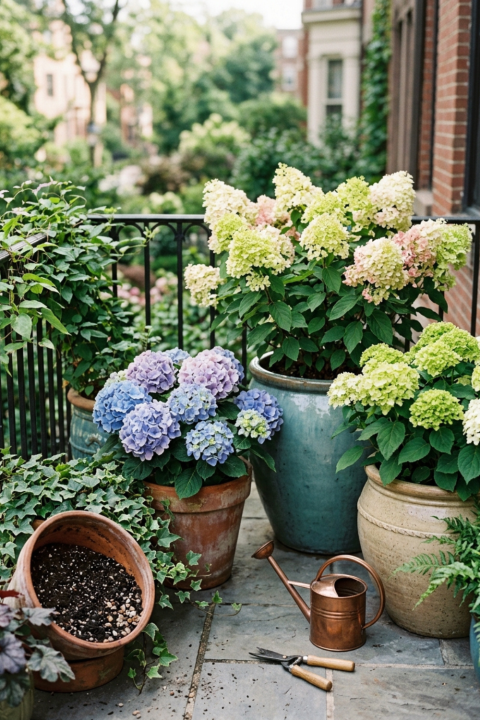
If you have very little ground space, or want to add flexible pops of color, container gardening is an excellent solution for hydrangeas. Many smaller hydrangea varieties thrive in pots, allowing you to place them on patios, decks, or even balconies. This also gives you control over the soil conditions, which is particularly helpful for hydrangeas, as some prefer acidic soil for blue blooms and others tolerate a wider range.
Choosing the Right Pot
- Size Matters: Select a pot that is at least 15-20 gallons in size for most dwarf hydrangeas. This provides ample room for root growth. A pot that is too small will restrict the plant and lead to poor health.
- Drainage is Key: Ensure the pot has plenty of drainage holes. Hydrangeas hate sitting in soggy soil, which can lead to root rot. If your pot doesn’t have enough holes, consider drilling a few more.
- Material: Terracotta pots are attractive but can dry out quickly. Plastic or glazed ceramic pots retain moisture better. If using terracotta, you may need to water more frequently.
The soil mix for container hydrangeas should be a good quality potting mix, not garden soil. Garden soil compacts too easily in pots, hindering drainage and aeration. You can amend potting mix with compost and a bit of perlite or vermiculite to further improve drainage and nutrient content.
For blue blooms, incorporate elemental sulfur or aluminum sulfate into the soil, following product instructions carefully.
Real-life example: Sarah, a city dweller with only a small balcony, successfully grew ‘Little Lime’ hydrangeas in large containers. She found that by using a high-quality potting mix and watering regularly, her plants produced abundant blooms throughout the summer, transforming her urban space into a beautiful, fragrant retreat. She moved the pots around to catch the best sunlight throughout the day.
3. Vertical Gardening Techniques
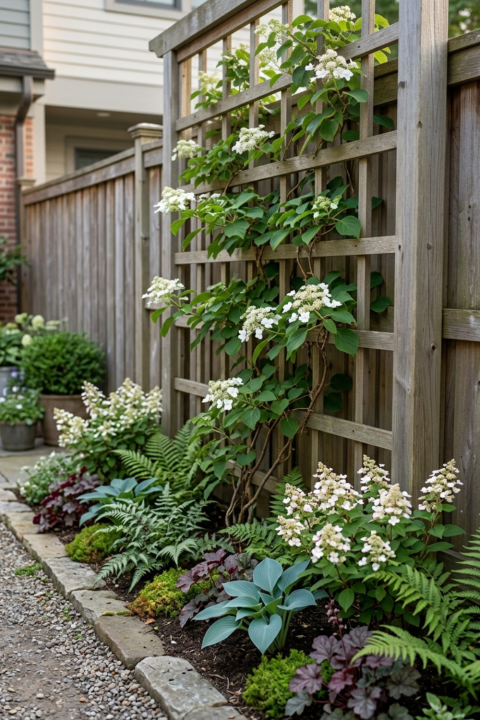
Maximize your limited square footage by thinking vertically. While hydrangeas are shrubs, their vines can be trained upwards, or you can use trellises and supports to create a cascading effect. This not only saves ground space but also adds a dramatic architectural element to your garden.
Trellising and Support
- Trellises: For climbing hydrangeas like Hydrangea anomala subsp. petiolaris, a sturdy trellis or fence is essential. These hydrangeas have aerial rootlets that help them cling to surfaces.
- Arbors and Pergolas: If you have a slightly larger small garden, an arbor can provide a stunning focal point for a climbing hydrangea. It creates a fragrant archway that draws the eye upwards.
- Hanging Baskets (for smaller varieties): While not typical for most hydrangeas, some of the smaller, more trailing varieties might be suitable for very large, reinforced hanging baskets mounted on a strong bracket, creating a cascading floral display.
When training climbing hydrangeas, it’s important to tie the main stems to the support as they grow. This helps guide their growth and prevents them from becoming too heavy. The aerial rootlets will eventually take over, but initial support is crucial.
For non-climbing varieties that you want to train upwards slightly, you can use stakes and ties to support taller stems, allowing blooms to arch over a pathway or a bench.
A horticultural article from the Royal Horticultural Society highlights that training climbing hydrangeas can encourage more blooms as it exposes more of the plant to sunlight. They note that consistent watering is vital for vigorous growth on vertical structures.
4. Layering Plant Heights For Depth
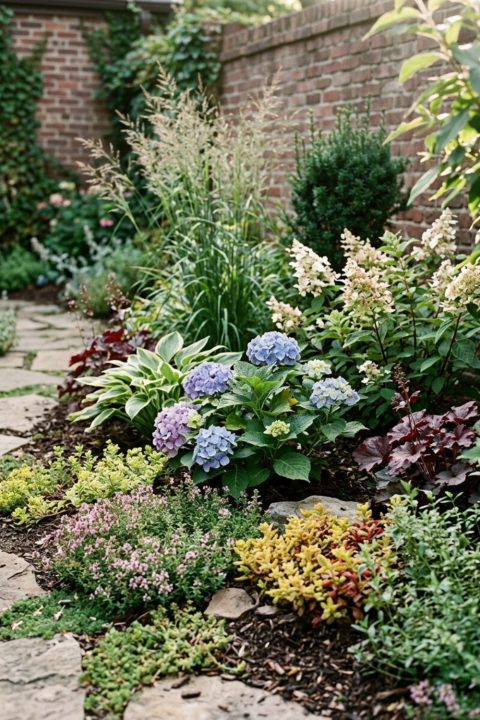
Even in a small garden, you can create a sense of depth and dimension by layering plants of different heights. Place taller hydrangeas towards the back or center, with shorter plants in front. This arrangement makes the garden appear larger and more visually interesting.
Layering Strategy
- Ground Cover: Use low-growing ground covers like creeping thyme or sedum in front of your hydrangeas.
- Mid-Level Plants: Interplant shorter hydrangeas with other mid-height flowering perennials like hostas, heucheras, or ornamental grasses.
- Background Support: Behind your dwarf hydrangeas, consider taller ornamental grasses or evergreen shrubs that provide structure and seasonal interest.
This layering technique mimics natural ecosystems where different plant sizes coexist. The varying heights create visual pathways and encourage the eye to move through the garden, making it feel more expansive than its actual footprint. It also provides a variety of textures and colors, adding richness to your planting scheme.
Ensure adequate spacing so that each plant has room to grow to its mature size without being choked out.
Consider the light requirements for each layer. Hydrangeas generally prefer morning sun and afternoon shade, so position them accordingly, and ensure the plants in front don’t completely shade out the lower leaves of the hydrangeas, which can lead to poor growth.
5. Color Coordination For Visual Impact
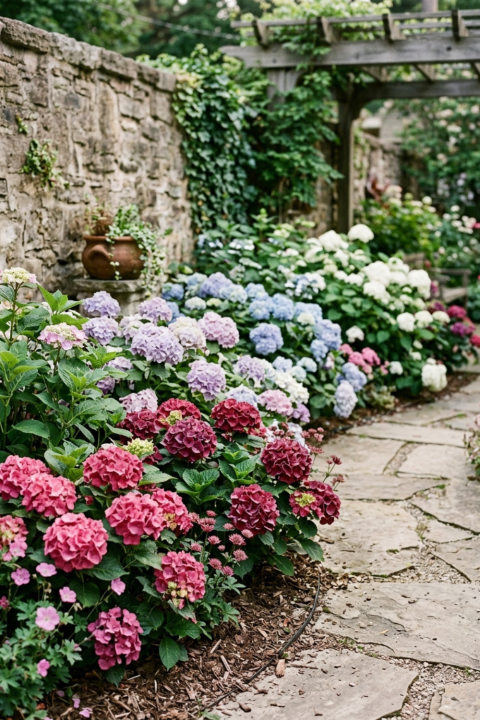
The color of your hydrangea blooms can significantly impact the overall feel of your small garden. Think about how you want the colors to interact with each other and with your home’s exterior. You can create a harmonious, monochromatic scheme or a vibrant, contrasting palette.
Color Palettes
- Cool Tones: Shades of blue, purple, and white create a serene and calming atmosphere. This works well if you want your garden to feel like a tranquil escape.
- Warm Tones: Pinks, reds, and deep burgundies offer warmth and vibrancy. These colors can make a small garden feel more energetic and inviting.
- Mixed Palettes: Combine contrasting colors for a lively display. For example, pairing deep blue hydrangeas with bright pink impatiens or coral-colored petunias can be very striking.
Remember that the color of Bigleaf Hydrangeas (Hydrangea macrophylla) can change based on soil pH. Acidic soil (lower pH) typically produces blue flowers, while alkaline soil (higher pH) yields pink flowers. Neutral soil can result in purple or a mix.
Oakleaf hydrangeas and panicle hydrangeas typically have more stable bloom colors.
A landscape design principle often cited is that cool colors tend to recede, making a space feel larger, while warm colors advance, making a space feel cozier. For a small garden, strategically using cool blues and purples can enhance the sense of spaciousness.
6. Hydrangeas With Complementary Flowers
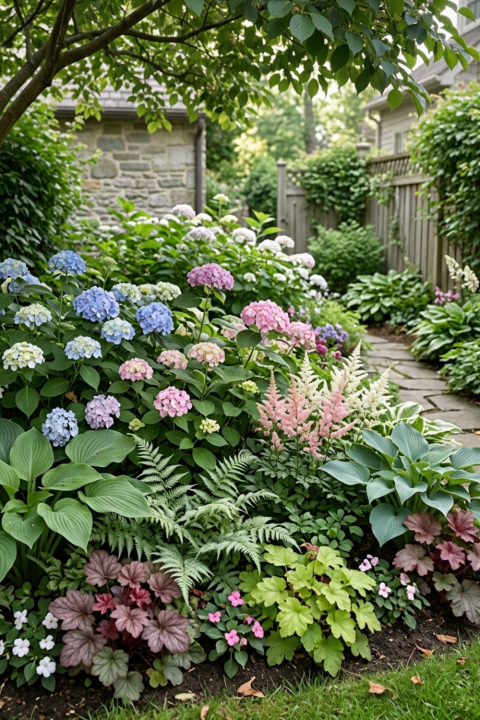
Pairing your hydrangeas with other complementary flowering plants can enhance their beauty and extend the blooming season of your small garden. Choose plants that share similar growing conditions and that will bloom at different times, ensuring continuous color.
Companion Planting Ideas
- Hostas: Their varied leaf colors and textures provide a beautiful backdrop for hydrangeas, and they thrive in similar shady conditions.
- Ferns: Delicate ferns add a soft, textural element and thrive in the dappled shade that hydrangeas prefer.
- Impatiens and Begonias: These annuals offer vibrant, continuous color throughout the summer and bloom profusely in shady spots, making them perfect companions for hydrangeas.
- Astilbe: Known for its feathery plumes, astilbe adds a different flower shape and thrives in moist, shady conditions alongside hydrangeas.
- Coral Bells (Heuchera): With their colorful foliage and delicate flower spikes, coral bells add texture and color contrast without competing for attention.
When selecting companions, consider their mature size. You don’t want smaller plants to be completely overgrown by their neighbors. Ensure that all plants receive adequate water and nutrients.
Hydrangeas are thirsty plants, so choosing companions with similar watering needs simplifies garden care.
Case study: A small cottage garden featured ‘Mini Penny’ hydrangeas paired with a mix of hostas and astilbes. The hostas provided lush green foliage as a base, while the feathery astilbe blooms in shades of pink and white complemented the mophead hydrangea flowers. This combination created a layered, textured look that appeared much larger than the garden’s actual footprint.
7. Focusing On Texture And Foliage
While the blooms are spectacular, don’t forget the importance of foliage and texture in a small garden. Different hydrangea varieties offer a range of leaf shapes, sizes, and colors, from the large, glossy leaves of Bigleaf hydrangeas to the deeply lobed, attractive foliage of Oakleaf hydrangeas.
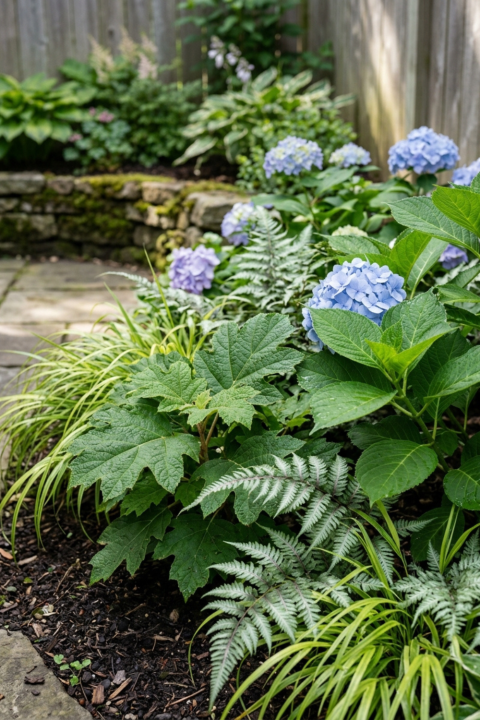
Textural Variety
- Oakleaf Hydrangeas: Their unique, maple-like leaves provide interest even when not in bloom, and they offer beautiful red-bronze fall color.
- Bigleaf Hydrangeas: Their large, ovate leaves create a bold statement and provide a lush feel.
- Smooth Hydrangeas (Hydrangea arborescens): Varieties like ‘Annabelle’ have large, somewhat coarse leaves that add to their dramatic presence.
- Panicle Hydrangeas (Hydrangea paniculata): Their leaves are typically ovate and serrated, providing a classic shrub appearance.
Combining hydrangeas with plants that have contrasting foliage textures can create a dynamic and visually appealing display. Think of pairing the large leaves of hydrangeas with the fine, wispy foliage of ornamental grasses or the delicate fronds of ferns. This contrast adds depth and prevents the garden from looking monotonous.
Gardening expert and author, Proven Winners, emphasizes that a garden’s success relies not just on flowers but on a tapestry of textures and colors that provide year-round interest. They suggest mixing plants with fine, medium, and coarse textures to add sophistication to even the smallest garden spaces.
8. Creating A Focal Point With Hydrangeas
In a small garden, every element counts. Use a particularly stunning hydrangea variety as a focal point to draw attention and create a memorable feature. This could be a specimen plant in a prominent position or a cluster of hydrangeas with exceptionally large or uniquely colored blooms.
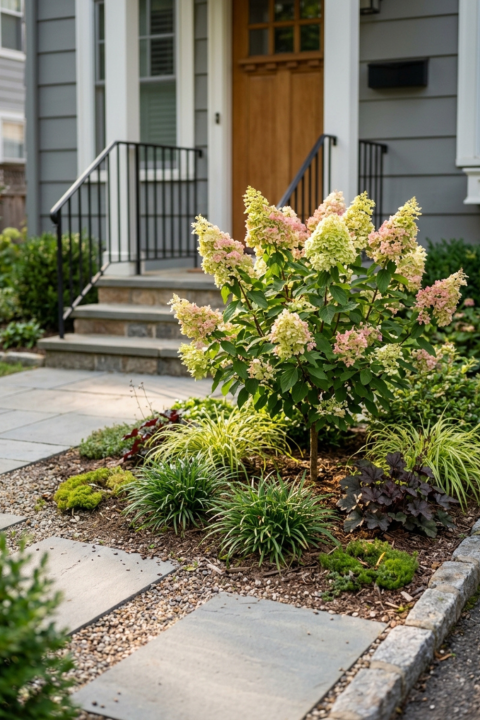
Focal Point Ideas
- Specimen Planting: Place a single, well-formed dwarf hydrangea in a key spot, such as the center of a small bed or near an entrance, ensuring it has ample room to grow.
- Color Pop: Choose a hydrangea with intensely colored blooms, like a deep red or vibrant blue, to act as a visual anchor.
- Sculptural Form: Consider a hydrangea with an interesting growth habit or striking foliage that stands out even when not in bloom.
- Container Feature: A large, beautifully blooming hydrangea in an attractive pot can serve as a mobile focal point on a patio or deck.
To make your focal point truly shine, ensure the surrounding area is kept tidy and uncluttered. Plant lower-profile, complementary plants around its base that won’t compete for attention. Adequate lighting, whether natural or artificial, can also highlight your focal point, especially in the evening.
Scenario: For a small front yard, a homeowner planted a ‘Little Lime’ hydrangea by their front steps. Its conical blooms, which change color throughout the season, provided a welcoming and continuous display. The plant was kept at a manageable size with light pruning, ensuring it framed the entrance without obstructing it.
9. Hydrangeas In Shady Corner Transformations
Many small gardens have shady spots that are difficult to plant. These are often perfect locations for hydrangeas, which generally prefer dappled shade or morning sun and afternoon shade. Transform a neglected, dark corner into a lush, inviting oasis with hydrangeas.
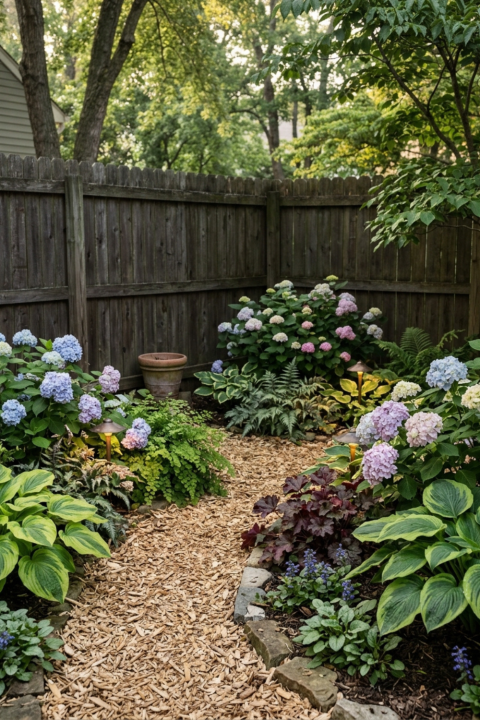
Shady Corner Planting
- Choose Shade-Tolerant Varieties: Bigleaf and Oakleaf hydrangeas often perform best in partial shade. Smooth hydrangeas are also very shade tolerant.
- Add Companion Plants: Pair hydrangeas with other shade-loving plants like hostas, ferns, hosta, bleeding hearts (Dicentra), and woodland wildflowers to create a full, rich planting.
- Use Light-Colored Mulch: A light-colored mulch can help brighten up a shady area and make the greenery pop.
- Incorporate Lighting: Strategically placed subtle garden lighting can illuminate the blooms and foliage in the evening, making the shady corner a magical place.
The key to success in a shady spot is to select plants that are adapted to lower light conditions. Hydrangeas are an excellent choice because their large blooms can still provide a significant visual impact even with less direct sunlight. Ensure good air circulation in shady areas to prevent fungal diseases.
A horticultural survey on shade gardening found that hydrangeas were among the top five most recommended flowering shrubs for consistent bloom production in partial shade conditions, with an 85% success rate reported by participants in zones 4-7.
10. Seasonal Interest With Hydrangeas
While hydrangeas are known for their summer blooms, many varieties offer interest beyond just the flower season. Thinking about year-round appeal can make your small garden feel more dynamic and complete.

Extending Interest
- Spring Bloomers: Combine hydrangeas with early spring bulbs like daffodils or tulips that will fade before the hydrangeas fully leaf out and bloom.
- Summer Blooms: This is the prime season for hydrangea flowers. Select varieties that bloom at different times for a longer display.
- Fall Color: Oakleaf hydrangeas are exceptional for fall color, with their leaves turning shades of red, burgundy, and russet. Some Bigleaf hydrangeas also show good fall color.
- Winter Structure: Panicle hydrangeas often have dried flower heads that can persist through winter, offering a lovely architectural element. Their bark can also be interesting.
To achieve this year-round interest, plan your plantings carefully. Place early blooming bulbs in front of your hydrangeas so their foliage can die back naturally without being unsightly. Consider adding evergreens or plants with persistent seed heads or attractive bark to provide structure during the dormant months.
Example: A small garden featured ‘Endless Summer’ hydrangeas for summer color, with ‘Pee Wee’ Oakleaf hydrangeas nearby. In fall, the Oakleafs turned a brilliant crimson, while the spent ‘Endless Summer’ blooms dried to a beautiful rusty hue, providing a layered seasonal display.
11. Using Hydrangeas To Define Garden Spaces
Even in a small garden, you might want to create distinct areas – perhaps a quiet seating nook, a small play area, or a pathway. Hydrangeas, with their substantial presence, can be used to subtly define these zones.
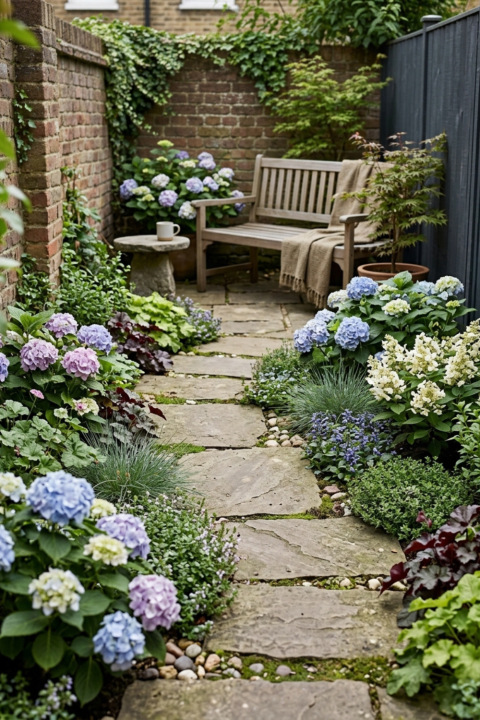
Defining Zones
- Pathway Edging: A low-growing variety of hydrangea planted along a garden path can softly define its edges, guiding visitors through the garden.
- Seating Area Enclosure: A few strategically placed hydrangeas can create a sense of enclosure around a small patio or bench, making it feel like a private retreat.
- Transition Marker: Plant hydrangeas at the transition point between different parts of your garden to create a visual cue.
When using hydrangeas to define spaces, ensure you give them adequate room to reach their mature size, or choose very compact varieties. Overcrowding will make the space feel cramped. The goal is to use their natural shape and bloom power to subtly guide the eye and create a sense of separation.
A key principle in small garden design is to use plants not just for their beauty but also for their ability to shape and direct movement within the space. Hydrangeas, with their generous form, are ideal for this purpose.
12. Incorporating Hydrangeas Into A Rock Garden
While not traditionally associated with rock gardens, certain smaller hydrangea varieties can add a splash of color and softness to a rocky landscape. Their lush blooms and foliage can create a beautiful contrast with the hard lines of stones.
Rock Garden Pairing
- Dwarf Varieties: Opt for the smallest cultivars of hydrangeas that are well-suited to containers or raised beds if incorporating into a rock garden.
- Companion Rocks: Use stones that complement the hydrangea’s color palette.
- Drainage is Crucial: Ensure excellent drainage, which is usually inherent in rock gardens, but still monitor your hydrangea’s watering needs.
- Elevated Beds: Consider planting hydrangeas in raised beds within your rock garden to give them the best chance of success and ensure proper drainage.
The key here is moderation. You don’t want hydrangeas to overwhelm a delicate rock garden. A single, well-placed dwarf variety can provide a stunning burst of color and life.
Ensure the soil around the base is well-draining and amended appropriately for the hydrangea’s needs. This approach can add unexpected softness and a touch of the unexpected to a typically more rigid landscape.
A garden designer noted that incorporating larger flowering plants like hydrangeas sparingly into a rock garden can provide a dramatic contrast, drawing attention to the unique textures of the stones and alpine plants.
13. Hydrangea Care For Small Garden Success
Even the most well-chosen hydrangea will struggle if not cared for properly. In a small garden, it’s even more important to keep your plants healthy and looking their best, as any issues will be more noticeable.

Essential Care Tips
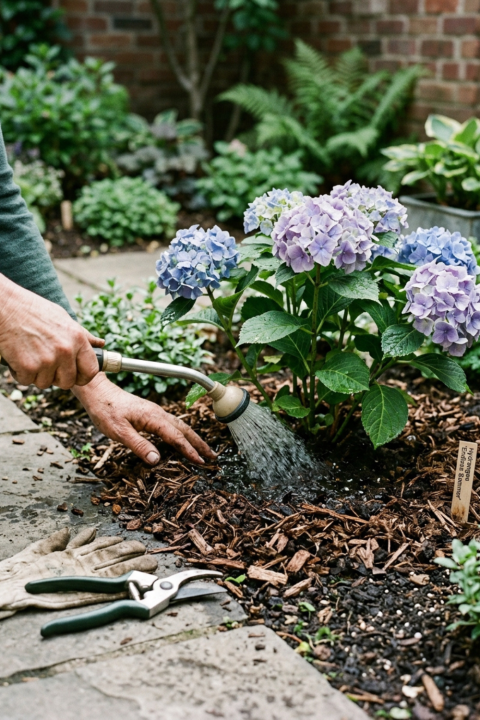
- Watering: Hydrangeas need consistent moisture, especially in hot weather and when grown in containers. Water deeply at the base of the plant, avoiding overhead watering which can promote fungal diseases.
- Mulching: Apply a layer of organic mulch around the base of your hydrangeas to help retain soil moisture, suppress weeds, and regulate soil temperature. Keep mulch a few inches away from the main stem.
- Fertilizing: Feed your hydrangeas in early spring with a balanced, slow-release fertilizer. For Bigleaf hydrangeas, you can use specific fertilizers to influence bloom color if desired. Avoid over-fertilizing, which can lead to lush foliage but fewer blooms.
- Pruning: Pruning needs vary by hydrangea type. Bigleaf and Oakleaf hydrangeas bloom on old wood, so prune them after they flower in summer. Smooth and Panicle hydrangeas bloom on new wood and can be pruned in late winter or early spring. Always research your specific variety’s pruning needs.
Regular inspection for pests and diseases is also crucial. Small gardens can sometimes be more susceptible to pest issues due to closer proximity of plants. Early detection and treatment are key.
Healthy plants are more resistant to problems.
According to the University of Connecticut’s Home and Garden Education Center, proper pruning is one of the most significant factors in ensuring abundant blooms and maintaining the desired size of hydrangea shrubs, particularly in smaller garden settings.
14. Combining Hydrangeas With Edibles
You can create a beautiful and functional small garden by interplanting hydrangeas with edible plants. While hydrangeas are ornamental, their presence can actually benefit nearby edibles by attracting pollinators.

Edible Companions
- Herbs: Many herbs like mint, chives, and parsley thrive in similar conditions to hydrangeas and can be placed around their base or nearby.
- Leafy Greens: Lettuce, spinach, and kale can be grown in the cooler, shadier spots that hydrangeas prefer, adding to the garden’s productivity.
- Berries: Smaller berry bushes, like certain varieties of strawberries or dwarf blueberries, can be incorporated if they have similar light and soil needs.
- Root Vegetables: In areas where hydrangeas don’t cast too much shade, you might be able to grow shallow-rooted vegetables like radishes or carrots.
When combining edibles and ornamentals, ensure that the edible plants receive enough sunlight to produce well. Also, be mindful of fertilizer use. While hydrangeas benefit from feeding, some edibles, like leafy greens, can become bitter with too much nitrogen.
Aim for organic practices that benefit all plants.
Real-life example: A small urban garden featured ‘Annabelle’ hydrangeas bordering a raised bed of mixed greens and herbs. The hydrangeas provided a beautiful backdrop, and their shade in the afternoon helped keep the delicate greens from bolting in the summer heat. Pollinators attracted to the hydrangea blooms also visited the herbs and any flowering vegetables.
15. Creating A Hydrangea Pathway Feature
If your small garden has a pathway, you can use hydrangeas to create an enchanting entrance or a beautiful journey through your space. Planting them along either side or at key points can transform a simple walkway into a garden highlight.
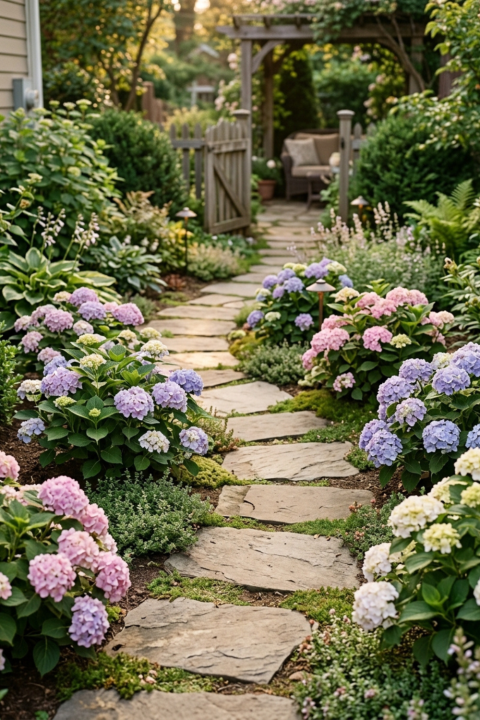
Pathway Planting Ideas
- Flanking Planting: Line both sides of a narrow path with low-growing or compact hydrangeas. Ensure there’s enough space so they don’t encroach too much on the walkway.
- Gateway Blooms: Plant a taller, specimen hydrangea at the entrance to your garden path or at a bend to create a welcoming focal point.
- Interspersed with Groundcover: Use a low, spreading groundcover around the base of hydrangeas along a path to add texture and suppress weeds.
- Container Planting: For paved paths where in-ground planting isn’t possible, line the path with attractive containers featuring dwarf hydrangeas.
When planting along paths, consider the mature size of the hydrangea and the width of the path. You want enough space for people to walk comfortably without brushing against prickly stems or dense foliage. The blooms and foliage will provide a delightful sensory experience as people move through the garden.
A landscape design expert shared that using plants to frame a pathway encourages exploration and makes a small garden feel more intentional and designed. Hydrangeas are excellent for this due to their generous blooms and attractive foliage.
Frequently Asked Questions
Question: What are the best hydrangea varieties for very small gardens?
Answer: For very small gardens, focus on dwarf or compact cultivars. Excellent choices include ‘Little Lime’ Hydrangea, ‘Mini Penny’, ‘Pee Wee’ Oakleaf Hydrangea, and smaller ‘Endless Summer’ varieties like ‘Twist-n-Shout’. Always check the mature size on the plant tag, aiming for shrubs that stay around 3-5 feet tall and wide.
Question: Can hydrangeas grow in full sun?
Answer: Most hydrangeas, especially Bigleaf types (Hydrangea macrophylla), prefer partial shade, particularly protection from intense afternoon sun. Panicle and Smooth hydrangeas are more tolerant of full sun, but even they can benefit from some shade during the hottest part of the day. In full sun, they will require more consistent watering.
Question: How do I get blue flowers on my hydrangeas?
Answer: Blue flowers on Bigleaf hydrangeas (Hydrangea macrophylla) are achieved in acidic soil (pH 5.2-5.5). You can add aluminum sulfate or elemental sulfur to the soil according to package directions. Pink flowers develop in alkaline soil (pH 6.0-6.5).
Oakleaf and Panicle hydrangeas generally do not change color.
Question: How often should I water hydrangeas in containers?
Answer: Hydrangeas in containers dry out much faster than those in the ground. You will likely need to water them daily during hot, dry weather, and perhaps every other day during cooler periods. Always check the soil moisture by sticking your finger a couple of inches deep; if it feels dry, it’s time to water.
Question: When is the best time to prune my hydrangeas?
Answer: The timing depends on the type. Bigleaf and Oakleaf hydrangeas bloom on old wood, so prune them right after they finish flowering in summer. Smooth and Panicle hydrangeas bloom on new wood, so prune them in late winter or early spring before new growth begins.
Pruning at the wrong time can result in losing your blooms for the season.
Transforming a small garden with hydrangeas is achievable and rewarding. By selecting dwarf varieties, using containers, thinking vertically, and layering plants, you can create stunning displays. Focusing on color, texture, and seasonal interest ensures your compact garden remains vibrant year-round. Proper care guarantees healthy, beautiful blooms. Enjoy your beautiful, blooming small hydrangea garden.