Are you thinking about planting pecan trees in Florida? Knowing the best time to plant can make all the difference in how well your trees grow and how soon they start producing those delicious nuts.
If you want strong, healthy pecan trees that thrive in Florida’s unique climate, timing is key. You’ll discover exactly when to plant your pecan trees to give them the best start, plus tips on choosing the right trees and caring for them.
Keep reading to ensure your pecan planting is a success from the very beginning!
Optimal Planting Period
Choosing the optimal planting period for pecan trees in Florida ensures strong growth and good nut production. Planting at the right time helps trees adapt to the local climate and develop a solid root system. This timing also reduces stress and improves survival rates. Understanding the best months to plant pecan trees is key to success in Florida’s unique environment.
Dormant Season Benefits
The dormant season in Florida runs from late November to February. During this time, pecan trees are not actively growing. Planting in dormancy reduces transplant shock. Trees focus energy on root growth instead of leaves. Cooler temperatures lower water stress. This period gives roots time to settle before spring growth starts.
Late Fall Vs Winter Planting
Late fall planting occurs in November and early December. It allows trees to establish roots before winter. Winter planting, from January to February, also works well. Soil stays warm enough for root growth. Trees planted in late fall may have a slight edge in root development. Both periods avoid Florida’s hot, dry spring and summer.
Timing For Root Establishment
Strong roots are vital for pecan tree health. Planting during the dormant season gives roots months to grow. This early root growth supports water and nutrient uptake. Well-established roots help trees handle Florida’s summer heat. Root growth slows when temperatures drop below 50°F. Planting too late reduces root development time before spring.
Choosing The Right Tree
Choosing the right pecan tree is key to a healthy orchard in Florida. The right tree type and size help ensure strong growth and good nut production. Select trees that suit Florida’s climate and your soil conditions. Consider how you want to plant and care for your pecan tree before buying. Each choice affects tree health and yield.
Bare-root Vs Container Trees
Bare-root trees come without soil around their roots. They are cheaper and easier to transport. Plant bare-root trees during the dormant season for best results. Container trees grow in pots with soil. They are more expensive but can be planted any time. Container trees often adjust faster to new soil. Both types can thrive in Florida if planted correctly.
Ideal Tree Size And Root Length
Choose trees that are at least six feet tall. Look for roots that are two and a half feet long or more. Larger trees with strong roots have better survival rates. Small trees may struggle to grow in Florida’s heat. Strong roots help the tree absorb water and nutrients. This leads to faster growth and earlier nut production.
Grafted Vs Seedling Trees
Grafted trees come from mature, productive pecan trees. They produce nuts faster and have known qualities. Seedling trees grow from seeds and take longer to bear nuts. Seedling trees may have unpredictable nut quality and yield. Grafted trees need more care during planting but reward with quicker harvests. Seedling trees suit growers with patience and space.
Soil And Climate Factors
Understanding soil and climate factors is key to planting pecan trees successfully in Florida. These factors affect tree health and nut production. Florida’s unique environment requires special attention to soil quality and local climate conditions.
Soil Quality For Growth
Pecan trees grow best in well-drained, sandy loam soils. The soil should have good fertility and a pH between 6.0 and 7.0. Heavy clay or poorly drained soils can cause root problems. Adding organic matter improves soil structure and nutrient availability. Proper soil preparation ensures strong root development and healthy tree growth.
Local Climate Impact
Florida’s warm climate suits pecan trees, but extreme heat can stress them. Trees need a chilling period with temperatures below 45°F to trigger nut production. Coastal areas may have milder winters, reducing this chilling effect. Planting pecan trees in north or central Florida helps meet chilling requirements. Monitoring local weather helps decide the best planting time.
Managing Soil Temperature
Soil temperature affects root growth and nutrient uptake. Warm soils encourage faster root establishment. Plant pecan trees when soil temperatures reach about 60°F. Mulching helps keep soil temperature stable and retains moisture. Avoid planting during the hottest months to reduce heat stress. Proper soil temperature management supports strong tree growth.

Credit: www.lsuagcenter.com
Care For Faster Production
Proper care helps pecan trees grow faster and produce nuts sooner. Healthy trees develop strong roots and branches. They tolerate Florida’s climate better and resist pests and diseases. Follow simple care steps to support early nut production and tree growth.
Watering Techniques
Young pecan trees need regular watering to establish roots. Water deeply once or twice a week. Ensure soil stays moist but not soggy. Mulch around the tree base to keep moisture and reduce weeds. Avoid overwatering to prevent root rot.
Fertilization Tips
Use balanced fertilizer in early spring and late summer. Apply nitrogen-rich fertilizer to boost growth. Spread fertilizer evenly under the tree canopy. Follow product instructions for amounts and frequency. Healthy soil with nutrients speeds up nut production.
Disease And Pest Control
Inspect trees often for signs of pests or diseases. Treat common issues like pecan scab and aphids quickly. Use organic or chemical controls as needed. Maintain good air circulation around trees to reduce disease risk. Early treatment keeps trees healthy and productive.
Growth And Yield Expectations
Understanding the growth and yield expectations of pecan trees in Florida helps plan your orchard better. Pecan trees take several years before they start producing nuts. Their growth depends on many factors including variety, care, and soil quality. Patience is important as these trees mature and develop a healthy yield. Proper planning ensures you get the best results over time.
Time To First Harvest
Pecan trees usually take 4 to 7 years to produce their first nuts. Grafted trees often bear fruit sooner than seedling trees. Seedlings need more time to grow strong enough for nut production. Early harvest means you can start enjoying pecans sooner. Regular care speeds up the time to first harvest.
Variety Influence On Production
Different pecan varieties produce nuts at different rates. Some varieties, like ‘Wichita,’ start producing earlier. Others may take longer but yield more nuts over time. Choose a variety that suits your climate and soil for better results. Variety selection impacts the quality and quantity of your pecan harvest.
Long-term Orchard Planning
Planning your orchard includes understanding the tree’s lifespan and productivity. Pecan trees can produce nuts for 50 years or more. You need to consider space, soil health, and pest control for lasting growth. Consistent care improves nut quality and yield year after year. Planning helps you maintain a healthy and productive pecan orchard.
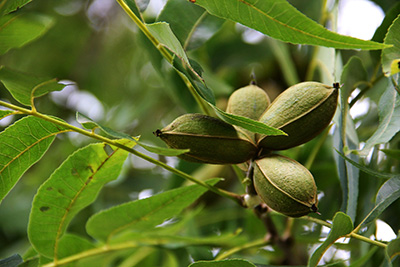
Credit: gardeningsolutions.ifas.ufl.edu
Fall Planting Insights
Planting pecan trees in Florida during fall offers unique benefits. The cooler temperatures and increased rainfall create a favorable environment for young trees. Fall planting allows roots to establish before the heat of summer arrives. This helps the tree survive and grow stronger. Understanding the advantages and care required can boost the success of your pecan tree planting.
Advantages Of Fall Planting
Fall is ideal for planting pecan trees in Florida. The soil remains warm, encouraging root growth. Trees use this time to build strong roots without stress from heat. Fall rains reduce the need for extra watering. This season also lowers the chance of pest problems. The tree enters winter with good health, ready to grow in spring.
Avoiding Frost Damage
Frost can harm young pecan trees. Planting in fall helps trees adapt before cold weather. Choose a location away from low spots where frost settles. Cover young trees with frost cloth on cold nights. Removing the cover in the morning prevents overheating. Proper care reduces the risk of frost damage and keeps trees healthy.
Watering Newly Planted Trees
Newly planted pecan trees need regular watering. Fall rains help, but check soil moisture often. Water deeply to encourage roots to grow downward. Avoid overwatering as it can cause root rot. Mulch around the base to keep soil moist and cool. Consistent watering supports strong root development and tree growth.
Troubleshooting Planting Issues
Planting pecan trees in Florida can present several challenges. These issues may affect tree growth and nut production. Troubleshooting common problems helps ensure healthy trees and a good harvest. The following sections cover key concerns and practical solutions.
Handling Late Planting
Planting pecan trees after February can stress the young trees. Late planting reduces root establishment time before hot weather. To help, water deeply and often during dry spells. Mulch around the base to keep soil moist and cool. Avoid heavy fertilizing until the tree shows strong growth. Watch closely for pests and diseases, as stressed trees are more vulnerable.
Root Development Challenges
Poor root growth limits water and nutrient uptake. Florida’s sandy soils can cause roots to dry out quickly. Use well-draining, fertile soil with organic matter for better root health. Plant trees at the right depth to avoid root rot. Avoid damaging roots during planting. Regular watering and mulching support steady root development. Root pruning before planting can encourage new root growth.
Adjusting Care For Weather Variations
Florida’s weather changes can impact young pecan trees. Hot, dry spells increase water needs. Increase irrigation during droughts to prevent stress. Cold snaps, though rare, may damage buds and branches. Protect young trees with frost cloths or windbreaks. Monitor weather forecasts and adjust care routines quickly. Proper timing of fertilization and pruning helps trees adapt to weather shifts.
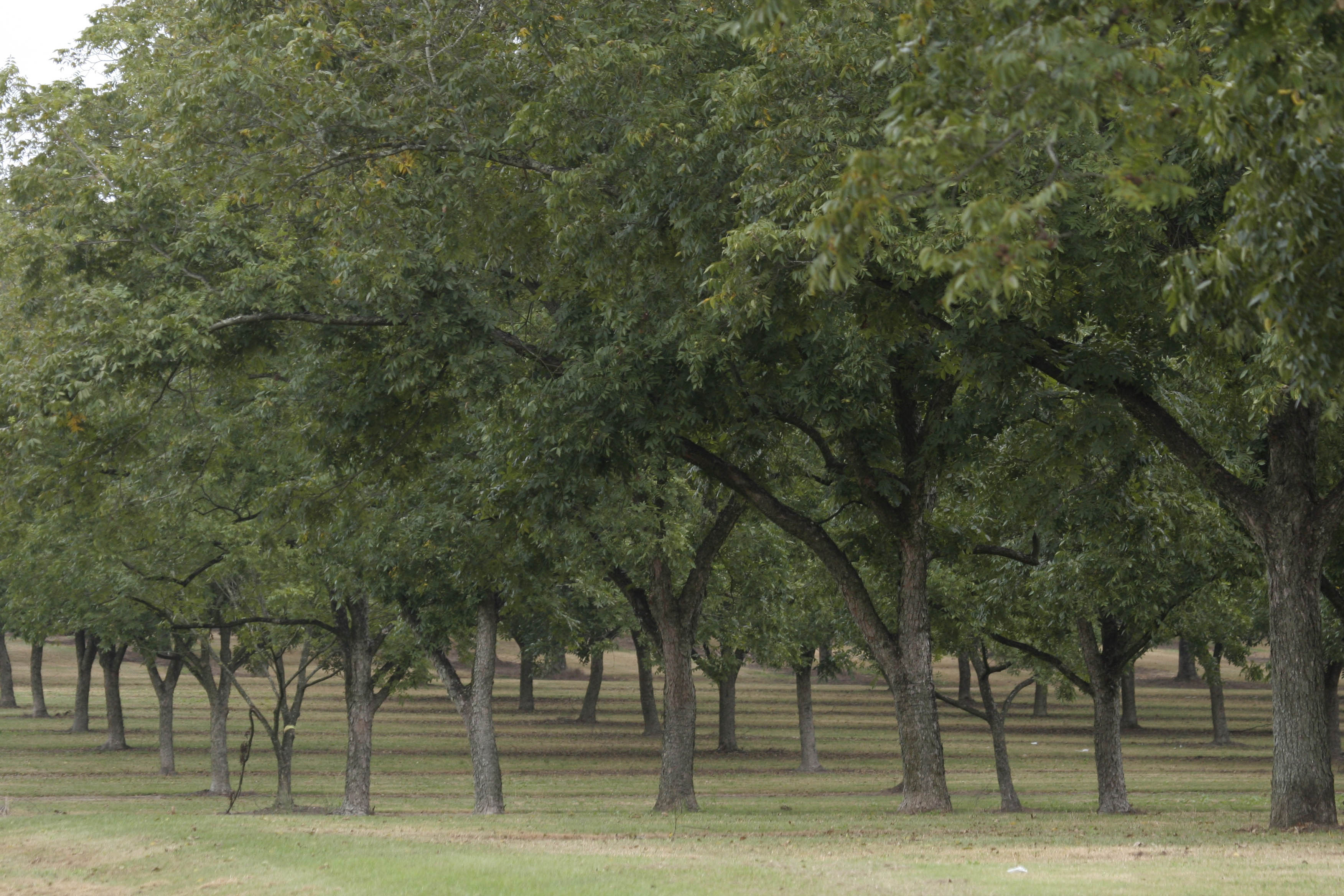
Credit: nwdistrict.ifas.ufl.edu
Frequently Asked Questions
When To Plant Pecan Trees In Florida?
Plant pecan trees in Florida between late November and February during dormancy. Choose healthy bare-root or container plants for best growth.
How Many Years Does It Take For A Pecan Tree To Bear Fruit?
Pecan trees usually bear fruit in 6 to 10 years. Grafted trees produce nuts sooner than seedling trees. Proper care speeds fruiting.
Is October Too Late To Plant Trees?
October is not too late to plant trees. Plant at least six weeks before the first hard frost. Cooler fall weather helps roots establish well. Choose tree types suited for fall planting and water newly planted trees thoroughly. Check local climate for best timing.
Do You Need Two Pecan Trees To Produce Nuts?
Pecan trees are mostly self-pollinating but grow more nuts with a second tree nearby. Two trees increase pollination and nut production.
Conclusion
Planting pecan trees in Florida works best from late November to February. This dormant season helps trees establish roots before spring growth. Choose healthy trees with strong roots for better success. Regular watering and good soil improve growth and nut production.
Patience is key; pecan trees take several years to bear fruit. Following these tips boosts your chances of a fruitful pecan harvest. Start at the right time and care well for lasting results. Growing pecan trees can be rewarding with proper timing and attention.