If you live in Florida’s 9A zone, you know how challenging it can be to find plants that thrive in the heat, humidity, and sometimes unpredictable weather. You want your garden to look vibrant and full of life without constant fuss or worry about whether your plants can handle the climate.
The good news? There are plenty of beautiful, hardy plants perfectly suited for your area. Whether you want colorful flowers, lush foliage, or low-maintenance greenery, this guide will help you choose the best plants to make your Florida garden flourish all year long.
Keep reading to discover which plants will turn your outdoor space into a stunning, stress-free oasis.
Credit: www.gardenia.net
Heat-tolerant Flowers
Heat-tolerant flowers bring bright colors and life to Florida gardens. They thrive under intense sun and high temperatures. These plants require less water and care. Ideal for Florida’s 9A climate, they help maintain a vibrant garden all year. Choose from a variety of heat-loving flowers to add beauty and resilience to your outdoor space.
Lantana Varieties
Lantanas produce clusters of small, bright flowers. They bloom in many colors like yellow, orange, red, and pink. These plants attract butterflies and birds. Lantanas tolerate heat and poor soil well. They grow quickly and need little maintenance. Perfect for sunny spots in Florida gardens.
Hibiscus Types
Hibiscus flowers are large and showy. They come in red, pink, yellow, and white shades. These tropical plants love heat and humidity. Hibiscus blooms last several days and attract hummingbirds. They grow best in full sun with well-drained soil. A classic choice for Florida landscapes.
Pentas Benefits
Pentas have star-shaped flowers in clusters. Their colors range from red to pink, lavender, and white. These plants bloom all summer long. Pentas attract butterflies and hummingbirds. They are drought-tolerant and heat-resistant. Easy to grow and maintain under Florida sun.
Salvia Features
Salvia plants feature tall spikes of tubular flowers. Colors include purple, red, blue, and white. Salvia is drought-tolerant and thrives in heat. These flowers attract pollinators like bees and hummingbirds. They prefer full sun and well-drained soil. Salvia adds vertical interest to gardens.
Sunflower Growth
Sunflowers are bright and bold garden stars. They grow tall and love direct sunlight. These plants handle Florida heat with ease. Sunflowers produce large yellow blooms that attract birds. They require minimal care once established. Ideal for sunny, open spaces in the garden.
Coreopsis And Coneflowers
Coreopsis offers bright yellow, daisy-like flowers. It blooms from spring to fall. Coneflowers have purple or pink petals with a spiky center. Both plants are drought-tolerant and heat-friendly. They attract butterflies and bees. Coreopsis and coneflowers add long-lasting color.
Zinnia And Plumbago
Zinnias are easy to grow annuals with vibrant colors. They bloom all summer and need full sun. Plumbago produces clusters of blue or white flowers. It thrives in hot, sunny conditions. Both plants resist heat and attract pollinators. Great choices for colorful Florida gardens.
Firespike And Firebush
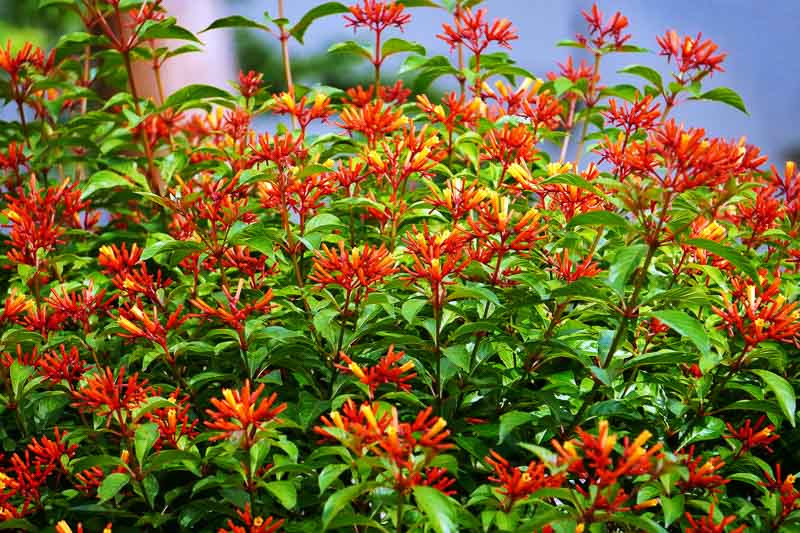
Firespike has tall spikes of red or orange flowers. Firebush features bright red flowers and attracts hummingbirds. Both thrive in hot climates and tolerate drought. They grow well in full sun or light shade. These plants add tropical flair to Florida landscapes.
Colorful Foliage Plants
Colorful foliage plants bring life and brightness to Florida 9A gardens. Their leaves showcase vibrant hues that last through the seasons. These plants thrive in Florida’s warm climate and provide year-round visual interest. Choosing the right colorful foliage plants can transform any outdoor space into a lively retreat.
Crotons For Vibrancy
Crotons stand out with their bright, multicolored leaves. They show shades of red, yellow, orange, and green. These plants love the sun and heat, perfect for Florida gardens. Their bold patterns create eye-catching displays. Crotons also tolerate humidity and occasional dry spells well. Place them in spots with full sun for best color.
Bromeliad Varieties
Bromeliads offer unique foliage shapes and bright colors. They come in reds, pinks, yellows, and greens. These plants grow well in sun or partial shade. Bromeliads hold water in their leaf cups, helping them survive dry periods. Their exotic look adds a tropical vibe to any landscape. Many types suit Florida’s hot, humid conditions.
Succulent Choices
Succulents bring texture and color with thick, fleshy leaves. Many have shades of green, blue, purple, or red. These plants thrive in heat and need little water. Succulents are low-maintenance and perfect for sunny Florida spots. Their bold shapes add contrast to garden beds. Common choices include agave, aloe, and echeveria species.
Tropical And Native Options
Florida’s Zone 9A climate supports a rich variety of tropical and native plants. These species thrive in the warm, humid environment. They also add unique textures and colors to your garden. Choosing tropical and native options helps create a sustainable landscape. These plants need less water and fewer chemicals to grow well.
Palms For Shade And Style
Palms bring a classic tropical look to Florida gardens. They provide shade and structure. Popular palms like the Sabal Palm and Queen Palm grow well in Zone 9A. These palms tolerate heat and occasional cold snaps. They work well as focal points or background plants. Palms need well-drained soil and full sun to partial shade.
Ornamental Grasses
Ornamental grasses add movement and softness to garden spaces. Varieties such as Muhly Grass and Maiden Grass thrive in Florida’s climate. They require little maintenance and resist drought. These grasses create a natural look and attract wildlife. Their fine texture contrasts well with broadleaf plants.
Bottlebrush Shrubs
Bottlebrush shrubs show off bright, brush-like flowers. The native Callistemon species are heat-tolerant and attract hummingbirds. These shrubs grow well in sunny spots with good drainage. They add vibrant red and pink hues to gardens. Bottlebrush shrubs also serve as great hedges or accent plants.
Coontie In Gardens
Coontie is a low-growing native fern-like plant. It thrives in shade or partial sun and well-drained soil. Coontie is drought-tolerant and deer-resistant. This plant is excellent for ground cover and erosion control. Coontie supports local butterfly species, making it a great choice for wildlife gardens.

Credit: www.reddit.com
Low-maintenance Picks
Choosing low-maintenance plants is smart for Florida Zone 9A gardeners. These plants handle heat and humidity well. They save time and effort, needing less water and care. Perfect for busy people or beginners. Let’s explore some great low-maintenance plant types.
Drought-resistant Plants
Drought-resistant plants survive with little water. They thrive in Florida’s hot and dry spells. Agave and yucca are popular choices. Their thick leaves store water, reducing watering needs. Lantana and salvia also do well. These plants bloom brightly and attract butterflies. They add beauty without constant attention.
Plants For Containers
Container plants offer flexibility and easy care. Hibiscus and crotons grow well in pots. You can move them to shade or sun as needed. Succulents are perfect for small containers. They require minimal watering and grow slowly. Containers help control soil quality and pests. Ideal for patios, balconies, or small gardens.
Easy-care Annuals
Annuals bring vibrant color all season long. Zinnias and pentas bloom profusely with little fuss. They tolerate Florida’s heat and humidity well. Plant them in well-drained soil for best results. These flowers attract pollinators like bees and butterflies. Easy-care annuals brighten any garden quickly and affordably.
Attracting Wildlife
Creating a garden that attracts wildlife adds beauty and life to your outdoor space. Florida 9A offers a warm climate that supports many plants loved by birds, butterflies, and other creatures. Choosing the right plants can turn your garden into a lively habitat.
Butterfly-friendly Flowers
Butterflies need nectar-rich flowers to thrive. Plants like lantana and pentas produce bright, colorful blooms that attract many butterfly species. Milkweed is also essential, as it serves as a host for monarch caterpillars. These flowers bloom for long periods, ensuring a steady food source. Planting a variety of shapes and colors helps attract different types of butterflies.
Bird-attracting Plants
Birds seek plants that provide food and shelter. Firebush and hibiscus offer nectar for hummingbirds and other nectar feeders. Palms and ornamental grasses provide seeds and hiding spots for small birds. Adding fruit-bearing plants like beautyberry invites more bird species. These plants support nesting and resting, making your garden a safe haven for birds.
Planting Tips For Zone 9a
Planting in Zone 9A requires special care to help plants thrive. The warm climate and mild winters shape how you prepare the soil, water, and manage pests. Following simple tips can lead to a healthy garden full of vibrant plants. This section covers key steps for successful planting in Florida Zone 9A.
Soil Preparation
Start with testing your soil to know its pH and nutrients. Zone 9A soils often need organic matter to improve texture and drainage. Mix compost or aged manure into the soil before planting. This boosts fertility and water retention. Avoid heavy clay or sandy soils without amendment. Well-prepared soil helps roots grow strong and plants stay healthy.
Watering Guidelines
Water deeply but less often to encourage deep root growth. Zone 9A’s heat means plants may need more water in summer. Early morning watering reduces evaporation and fungal problems. Use mulch to keep soil moist and cool. Check soil moisture regularly and adjust watering in rainy or dry periods. Overwatering can cause root rot, so balance is key.
Sunlight Requirements
Most Zone 9A plants need full sun, about six to eight hours daily. Some plants prefer partial shade, especially during the hottest afternoon hours. Observe your garden’s sun patterns before planting. Position sun-loving plants in open spots. Shade-tolerant plants can go under trees or near buildings. Proper sunlight ensures vibrant blooms and healthy growth.
Pest Management
Watch for common pests like aphids, spider mites, and whiteflies. Use natural predators, such as ladybugs, to control pests safely. Keep plants healthy with good soil and watering to resist infestations. Remove damaged leaves and debris to reduce hiding places. Avoid harsh chemicals that harm beneficial insects. Regular inspection helps catch problems early and protect your garden.
Credit: www.gardenia.net
Frequently Asked Questions
What Plants Do Well In Zone 9a?
Zone 9a supports plants like hibiscus, agave, lantana, salvia, crinum, and crotons. These thrive in warm, mild winters and hot summers.
What Plants Can Survive In The Heat In Florida?
Lantana, hibiscus, pentas, salvia, sunflowers, crotons, bromeliads, coreopsis, coneflowers, and succulents thrive in Florida’s heat and humidity. Palms, bottlebrush, coontie, and ornamental grasses also tolerate high temperatures well. These plants suit Florida’s climate and require low maintenance.
What Is The Best Low Maintenance Landscape In Florida?
The best low maintenance landscape in Florida features heat-tolerant plants like lantana, hibiscus, pentas, crotons, bromeliads, succulents, and palms. These plants thrive in Florida’s heat and humidity, require minimal watering, and resist pests, making them ideal for easy-care gardens.
What Is The Zone 9a In Florida?
Zone 9a in Florida means average annual minimum temperatures range from 20°F to 25°F. It suits heat-tolerant, subtropical plants.
Conclusion
Choosing the right plants helps your Florida 9A garden thrive. Heat-tolerant flowers like hibiscus and lantana bring color and life. Succulents and palms add texture and require little water. These plants handle sun and humidity with ease. Your garden stays vibrant through hot summers.
Simple care keeps them healthy and growing strong. Create a beautiful, low-maintenance space with these great options. Enjoy your outdoor area all year long.