
If you’re eager to grow a thriving garden in Florida, knowing the best time of year to plant is your secret weapon. Florida’s unique climate lets you plant almost year-round, but choosing the right season can make all the difference between a flourishing garden and a struggling one.
Whether you want vibrant flowers, fresh veggies, or lush tropical plants, understanding when to plant will save you time, effort, and frustration. You’ll discover exactly when to get your hands dirty for the best results, so your garden can shine through every season.
Keep reading to unlock the key to successful planting in Florida!

Credit: www.revivalgardening.com
Florida Planting Seasons
Florida’s unique climate allows for planting almost all year. Understanding the best seasons helps plants grow strong and healthy. Each season in Florida offers different benefits for gardeners. Choosing the right time can save effort and improve results.
Let’s explore the main planting seasons and what makes each one special for growing plants in Florida.
Spring Planting Benefits
Spring brings warm weather and longer days. Plants start growing quickly with plenty of sunlight. It is a great time for vegetables like tomatoes and peppers. Spring rains help keep the soil moist and support healthy roots. Starting plants in spring gives them a full growing season ahead. This leads to better yields and stronger plants.
Fall Planting Advantages
Fall has cooler temperatures and less humidity. This reduces stress on new plants. Many vegetables, such as lettuce and broccoli, thrive in fall’s mild weather. The soil still holds warmth from summer, helping seeds to sprout fast. Fall planting can avoid pests common in hotter months. It is a perfect season for growing leafy greens and root crops.
Summer Planting Tips
Summer in Florida can be hot and humid. Choose heat-tolerant plants like okra and sweet potatoes. Water plants often to prevent drying out. Use mulch to keep soil cool and conserve moisture. Planting in summer works well with tropical flowers and herbs. Shade young plants during the hottest hours to protect them.
Heat-tolerant Plants
Heat-tolerant plants thrive in Florida’s hot and sunny climate. These plants handle high temperatures and strong sunlight well. They keep your garden vibrant even during the hottest months. Choosing the right heat-tolerant plants helps reduce water use and keeps plants healthy.
Choosing Tropical Varieties
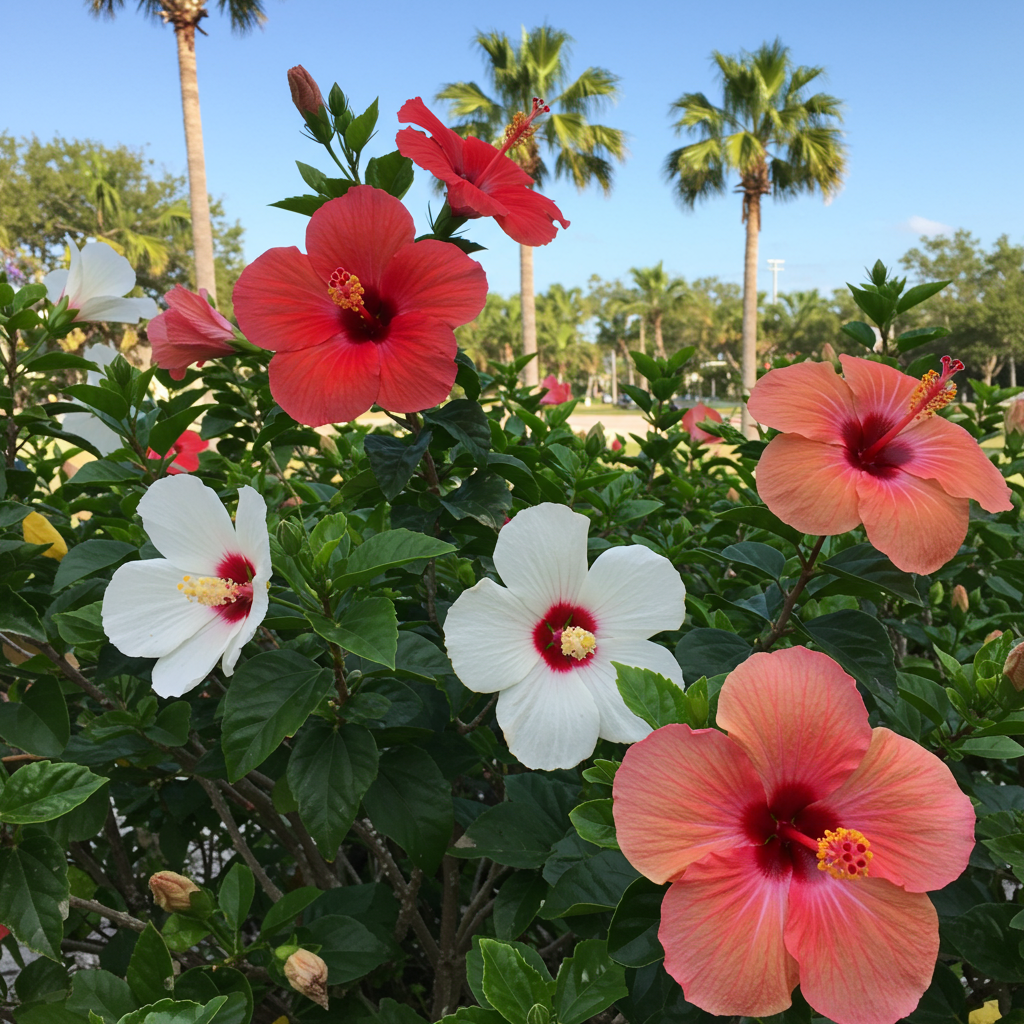
Tropical plants suit Florida’s warm weather perfectly. They enjoy bright sun and humid air. Examples include hibiscus, bougainvillea, and plumeria. These plants add color and texture to your garden. Select varieties known for heat resistance and low water needs. Tropical plants also attract butterflies and birds, adding life to your yard.
Watering Strategies In Summer
Watering is key to keeping heat-tolerant plants healthy. Water deeply early in the morning or late in the evening. This helps plants absorb moisture without losing much to evaporation. Avoid watering during midday heat. Mulching around plants retains soil moisture and cools roots. Check soil often and adjust watering to match weather changes.
Cool-weather Crops
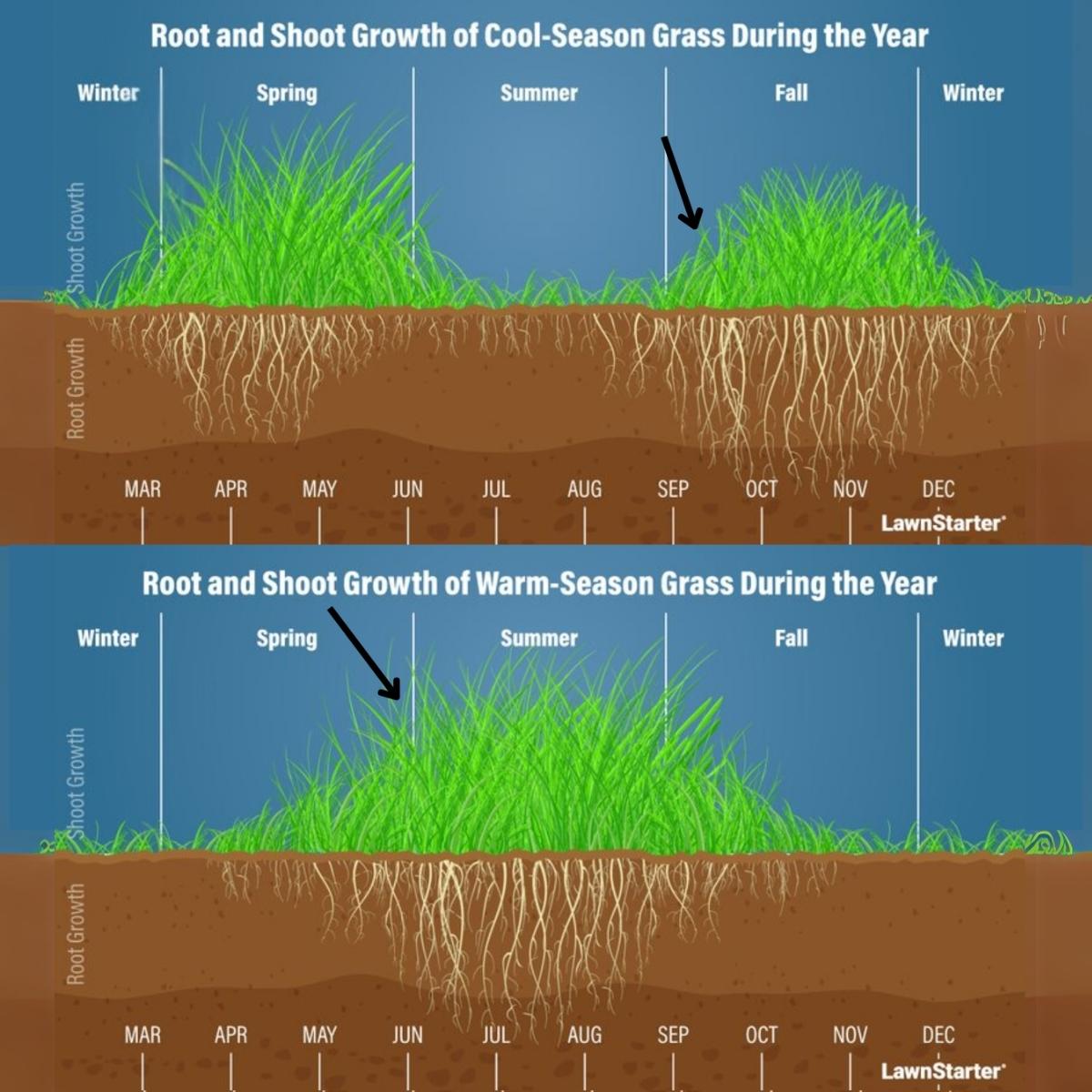
Cool-weather crops thrive in Florida’s milder months. These plants grow best when temperatures are cooler, usually in fall and winter. Planting these crops during the right season helps them develop strong leaves, roots, and flavors. Florida’s unique climate allows gardeners to enjoy fresh vegetables even in cooler months.
Leafy Greens To Plant
Leafy greens like lettuce, spinach, kale, and Swiss chard do well in Florida’s cooler months. These crops prefer temperatures between 50°F and 75°F. Plant them in late fall or early winter for the best growth. Leafy greens mature quickly and can be harvested multiple times.
Root Vegetables For Fall
Root vegetables such as carrots, radishes, turnips, and beets grow well in Florida during fall. These vegetables need loose, well-drained soil to develop properly. Plant seeds in September through November for a fall harvest. Root crops store well and add variety to meals.
Starting Seeds Indoors
Starting seeds indoors gives cool-weather crops a strong start. Begin seeds 4 to 6 weeks before outdoor planting time. Use seed trays or small pots with good drainage. Keep them in a warm, bright spot until seedlings grow strong enough to transplant outside.
Credit: www.lawnstarter.com
Regional Planting Differences
Florida’s long growing season varies by region. Planting times depend on local climate differences. Understanding these regional differences helps gardeners choose the best planting dates.
North and South Florida have distinct weather patterns. These affect soil temperature, rainfall, and frost risk. Knowing these factors improves plant success and growth.
North Vs. South Florida Climates
North Florida has cooler winters and occasional frost. It experiences a more defined growing season. Spring and fall are the safest planting times here.
South Florida stays warm year-round with mild winters. It rarely faces frost, allowing almost year-round planting. Heat-loving plants thrive in this region.
Rainfall patterns also differ. North Florida gets more spring and fall rain. South Florida’s wet season is mostly in summer. These differences affect watering needs and plant choices.
Adapting To Local Conditions
Gardeners must adjust planting schedules based on local weather. In the north, avoid planting cold-sensitive plants too early. Wait until frost danger passes.
In the south, summer heat can stress young plants. Provide shade and extra water during hot months. Choose drought-tolerant varieties for best results.
Soil types vary across regions too. Test soil to know its needs. Amend soil with organic matter to improve plant health.
Observing local patterns and adapting care leads to healthier plants and better yields. Regional planting knowledge makes gardening easier and more rewarding.
Plant Grouping Techniques
Plant grouping techniques help gardeners create beautiful and balanced gardens. Grouping plants properly improves their health and visual appeal. This approach works well in Florida’s diverse climate and soil conditions. Simple methods can transform a plain garden into a lively, vibrant space.
Using grouping techniques guides plant placement, color mixing, and height arrangement. These methods make gardens look natural yet organized. They also support plant growth by considering sunlight, water, and space needs.
Rule Of Three Explained
The rule of three is a popular gardening principle. It suggests planting in groups of three for a natural look. Odd numbers, especially three, create balance and interest. You can use three plants of the same kind or mix different species. This method avoids a crowded or too symmetrical feel. Repeating these groups across the garden unifies the design. It works well in Florida’s varied planting seasons.
Combining Plant Varieties
Mixing plant varieties adds color and texture to your garden. Choose plants with different leaf shapes and flower colors. Combine tall, medium, and short plants for variety. In Florida, select species that thrive in heat and humidity. Combining drought-tolerant with moisture-loving plants can be tricky but rewarding. This mix supports biodiversity and attracts pollinators like bees and butterflies. Proper grouping also helps manage pests naturally.
Creating Depth And Interest
Depth makes a garden feel larger and more inviting. Place taller plants at the back and shorter ones in front. Use medium-height plants to fill the middle space. Layering creates a three-dimensional effect. Use colors that contrast or blend smoothly for visual appeal. Curved or staggered rows add movement to the layout. In Florida, consider sunlight direction to avoid shading small plants. This technique keeps your garden lively throughout the year.
Extending The Rule Of Three
The “Extending the Rule of Three” in gardening helps create a natural and balanced look in your Florida garden. This design idea uses odd numbers to arrange plants or garden items. It makes the layout more attractive and less rigid. Instead of sticking to just three, you can use five or seven to keep the charm alive. The goal is to keep things visually pleasing and harmonious. This method fits well with Florida’s diverse planting seasons and styles.
Using Odd-numbered Groupings
Odd numbers like three, five, or seven make garden groups feel more relaxed and natural. Even numbers can look too formal or forced. Grouping plants in odd numbers helps guide the eye smoothly through the garden. It also creates small focal points that catch attention. This technique works with different plant types, colors, and heights. Mixing three or more plants adds depth and interest to your garden beds.
Applying To Garden Elements
The rule of odd numbers is not just for plants. You can apply it to pots, garden statues, or stepping stones. For example, place three pots of different sizes together for a balanced look. Arrange garden chairs or lights in odd groups to avoid a stiff setup. This approach brings unity and flow across the garden space. Using odd numbers in all parts of the garden ties everything together nicely.
Monthly Planting Guide
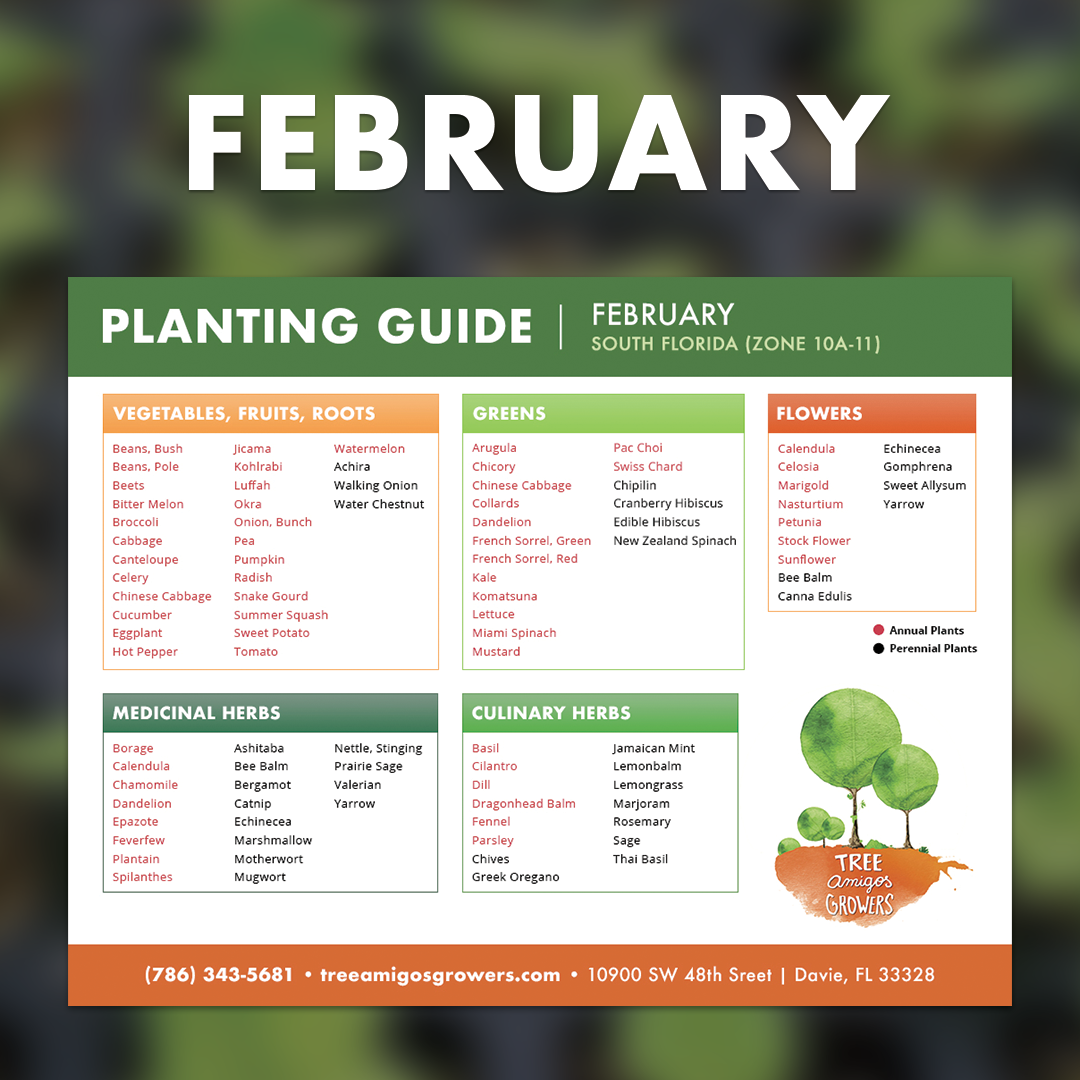
Planting in Florida can happen throughout the year due to its warm climate. A monthly planting guide helps gardeners choose the right crops for each month. This guide improves success by matching plants with Florida’s seasonal weather. It also saves time and effort by avoiding unsuitable planting times. Below, find key tips for planting in October and a year-round calendar for Florida gardeners.
Best Crops For October
October is ideal for planting many cool-season vegetables in Florida. Leafy greens like spinach, kale, and lettuce thrive in this month. Root vegetables such as carrots and radishes also do well. Broccoli and cabbage start strong in October’s mild weather. These crops enjoy the cooler temperatures before the winter chill arrives. Planting in October ensures a healthy, productive garden during fall and winter.
Year-round Planting Calendar
Florida’s climate allows planting almost every month of the year. Warm-season crops like tomatoes and peppers grow best from March to June. Fall and winter months favor cool-season vegetables and herbs. Use a calendar to track the best planting times for each crop. This tool helps plan continuous harvests and avoids crop failures. Following a year-round calendar keeps your garden active and fruitful through all seasons.
Credit: www.treeamigosgrowers.com
Frequently Asked Questions
What Is The Best Month To Plant In Florida?
The best months to plant in Florida are spring and fall. These seasons offer moderate temperatures and ideal soil conditions for most plants. Heat-tolerant tropical plants can also thrive in summer with proper watering. Planting during these times promotes healthy growth and reduces stress on plants.
What Is The Rule Of 3 In Gardening?
The rule of three in gardening groups plants or elements in sets of three for natural, balanced, and visually appealing designs. It enhances depth by using different heights and repeating trios throughout the garden for cohesion. Odd-numbered groupings like three create more interest than even numbers.
What Can I Plant In October In Florida?
In October, plant cool-season vegetables like lettuce, spinach, carrots, broccoli, and cabbage in Florida gardens. Also, start planting herbs such as cilantro and parsley. This month suits flowers like pansies and snapdragons for vibrant fall color.
Is October Too Late To Plant Shrubs?
October is generally not too late to plant shrubs. Cooler temperatures help roots establish before winter. Water well after planting. Avoid planting if ground freezes soon. Choose hardy shrub varieties suited for your climate.
Conclusion
Planting in Florida thrives best during spring and fall months. These seasons offer mild temperatures and ideal moisture for growth. Summer heat suits only heat-loving plants with plenty of water. Choosing the right time helps your garden grow strong and healthy.
Plan your planting around these seasons to see the best results. Gardening success in Florida is about timing and care. Start planting at the right time, and enjoy a vibrant garden year-round.