If you’re dreaming of carving your very own pumpkin this Halloween or simply want to enjoy fresh, homegrown pumpkins in your Florida garden, knowing the best time to plant pumpkin seeds is key. Florida’s warm climate offers a unique growing season, but timing your planting just right can make all the difference between a bountiful harvest and a patch of tiny, underdeveloped pumpkins.
In this guide, you’ll discover exactly when to plant your pumpkin seeds in Florida to maximize growth, avoid common pitfalls, and get your pumpkins ready right on time. Ready to turn your garden into a pumpkin paradise? Let’s dive into the best planting windows and expert tips tailored just for you.

Credit: americanfarmsteadhers.com
Planting Timeline In Florida
Pumpkins thrive best when planted during the right time in Florida. The planting timeline depends on the harvest goal and local climate. Planning the planting schedule helps ensure a healthy crop and good fruit size. Understanding the best months to plant and risks of late planting is key for success.
Best Months For Planting
In Florida, plant pumpkin seeds from late March to July. Late March and April offer a longer growing season. This leads to bigger pumpkins and more fruit. You can also plant in May or June for a fall harvest. July planting is possible but less ideal.
Planting For Fall Harvest
To harvest pumpkins in the fall, plant seeds by June or early July. This timing allows pumpkins to mature before cooler weather arrives. Ensure soil is warm and sunny for best growth. Regular watering during dry spells improves fruit size and quality.
Late Planting Risks
Planting after July may cause smaller pumpkins. Late plants face higher risk of diseases. Cooler temperatures can stunt growth and delay maturity. Late pumpkins might not be ready for Halloween or fall festivals. Early planting reduces these risks and boosts harvest success.

Credit: www.revivalgardening.com
Choosing The Right Location
Choosing the right location is key to growing healthy pumpkins in Florida.
Pumpkins need specific conditions to thrive and produce big fruits. The right spot provides good soil, sunlight, and space for growth.
Finding this spot ensures strong plants and a better harvest.
Soil Temperature Needs
Pumpkin seeds sprout best when soil temperature is between 70°F and 90°F.
Florida’s warm climate helps soil warm quickly in spring and summer.
Plant seeds only after the soil reaches this temperature to avoid poor germination.
Sunlight Requirements
Pumpkins require full sun to grow well.
Choose a location that receives at least six to eight hours of direct sunlight daily.
Sunlight helps pumpkins develop strong vines and large fruits.
Space Considerations
Pumpkin vines need plenty of space to spread out.
Allow at least 50 to 100 square feet per plant for healthy growth.
Crowded plants produce smaller pumpkins and face more disease risks.
Watering And Care Tips
Proper watering and care are essential for growing healthy pumpkins in Florida’s warm climate. Pumpkin plants need steady moisture to develop strong roots and produce large fruits. Neglecting water can stress the plants and reduce yields. Follow these key tips to keep your pumpkin patch thriving through the growing season.
Consistent Watering
Pumpkins require regular watering to keep the soil moist but not soggy. Water deeply once or twice a week, depending on rainfall. Early morning watering helps reduce evaporation and fungal issues. Avoid wetting the leaves to prevent diseases. Mulching around the plants conserves moisture and keeps roots cool.
Drought Management
Florida summers can bring dry spells that stress pumpkin plants. Watch for drooping leaves, a sign of water shortage. Increase watering frequency during drought to maintain steady soil moisture. Use drip irrigation or soaker hoses to deliver water efficiently. Avoid overwatering, which can cause root rot and other problems.
Supporting Fruit Growth
Consistent moisture boosts fruit size and quality. Water pumpkins more when fruits start to form. Uneven watering can cause fruits to crack or develop poorly. Support heavy fruits by placing straw or wood beneath them. This prevents rotting and pest damage while keeping pumpkins clean.
Varieties Suited For Florida
Growing pumpkins in Florida requires selecting varieties that handle heat and humidity well.
Some pumpkins thrive in Florida’s warm climate better than others. Choosing the right type helps ensure a good harvest.
Seminole Pumpkins
Seminole pumpkins are native to Florida and very heat tolerant.
They have thick skin, which resists pests and diseases common in Florida.
This variety stores well and grows best with plenty of sun and water.
Fast-maturing Options
Fast-maturing pumpkins finish growing quicker in Florida’s short growing seasons.
These types are ready to harvest in about 80 days or less.
They help avoid fall rains that can cause rot and other problems.
Bush Type Varieties
Bush pumpkins are compact and work well in small Florida gardens.
They need less space than vining types and are easier to manage.
These varieties produce fruit earlier and suit container planting too.
Planting Strategies For Halloween
Planning your pumpkin planting for Halloween in Florida requires smart strategies. Timing and seed starting methods affect your pumpkin patch success. Choose the right planting dates to ensure pumpkins grow fully by October. Consider starting seeds indoors to get a jump on the season. Experimenting with late planting can extend your growing window but needs care. Follow these tips to grow healthy pumpkins for your Halloween celebration.
Ideal Planting Dates
Plant pumpkin seeds from mid-June to early July for a Halloween harvest. This timing allows pumpkins to mature by late September or October. Planting earlier in late March or April works for a longer season but may not sync with Halloween. Soil temperature should be above 70°F to help seeds sprout quickly. Avoid planting too late, as pumpkins may stay small or get sick.
Starting Seeds Indoors
Start pumpkin seeds indoors 3 to 4 weeks before planting outside. Use peat pots or seed trays filled with light potting mix. Keep seeds warm and moist to encourage fast germination. Harden off seedlings by exposing them to outdoor conditions gradually. Transplant seedlings when they have 2-3 true leaves and soil is warm. This method gives pumpkins a strong start and often leads to bigger fruits.
Experimental Late Planting
Try planting pumpkin seeds as late as July for a late harvest. Late planting carries risk of smaller pumpkins and disease. Monitor soil moisture closely and avoid drought stress. Use mulch to keep soil cool and moist. Choose disease-resistant pumpkin varieties for better results. Late planting is a good option if you miss earlier dates, but expect smaller pumpkins.
Dealing With Late Planting
Late planting of pumpkin seeds in Florida is common. Many gardeners start after the ideal planting window. This can cause challenges but still offers good results. Understanding how to adjust your planting helps manage growth and harvest.
With careful planning, you can handle late planting successfully. Knowing pumpkin growth timelines and local climate is key. This section explains how to deal with late planting effectively.
Assessing Days To Maturity
Check the days to maturity on your seed packet. This tells you how long pumpkins take to grow. Choose varieties with shorter maturity times for late planting. Some pumpkins mature in 75 days, others take 100 days.
Shorter maturity pumpkins finish before Florida’s colder months. This reduces risk of frost damage. Tracking days helps plan your planting and harvesting better.
Adjusting For Frost Dates
Know Florida’s average first frost date for your area. Plant pumpkins so they mature before frost arrives. Late planting means you have less time before frost risk.
Protect young plants with covers if frost is expected. Avoid planting too late to prevent frost damage. Use frost dates as a guide to adjust your planting schedule.
Harvest Timing Alternatives
Late planting might shift your harvest to later in the year. Consider harvesting smaller pumpkins for early use. Smaller pumpkins ripen faster and still taste good.
Use harvested pumpkins for cooking or decoration. You can also stagger planting to extend your harvest period. This gives fresh pumpkins over a longer time.
Credit: www.gardenersbasics.com
Frequently Asked Questions
What Month Do You Plant Pumpkins In Florida?
Plant pumpkins in Florida from late March to July for a fall harvest. For Halloween pumpkins, plant in June or early July.
Can You Just Throw Pumpkin Seeds On The Ground?
You can plant pumpkin seeds directly in the ground. Ensure soil is warm and frost danger has passed for best growth.
Is August Too Late To Plant Pumpkins?
August is generally too late to plant pumpkins for a Halloween harvest in most regions. Plant earlier for best results. Some warm climates may allow late planting for a Thanksgiving harvest. Check seed maturity days and local frost dates before planting.
What Pumpkins Grow Best In Florida?
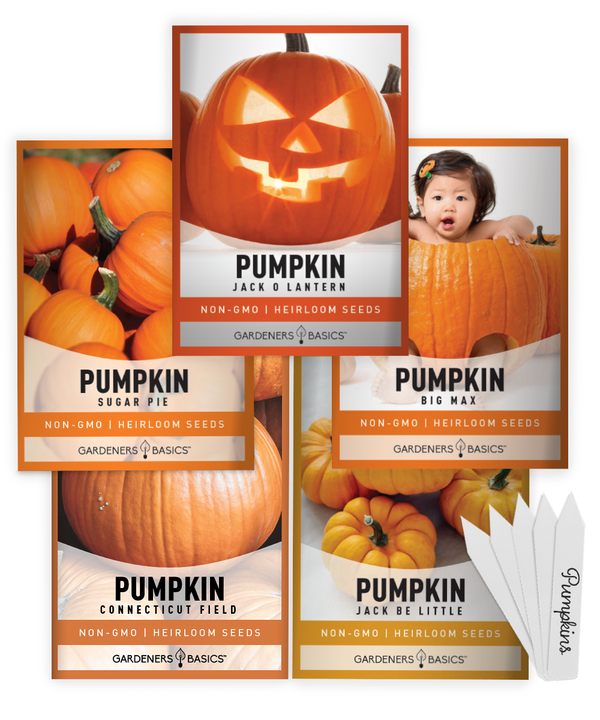
Seminole, Baby Pam, and Howden pumpkins grow best in Florida. Plant them between late March and July for optimal harvest.
Conclusion
Plant pumpkin seeds in Florida from late March through July. Early planting gives pumpkins more time to grow bigger. Choose a sunny spot with well-drained soil. Water plants regularly to help fruit develop well. Avoid planting after July to prevent small or diseased pumpkins.
Follow these simple steps for a healthy, timely pumpkin harvest. Happy planting and enjoy your Florida-grown pumpkins!