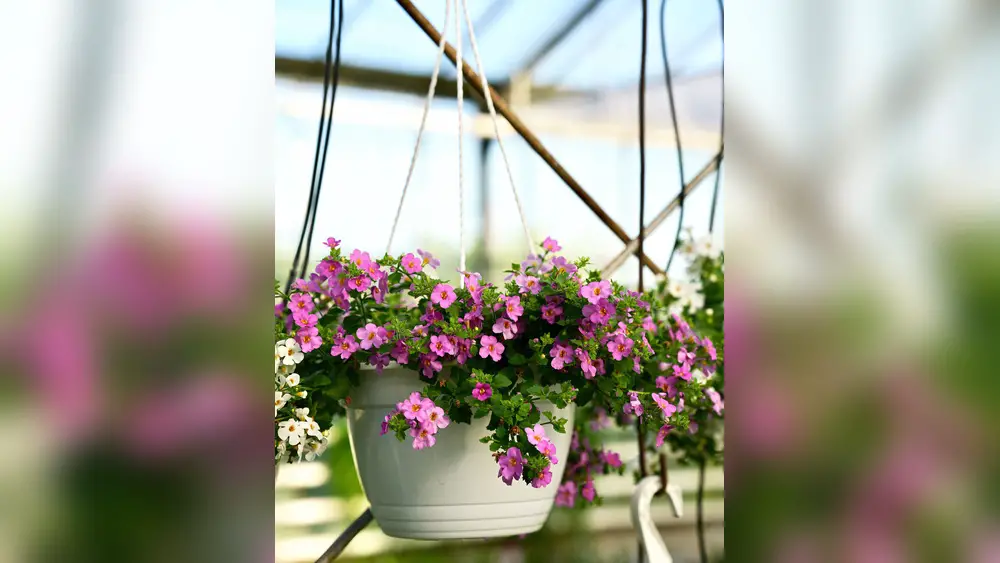
Are you wondering when is the best month to plant in Florida to get the healthiest, most vibrant garden? Knowing the right time to plant can make all the difference between thriving plants and struggling greenery.
Florida’s unique climate means you have some flexibility, but choosing the ideal month can help you avoid common pitfalls like extreme heat or unexpected frost. Whether you’re growing vegetables, flowers, or tropical plants, understanding the best planting times will save you time, effort, and frustration.
Keep reading to discover exactly when you should start planting to make your garden flourish all year round in the Sunshine State!

Credit: www.youtube.com
Florida Planting Seasons
Florida’s climate allows planting during most of the year. The state has distinct planting seasons that suit different types of plants. Understanding these seasons helps gardeners pick the best time to plant. Each season has unique benefits and challenges for growing healthy plants.
Choosing the right season can improve plant growth and reduce stress on your garden. Let’s explore the main planting seasons in Florida and their advantages.
Spring Planting Benefits
Spring is a popular time for planting in Florida. The weather warms gradually, helping seeds and young plants to grow strong. Spring rains provide natural water, reducing the need for extra watering. Many vegetables and flowers thrive when planted in spring. This season supports steady growth before the hot summer arrives.
Fall Planting Advantages
Fall offers cooler temperatures and less humidity. Plants have a better chance to establish roots before winter. Many leafy greens and root vegetables do well in fall. This season helps reduce pest problems common in summer. Fall planting also prepares your garden for a healthy spring harvest.
Summer Planting Tips
Summer in Florida can be very hot and humid. Choose heat-tolerant plants that survive the strong sun. Water plants early in the morning or late in the evening to reduce evaporation. Mulching helps keep soil moist and cool. Shade some plants during the hottest hours to prevent wilting. With care, summer planting can be successful.
Heat-tolerant Plants
Heat-tolerant plants thrive in Florida’s intense sun and high temperatures. These plants handle the summer heat without wilting or losing color. Choosing the right heat-tolerant varieties helps your garden stay vibrant year-round. Planting at the right time ensures these plants establish strong roots before extreme heat arrives.
Tropical Varieties For Summer
Many tropical plants love Florida’s summer heat. Hibiscus, bougainvillea, and crotons grow well under strong sun. These plants show bright flowers and colorful leaves in hot weather. Palms and bird of paradise also handle heat and humidity with ease. Planting tropical varieties during late spring or early summer lets them adapt quickly. Their natural heat tolerance reduces stress during the hottest months.
Watering Needs In Hot Weather
Heat-tolerant plants still need regular watering in summer. Water deeply to reach roots and keep soil moist. Early morning watering helps prevent evaporation and leaf burn. Mulching around plants holds moisture and cools the soil. Avoid shallow watering, which leads to weak roots. Adjust watering based on rainfall and temperature changes. Proper watering keeps heat-tolerant plants healthy and strong.
Best Months By Region
Planting vegetables in Florida requires timing to match the climate. Each month offers unique chances to grow different crops. Knowing what to plant monthly helps create a steady garden yield. It also avoids losses from heat or cold stress. This guide highlights key vegetables to plant in Florida by month.
Cool-weather Crops For October
October is perfect for cool-weather vegetables in Florida. Leafy greens like lettuce, spinach, and kale thrive now. Root crops such as carrots and radishes also do well. Broccoli and cauliflower can be planted this month too. These crops prefer cooler temperatures and shorter days. Starting them in October ensures a healthy harvest in winter.
Warm-weather Crops For South Florida
South Florida’s warm climate suits heat-loving vegetables almost year-round. Tomatoes, peppers, and eggplants grow best from February to May. Beans and cucumbers also flourish in warm months. Plant sweet potatoes and okra in early spring for a summer harvest. Warm-weather crops need plenty of sun and water to grow strong.
Seed Starting Tips
Start seeds indoors to protect young plants from pests and weather. Use clean containers and fresh seed-starting mix for best results. Keep soil moist but not soggy to avoid rot. Provide plenty of light, using grow lights if needed. Harden off seedlings by gradually exposing them to outdoor conditions before transplanting. Proper seed starting boosts plant survival and growth.

Credit: www.revivalgardening.com
Vegetables To Plant Monthly
Applying the rule of three helps create balanced and natural plant arrangements. It means grouping plants in sets of three to enhance visual appeal. This technique works well in Florida’s varied planting seasons. Using odd numbers, especially three, makes gardens look more inviting and less forced.
In Florida, where planting can happen year-round, this rule guides the best month to plant by helping you organize your garden thoughtfully. Grouping plants in threes allows you to mix textures, colors, and heights. This keeps your garden lively and interesting throughout the seasons.
Plant Groupings
Group plants in threes to mimic nature’s randomness. Avoid even numbers like two or four. Three plants create a strong visual triangle, which feels more pleasing. Choose plants that thrive in Florida’s climate for best results. This method works well in spring and fall, the best months to plant here.
Variety And Texture
Use three different plants with contrasting colors and textures. This adds depth and keeps the garden exciting. Mix leafy plants with flowering ones or different leaf shapes. In Florida, tropical plants with bold textures combine well with subtler foliage. Variety in your trio highlights each plant’s unique beauty.
Visual Arrangement
Arrange your three plants by height to create layers. Place the tallest plant at the back, medium in the middle, and shortest in front. This setup adds dimension and draws the eye naturally. Repeat the trio pattern across your garden for a unified look. This strategy fits nicely with Florida’s planting cycles and sun patterns.
Applying The Rule Of Three
Preparing and caring for soil is key to successful planting in Florida. Healthy soil helps plants grow strong roots and absorb nutrients well. This section covers how to improve Florida soil, use mulch, and control pests and diseases.
Amending Florida Soil
Florida soil often lacks organic matter and drains quickly. Add compost or aged manure to boost nutrients and moisture retention. Mix these amendments well into the top 6 to 8 inches of soil. This creates a better environment for roots and improves plant health.
Test soil pH before planting. Most Florida plants prefer slightly acidic to neutral soil. Use lime to raise pH or sulfur to lower it as needed. Proper pH helps plants absorb nutrients efficiently.
Mulching Techniques
Mulch protects soil from heat and moisture loss. Apply 2 to 3 inches of mulch around plants but keep it away from stems. Organic mulches like pine bark or straw slowly add nutrients as they break down. Mulching also suppresses weeds, reducing competition for resources.
Replenish mulch regularly, especially after heavy rains. This keeps the soil cool and moist, which is important in Florida’s hot climate.
Pest And Disease Control
Healthy soil supports plants that resist pests and diseases better. Remove plant debris and weeds to reduce hiding spots for insects. Use natural predators like ladybugs to control harmful pests. Avoid overwatering to prevent root rot and fungal problems.
Inspect plants often for signs of damage. Early detection allows for quick action using organic or chemical treatments as needed. Clean tools between uses to avoid spreading diseases.
Credit: travel.com
Soil Preparation And Care
Proper watering is key to successful planting in Florida’s climate. Plants need the right amount of water to grow strong and healthy. Too little water can cause stress, while too much can drown roots. Adjusting watering habits to match the season and plant type helps ensure growth.
Irrigation Timing
Water plants early in the morning for best results. This helps water soak into the soil before heat causes evaporation. Avoid watering in the afternoon when the sun is strongest. Evening watering can leave plants wet overnight, risking disease.
Managing Moisture In Different Seasons
Florida’s rainy season means less need for extra watering. Check soil moisture before watering to prevent overwatering. In the dry season, increase watering frequency but keep soil moist, not soggy. Adjust watering based on plant needs and weather changes.
Frequently Asked Questions
What Is The Best Month To Plant In Florida?
The best months to plant in Florida are spring and fall. These seasons offer ideal temperatures and moisture for most plants. Heat-tolerant tropical plants can also thrive when planted in summer with proper watering. Planting during these times ensures healthy growth and better yields.
What Is The Rule Of 3 In Gardening?
The rule of three in gardening groups plants or elements in threes to create natural, balanced, and visually appealing designs. It enhances depth and cohesion by combining different heights, colors, or textures and repeating the trio throughout the garden for harmony and interest.
What Can I Plant In October In Florida?
Plant cool-season vegetables like lettuce, spinach, carrots, and broccoli in Florida during October. Also, sow herbs such as cilantro and parsley. This month suits planting onions and potatoes too. Choose heat-tolerant flowers like marigolds and pansies for vibrant fall gardens in Florida.
What Is The Easiest Plant To Grow In Florida?
The easiest plant to grow in Florida is the snake plant. It thrives in heat, tolerates drought, and requires minimal care.
Conclusion
Choosing the best month to plant in Florida depends on the plant type. Spring and fall offer mild temperatures ideal for most plants. Tropical plants handle summer heat well if watered often. Starting your garden in these months helps plants grow strong.
Remember to watch the weather and adjust care as needed. Happy planting brings a beautiful and healthy garden year-round.